Született
January 24, 1712
Berlin, Margraviate of Brandenburg
Elhunyt
August 17, 1786
Potsdam, Germany
Ismert mint
King of Prussia from 1740 to 1786
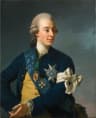
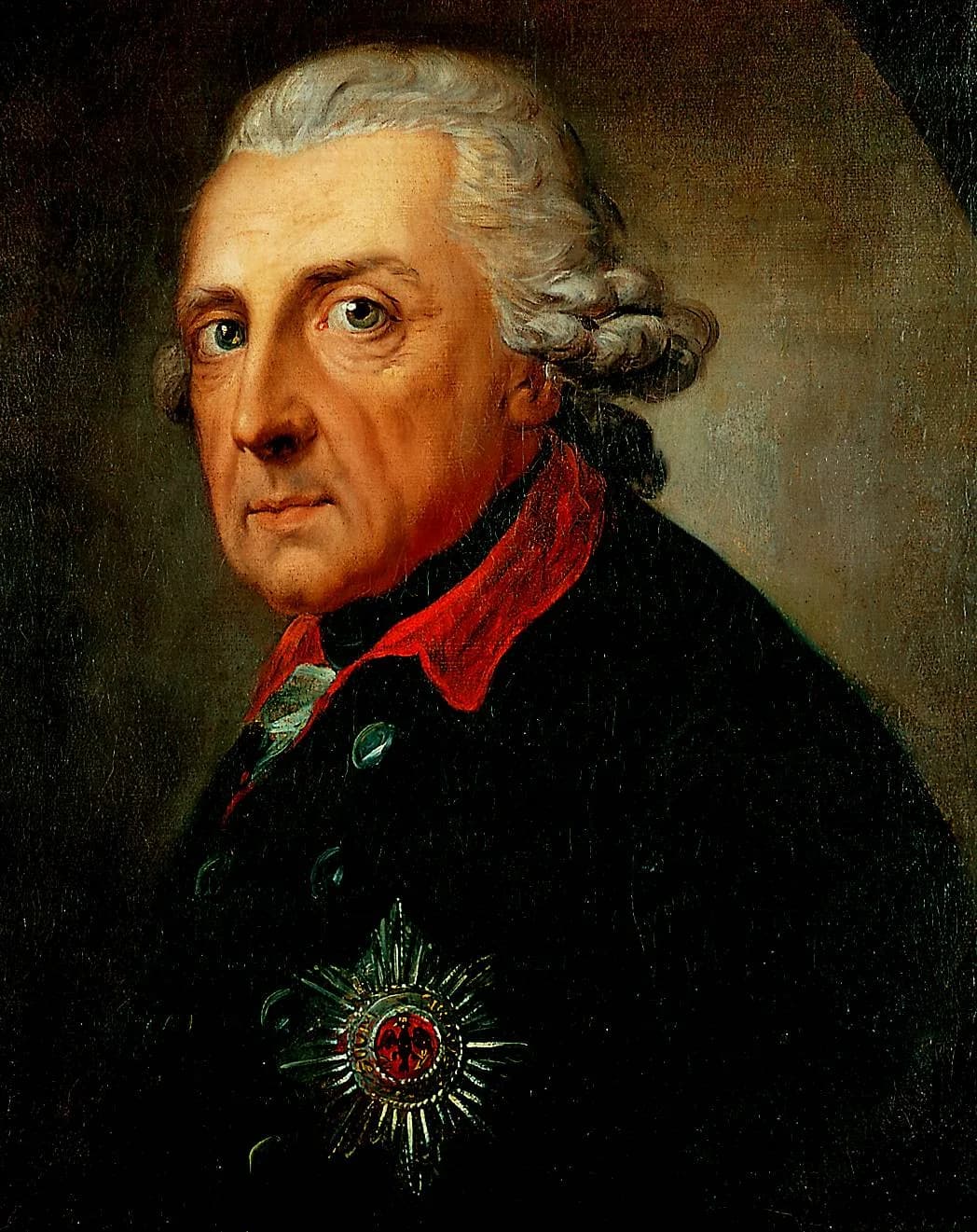
Frederick II of Prussia (1712–1786) was Margraviate of Brandenburg best known for King of Prussia from 1740 to 1786.
Frederick II of Prussia (January 24, 1712 – August 17, 1786) was a king, monarch, and composer from Berlin. He transformed Prussia into a major European military power through strategic military successes and territorial expansion. His reign is also remembered for his significant patronage of the arts and the Enlightenment.
0. fejezet
Élet fejezetei
1. fejezet · 1712· 1. fejezet a(z) 7-ből
Early Life and Origins
Frederick II was born on January 24, 1712, in Berlin, within what was then the Margraviate of Brandenburg. His upbringing within the Hohenzollern dynasty set the stage for a life destined for leadership and influence. The early years of a future monarch often involve rigorous education, preparing them for the heavy responsibilities of governance and warfare.
2. fejezet · 1740· 2. fejezet a(z) 7-ből
Career Beginnings
Frederick ascended to the throne as the monarch of Prussia in 1740, beginning a reign that would span 46 years. This period immediately followed his predecessor, establishing him as the head of state. From the outset, his leadership promised a dynamic shift in Prussian policy and influence.
3. fejezet· 3. fejezet a(z) 7-ből
Major Achievements and Career Highlights
Under Frederick's rule, Prussia achieved significant military successes, particularly in the Silesian wars, which greatly expanded its dominion. He also undertook a thorough reorganisation of the Prussian Army, transforming it into a formidable European force. These military reforms were instrumental in establishing Prussia's new status on the continent.
A major territorial gain occurred with the First Partition of Poland in 1772, during which he annexed Royal Prussia from the Polish–Lithuanian Commonwealth. Following this annexation, Frederick declared himself King of Prussia, a more prestigious title than his previous designation of King in Prussia. His strategic prowess and diplomatic skill solidified Prussia's expanded territories and elevated its position to a major military power in Europe.
4. fejezet· 4. fejezet a(z) 7-ből
Personal Interests and Patronage
Beyond his military and political endeavors, Frederick II was a dedicated patron of the arts and an ardent supporter of the Enlightenment. He cultivated an environment where intellectual and artistic pursuits could flourish. His personal interests extended to music, demonstrating his talents as a composer, librettist, and a passionate art collector.
5. fejezet · 2005· 5. fejezet a(z) 7-ből
Notable Works and Contributions to the Arts
As a composer, Frederick II left a notable musical legacy, particularly for the flute, an instrument he played himself. His discography includes significant collections such as "Flötensonaten" (2005, 2008, 2020), "Flötenkonzerte & Sinfonien" (1994), and "Flute Concerto, Sinfonie" (2006). Other recorded works highlight his contributions to classical music, including "Die Flötenkonzerte" (2008), "Flötensonaten, Flötenkonzert & Märsche" (2008), and "Die Sinfonien" (2009).
His compositions further include "Nine Sonatas for Flute & Harpsichord" (2022) and broader collections like "Music of Frederick the Great" and "Musik in Sanssouci." These works demonstrate his deep engagement with the musical world, showing that his influence reached beyond the battlefield and into cultural arenas. As a librettist, he also contributed to the written word in support of artistic endeavors.
6. fejezet · 1786· 6. fejezet a(z) 7-ből
Later Years
Frederick II continued to reign until his death on August 17, 1786, in Potsdam, Germany. His final years saw the culmination of his life's work, having steered Prussia through decades of growth and transformation. He remained actively involved in the governance and cultural life of his kingdom until the very end.
7. fejezet· 7. fejezet a(z) 7-ből
Legacy and Impact
Frederick II's legacy is one of a monarch who significantly reshaped the map of Europe and the trajectory of Prussia. His military acumen, particularly the reorganisation of the Prussian Army and successes in the Silesian wars, cemented Prussia's status as a formidable military power. The annexation of Royal Prussia and his self-proclamation as King of Prussia exemplify his ambition and strategic foresight.
Beyond his political and military achievements, Frederick the Great's patronage of the arts and the Enlightenment left a lasting cultural mark. His efforts fostered an environment of intellectual growth and artistic expression. He remains remembered as Frederick the Great and the beloved "Old Fritz," symbols of a king whose vision and leadership greatly expanded and strengthened his nation.
Egy élet pillanatokban
A pillanatok, amelyek egy életet alakítottak
GYIK
Gyakran kérdezett
Mikor halt meg Frederick II of Prussia?
Frederick II of Prussia 1786. augusztus 17. Potsdam, Germany-ban halt meg, 74 éves korában.
Hol született Frederick II of Prussia?
Frederick II of Prussia Berlin, Margraviate of Brandenburg-ban született, 1712. január 24..
Miről ismert leginkább Frederick II of Prussia?
Frederick II of Prussia leginkább arról ismert, hogy King of Prussia from 1740 to 1786.
Hány éves volt Frederick II of Prussia, amikor meghalt?
Frederick II of Prussia 74 éves volt halálakor.
Milyen nemzetiségű volt Frederick II of Prussia?
Frederick II of Prussia Margraviate of Brandenburg származású volt.
Idővonal
Élet egy pillantásra
Fotógaléria
Egy élet képekben
Kattintson bármely polaroidra a kibontáshoz · 25 fénykép
QR-kód
Életrajz megosztása
Nyomtatás és megosztás
Olvassa be az életrajz oldalának megnyitásához. Nyomtassa ki rendezvényekre, kiállításokra vagy oktatási anyagokhoz.