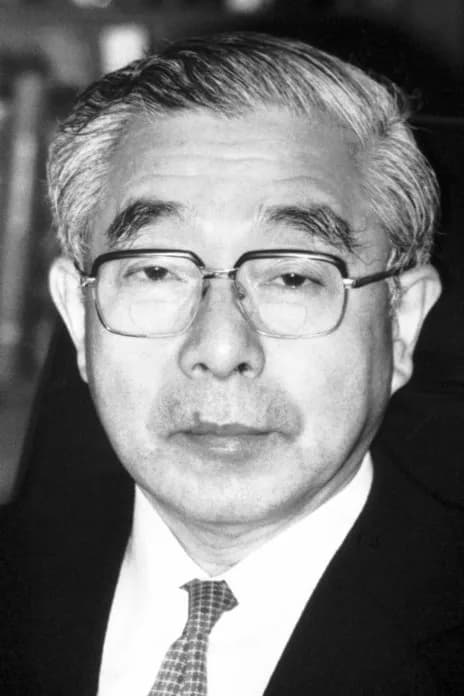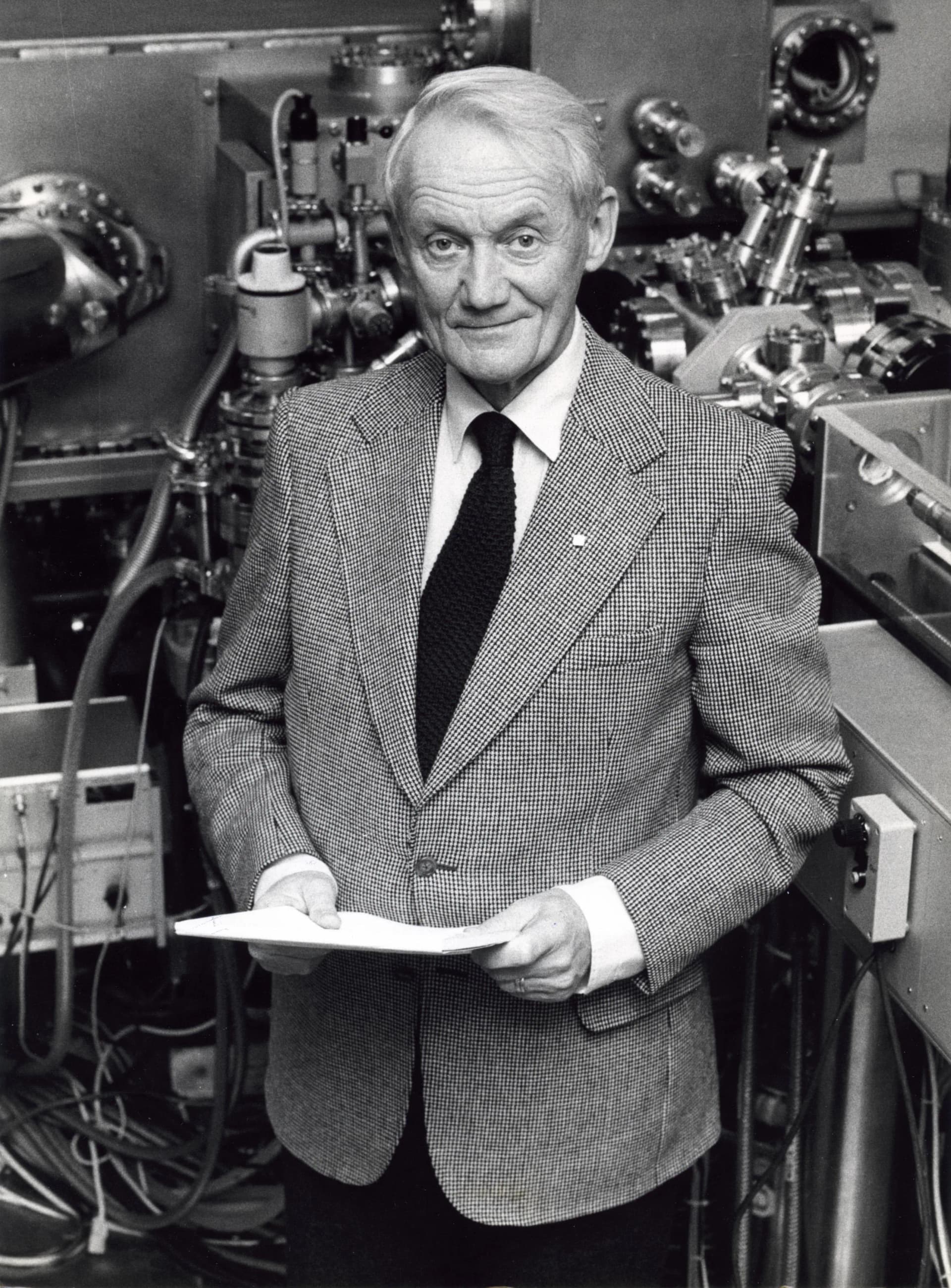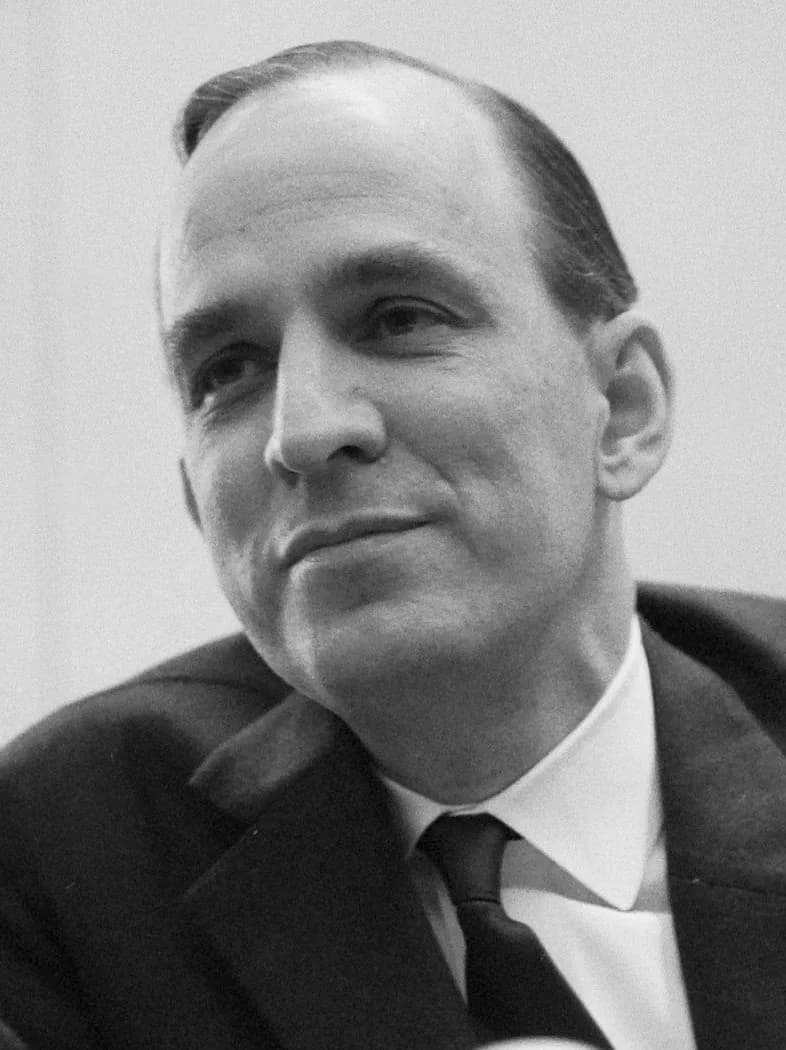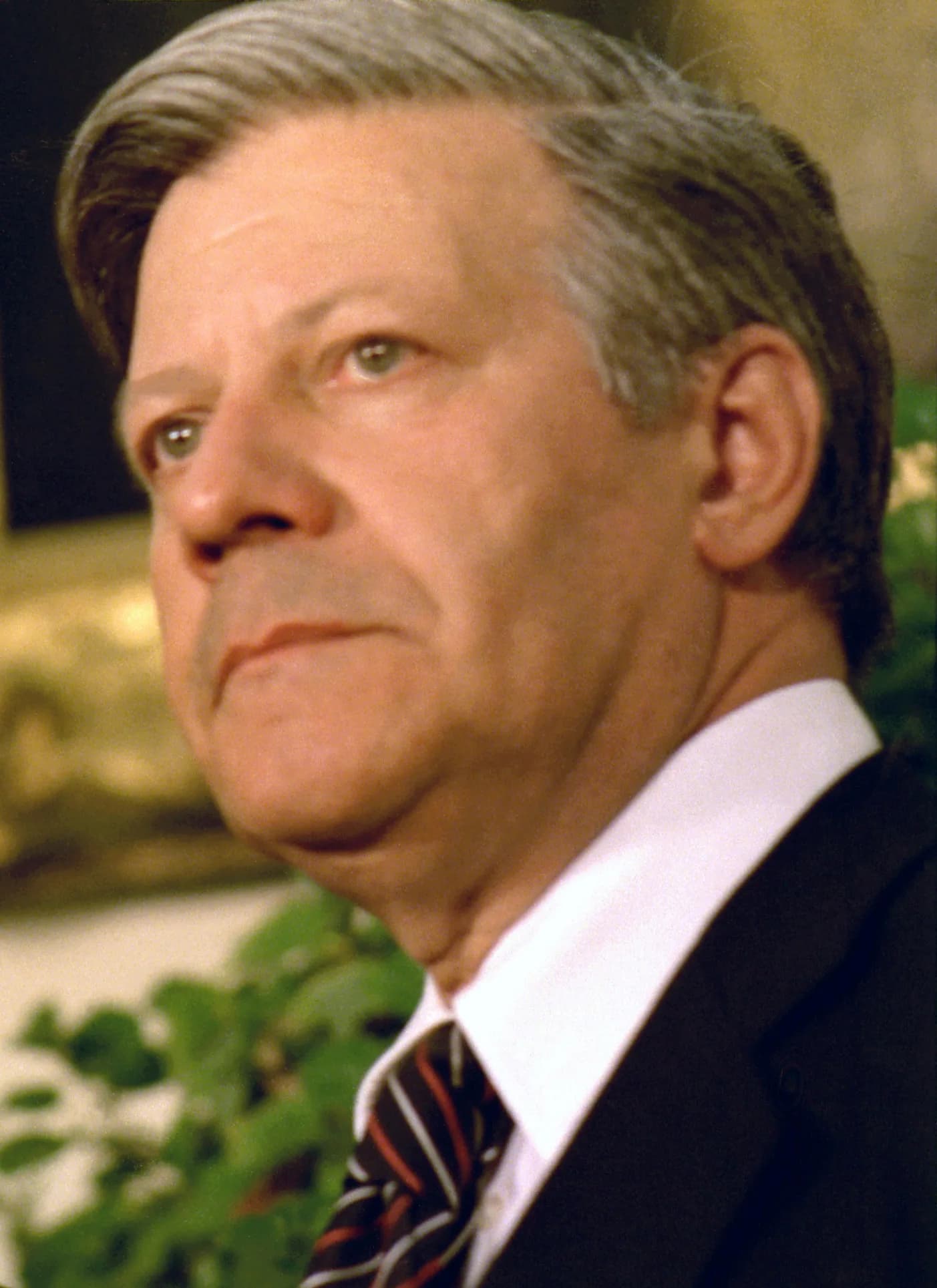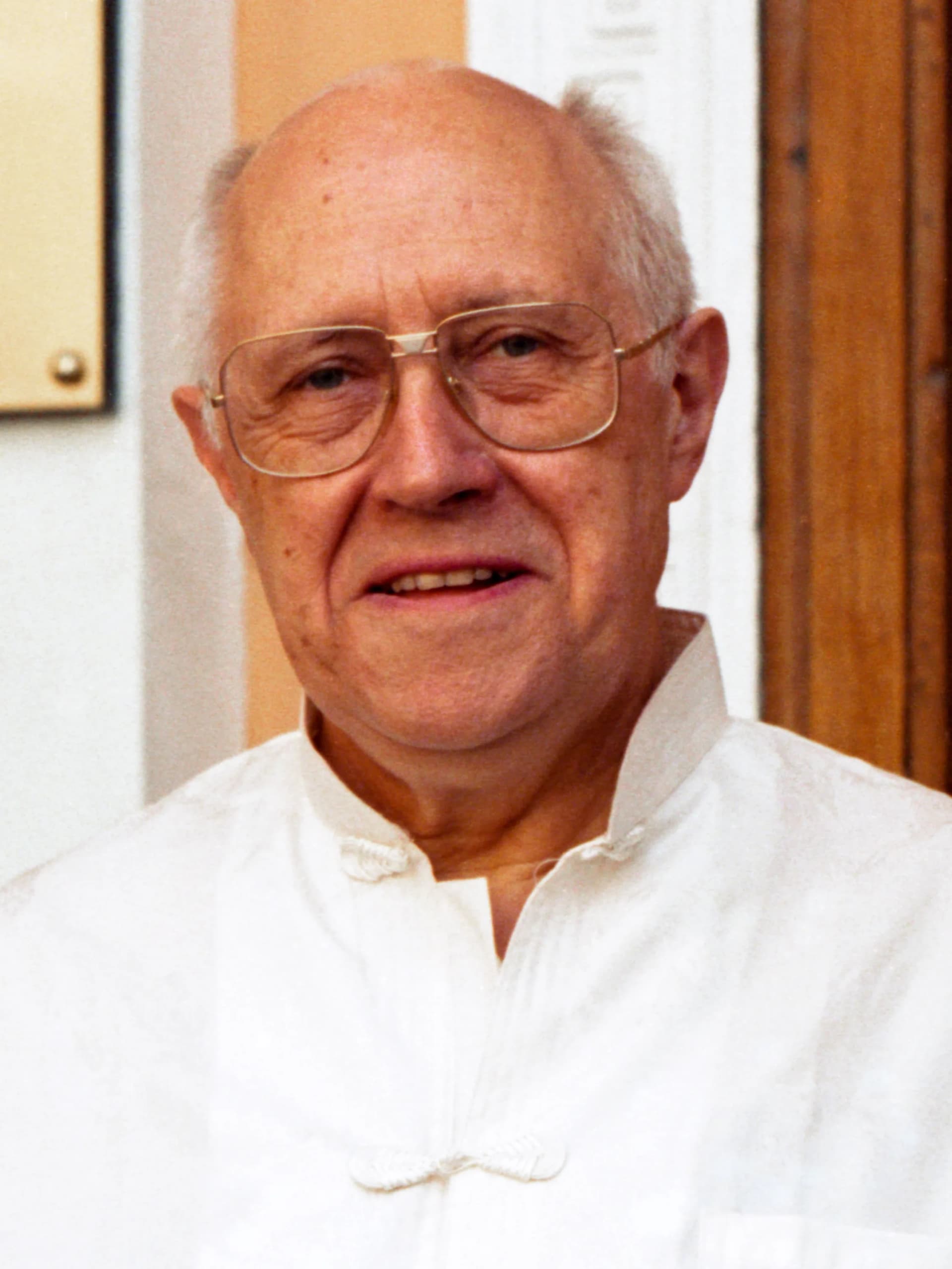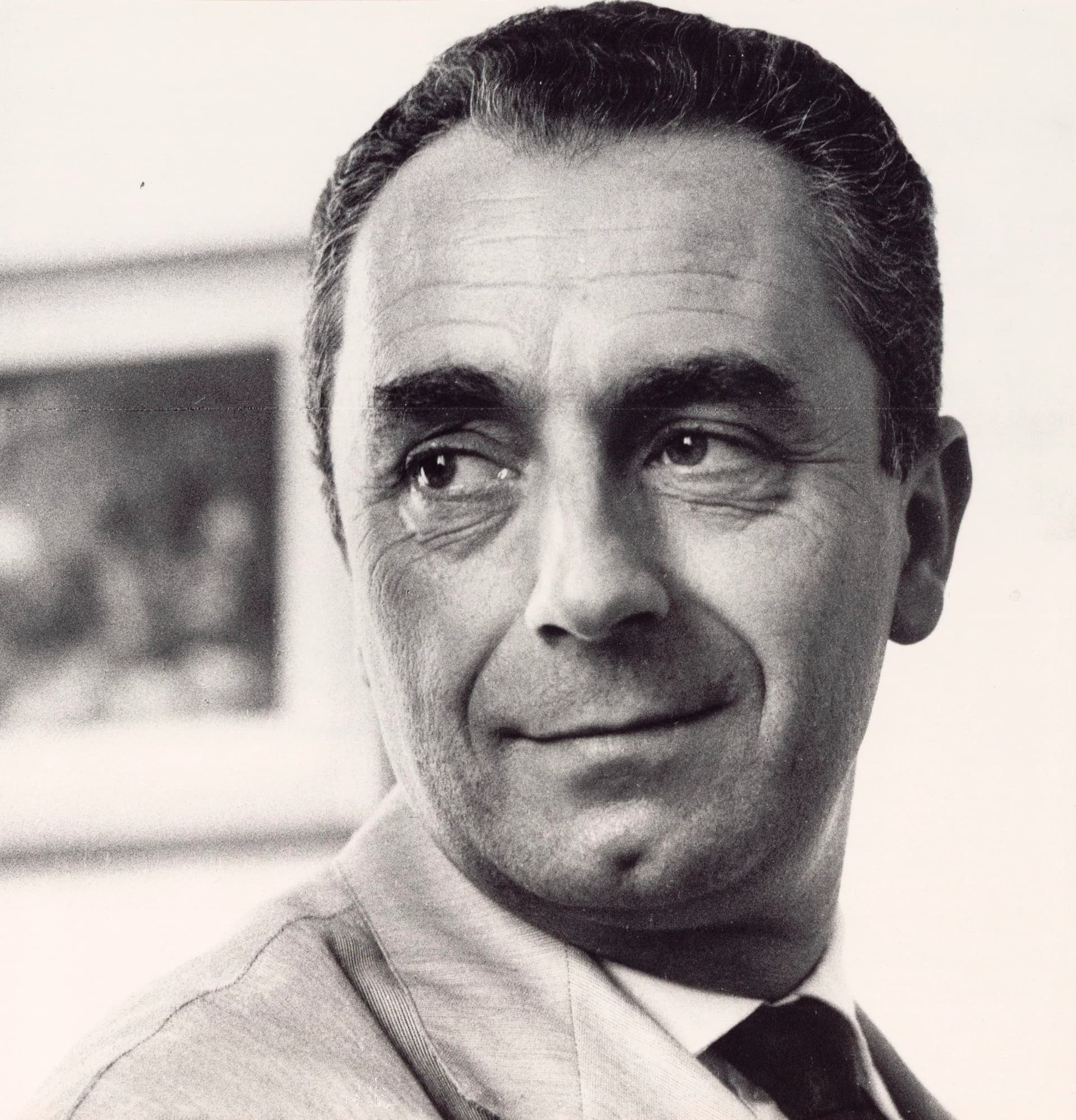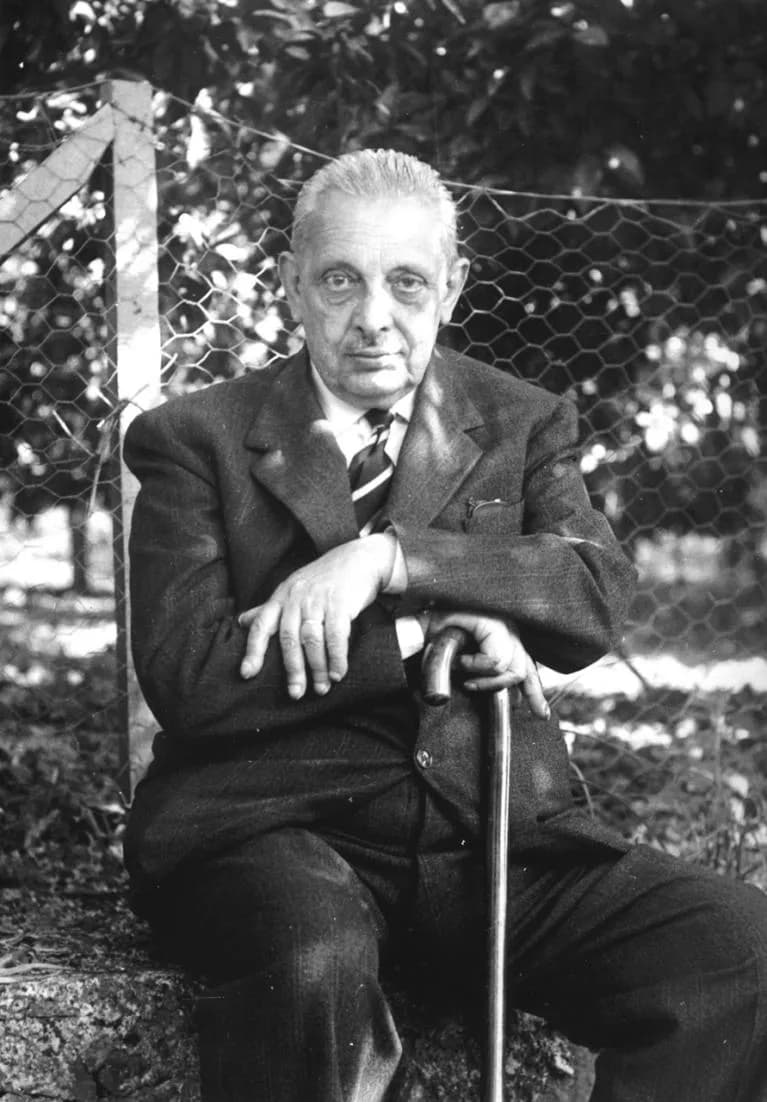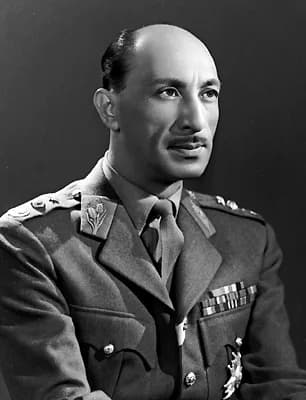
Született
November 10, 1918
Solln, Germany
Elhunyt
July 23, 2007
Munich, Germany
Ismert mint
German chemist
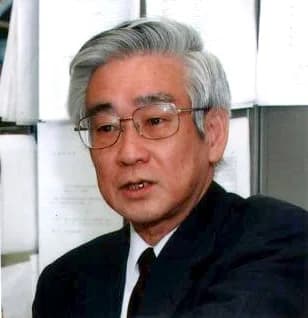
Ernst Otto Fischer (1918–2007) was Germany best known for German chemist.
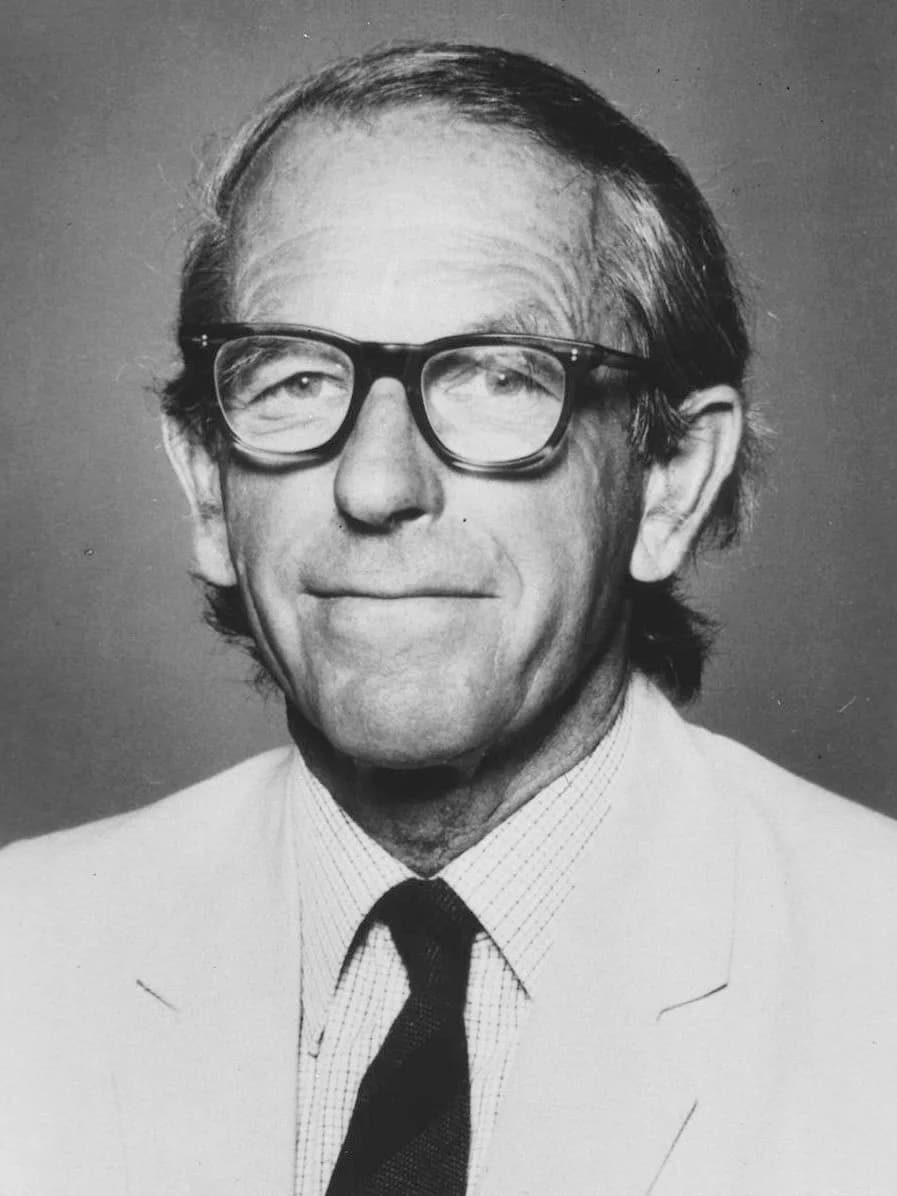
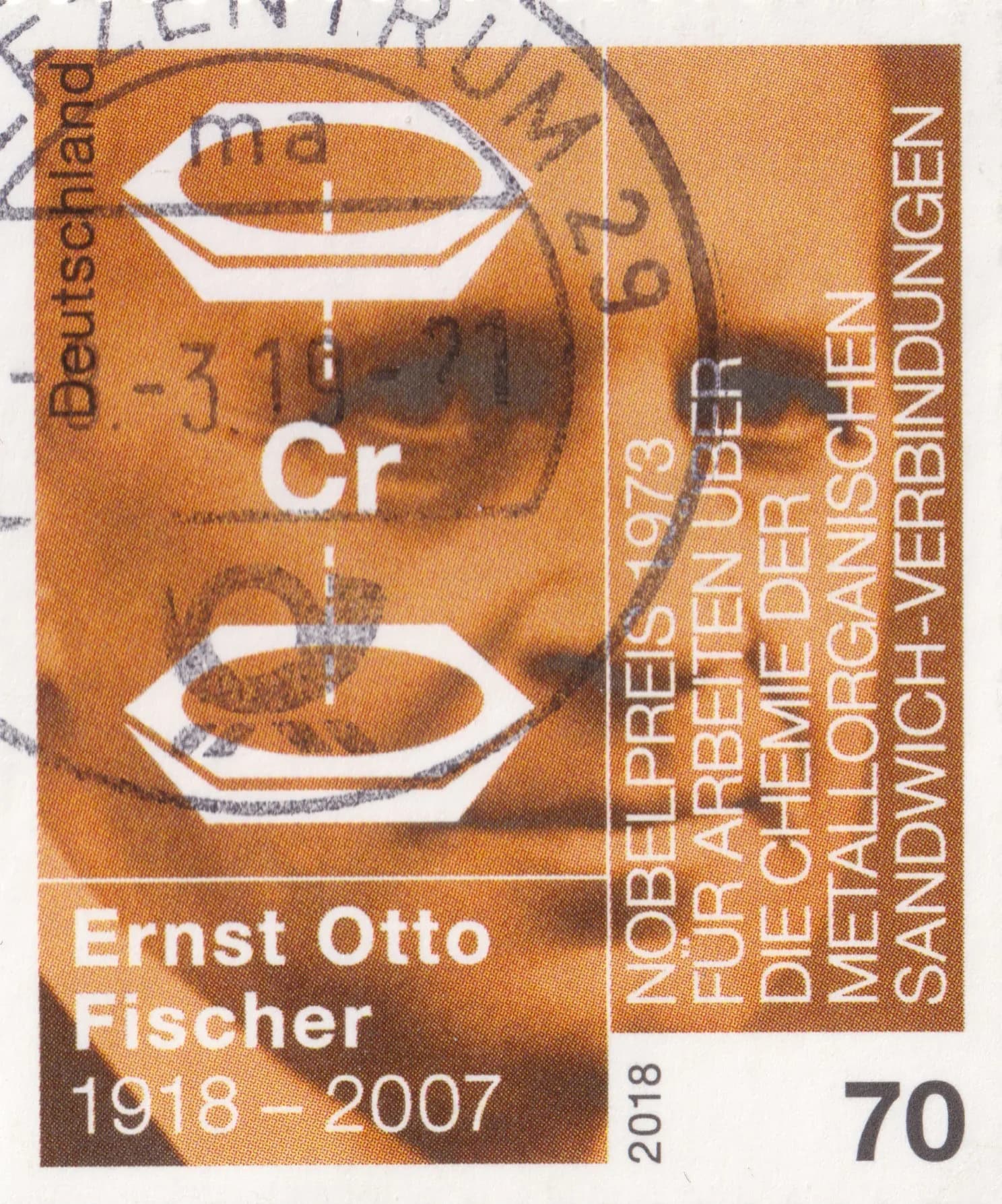
Ernst Otto Fischer (November 10, 1918 – July 23, 2007) was a German chemist and university teacher from Solln, Germany. He won the Nobel Prize in Chemistry in 1973 for his pioneering research into organometallic "sandwich compounds." His work significantly advanced the field of organometallic chemistry.
Egy élet pillanatokban
A pillanatok, amelyek egy életet alakítottak
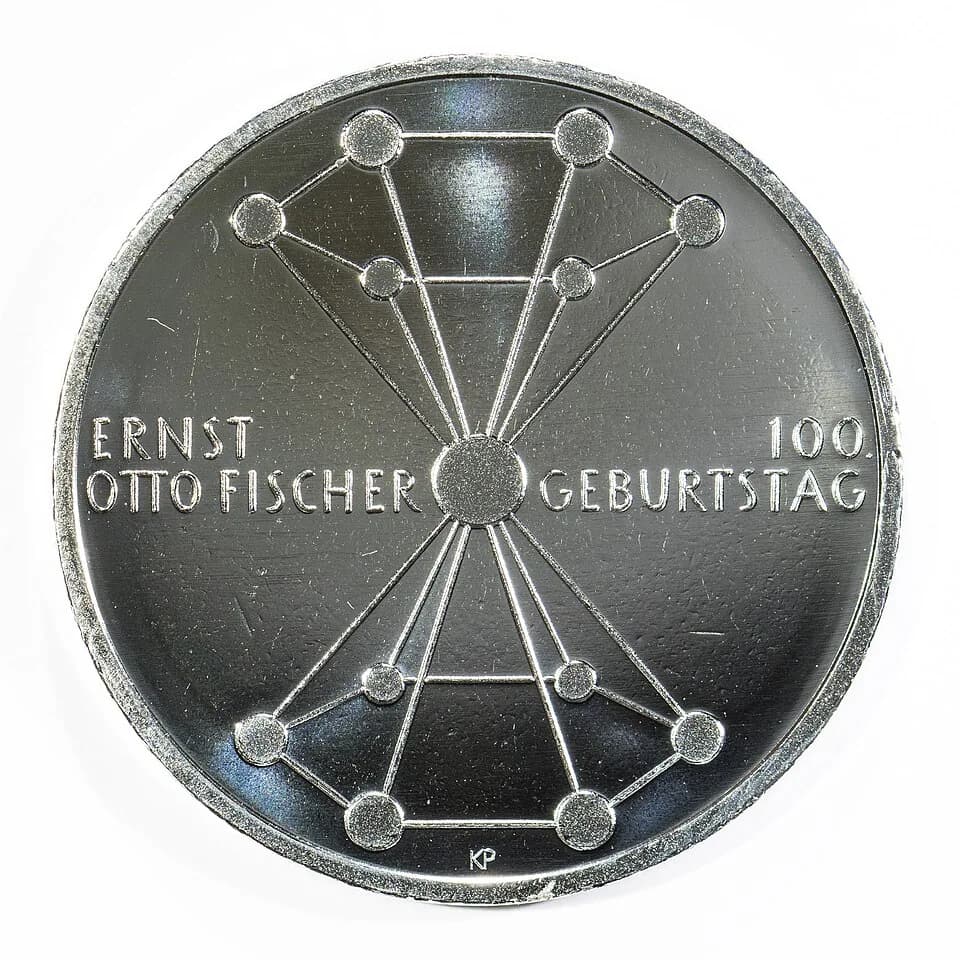
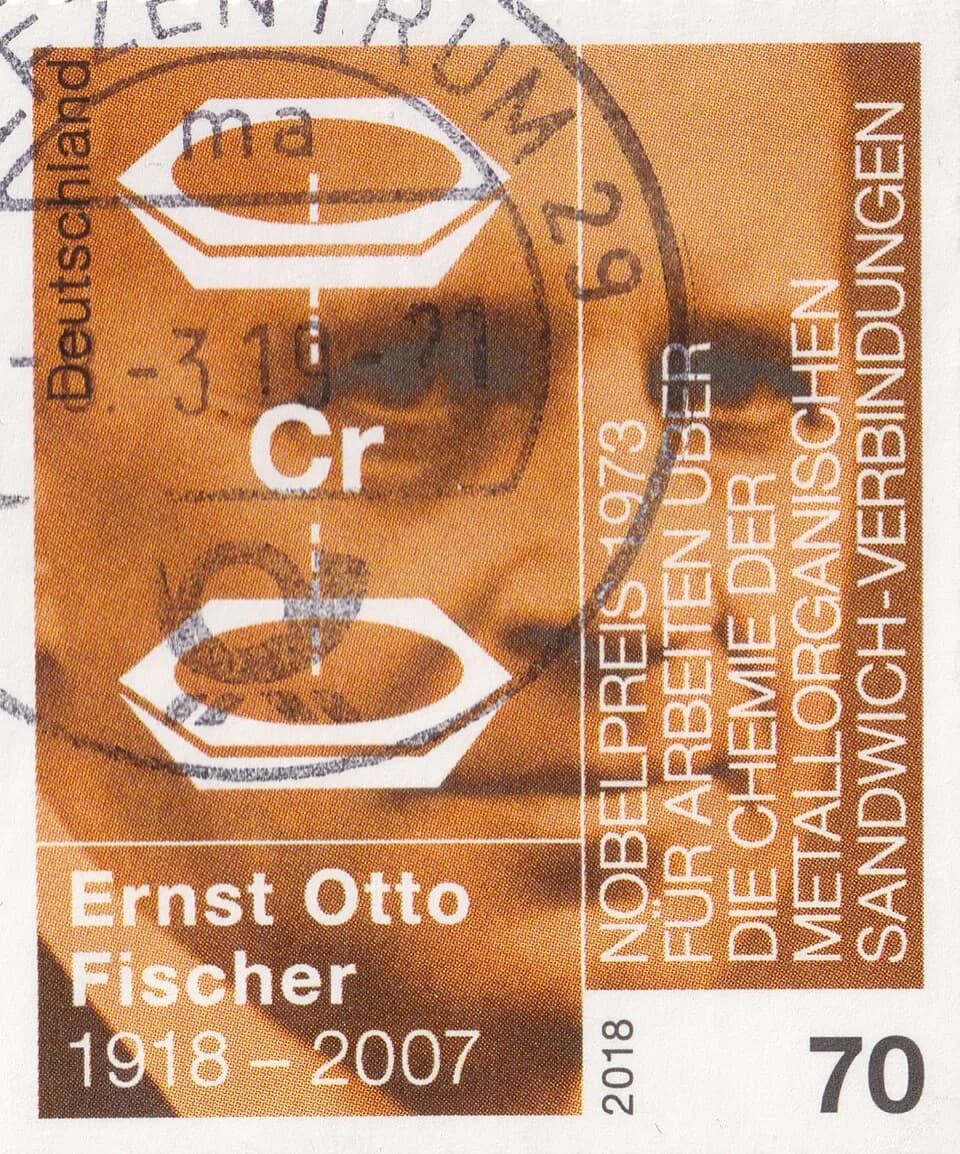
0. fejezet
Élet fejezetei
1. fejezet · 1918· 1. fejezet a(z) 7-ből
Opening
Ernst Otto Fischer (November 10, 1918 – July 23, 2007) was a distinguished German chemist and university teacher. He is celebrated for his significant contributions to the field of organometallic chemistry, a specialty that earned him global recognition. His pioneering work fundamentally reshaped scientific understanding of chemical bonding.
2. fejezet · 1918· 2. fejezet a(z) 7-ből
Early Life and Origins
Ernst Otto Fischer was born in Solln, Germany, on November 10, 1918, during a period of considerable historical change. While specific details of his early family life and upbringing are not extensively documented, his formative years in Germany likely fostered an early interest in scientific inquiry. This early environment served as the initial foundation for his remarkable career in chemistry.
3. fejezet· 3. fejezet a(z) 7-ből
Career Beginnings
Fischer dedicated his early professional life to rigorous academic study and scientific research within the realm of chemistry. His academic path culminated in his role as a respected university teacher, where he shared his knowledge and passion with aspiring scientists. This steadfast commitment to education and research established the groundwork for his future, critically acclaimed discoveries.
4. fejezet · 1973· 4. fejezet a(z) 7-ből
Major Achievements and Career Highlights
A career-defining moment for Fischer occurred in 1973 when he was jointly awarded the Nobel Prize in Chemistry. This prestigious award acknowledged his pioneering and independently performed work on the chemistry of organometallic compounds. The Nobel Committee specifically recognized his essential contributions to understanding "sandwich compounds."
His innovative research offered novel insights into how metal atoms interact with organic molecules, leading to the identification of entirely new classes of chemical structures. This recognition not only elevated his profile but also highlighted the scientific rigor and originality inherent in his work. The Nobel Prize firmly established him as a leading authority in organometallic chemistry.
5. fejezet· 5. fejezet a(z) 7-ből
Notable Works or Contributions
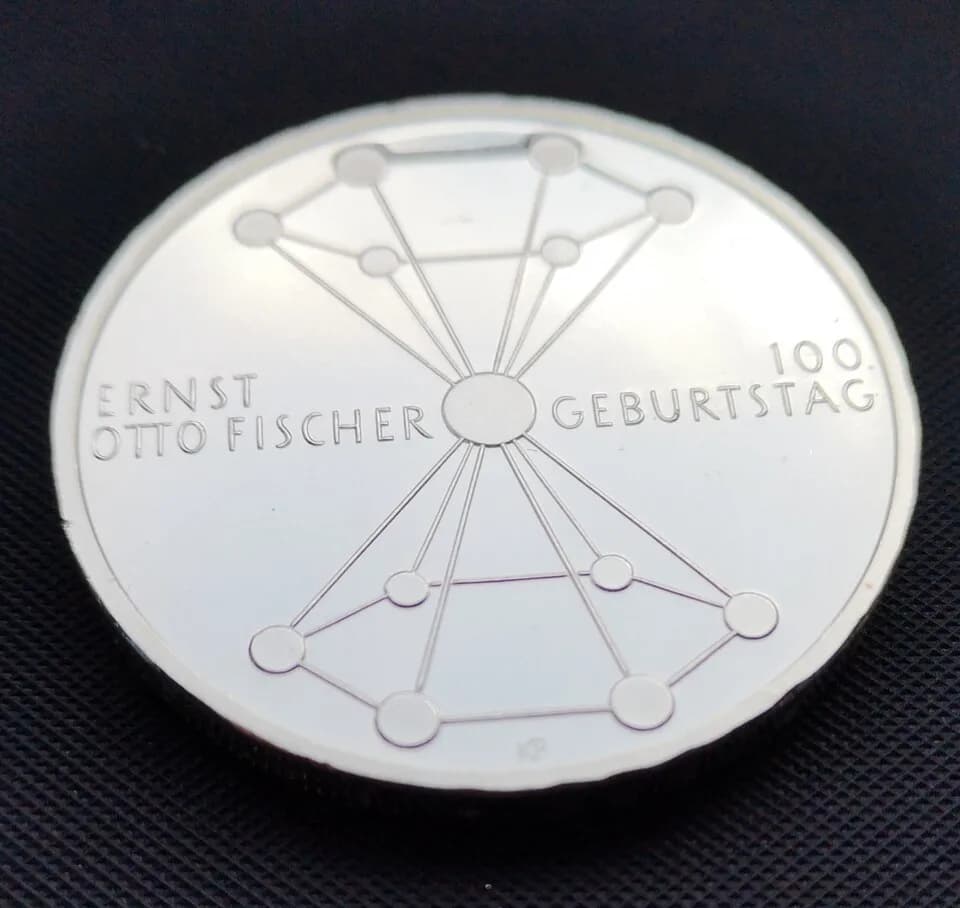
The cornerstone of Fischer's scientific output was his detailed investigation into organometallic "sandwich compounds." These distinctive chemical structures feature a central metal atom positioned between two planar organic ring ligands. His studies elucidated the precise methods for their synthesis, their molecular structures, and their unique chemical reactivities.
The insights gleaned from this research propelled the advancement of new techniques in chemical synthesis and catalysis. It influenced subsequent developments in both academic laboratories and industrial applications, showcasing the practical utility of his theoretical discoveries. His foundational work continues to guide research in modern chemistry and materials science.
6. fejezet · 2007· 6. fejezet a(z) 7-ből
Later Years
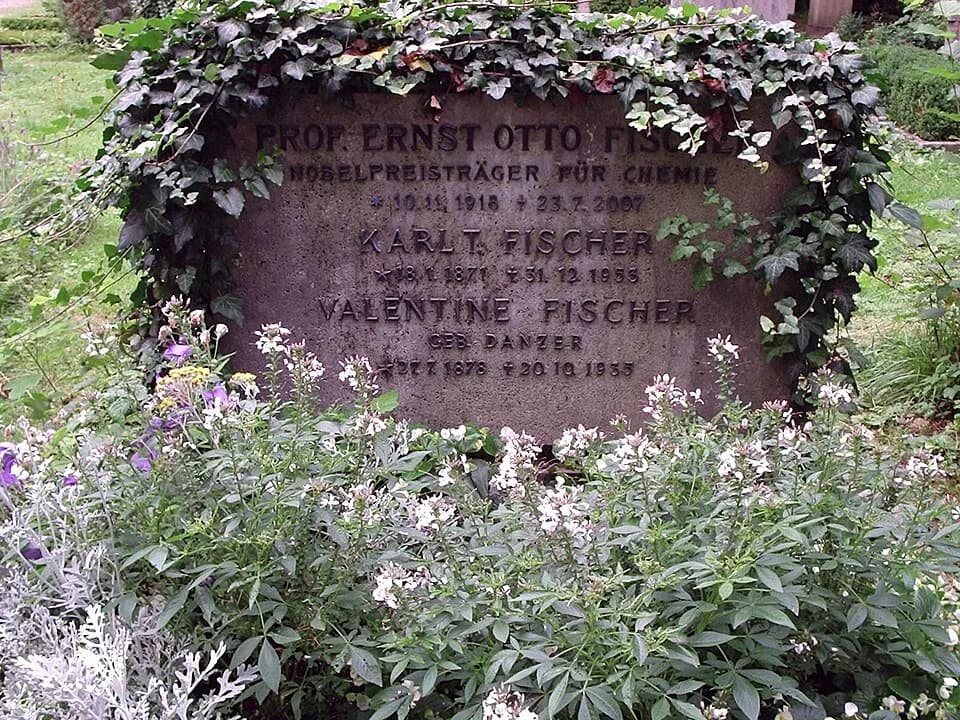
Ernst Otto Fischer continued his dedicated pursuits as a chemist and university teacher throughout his later life. He passed away in Munich, Germany, on July 23, 2007, at the age of 88. His long and productive life was characterized by sustained intellectual curiosity and an unwavering commitment to scientific exploration.
Even following his Nobel recognition, he remained an active and highly esteemed voice within the global scientific community. His final years reflected a career consistently devoted to the advancement of chemical knowledge and the education of future generations.
7. fejezet· 7. fejezet a(z) 7-ből
Legacy and Impact
Ernst Otto Fischer's enduring legacy is indelibly etched into the history of chemistry, particularly within the specialized field of organometallic chemistry. His seminal work on sandwich compounds fundamentally transformed how chemists conceptualized and engaged with chemical bonding. This research laid the essential groundwork for countless subsequent discoveries and practical applications.
He is remembered not solely as a Nobel laureate but also as an inspiring university teacher who significantly expanded scientific understanding. His influence persists through the fundamental principles he established, which remain indispensable to contemporary chemical research and education.
GYIK
Gyakran kérdezett
Mikor halt meg Ernst Otto Fischer?
Ernst Otto Fischer 2007. július 23. Munich, Germany-ban halt meg, 88 éves korában.
Hol született Ernst Otto Fischer?
Ernst Otto Fischer Solln, Germany-ban született, 1918. november 10..
Miről ismert leginkább Ernst Otto Fischer?
Ernst Otto Fischer leginkább arról ismert, hogy German chemist.
Hány éves volt Ernst Otto Fischer, amikor meghalt?
Ernst Otto Fischer 88 éves volt halálakor.
Milyen nemzetiségű volt Ernst Otto Fischer?
Ernst Otto Fischer Germany származású volt.
Idővonal
Élet egy pillantásra
Fotógaléria
Egy élet képekben
Kattintson bármely polaroidra a kibontáshoz · 22 fénykép
QR-kód
Életrajz megosztása
Nyomtatás és megosztás
Olvassa be az életrajz oldalának megnyitásához. Nyomtassa ki rendezvényekre, kiállításokra vagy oktatási anyagokhoz.