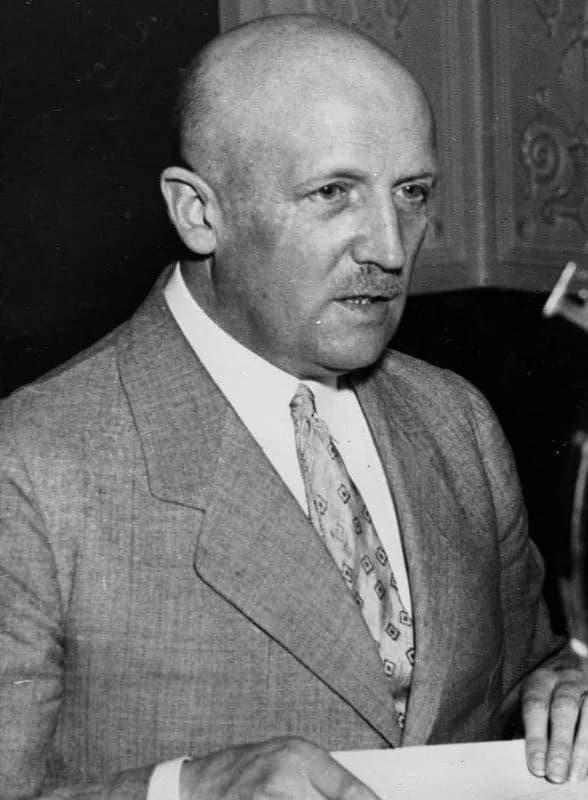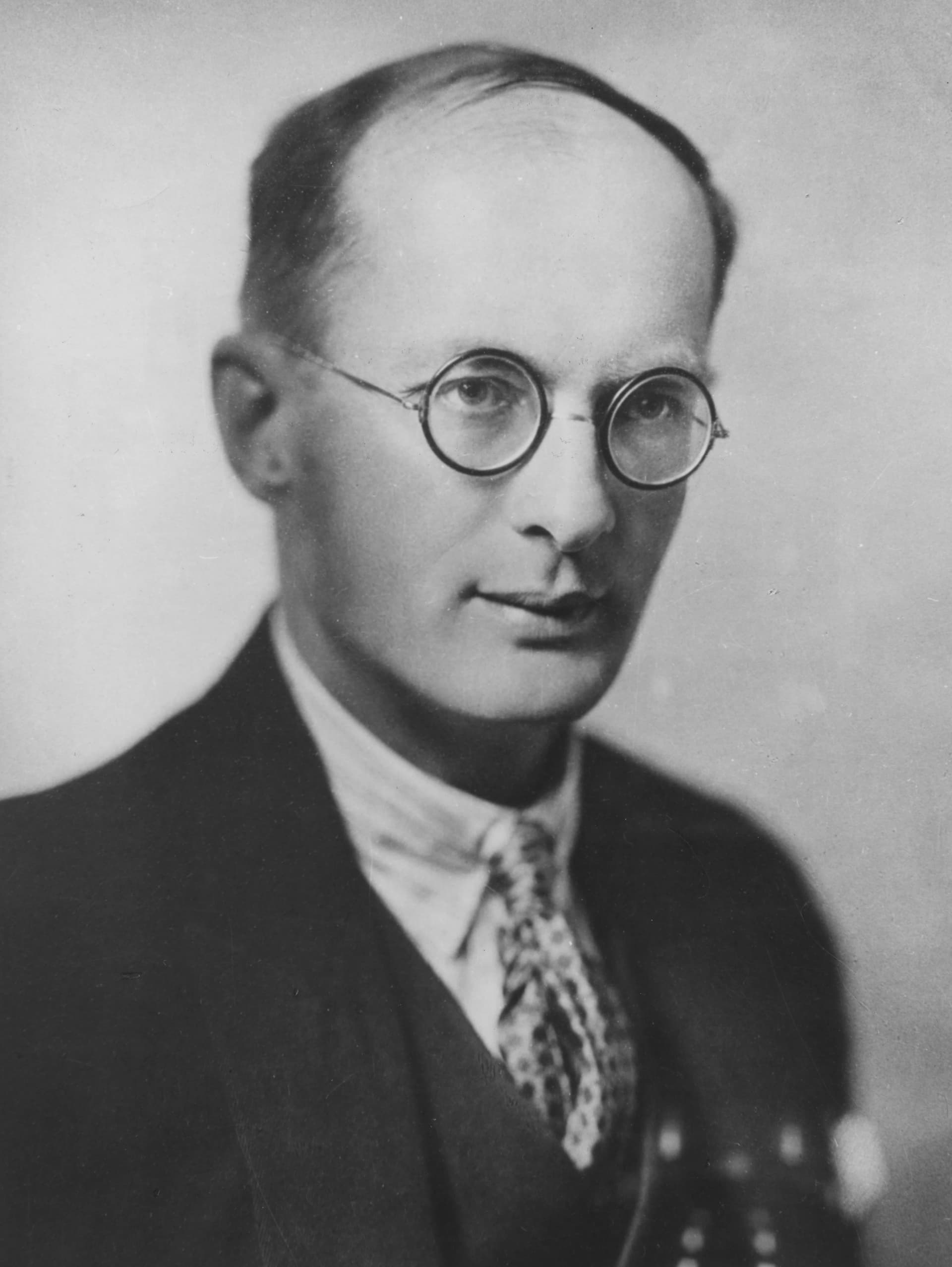
Született
April 7, 1884
Kraków, Poland
Elhunyt
May 16, 1942
New Haven, United States
Ismert mint
Polish anthropologist and ethnographer based in England and the USA
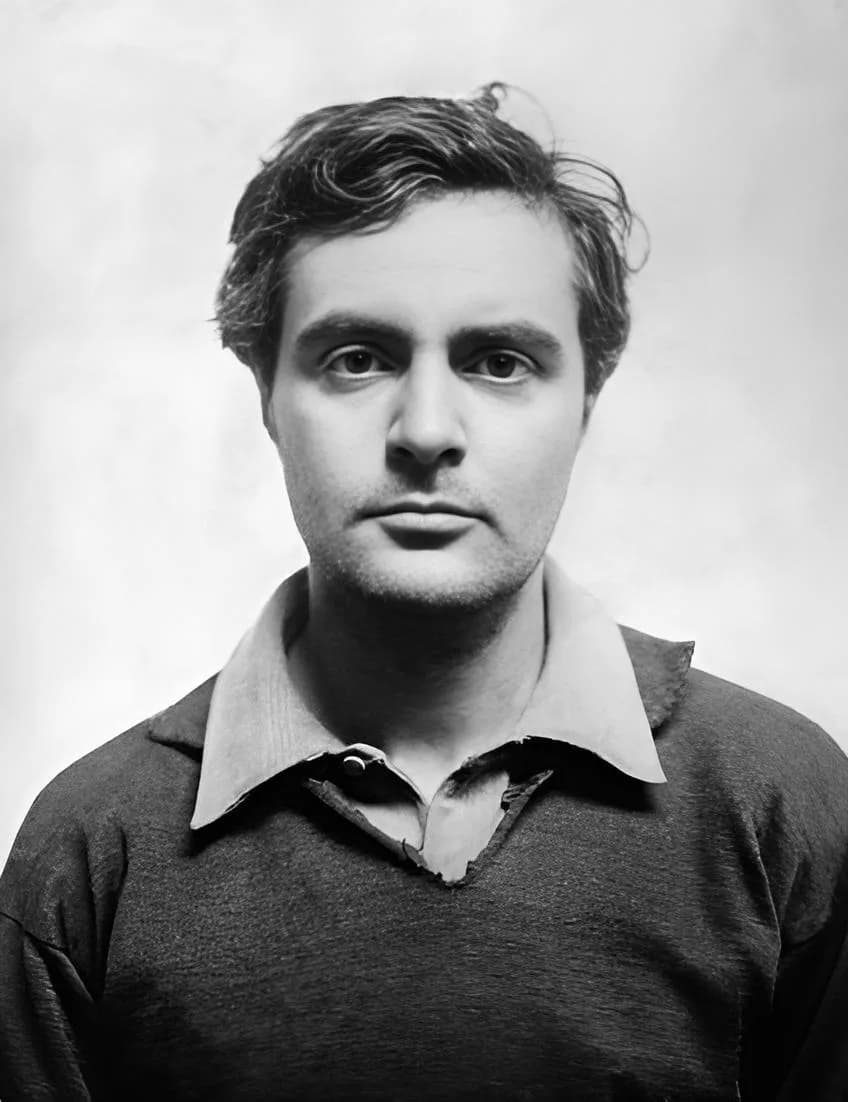
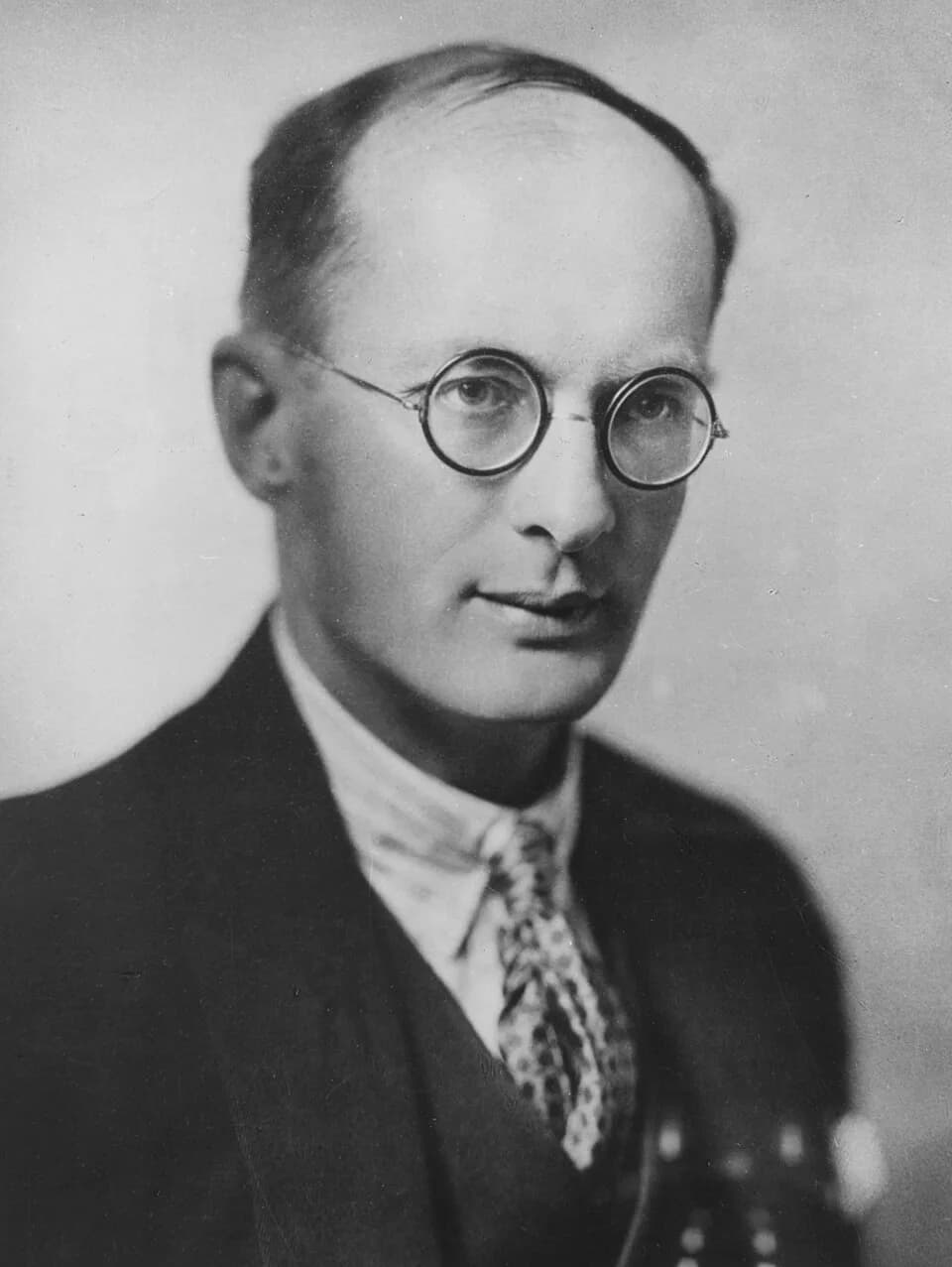
Bronisław Malinowski (1884–1942) was Poland best known for Polish anthropologist and ethnographer based in England and the USA.
Bronisław Malinowski (April 7, 1884 – May 16, 1942) was a Polish anthropologist and ethnographer. His seminal work laid foundations for modern field research and functionalist theory. Malinowski's writings continue to influence the discipline.
Egy élet pillanatokban
A pillanatok, amelyek egy életet alakítottak
0. fejezet
Élet fejezetei
1. fejezet· 1. fejezet a(z) 7-ből
Early Life and Origins
Bronisław Kasper Malinowski began his journey in Kraków, Poland, where he was born. His early life in Poland set the stage for a distinguished academic career spanning multiple disciplines. He cultivated an intellectual curiosity from a young age, which would later drive his pioneering efforts in ethnography.
2. fejezet· 2. fejezet a(z) 7-ből
Career Beginnings
Malinowski’s academic pursuits initially led him to explore a variety of fields, laying a broad foundation for his future specialization. He became known for his diverse professional roles, including photographer, ethnologist, and university teacher. These early experiences honed his observational skills and prepared him for rigorous fieldwork.
He developed expertise as a sociologist, anthropologist, and social anthropologist, demonstrating a deep commitment to understanding human behavior and cultural structures. His methodological rigor would soon distinguish him from his contemporaries. This interdisciplinary training fostered a unique perspective on the study of human societies.
3. fejezet· 3. fejezet a(z) 7-ből
Major Achievements and Career Highlights
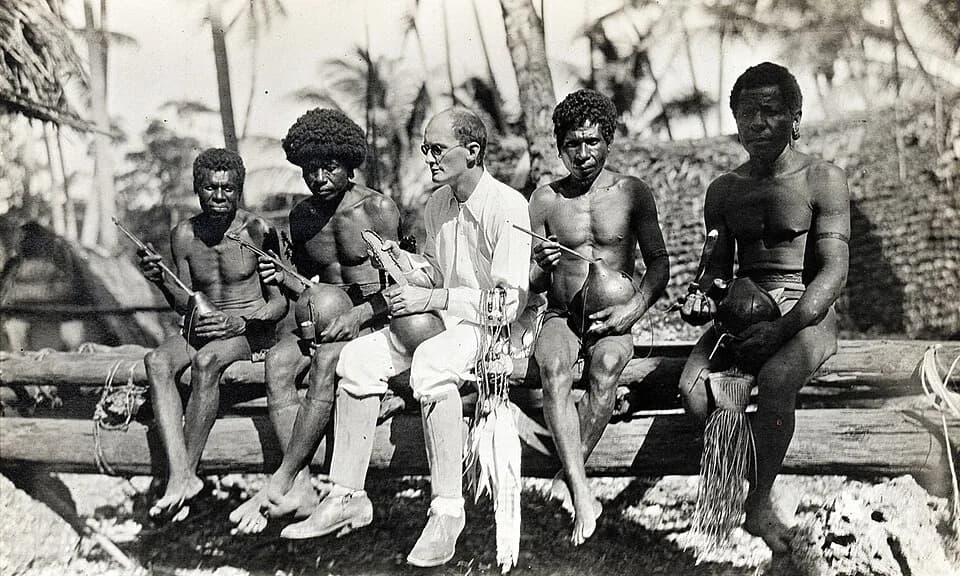
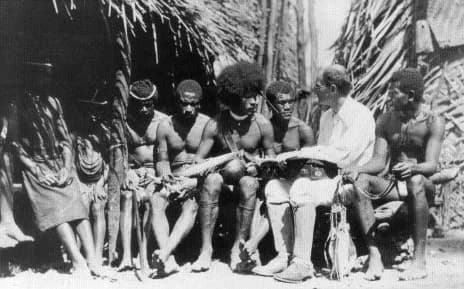
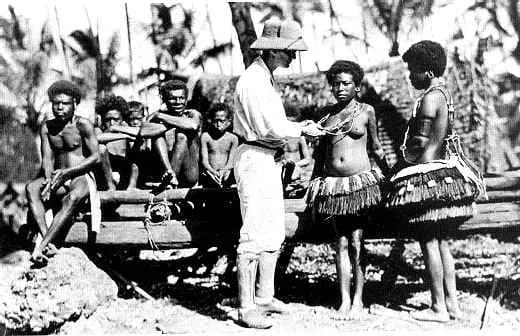
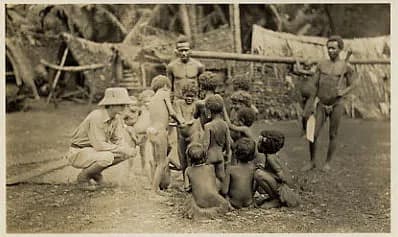
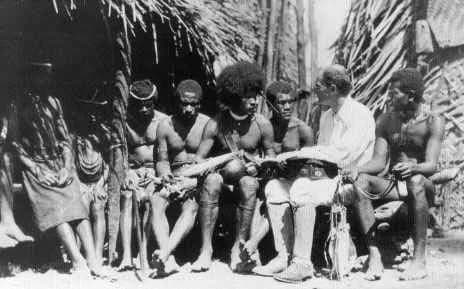
Malinowski is widely recognized as a central figure in modern anthropology, particularly for his contributions to ethnography and social theory. His innovative approach to field research set new standards for immersive cultural study. He advocated for extended stays in local communities, learning indigenous languages, and directly participating in daily life.
His career saw him based in both England and the USA, where he exerted significant academic influence. He published 141 papers throughout his career, demonstrating a prolific and sustained output. Malinowski's h-index of 37 speaks to the substantial reception and citation of his scholarly work across the field.
4. fejezet· 4. fejezet a(z) 7-ből
Personal Life
While details of his personal relationships are not extensively documented in the provided information, Malinowski's life was undeniably shaped by his profound dedication to scholarship. His professional travels and immersive fieldwork experiences often blurred the lines between his academic pursuits and daily existence. He dedicated his life to uncovering the complexities of human cultures.
5. fejezet· 5. fejezet a(z) 7-ből
Notable Works or Contributions
Among his impactful contributions, Malinowski's writings on the 'Kula ring' stand out, illustrating a complex system of ceremonial exchange among island communities. Though some specific entries were later dated, the study of the Kula ring became a classic example of his detailed ethnographic analysis. This work illuminated the functional aspects of seemingly irrational practices.
His academic publications, though some with fewer citations in specific recent listings, reflect a continuous engagement with core anthropological questions. Works such as 'The Meaning of Meaningless Words and the Coefficient of Weirdness' show his interest in the nuances of language and cultural expression. He also explored 'The Language of Magic,' contributing to the understanding of ritual and belief systems.
Malinowski’s commitment to recording native perspectives is further evidenced by projects like 'An Index of Native Terms by Mario Bick,' which, though a later publication, stems from his ethnographic philosophy. These works underscore his dedication to meticulous documentation and interpretation of cultural data. His influence extended to students and colleagues who carried forward his research principles.
6. fejezet· 6. fejezet a(z) 7-ből
Later Years
Bronisław Malinowski continued his academic activities into his later years, remaining a prominent voice in anthropology. His presence in the United States marked a new chapter, where he continued to teach and write. He influenced a new generation of American anthropologists with his rigorous methods and theoretical insights.
His life concluded in New Haven, United States, on May 16, 1942. Even in his final years, Malinowski was actively engaged in intellectual pursuits, leaving a legacy of inquiry and discovery. His passing marked the end of an era for many who followed his work.
7. fejezet· 7. fejezet a(z) 7-ből
Legacy and Impact
Bronisław Malinowski's enduring legacy is firmly rooted in his innovative approach to ethnographic field research. He established the standard for participant observation, urging anthropologists to live among the people they studied for extended periods. This method fundamentally transformed how cultural data was collected and interpreted.
His theoretical contributions, particularly in functionalism, posited that every aspect of a culture serves a specific function to meet human needs. This perspective provided a coherent framework for analyzing social institutions and practices. Malinowski's influence is seen in countless studies that prioritize understanding the internal logic of cultural systems.
Malinowski's writings on ethnography, social theory, and field research continue to be foundational texts in anthropology classrooms worldwide. His intellectual courage and methodological rigor ensured that his work transcended his lifetime. He remains a guiding force for those seeking to understand the diverse expressions of human experience.
GYIK
Gyakran kérdezett
Mikor halt meg Bronisław Malinowski?
Bronisław Malinowski 1942. május 16. New Haven, United States-ban halt meg, 58 éves korában.
Hol született Bronisław Malinowski?
Bronisław Malinowski Kraków, Poland-ban született, 1884. április 7..
Miről ismert leginkább Bronisław Malinowski?
Bronisław Malinowski leginkább arról ismert, hogy Polish anthropologist and ethnographer based in England and the USA.
Hány éves volt Bronisław Malinowski, amikor meghalt?
Bronisław Malinowski 58 éves volt halálakor.
Milyen nemzetiségű volt Bronisław Malinowski?
Bronisław Malinowski Poland származású volt.
Fotógaléria
Egy élet képekben
Kattintson bármely polaroidra a kibontáshoz · 48 fénykép
QR-kód
Életrajz megosztása
Nyomtatás és megosztás
Olvassa be az életrajz oldalának megnyitásához. Nyomtassa ki rendezvényekre, kiállításokra vagy oktatási anyagokhoz.