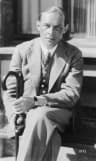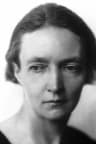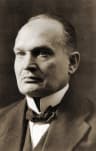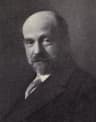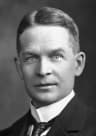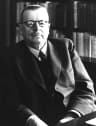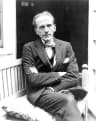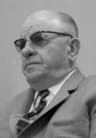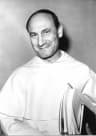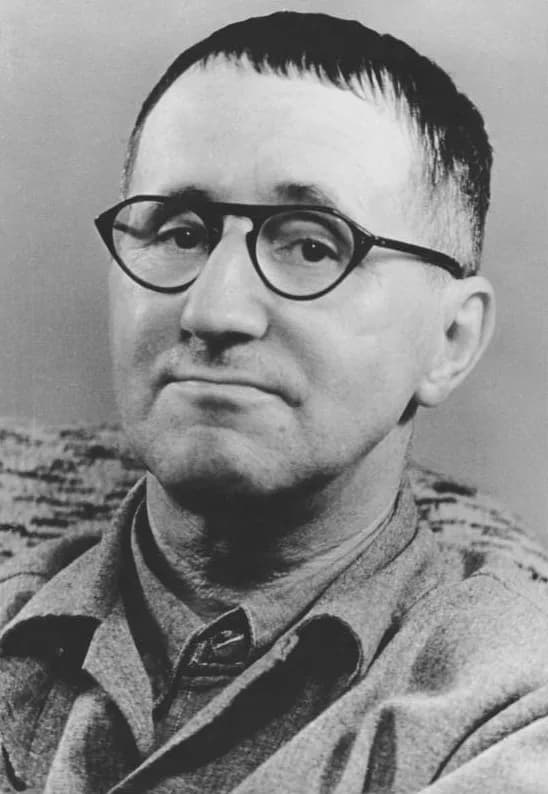
Született
February 10, 1898
Augsburg, Germany
Elhunyt
August 14, 1956
East Berlin, German Democratic Republic
Ismert mint
German poet, playwright, and theatre director
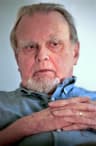
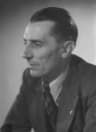
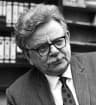
Bertolt Brecht (1898–1956) was Germany best known for German poet, playwright, and theatre director.
Bertolt Brecht (February 10, 1898 – August 14, 1956) was a German poet, playwright, and theatre director from Augsburg. He was a leading theoretician of epic theatre and the Verfremdungseffekt, known for works like <em>The Threepenny Opera</em>. His revolutionary approach to drama profoundly influenced 20th-century theatre.
0. fejezet
Élet fejezetei
1. fejezet · 1898· 1. fejezet a(z) 7-ből
Early Life and Origins
Eugen Berthold Friedrich Brecht, who would later become universally known as Bertolt Brecht or Bert Brecht, was born in Augsburg, Germany. His birth on February 10, 1898, marked the beginning of a life dedicated to artistic and intellectual pursuits. Augsburg, a city with a rich historical background, provided the initial backdrop for his early years and nascent creative stirrings.
2. fejezet · 1924· 2. fejezet a(z) 7-ből
Career Beginnings
Brecht came of age during the tumultuous yet creatively fertile period of the Weimar Republic in Germany. It was during this time that he first achieved success as a playwright in the cultural hub of Munich. A significant turning point in his career occurred in 1924 when he moved to Berlin, a city that would become central to his artistic development and collaborations.
In Berlin, Brecht quickly made his mark, notably collaborating with Elisabeth Hauptmann and Kurt Weill on the groundbreaking The Threepenny Opera. This period also saw him begin a lifelong creative partnership with the accomplished composer Hanns Eisler. Immersed in Marxist thought during these formative years, Brecht started crafting didactic Lehrstücke, plays designed to educate audiences on social and political themes.
3. fejezet· 3. fejezet a(z) 7-ből
Major Achievements and Career Highlights
Bertolt Brecht became a leading theoretician of epic theatre, a revolutionary dramatic approach that sought to engage audiences intellectually rather than emotionally. He developed the concept of the Verfremdungseffekt, often translated as the "distancing effect" or "alienation effect," which aimed to make familiar situations strange and thus provoke critical thought. This technique became a hallmark of his plays and a cornerstone of modern theatrical theory.
His contributions extended beyond playwriting; Brecht was also a celebrated theatrical director, bringing his theoretical ideas to life on stage. His work as a film director, screenwriter, and literary critic further showcased his versatile talents across various artistic disciplines. Through these efforts, he solidified his reputation as a German theatre practitioner of immense influence.
4. fejezet· 4. fejezet a(z) 7-ből
Personal Life
Information regarding Bertolt Brecht's personal life, including specific family details or relationships, is not extensively detailed within the provided biographical data. His public life was predominantly defined by his transformative contributions to theatre, poetry, and dramatic theory. While personal insights are not available here, his professional collaborations and intellectual pursuits remained central to his existence.
5. fejezet· 5. fejezet a(z) 7-ből
Notable Works or Contributions
Brecht's bibliography includes a wide array of significant works that continue to be studied and performed globally. Among his most celebrated pieces is The Threepenny Opera, a musical drama that critiques capitalist society through its distinctive style. Other notable titles include Die heilige Johanna der Schlachthöfe, exploring themes of capitalism and spirituality, and The private life of the master race, a powerful commentary on life under Nazism.
His prolific output also encompassed Schriften zur Politik und Gesellschaft, a collection of writings on politics and society, and the experimental Versuche .... Further works like al-Istithnāʾ wa-al-qāʻidah, G'ungel he-ʻarim, and Der Ozeanflug demonstrate his diverse range as a writer and lyricist. These works, alongside his theoretical writings on epic theatre, have left an enduring mark on literature and performance.
6. fejezet · 1956· 6. fejezet a(z) 7-ből
Later Years
Bertolt Brecht continued his impactful work as a writer, poet, and director throughout his life. He passed away on August 14, 1956, in East Berlin, which was then part of the German Democratic Republic. His death in East Berlin marked the end of a career that spanned decades of dramatic innovation and intellectual engagement, leaving behind a rich artistic legacy.
7. fejezet· 7. fejezet a(z) 7-ből
Legacy and Impact
The influence of Bertolt Brecht as a German theatre practitioner, playwright, and poet is immense and far-reaching. He revolutionized theatrical conventions through his development of epic theatre and the Verfremdungseffekt, concepts that continue to be taught and applied in drama studies worldwide. His plays are regularly performed, studied, and adapted, ensuring his ideas remain vibrant and relevant.
Brecht's critical examination of society, politics, and human behavior through his art has inspired countless artists and thinkers. He remains a seminal figure in 20th-century literature and theatre, celebrated for his courage to innovate and his unwavering commitment to using art as a tool for understanding and questioning the world. His legacy endures as a testament to the power of theatre to provoke thought and inspire change.
Egy élet pillanatokban
A pillanatok, amelyek egy életet alakítottak
GYIK
Gyakran kérdezett
Mikor halt meg Bertolt Brecht?
Bertolt Brecht 1956. augusztus 14. East Berlin, German Democratic Republic-ban halt meg, 58 éves korában.
Hol született Bertolt Brecht?
Bertolt Brecht Augsburg, Germany-ban született, 1898. február 10..
Miről ismert leginkább Bertolt Brecht?
Bertolt Brecht leginkább arról ismert, hogy German poet, playwright, and theatre director.
Hány éves volt Bertolt Brecht, amikor meghalt?
Bertolt Brecht 58 éves volt halálakor.
Milyen nemzetiségű volt Bertolt Brecht?
Bertolt Brecht Germany származású volt.
Idővonal
Élet egy pillantásra
Fotógaléria
Egy élet képekben
Kattintson bármely polaroidra a kibontáshoz · 42 fénykép
QR-kód
Életrajz megosztása
Nyomtatás és megosztás
Olvassa be az életrajz oldalának megnyitásához. Nyomtassa ki rendezvényekre, kiállításokra vagy oktatási anyagokhoz.