Született
April 19, 1939
Mashhad, Iran
Elhunyt
February 28, 2026
Tehran, Iran
Ismert mint
cleric and former Supreme Leader of Iran from 1989 to 2026
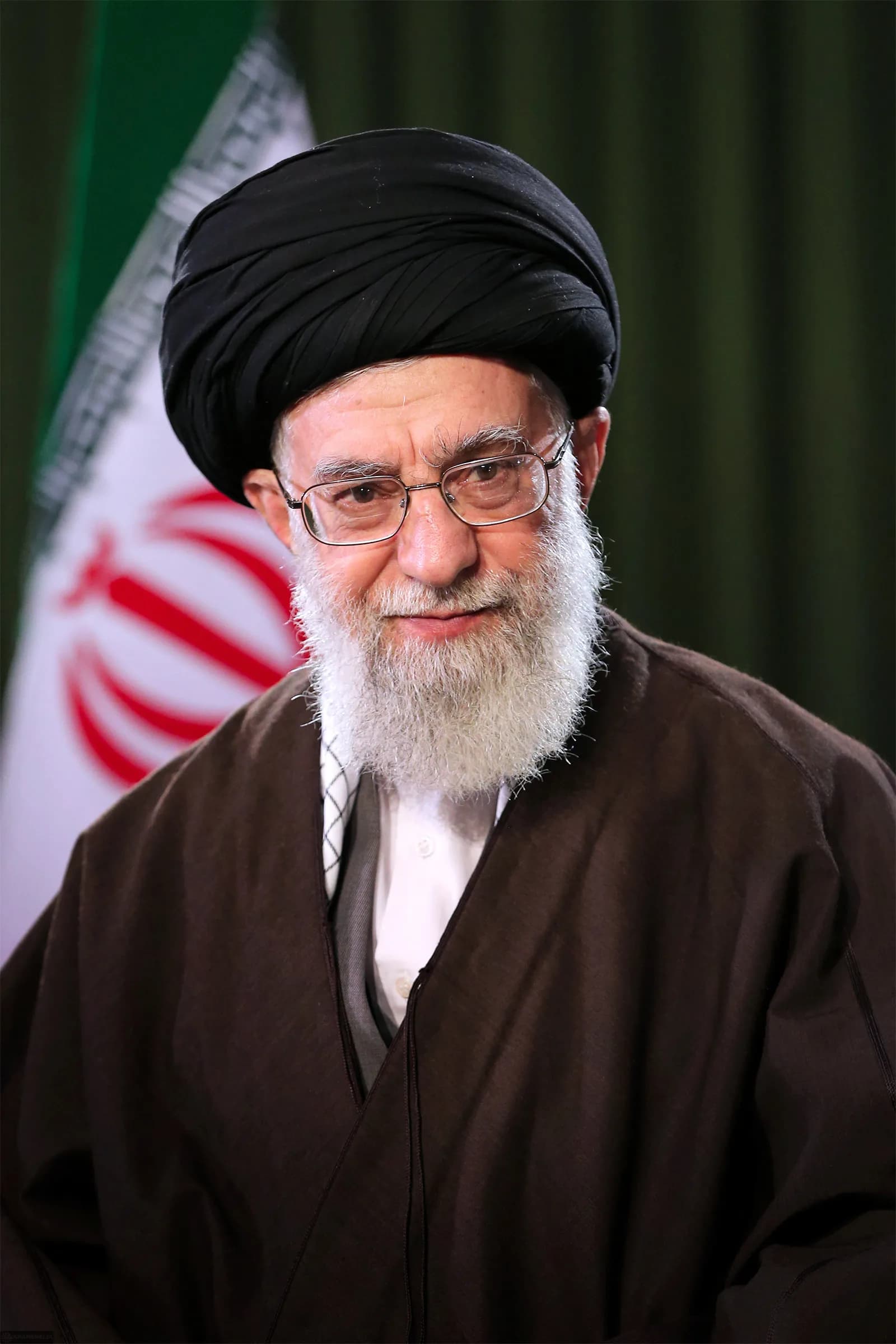
Ali Khamenei (1939–2026) was Iran best known for cleric and former Supreme Leader of Iran from 1989 to 2026.
Ali Khamenei (April 19, 1939 – February 28, 2026) was a prominent cleric and politician from Mashhad, Iran. He served as the Supreme Leader of Iran for 36 years, becoming the longest-serving head of state in West Asia. His extensive leadership profoundly influenced the nation's trajectory.
0. fejezet
Élet fejezetei
1. fejezet· 1. fejezet a(z) 7-ből
Early Life and Origins
Born into the respected Khamenei family in Mashhad, Iran, Ali Khamenei's early life was rooted in a strong religious and cultural environment. The Khamenei family held the esteemed title of Grand Ayatollah, indicating a lineage steeped in Shia Islamic scholarship. His upbringing in this historical city of Mashhad provided a foundational education that prepared him for his future roles in both religious and political leadership. This background undoubtedly contributed to his profound understanding of Islamic principles and Iranian society.
2. fejezet · 1981· 2. fejezet a(z) 7-ből
Career Beginnings
Ali Khamenei's public career began within the clerical establishment, where he developed into a recognized Islamic jurist. His early work as a cleric laid the groundwork for his eventual transition into the political arena. He ascended to national prominence by serving as the third president of Iran, a crucial eight-year period from 1981 to 1989. This experience in executive leadership was pivotal, allowing him to gain significant governmental experience before assuming the ultimate spiritual and political authority.
3. fejezet · 1989· 3. fejezet a(z) 7-ből
Major Achievements and Career Highlights
The cornerstone of Ali Khamenei's career was his 36-year tenure as the second Supreme Leader of Iran, a role he undertook from 1989 until his passing in 2026. This extraordinary period of leadership made him the longest-serving head of state in West Asia at the time of his death. Under his guidance, Iran navigated complex geopolitical challenges and internal developments, solidifying his central role in the nation's political identity. His long service marked a defining era for the Islamic Republic.
4. fejezet· 4. fejezet a(z) 7-ből
Personal Interests and Pursuits
Beyond his demanding roles in governance and religious scholarship, Ali Khamenei demonstrated a rich intellectual and creative life. He was known to be a prolific writer and a poet, engaging with literature as a means of expression and reflection. His work as a translator further underscored his dedication to intellectual exchange and the dissemination of knowledge across cultural and linguistic boundaries. These personal pursuits provided a glimpse into his broader contributions beyond politics and religious jurisprudence.
5. fejezet· 5. fejezet a(z) 7-ből
Notable Works and Contributions
Ali Khamenei's extensive literary output covered a wide array of religious, social, and practical subjects. His bibliography includes important Islamic texts such as "Miscellaneous Fatwas," a collection of religious rulings, and "Essence of Tawhid," which delves into the fundamental concept of monotheism. He also authored "Governance of the Divinely-Sanctioned Social Order under Conditions of Religious Solidarity," a significant multi-volume work addressing societal order from an Islamic perspective, including Volume 3. Other notable works include "Monotheism (Tawhid)," "Practical Laws of Islam," and "Manasik Al-Hajj," a guide for pilgrims. His diverse interests also led to works like "Future in Islam Dominion," "250 Years Old Person," and the intriguingly practical "101 Tips for a Happy Marriage."
6. fejezet · 2026· 6. fejezet a(z) 7-ből
Later Years
Ali Khamenei continued to serve as the Supreme Leader of Iran throughout his later years, maintaining his leadership responsibilities until his death on February 28, 2026. He passed away in Tehran, Iran, the capital city where he had exercised his extensive duties for decades. Even in his final years, he remained actively involved in guiding the nation, presiding over significant state affairs and continuing to influence the course of Iranian society. His dedication to his role remained unwavering until the very end of his long and distinguished life.
7. fejezet· 7. fejezet a(z) 7-ből
Legacy and Impact
The legacy of Ali Khamenei is deeply intertwined with the modern history of Iran and the broader West Asian region. As the longest-serving head of state in West Asia at the time of his death, his long tenure as Supreme Leader ensured his policies and ideological framework left an undeniable mark on the country. His leadership solidified the foundations of the Islamic Republic, profoundly influencing its political, social, and religious trajectories for generations. His passing marked the end of an era, but his teachings and decisions continue to be a subject of study and influence.
Egy élet pillanatokban
A pillanatok, amelyek egy életet alakítottak
GYIK
Gyakran kérdezett
Mikor halt meg Ali Khamenei?
Ali Khamenei 2026. február 28. Tehran, Iran-ban halt meg, 86 éves korában.
Hol született Ali Khamenei?
Ali Khamenei Mashhad, Iran-ban született, 1939. április 19..
Miről ismert leginkább Ali Khamenei?
Ali Khamenei leginkább arról ismert, hogy cleric and former Supreme Leader of Iran from 1989 to 2026.
Hány éves volt Ali Khamenei, amikor meghalt?
Ali Khamenei 86 éves volt halálakor.
Milyen nemzetiségű volt Ali Khamenei?
Ali Khamenei Iran származású volt.
Idővonal
Élet egy pillantásra
Fotógaléria
Egy élet képekben
Kattintson bármely polaroidra a kibontáshoz · 25 fénykép
QR-kód
Életrajz megosztása
Nyomtatás és megosztás
Olvassa be az életrajz oldalának megnyitásához. Nyomtassa ki rendezvényekre, kiállításokra vagy oktatási anyagokhoz.