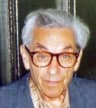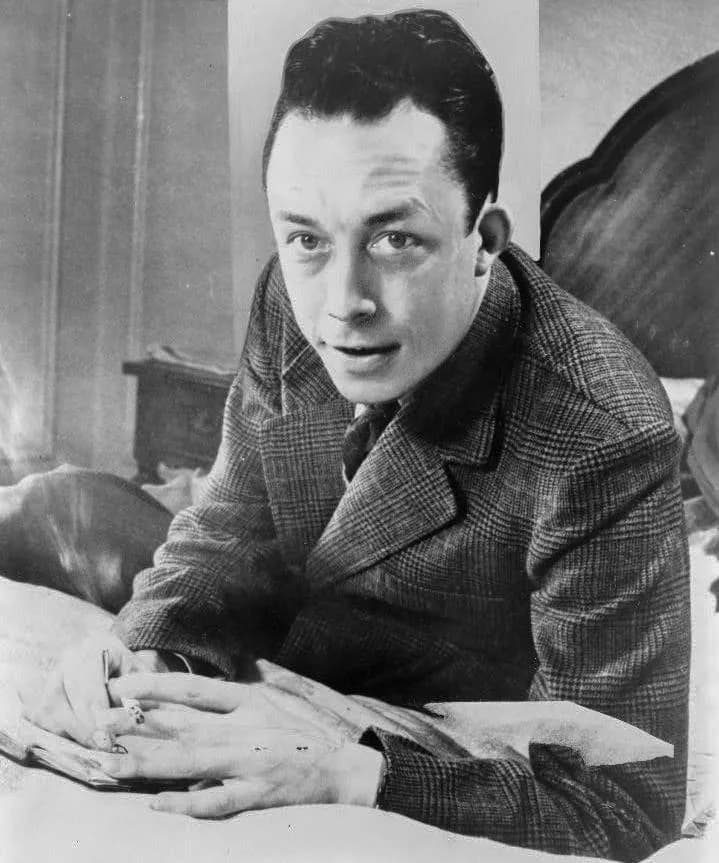
Született
November 7, 1913
Dréan, Algeria
Elhunyt
January 4, 1960
Villeblevin, France
Ismert mint
French philosopher, author, and journalist
Albert Camus (1913–1960) was Algeria best known for French philosopher, author, and journalist.
Albert Camus (November 7, 1913 – January 4, 1960) was a French philosopher, author, and journalist. He received the 1957 Nobel Prize in Literature for works illuminating the human conscience. His legacy explores existential themes through novels like *The Stranger* and *The Plague*.
0. fejezet
Élet fejezetei
1. fejezet · 1913· 1. fejezet a(z) 8-ből
Opening
Albert Camus (November 7, 1913 – January 4, 1960), a celebrated French philosopher, author, and journalist, remains a monumental figure in 20th-century intellectual history. Born in Algeria and passing in France, he challenged prevailing ideas and left an enduring legacy through his profound literary works and philosophical essays that illuminated the human condition.
2. fejezet· 2. fejezet a(z) 8-ből
Early Life and Origins
Born in Dréan, Algeria, Albert Camus experienced a modest upbringing that deeply influenced his worldview. His unique perspective as a laureate born in Africa later set him apart from many of his contemporaries. These early experiences in colonial Algeria shaped his sensibilities and provided a rich backdrop for his future literary endeavors.
3. fejezet· 3. fejezet a(z) 8-ből
Career Beginnings
Camus's professional life was diverse, encompassing roles as a writer, poet, playwright, and journalist. He also contributed as an opinion journalist, actively engaging with contemporary issues through his incisive commentary. His early involvement as an association football player highlights a youthful vigor and a broad range of interests beyond purely academic pursuits.
4. fejezet · 1957· 4. fejezet a(z) 8-ből
Major Achievements and Career Highlights
His literary genius was formally recognized with the prestigious 1957 Nobel Prize in Literature, awarded when he was just 44 years old. This distinguished him as the second-youngest recipient in the history of the prize, and notably, the first laureate in literature born in Africa. The Nobel Committee specifically honored him "for his important literary production, which with clear-sighted earnestness illuminates the problems of the human conscience in our times."
5. fejezet· 5. fejezet a(z) 8-ből
Personal Life
Beyond his public intellectual persona, Albert Camus led a life of engagement and conviction. He was a French resistance fighter, demonstrating profound courage during a critical period in history. His commitment extended to political activism and world federalism, showcasing his deep concern for humanity's future and societal well-being.
6. fejezet· 6. fejezet a(z) 8-ből
Notable Works or Contributions
Camus's bibliography includes some of the most influential works of the 20th century. His seminal novels, *The Stranger* and *The Plague*, have captivated readers worldwide with their exploration of existential themes. Philosophical essays such as *The Myth of Sisyphus* and *The Rebel* established his reputation as a formidable thinker on human freedom and revolt. Other significant contributions include *The Fall*, *Noces*, and his play *La dévotion à la croix*.
7. fejezet · 1960· 7. fejezet a(z) 8-ből
Later Years
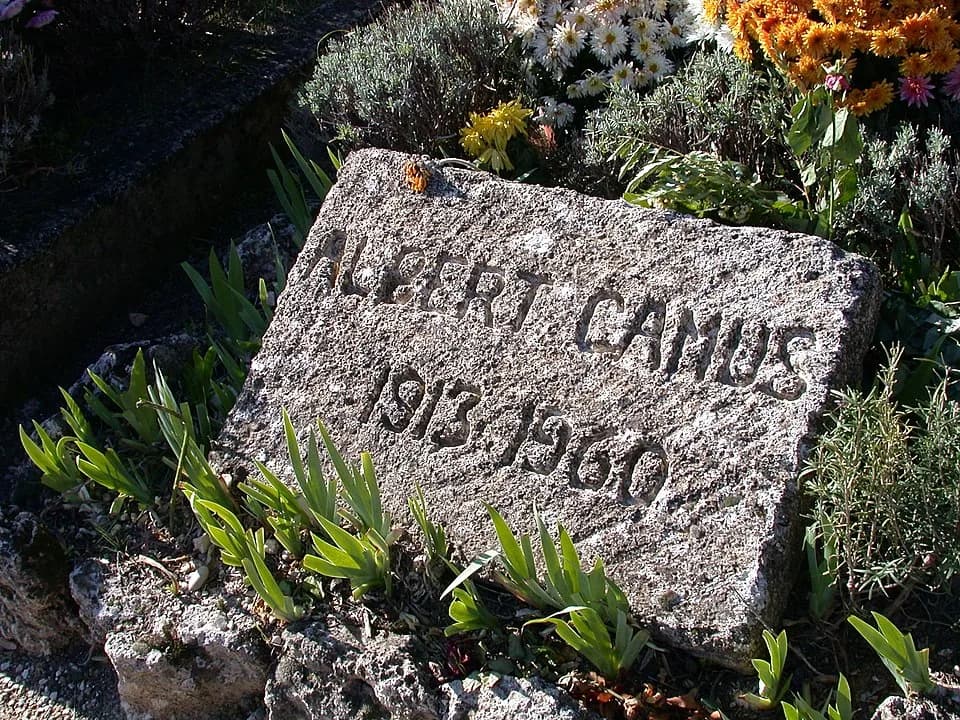
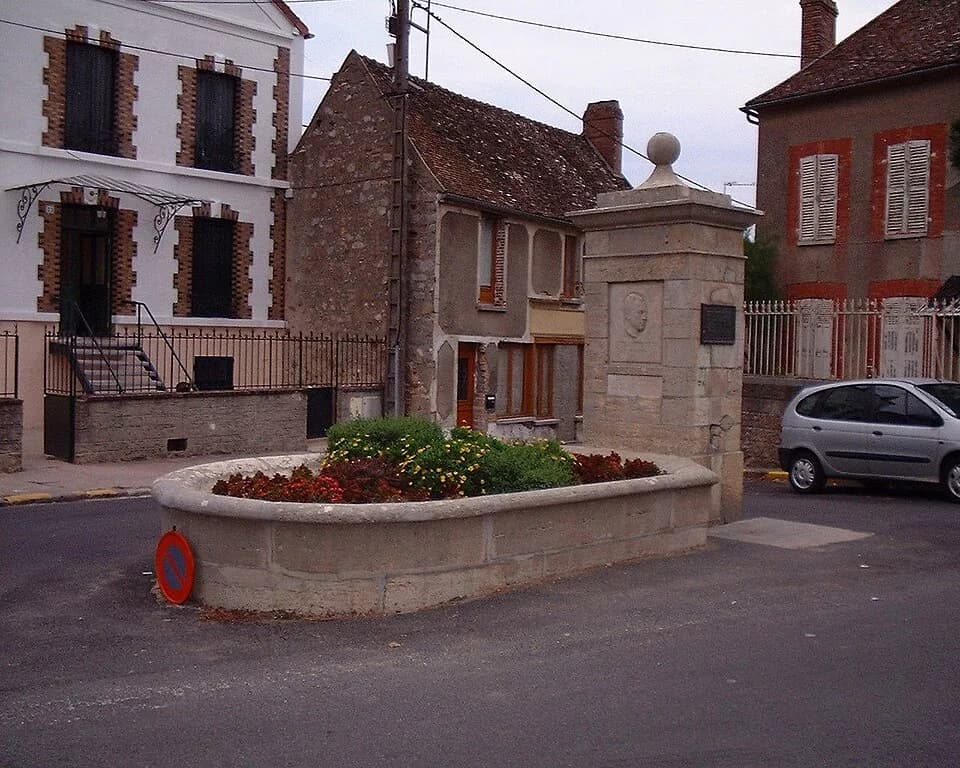
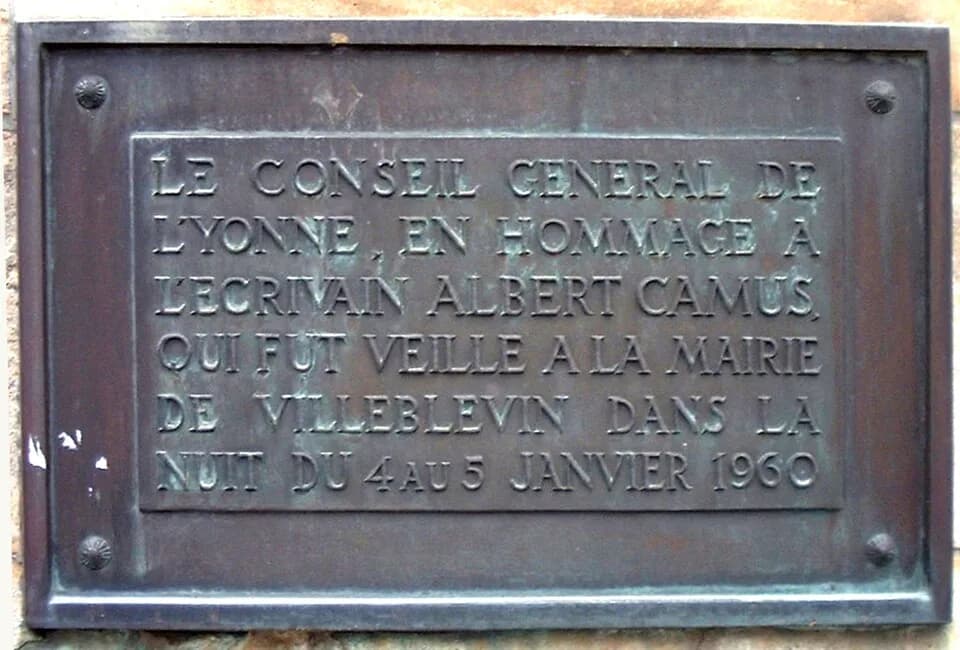
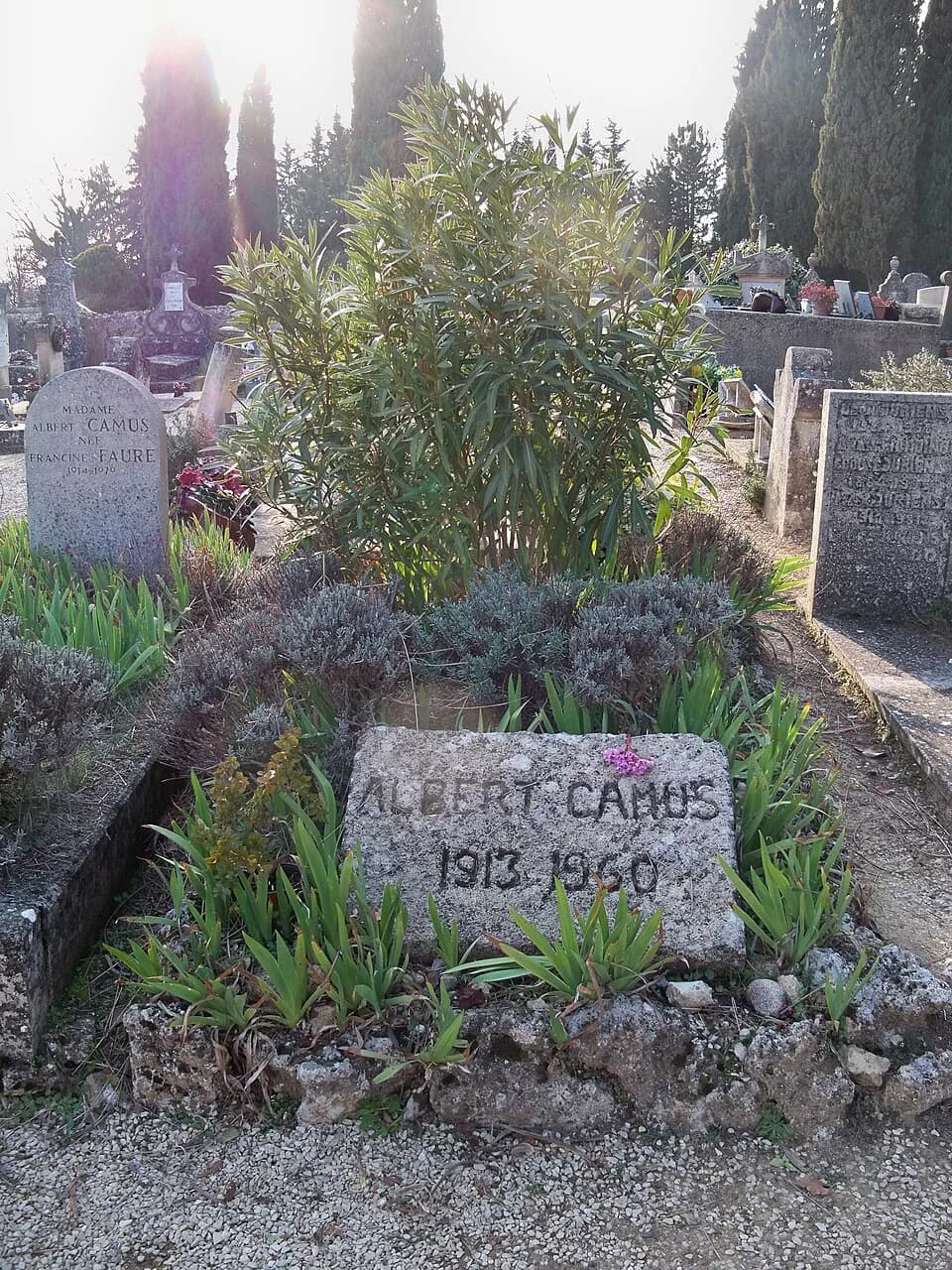
Albert Camus's vibrant life was tragically cut short at the age of 46. He died on January 4, 1960, in a car accident in Villeblevin, France, leaving behind an unfinished body of work. His untimely passing marked the end of a brilliant and impactful career that continues to resonate today.
8. fejezet· 8. fejezet a(z) 8-ből
Legacy and Impact
Albert Camus's thought continues to influence generations of readers, writers, and philosophers globally. His unique approach to existential questions, the absurd, and rebellion provides lasting insights into the human condition. He is remembered as a profound literary figure and a philosopher who earnestly confronted the ethical and moral challenges of his era.
Egy élet pillanatokban
A pillanatok, amelyek egy életet alakítottak
GYIK
Gyakran kérdezett
Mikor halt meg Albert Camus?
Albert Camus 1960. január 4. Villeblevin, France-ban halt meg, 46 éves korában.
Hol született Albert Camus?
Albert Camus Dréan, Algeria-ban született, 1913. november 7..
Miről ismert leginkább Albert Camus?
Albert Camus leginkább arról ismert, hogy French philosopher, author, and journalist.
Hány éves volt Albert Camus, amikor meghalt?
Albert Camus 46 éves volt halálakor.
Milyen nemzetiségű volt Albert Camus?
Albert Camus Algeria származású volt.
Idővonal
Élet egy pillantásra
Fotógaléria
Egy élet képekben
Kattintson bármely polaroidra a kibontáshoz · 45 fénykép
QR-kód
Életrajz megosztása
Nyomtatás és megosztás
Olvassa be az életrajz oldalának megnyitásához. Nyomtassa ki rendezvényekre, kiállításokra vagy oktatási anyagokhoz.