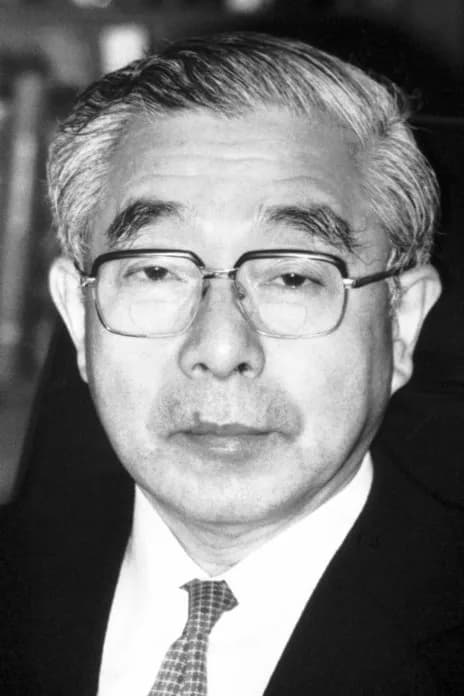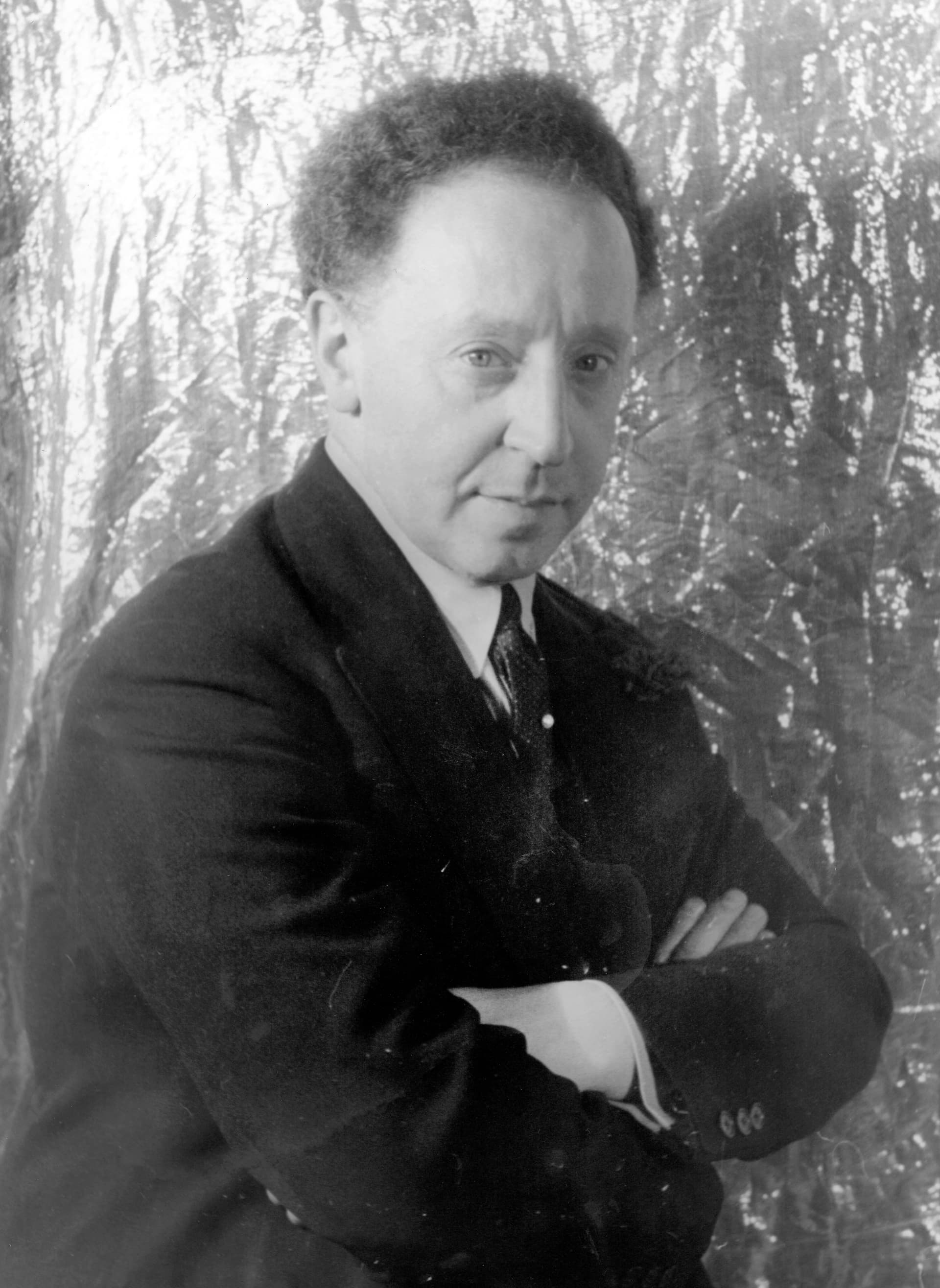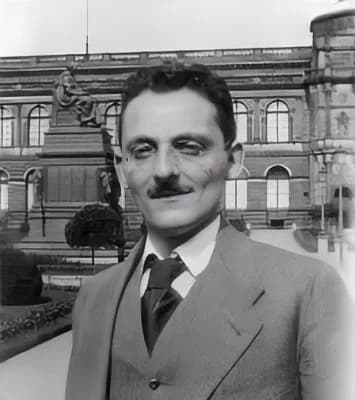
Született
February 5, 1914
Banbury, United Kingdom
Elhunyt
December 20, 1998
Cambridge, United Kingdom
Ismert mint
physiologist and biophysicist
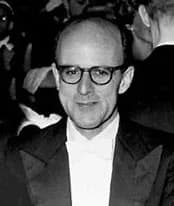
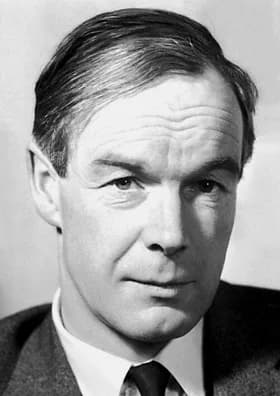
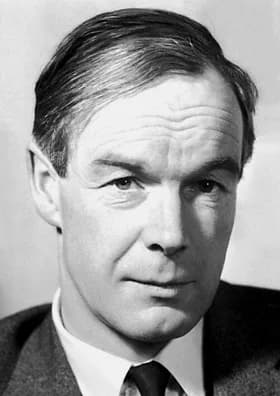
Alan Lloyd Hodgkin (1914–1998) was United Kingdom best known for physiologist and biophysicist.
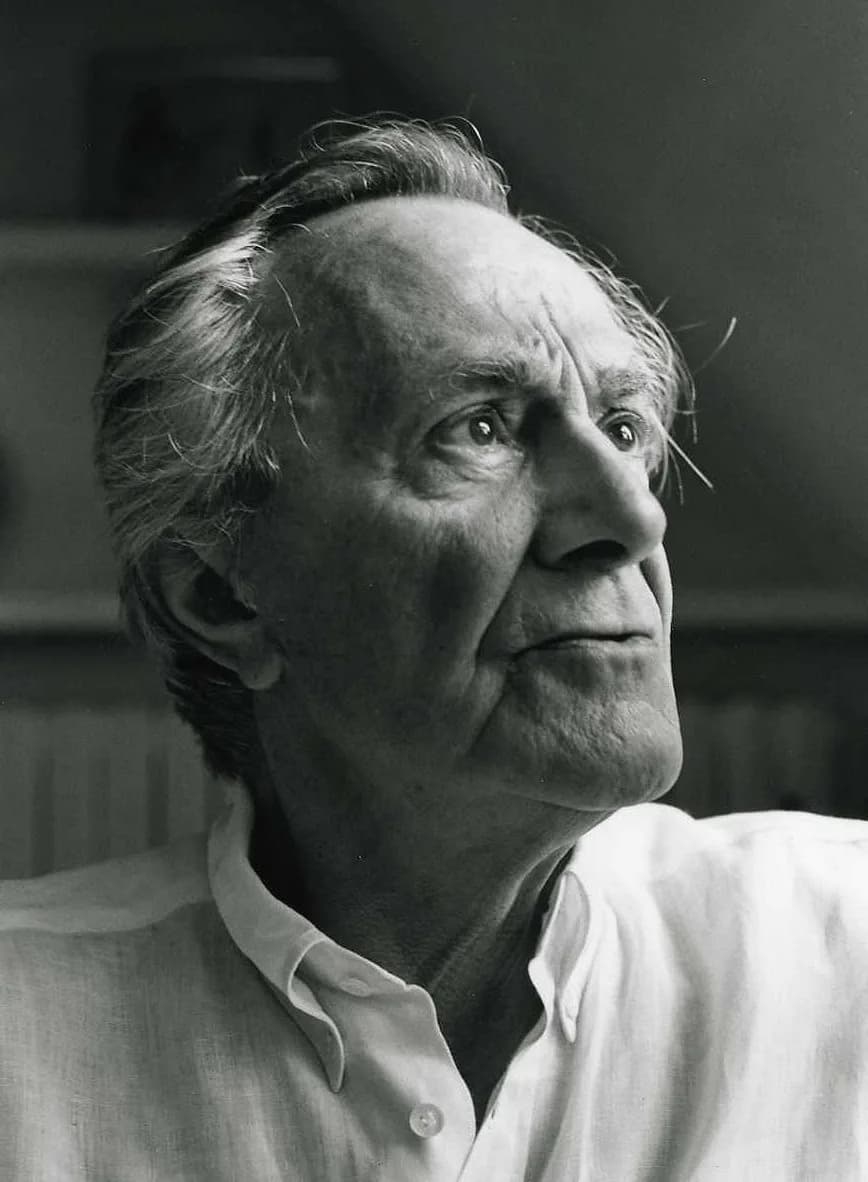
Sir Alan Lloyd Hodgkin (February 5, 1914 – December 20, 1998) was an English physiologist and biophysicist from Banbury, United Kingdom. He shared the 1963 Nobel Prize in Physiology or Medicine for his discoveries on ionic mechanisms in nerve cell membranes, significantly advancing neurophysiology.
Egy élet pillanatokban
A pillanatok, amelyek egy életet alakítottak
0. fejezet
Élet fejezetei
1. fejezet · 1914· 1. fejezet a(z) 8-ből
Remembering Alan Lloyd Hodgkin
Sir Alan Lloyd Hodgkin (1914-1998) was an eminent English physiologist and biophysicist whose fundamental contributions to neuroscience reshaped our understanding of nerve impulse transmission. Born in 1914 and passing in 1998, his distinguished career was marked by rigorous scientific inquiry and collaborative spirit. His work as a physician, neurologist, biologist, physiologist, neuroscientist, biochemist, and biophysicist left an enduring mark on the scientific community.
2. fejezet · 1914· 2. fejezet a(z) 8-ből
Early Life and Origins
Alan Lloyd Hodgkin was born on February 5, 1914, in Banbury, United Kingdom. His early life unfolded in England, laying the foundation for a future dedicated to scientific exploration. This formative period in Banbury instilled in him a curiosity for the natural world that would define his professional journey.
3. fejezet· 3. fejezet a(z) 8-ből
Career Beginnings
From an early stage in his professional life, Hodgkin pursued a diverse array of scientific disciplines. His expertise spanned multiple fields, including medicine, neurology, and biology, reflecting a broad scientific aptitude. He developed specific interests in physiology and biophysics, which became central to his later groundbreaking research.
4. fejezet · 1963· 4. fejezet a(z) 8-ből
Major Achievements and Career Highlights
A defining moment in Hodgkin's career came in 1963 when he was awarded the Nobel Prize in Physiology or Medicine. He shared this prestigious honor with his esteemed colleagues, Andrew Huxley and John Eccles. The Nobel Committee recognized their collective efforts in unraveling complex biological phenomena.
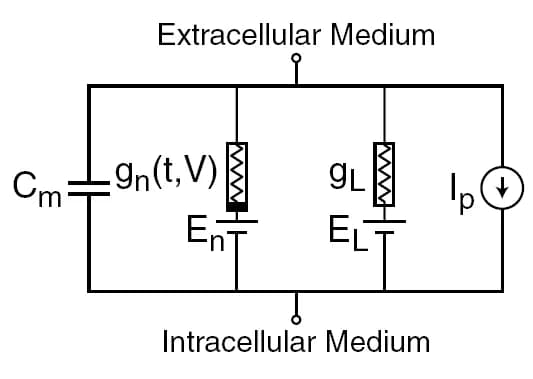
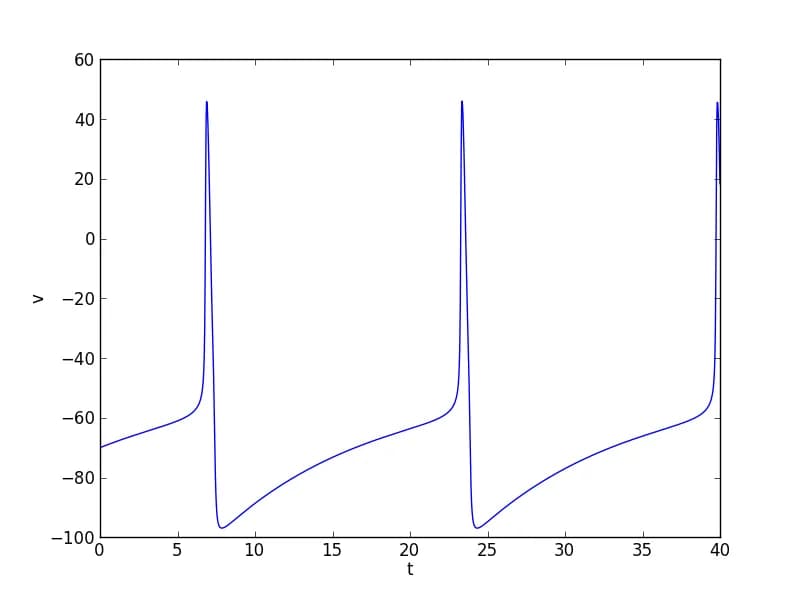
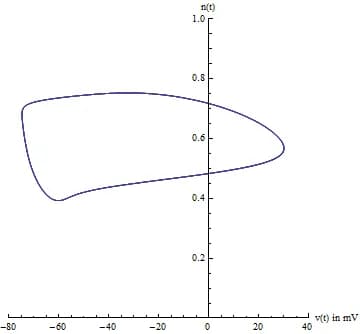
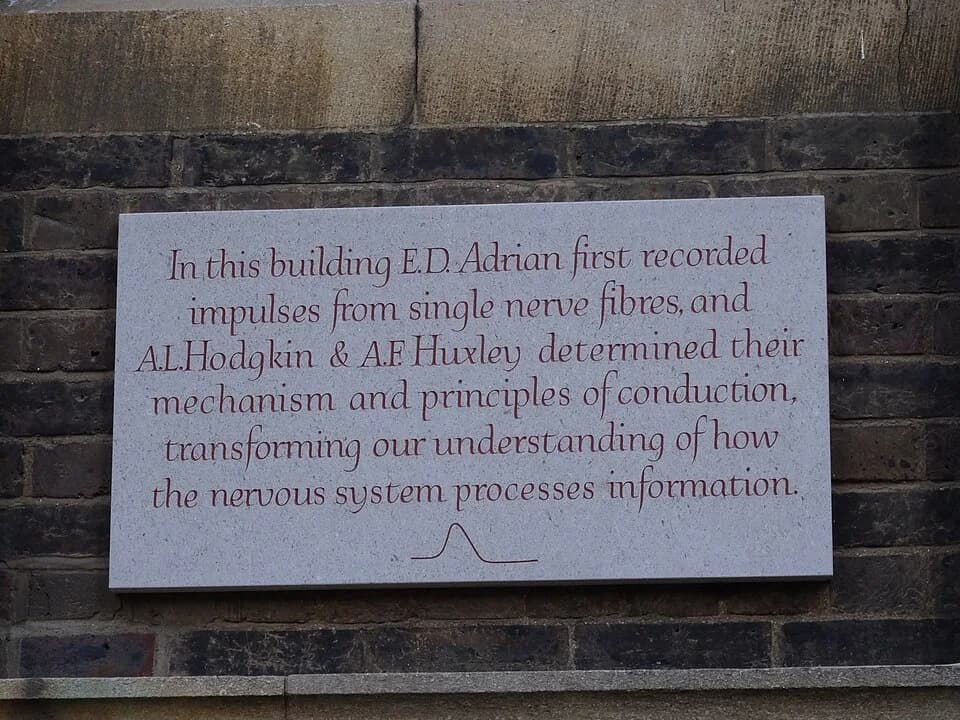
The prize specifically acknowledged their discoveries concerning the ionic mechanisms involved in excitation and inhibition within the peripheral and central portions of the nerve cell membrane. This detailed understanding of how nerve cells transmit electrical signals represented a significant leap forward in neurophysiology. Their work provided a quantitative description that remains foundational to modern neuroscience.
5. fejezet· 5. fejezet a(z) 8-ből
Personal Life
While Alan Lloyd Hodgkin's professional achievements are well-documented, specific details regarding his personal life, family, and private interests are not provided in the available information. His dedication to science was clearly a dominant aspect of his life.
6. fejezet· 6. fejezet a(z) 8-ből
Notable Works or Contributions
Alan Lloyd Hodgkin was a highly prolific researcher, evidenced by his impressive h-index of 69 and a body of work comprising 132 papers. His scientific contributions were extensive, consistently pushing the boundaries of physiological and biophysical understanding. His publications greatly influenced the study of nerve impulses.
Among his significant contributions is the autobiographical work, "Chance & Design: Reminiscences of Science in Peace and War," published in 1994. This book offered personal insights into his scientific journey and the historical context of his research during times of global conflict. His numerous papers, while not individually detailed here, collectively elucidated the intricate electrical properties of nerve cell membranes.
7. fejezet · 1998· 7. fejezet a(z) 8-ből
Later Years
Sir Alan Lloyd Hodgkin continued to contribute to science and scholarship throughout his life. He passed away on December 20, 1998, in Cambridge, United Kingdom. His death marked the end of a long and exceptionally productive life devoted to scientific discovery.
8. fejezet· 8. fejezet a(z) 8-ből
Legacy and Impact
Alan Lloyd Hodgkin's legacy is deeply embedded in the field of neurophysiology. His work, particularly on the ionic mechanisms of nerve cell membranes, provided the essential framework for understanding how the nervous system functions. This fundamental insight has informed countless subsequent studies and medical advancements.
The 1963 Nobel Prize solidified his place among the giants of 20th-century science. His collaborative spirit and meticulous research methods continue to inspire new generations of scientists. The principles he helped establish remain central to textbooks and ongoing research in neurology and biophysics, ensuring his lasting influence.
GYIK
Gyakran kérdezett
Mikor halt meg Alan Lloyd Hodgkin?
Alan Lloyd Hodgkin 1998. december 20. Cambridge, United Kingdom-ban halt meg, 84 éves korában.
Hol született Alan Lloyd Hodgkin?
Alan Lloyd Hodgkin Banbury, United Kingdom-ban született, 1914. február 5..
Miről ismert leginkább Alan Lloyd Hodgkin?
Alan Lloyd Hodgkin leginkább arról ismert, hogy physiologist and biophysicist.
Hány éves volt Alan Lloyd Hodgkin, amikor meghalt?
Alan Lloyd Hodgkin 84 éves volt halálakor.
Milyen nemzetiségű volt Alan Lloyd Hodgkin?
Alan Lloyd Hodgkin United Kingdom származású volt.
Idővonal
Élet egy pillantásra
Fotógaléria
Egy élet képekben
Kattintson bármely polaroidra a kibontáshoz · 23 fénykép
QR-kód
Életrajz megosztása
Nyomtatás és megosztás
Olvassa be az életrajz oldalának megnyitásához. Nyomtassa ki rendezvényekre, kiállításokra vagy oktatási anyagokhoz.