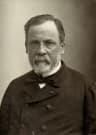
जन्म
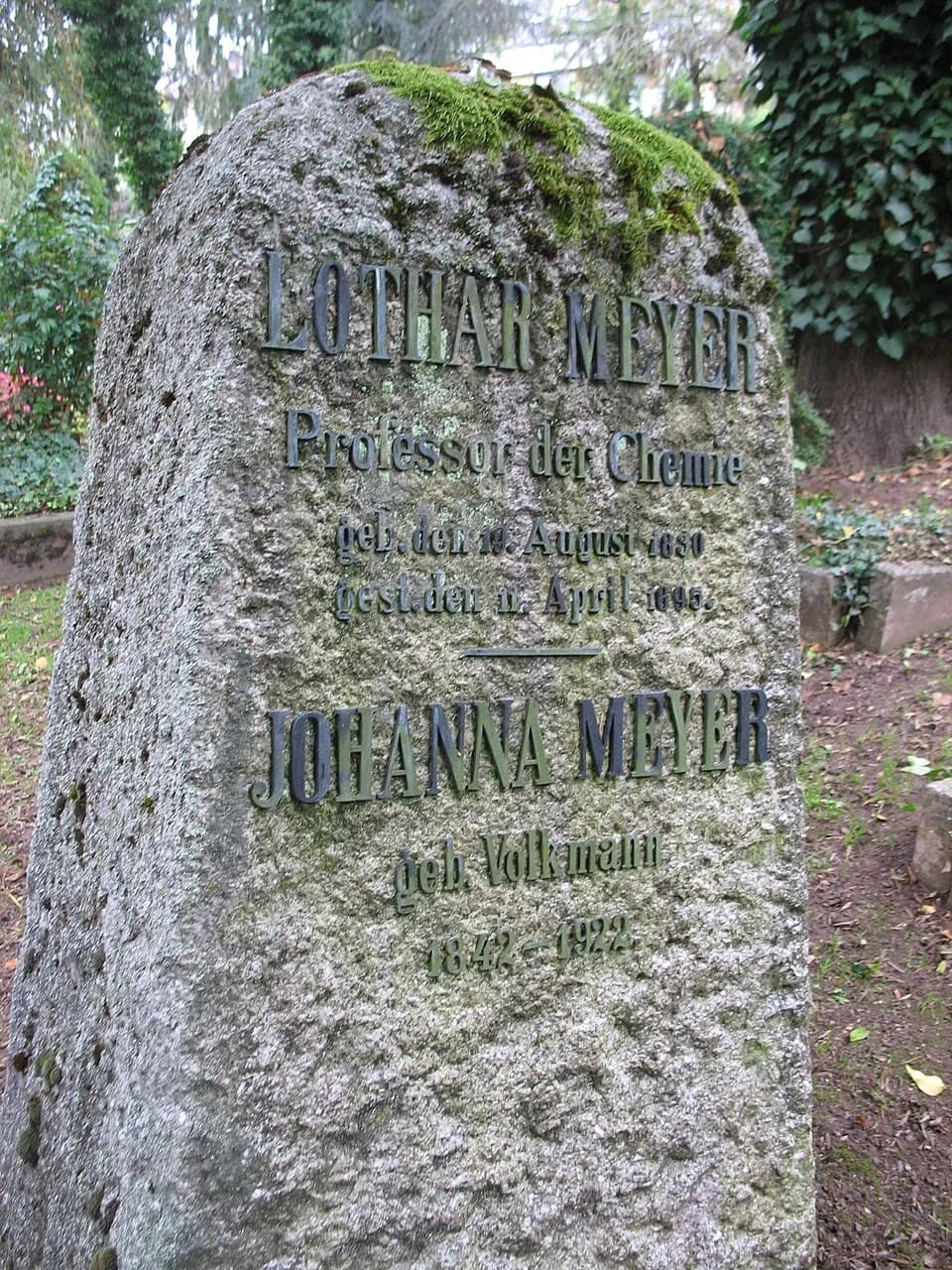
August 19, 1830
Varel, Germany
मृत्यु
April 11, 1895
Tübingen, Germany
किसके लिए जाने जाते हैं
German chemist and physician
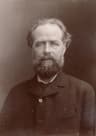
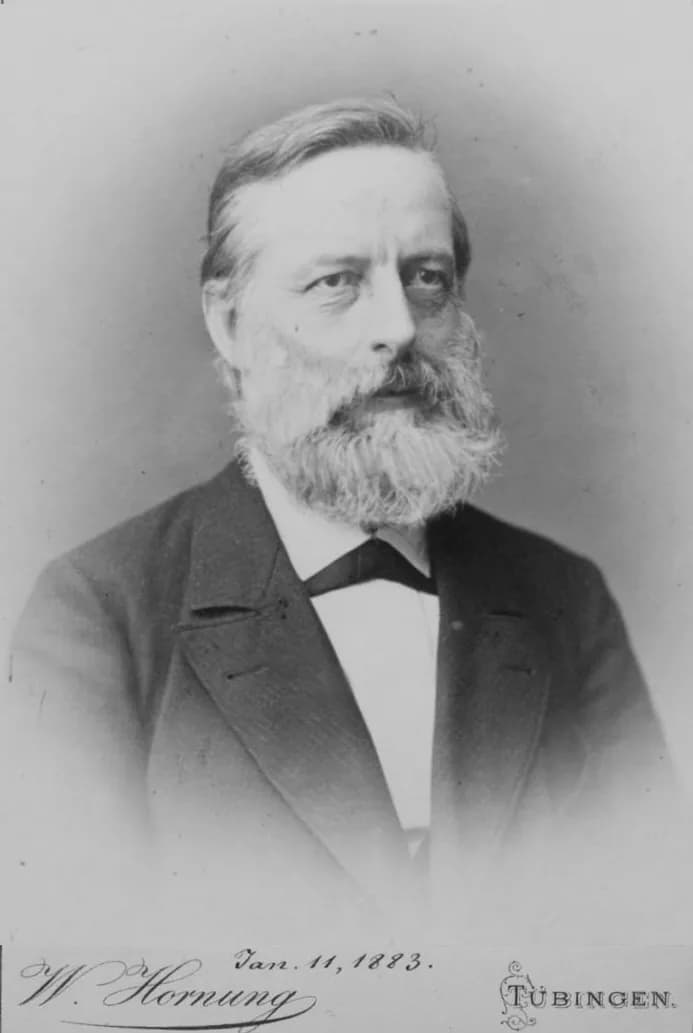
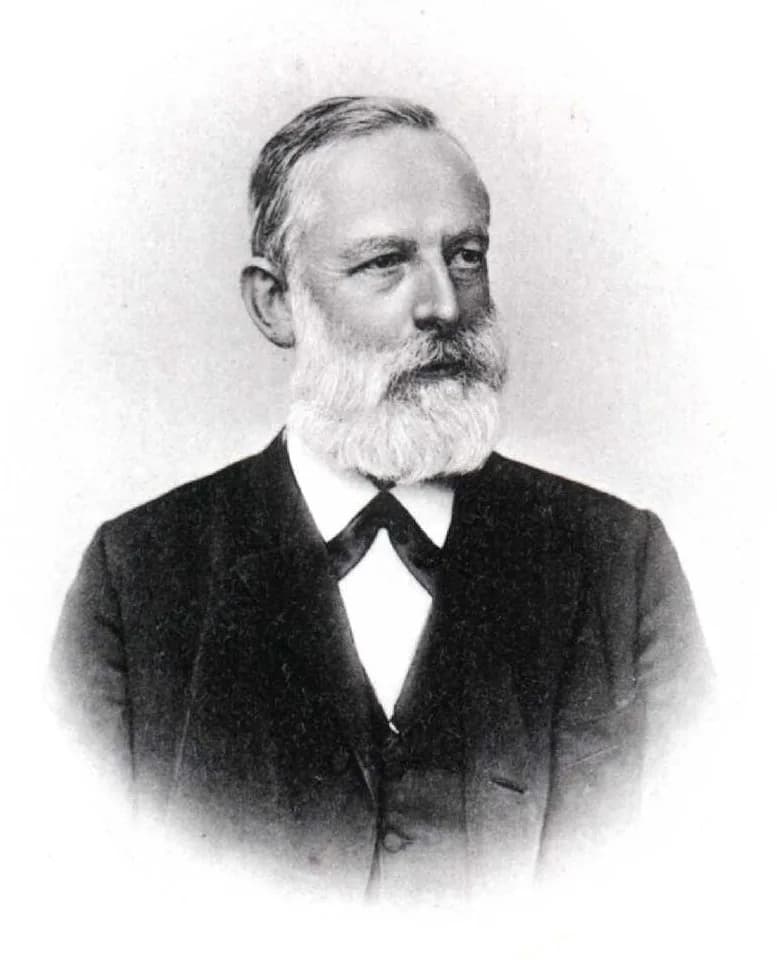
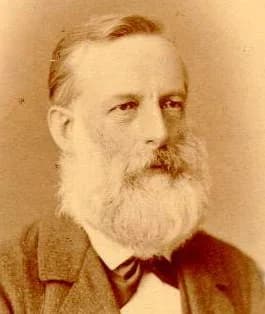
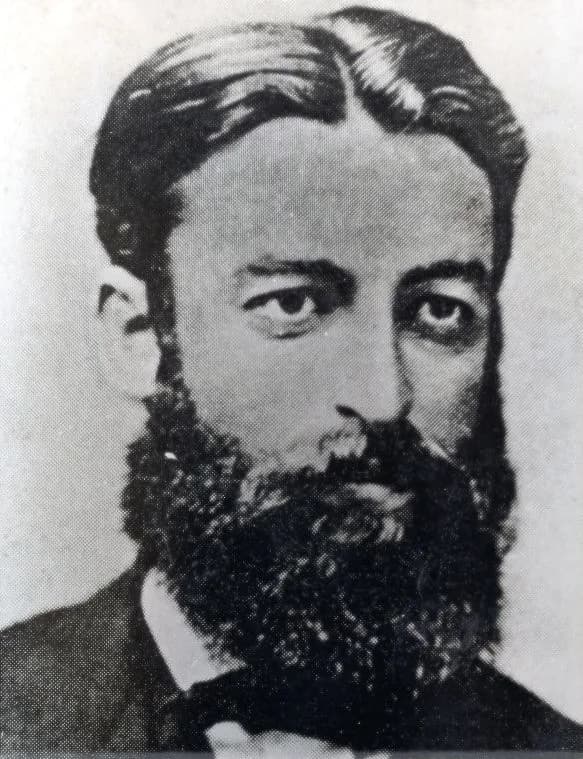
Lothar Meyer (1830–1895) was Germany best known for German chemist and physician.
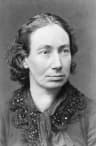
Julius Lothar Meyer (August 19, 1830 – April 11, 1895) was a German chemist and physician from Varel, Germany. He was a pioneer in developing one of the earliest versions of the periodic table of chemical elements, a fundamental contribution to chemistry. His systematic work helped classify and understand elemental properties.
अध्याय
जीवन के अध्याय
अध्याय 1 · 1830· अध्याय 1 में से 7
Early Life and Origins
Lothar Meyer began his life in Varel, Germany, where he was born on August 19, 1830. His early education and formative years set him on a path towards scientific inquiry. He pursued studies that prepared him for a dual career as a chemist and a physician.
Interestingly, throughout his life, he was known simply as Lothar Meyer, choosing not to use his first given name, Julius. This detail offers a small glimpse into the personal preferences of a man dedicated to scientific pursuits.
अध्याय 2· अध्याय 2 में से 7
Career Beginnings
Meyer embarked on his professional journey as a chemist and later became a university teacher. His academic career saw him engaged in significant research and instruction, shaping the minds of future scientists. Early in his career, Lothar Meyer had the opportunity to work alongside the esteemed chemist Robert Bunsen.
This period was significant, as Dmitri Mendeleev, another titan of chemistry, also collaborated with Bunsen. Such shared academic lineage highlights the interconnectedness of scientific thought during that era and perhaps hints at the intellectual currents that influenced Meyer's groundbreaking work.
अध्याय 3· अध्याय 3 में से 7
Major Achievements and Career Highlights
Lothar Meyer's most enduring achievement was his pioneering role in developing one of the earliest versions of the periodic table of chemical elements. His systematic arrangement of elements by atomic weight, observing periodicity in properties, was a monumental step forward.
This work, conceived around the same time as Dmitri Mendeleev's, demonstrated a fundamental principle of chemistry. Both scientists independently arrived at similar conclusions, highlighting the validity and universality of their discoveries regarding elemental relationships. Meyer’s insights helped categorize and predict the properties of elements, providing a clear framework for chemical science.
अध्याय 4· अध्याय 4 में से 7
Personal Life
While the provided information offers limited details about Lothar Meyer's personal life beyond his professional endeavors, it is known that he never used his first given name. He was simply known as Lothar Meyer throughout his lifetime. This preference speaks to a focus on his identity as a scholar and researcher.
अध्याय 5· अध्याय 5 में से 7
Notable Works or Contributions
Lothar Meyer's primary contribution to science was his innovative work on the periodic classification of elements. His charts and graphical representations illustrated the periodic trends in atomic volumes and other properties, providing strong empirical evidence for the periodic law. This analytical approach underpinned the early development of the periodic table.
Records indicate a significant scholarly output associated with his name, reflected in an h-index of 26 across 81 papers, showcasing a dedication to scientific inquiry. These metrics point to a prolific career dedicated to contributing to the body of scientific knowledge.
अध्याय 6 · 1895· अध्याय 6 में से 7
Later Years
Lothar Meyer continued his work as a chemist and university teacher throughout his life, contributing to the academic community in Tübingen, Germany. He passed away in Tübingen on April 11, 1895.
His death marked the end of a productive career that had significantly influenced the understanding of fundamental chemistry. He left behind a legacy of meticulous research and profound insight into the elemental structure of the universe.
अध्याय 7· अध्याय 7 में से 7
Legacy and Impact
The legacy of Lothar Meyer is inextricably linked to the periodic table, a cornerstone of modern chemistry. His independent discovery and articulation of periodic relationships solidified the framework for organizing the chemical elements. His work provided crucial support and parallel development to Mendeleev's, strengthening the scientific community's acceptance of the periodic law.
Through his efforts as a chemist and university teacher, Meyer educated countless students and advanced the scientific understanding of matter. His contributions continue to be recognized as foundational, allowing generations of chemists to build upon a solid understanding of the elements. He remains an enduring figure in the history of science, celebrated for his clarity of thought and his dedication to unraveling the mysteries of the atomic world.
पलों में एक जीवन
वे पल जिन्होंने एक जीवन को आकार दिया
अक्सर पूछे जाने वाले प्रश्न
अक्सर पूछे जाने वाले
Lothar Meyer की मृत्यु कब हुई?
Lothar Meyer की मृत्यु 11 अप्रैल 1895 Tübingen, Germany में हुई, 64 वर्ष की आयु में।
Lothar Meyer का जन्म कहाँ हुआ था?
Lothar Meyer का जन्म Varel, Germany में 19 अगस्त 1830 को हुआ था।
Lothar Meyer किसके लिए सबसे अधिक प्रसिद्ध हैं?
Lothar Meyer German chemist and physician के लिए सबसे अधिक प्रसिद्ध हैं।
मृत्यु के समय Lothar Meyer की आयु कितनी थी?
मृत्यु के समय Lothar Meyer की आयु 64 वर्ष थी।
Lothar Meyer की राष्ट्रीयता क्या थी?
Lothar Meyer Germany के थे।
समयरेखा
एक नज़र में जीवन
फोटो गैलरी
तस्वीरों में एक जीवन
किसी भी पोलरॉइड पर क्लिक करें · 25 तस्वीरें
QR कोड
इस जीवनी को साझा करें
प्रिंट करें और साझा करें
इस जीवनी पृष्ठ पर जाने के लिए स्कैन करें। आयोजनों, प्रदर्शनियों, या शैक्षिक सामग्रियों के लिए प्रिंट करें।