जन्म
October 17, 1760
Paris, France
मृत्यु
May 19, 1825
Paris, France
किसके लिए जाने जाते हैं
French early socialist theorist
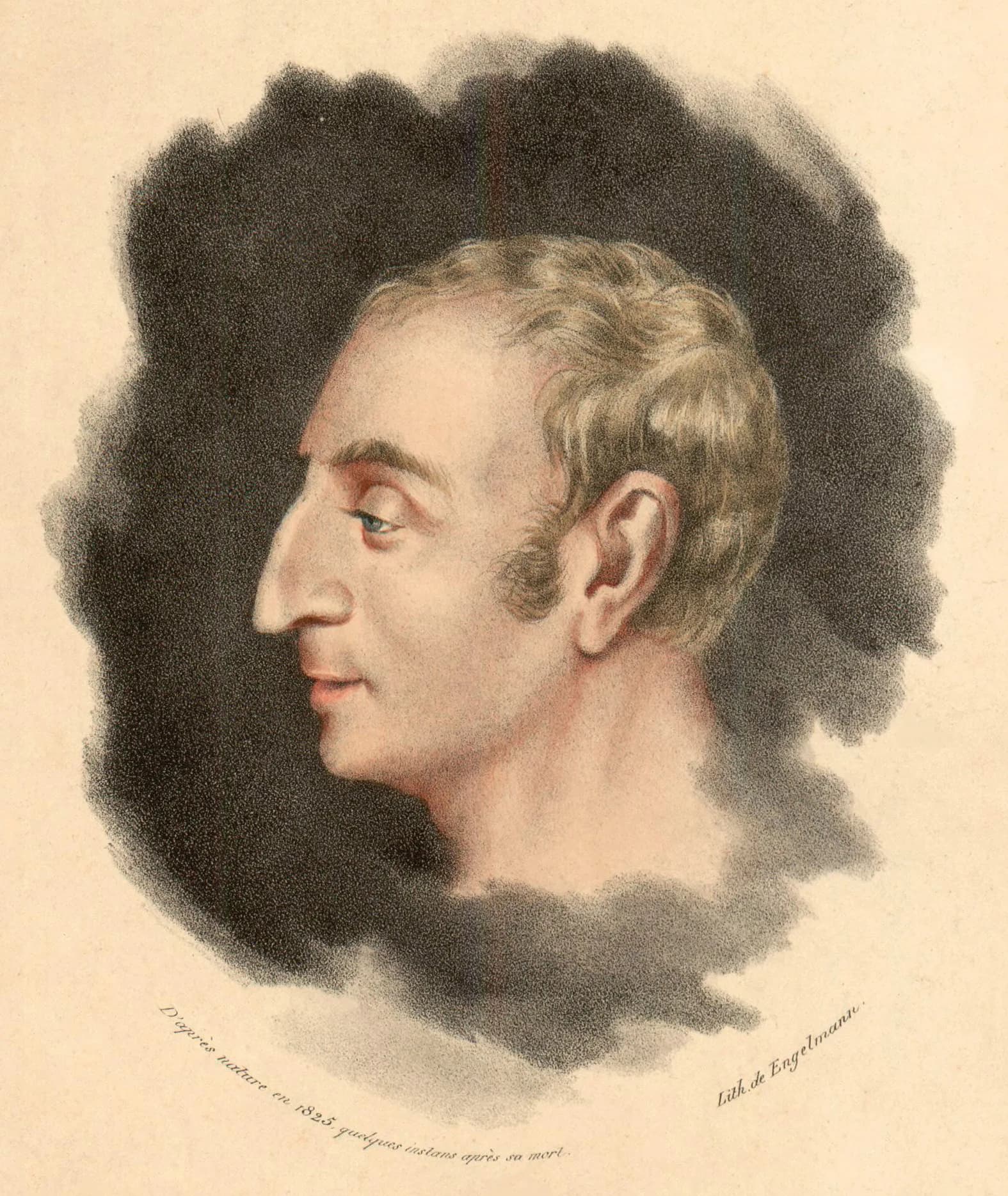
Claude Henri de Rouvroy, comte de Saint-Simon (1760-1825) was a French political and economic theorist from Paris whose innovative ideas helped shape early socialist thought. His works on industrial society and scientific social organization influenced generations of later thinkers including Marx. His legacy established him as a founding figure in sociology and political economy.
अध्याय
जीवन के अध्याय
अध्याय 1 · 1760· अध्याय 1 में से 7
Early Life and Origins
Claude Henri de Rouvroy was born on October 17, 1760, in Paris, France, into one of the most distinguished noble families of the realm. He was a younger relative of the famous memoirist the Duc de Saint-Simon, connecting him to a long tradition of court observation and social analysis. Growing up during the twilight years of Louis XV's reign and the early years of Louis XVI, Saint-Simon witnessed firsthand the social tensions and economic problems that would eventually explode into revolution.
His aristocratic upbringing provided him with an excellent education befitting his station, exposing him to the philosophical currents of the Enlightenment that were sweeping through French intellectual circles. The young comte absorbed the rationalist ideas of his time while also observing the inefficiencies and inequalities of the feudal system from his privileged position within it. This unique perspective would later inform his critical analysis of both traditional aristocratic society and emerging industrial capitalism.
अध्याय 2· अध्याय 2 में से 7
Career Beginnings and Revolutionary Years
Saint-Simon's intellectual career began to take shape during the tumultuous years of the French Revolution, when the social order of his birth was being violently overthrown. Rather than fleeing France like many of his fellow aristocrats, he remained and attempted to adapt to the new revolutionary circumstances. His early writings began to explore the relationship between political power and economic organization, themes that would dominate his mature work.
During this period, he began developing his reputation as a writer and political theorist, producing works that analyzed the revolutionary changes transforming French society. His experiences during these years convinced him that traditional political solutions were inadequate to address the challenges posed by emerging industrial society. He began to envision new forms of social organization based on scientific principles rather than inherited privilege or abstract political rights.
अध्याय 3· अध्याय 3 में से 7
Major Achievements and Theoretical Contributions
Saint-Simon's most significant contributions came through his development of what would later be recognized as early socialist theory, though his approach differed markedly from later Marxist socialism. His work "L'industrie" and "Du système industriel" outlined his vision of a society organized around productive industrial activity rather than military conquest or aristocratic leisure. He argued that the emerging industrial class would naturally assume leadership in modern society, displacing both the old nobility and what he saw as the parasitic elements of the bourgeoisie.
His theoretical framework emphasized the importance of scientific management and rational planning in organizing society for maximum productivity and social harmony. Through works like "Catéchisme politique des industriels" (1824), he developed detailed proposals for reorganizing European society along industrial lines. His thinking extended beyond national boundaries, as demonstrated in "De la réorganisation de la société européene," where he proposed continental unification based on shared industrial interests rather than dynastic alliances.
Saint-Simon's influence extended across multiple disciplines, as he applied his analytical methods to economics, sociology, history, and even urban planning. His approach to social analysis helped establish sociology as a distinct field of study, while his economic theories anticipated many later developments in socialist thought. His integration of scientific methodology with social theory represented a novel approach that would influence generations of subsequent thinkers.
अध्याय 4· अध्याय 4 में से 7
Personal Life and Character
Despite his aristocratic origins, Saint-Simon lived much of his adult life in modest circumstances, dedicating his resources to his intellectual pursuits rather than maintaining the lifestyle expected of his social class. His commitment to his theoretical work often came at personal cost, as he struggled financially while developing his comprehensive analysis of industrial society. This personal sacrifice demonstrated his genuine dedication to understanding and improving the social conditions of his era.
Saint-Simon's character combined the analytical detachment of a social scientist with the passion of a reformer committed to practical change. His correspondence and personal relationships revealed a man deeply concerned with the welfare of society as a whole, rather than merely advancing abstract theories. His ability to maintain friendships and intellectual collaborations across class lines reflected his belief in the possibility of rational cooperation among different social groups.
अध्याय 5 · 1818· अध्याय 5 में से 7
Notable Works and Intellectual Legacy
Saint-Simon's extensive bibliography demonstrates the breadth and depth of his intellectual contributions across multiple fields. His "Considérations sur les mesures à prendre pour terminer la révolution, présentées au roi" addressed the immediate political challenges facing post-revolutionary France, while "Vues sur la propriété et la législation" (1818) examined fundamental questions about property rights and legal systems in industrial society. His collected "Oeuvres" preserve the full range of his thinking on political, economic, and social questions.
The work "L'Europe ? l'Europe" reflected his internationalist perspective and his belief that industrial development would naturally lead to greater European cooperation. His "Letters de C.-H. Saint-Simon" provide insight into his personal intellectual development and his relationships with other leading thinkers of his time. Together, these works established him as one of the most systematic and original social theorists of the early nineteenth century, whose ideas would influence later developments in socialism, sociology, and political economy.
अध्याय 6· अध्याय 6 में से 7
Later Years and Final Period
Saint-Simon's final years were marked by both increased recognition of his ideas and continued personal financial difficulties. He gathered around him a group of devoted disciples who helped spread his theories and developed them further after his death. Despite his material hardships, he continued working on his theoretical system until the end of his life, refining his analysis of industrial society and its implications for human organization.
His last major works synthesized decades of thinking about the relationship between scientific knowledge, industrial production, and social organization. He remained optimistic about humanity's ability to create a more rational and productive social order, even as his own health declined. His dedication to his intellectual mission never wavered, and he continued writing and teaching until shortly before his death on May 19, 1825, in Paris.
अध्याय 7· अध्याय 7 में से 7
Legacy and Lasting Impact
Saint-Simon's influence on subsequent political and social thought far exceeded the recognition he received during his lifetime. His ideas about industrial society and scientific management influenced later socialist theorists, including Karl Marx, who built upon Saint-Simon's analysis while developing his own critique of capitalism. The Saint-Simonian movement that emerged after his death helped spread his ideas throughout Europe and contributed to the development of modern socialist and technocratic thinking.
His contributions to sociology and political economy established him as a founding figure in these disciplines, whose insights into the nature of modern industrial society remain relevant today. Contemporary debates about technological progress, social planning, and European integration continue to engage with questions that Saint-Simon first raised two centuries ago. His vision of a rationally organized society based on productive cooperation rather than competition or coercion continues to inspire those seeking alternatives to both traditional authoritarianism and unregulated capitalism.
पलों में एक जीवन
वे पल जिन्होंने एक जीवन को आकार दिया
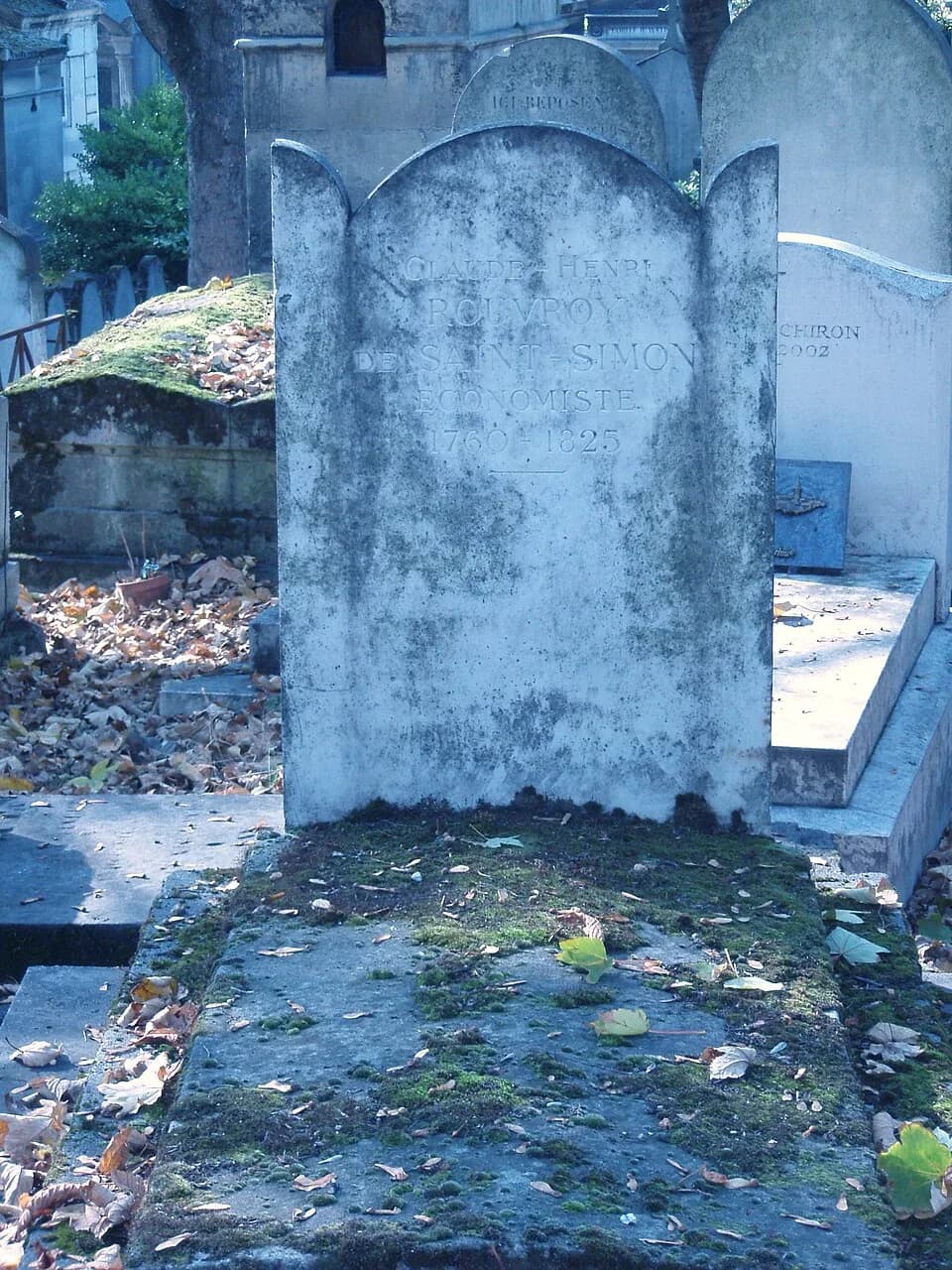
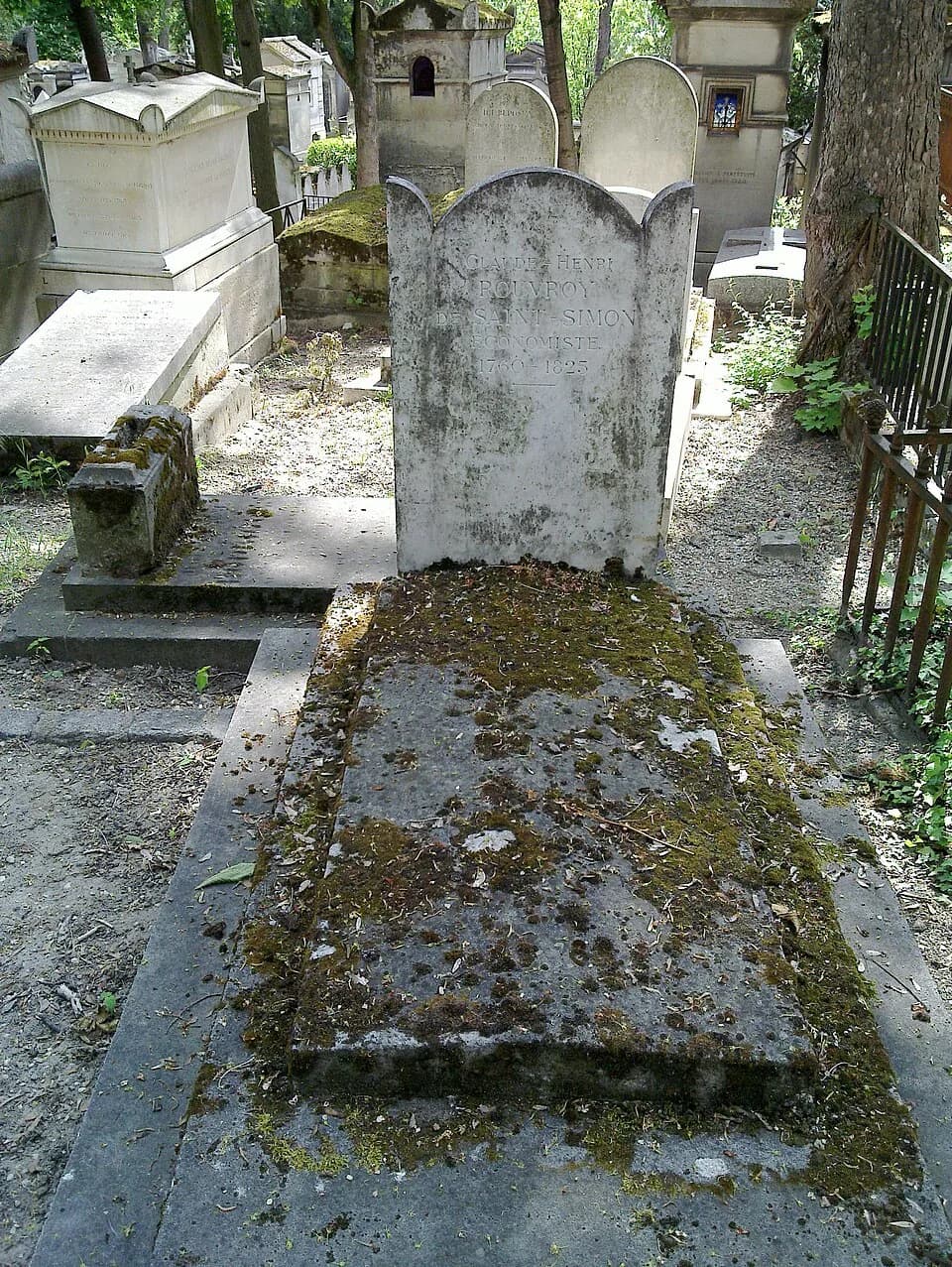
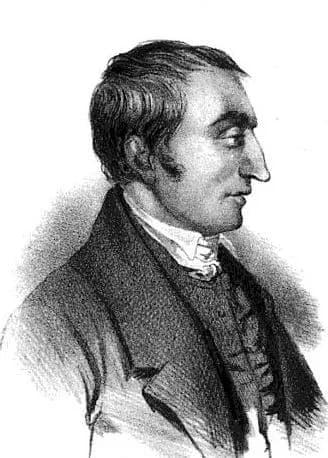
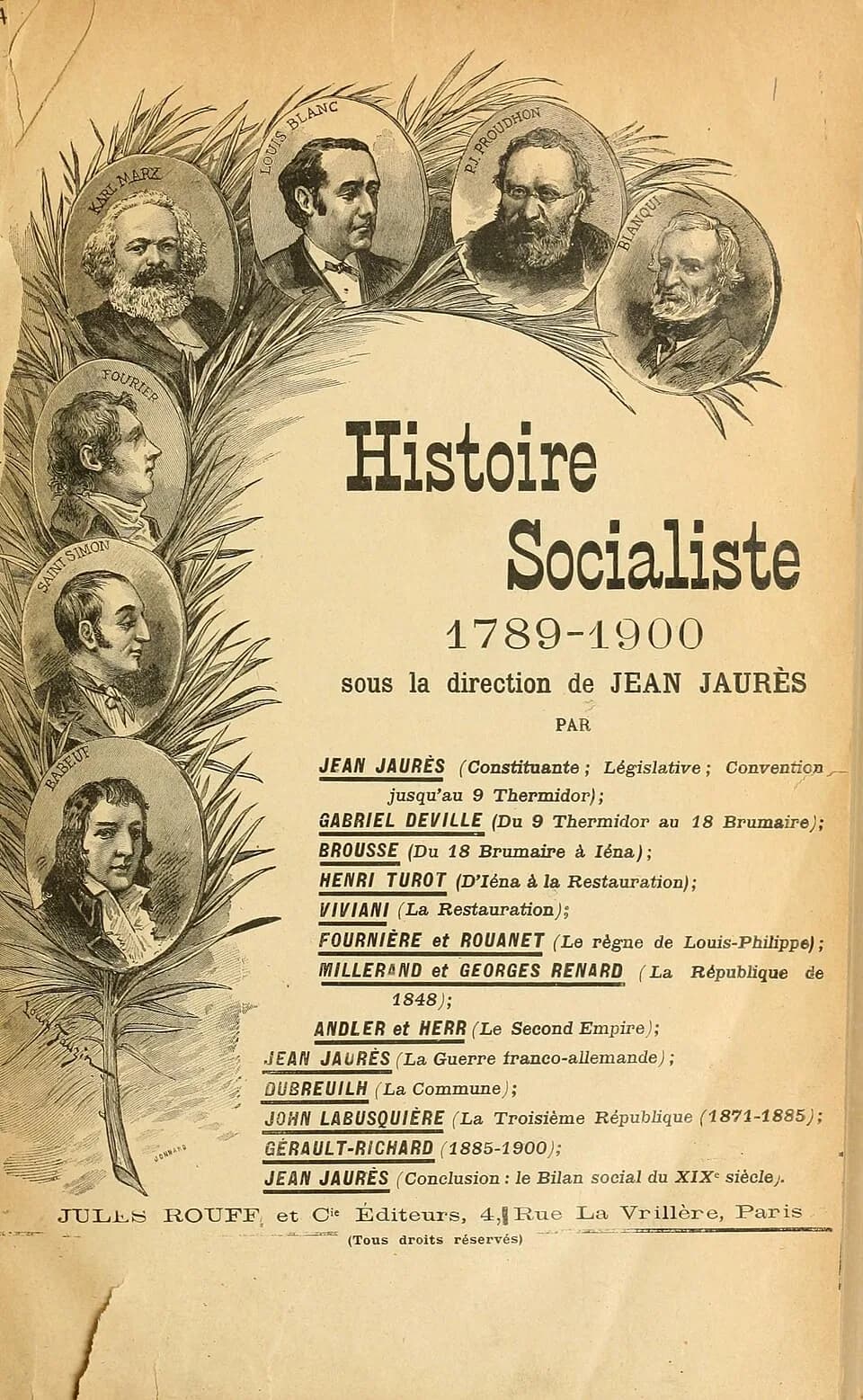
अक्सर पूछे जाने वाले प्रश्न
अक्सर पूछे जाने वाले
Claude Henri de Rouvroy, comte de Saint-Simon की मृत्यु कब हुई?
Claude Henri de Rouvroy, comte de Saint-Simon की मृत्यु 19 मई 1825 Paris, France में हुई, 64 वर्ष की आयु में।
Claude Henri de Rouvroy, comte de Saint-Simon का जन्म कहाँ हुआ था?
Claude Henri de Rouvroy, comte de Saint-Simon का जन्म Paris, France में 17 अक्टूबर 1760 को हुआ था।
Claude Henri de Rouvroy, comte de Saint-Simon किसके लिए सबसे अधिक प्रसिद्ध हैं?
Claude Henri de Rouvroy, comte de Saint-Simon French early socialist theorist के लिए सबसे अधिक प्रसिद्ध हैं।
मृत्यु के समय Claude Henri de Rouvroy, comte de Saint-Simon की आयु कितनी थी?
मृत्यु के समय Claude Henri de Rouvroy, comte de Saint-Simon की आयु 64 वर्ष थी।
Claude Henri de Rouvroy, comte de Saint-Simon की राष्ट्रीयता क्या थी?
Claude Henri de Rouvroy, comte de Saint-Simon France के थे।
समयरेखा
एक नज़र में जीवन
फोटो गैलरी
तस्वीरों में एक जीवन
किसी भी पोलरॉइड पर क्लिक करें · 41 तस्वीरें
QR कोड
इस जीवनी को साझा करें
प्रिंट करें और साझा करें
इस जीवनी पृष्ठ पर जाने के लिए स्कैन करें। आयोजनों, प्रदर्शनियों, या शैक्षिक सामग्रियों के लिए प्रिंट करें।