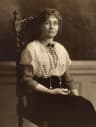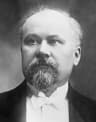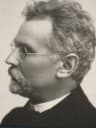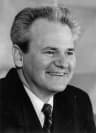
נולד
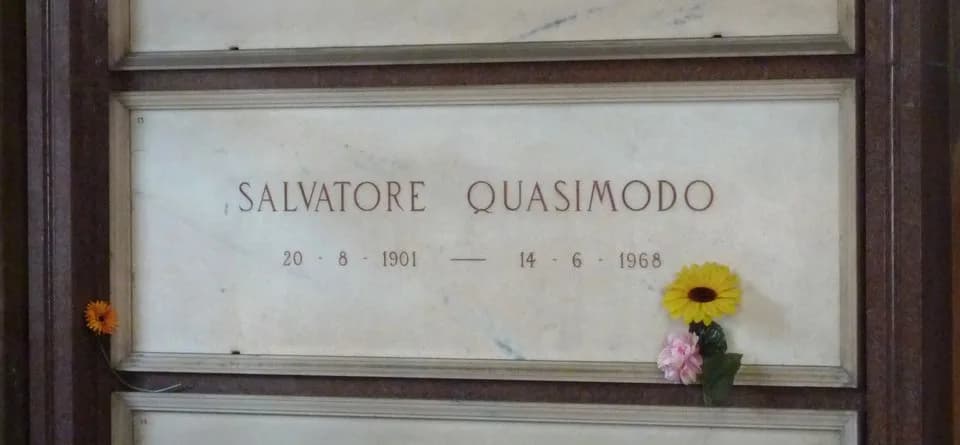
August 20, 1901
Modica, Italy
נפטר
June 14, 1968
Naples, Italy
ידוע בזכות
Italian writer
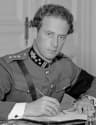
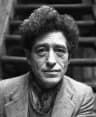
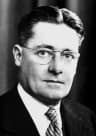
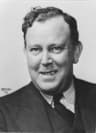
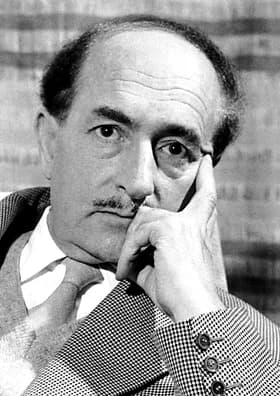
Salvatore Quasimodo (1901–1968) was Italy best known for Italian writer.
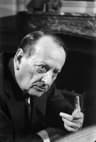
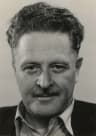
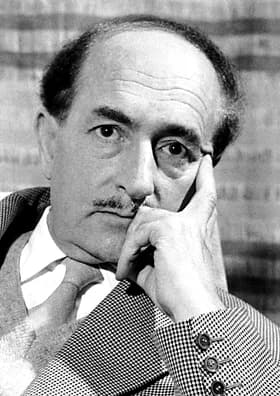
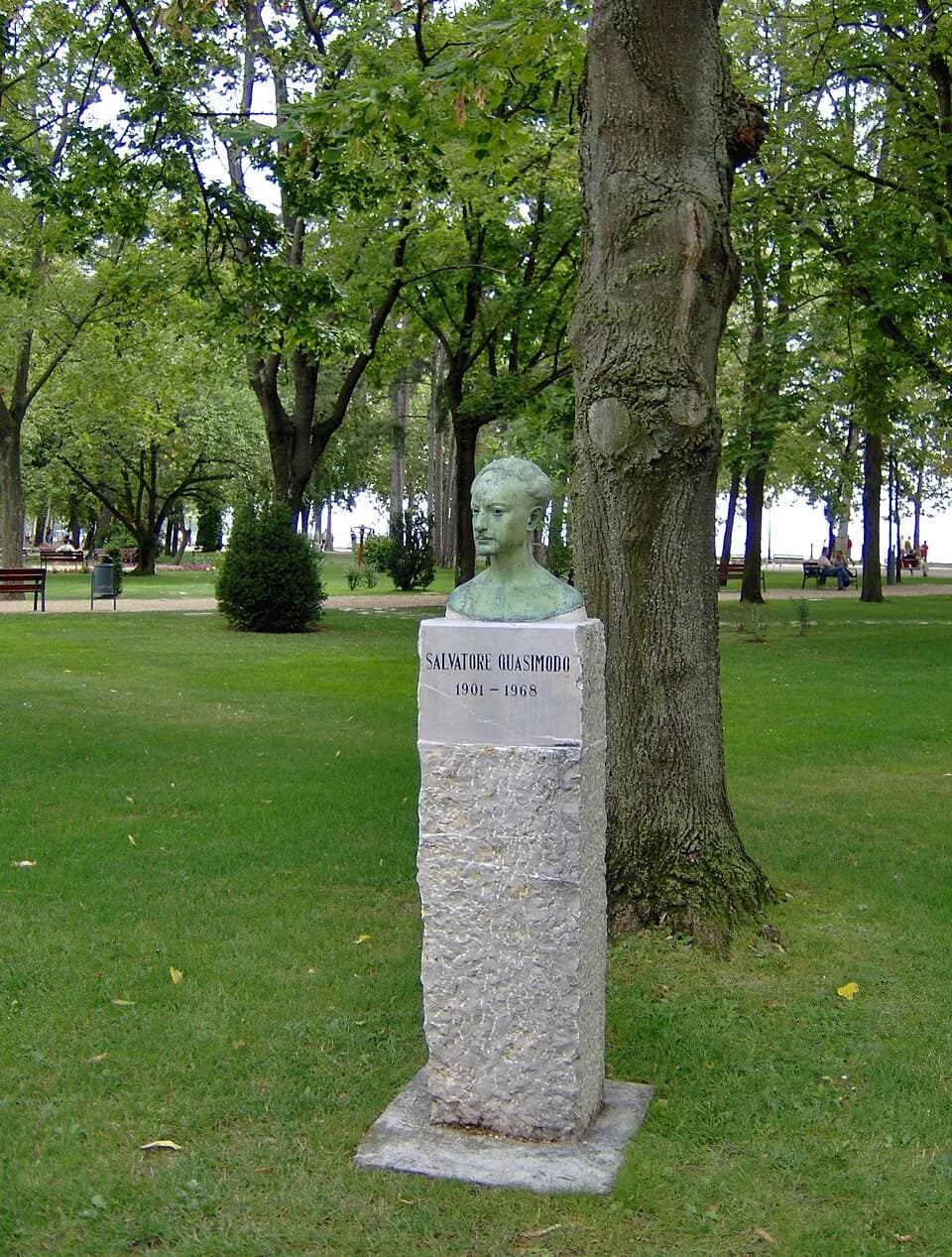
Salvatore Quasimodo (August 20, 1901 – June 14, 1968) was an Italian poet and translator. He was awarded the 1959 Nobel Prize in Literature for his lyrical poetry expressing the tragic experience of life. Quasimodo is remembered as one of the foremost Italian poets of the 20th century.
פרק
פרקי חיים
פרק 1 · 1901· פרק 1 מתוך 7
Early Life and Origins
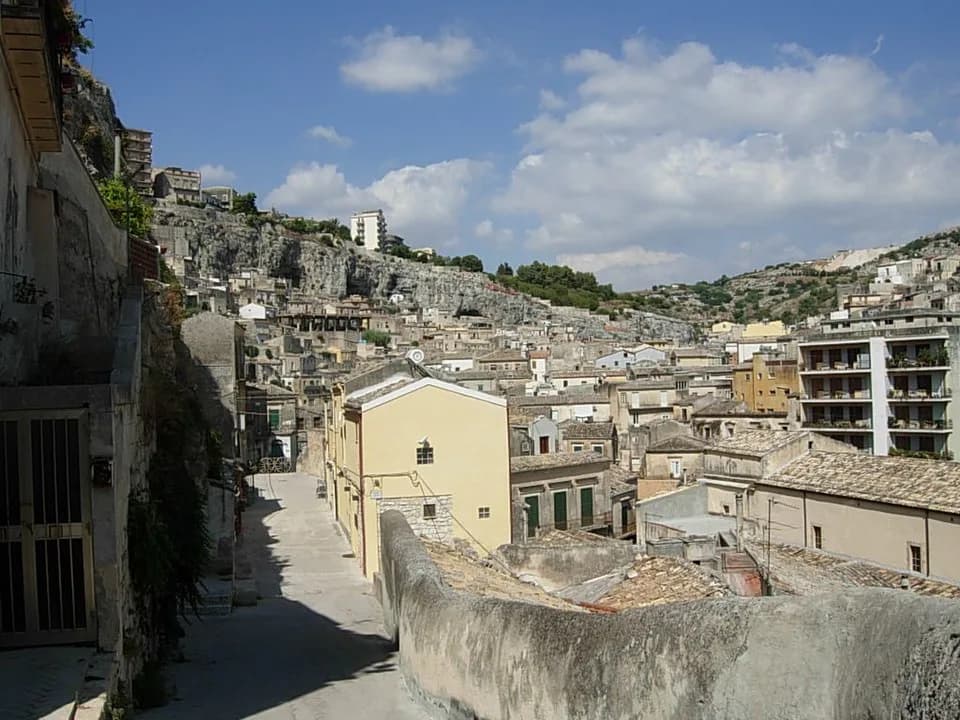
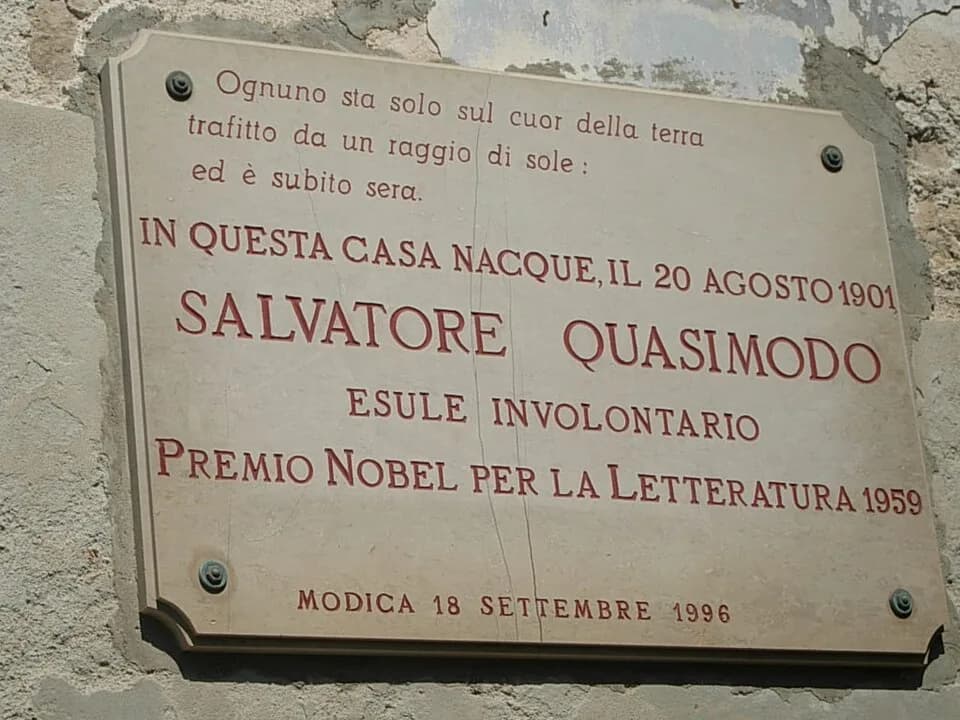
Salvatore Quasimodo was born on August 20, 1901, in the picturesque town of Modica, Italy. His early life in Sicily undoubtedly shaped his artistic sensibilities and connection to Italian culture. While specific details about his family and early education are not extensively documented in available records, his journey from Modica to becoming a global literary figure began here.
פרק 2· פרק 2 מתוך 7
Career Beginnings
Quasimodo embarked on a diverse professional path that showcased his versatility across several literary and academic fields. His early career likely saw him honing his skills as a writer and poet, laying the groundwork for his later acclaimed works. He would develop into a significant voice, known for his unique lyrical style.
His early published collection, "Acque e terre (poesie)," hinted at the themes and poetic strength that would characterize his later writing. This foundational work helped establish his presence in the Italian literary scene. It marked the start of a career that would encompass various forms of expression, from original poetry to critical analysis.
פרק 3 · 1959· פרק 3 מתוך 7
Major Achievements and Career Highlights
A defining moment in Salvatore Quasimodo's career came in 1959 when he was awarded the prestigious Nobel Prize in Literature. The Swedish Academy recognized him "for his lyrical poetry, which with classical fire expresses the tragic experience of life in our own times." This award cemented his status as a major international literary figure.
Quasimodo's artistic stature places him among the foremost Italian poets of the 20th century, alongside renowned figures such as Giuseppe Ungaretti and Eugenio Montale. Beyond poetry, his professional life included roles as a screenwriter, translator, journalist, university teacher, and literary critic. These diverse pursuits underscored his deep engagement with the written word in all its forms.
פרק 4· פרק 4 מתוך 7
Personal Life
Specific details about Salvatore Quasimodo's personal relationships, family life, or hobbies are not provided in the available information. His public persona was largely defined by his immense literary output and critical engagement. His dedication to his craft was evident throughout his distinguished career, reflecting a life primarily centered on intellectual and artistic endeavors.
פרק 5· פרק 5 מתוך 7
Notable Works or Contributions
Salvatore Quasimodo's bibliography is rich and varied, showcasing his talent as both an original poet and an accomplished translator. His collections of poetry include influential works such as "Giorno dopo giorno" and "Acque e terre (poesie)." These works captured the essence of post-war Italian sentiment and existential reflection.
He was also celebrated for his significant translations, bringing classical texts and international works to Italian readers. Notable among his translation efforts are "Dall'Odissea" and "Il fiore delle Georgiche," demonstrating his linguistic skill and reverence for literary heritage. Other published works include "La città atonale," "L'opera completa di Michelangelo pittore," "Das Leben ist kein Traum," "Tragici greci," and "Escrito en el aire."
פרק 6 · 1968· פרק 6 מתוך 7
Later Years
Salvatore Quasimodo continued to contribute significantly to literature and academia into his later life, building upon his remarkable legacy. He passed away on June 14, 1968, in Naples, Italy, leaving behind a body of work that continues to be studied and admired. His death marked the end of an era for Italian letters.
פרק 7· פרק 7 מתוך 7
Legacy and Impact
The legacy of Salvatore Quasimodo endures through his powerful and deeply resonant poetry, which continues to inspire new generations of writers and readers. His Nobel Prize citation perfectly encapsulates his lasting influence: a poet who articulated the "tragic experience of life in our own times" with both classical form and contemporary relevance. His work remains a cornerstone of 20th-century Italian literature.
Quasimodo's contributions as a translator and critic also helped shape the literary discourse of his era, enriching Italian culture with new perspectives and voices. His place alongside Ungaretti and Montale firmly establishes him as one of the pillars of modern Italian poetry. His distinctive voice explored themes of alienation, memory, and the human condition, making his poetry timeless.
חיים ברגעים
הרגעים שעיצבו חיים
שאלות נפוצות
שאלות נפוצות
מתי נפטר/ה Salvatore Quasimodo?
Salvatore Quasimodo נפטר/ה ב-14 ביוני 1968 ב-Naples, Italy בגיל 66.
היכן נולד/ה Salvatore Quasimodo?
Salvatore Quasimodo נולד/ה ב-Modica, Italy ב-20 באוגוסט 1901.
במה הכי מפורסם/ת Salvatore Quasimodo?
Salvatore Quasimodo הכי מפורסם/ת בזכות Italian writer.
בן/בת כמה היה/הייתה Salvatore Quasimodo בעת מותו/ה?
Salvatore Quasimodo היה/הייתה בן/בת 66 בעת מותו/ה.
מה הייתה האזרחות של Salvatore Quasimodo?
Salvatore Quasimodo היה/הייתה מ-Italy.
ציר זמן
חיים במבט מהיר
גלריית תמונות
חיים בתמונות
לחצו על כל פולארויד להגדלה · 49 תמונות
קוד QR
שיתוף ביוגרפיה זו
הדפסה ושיתוף
סרקו לביקור בדף ביוגרפיה זה. הדפיסו לאירועים, תערוכות או חומרים חינוכיים.