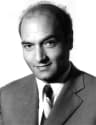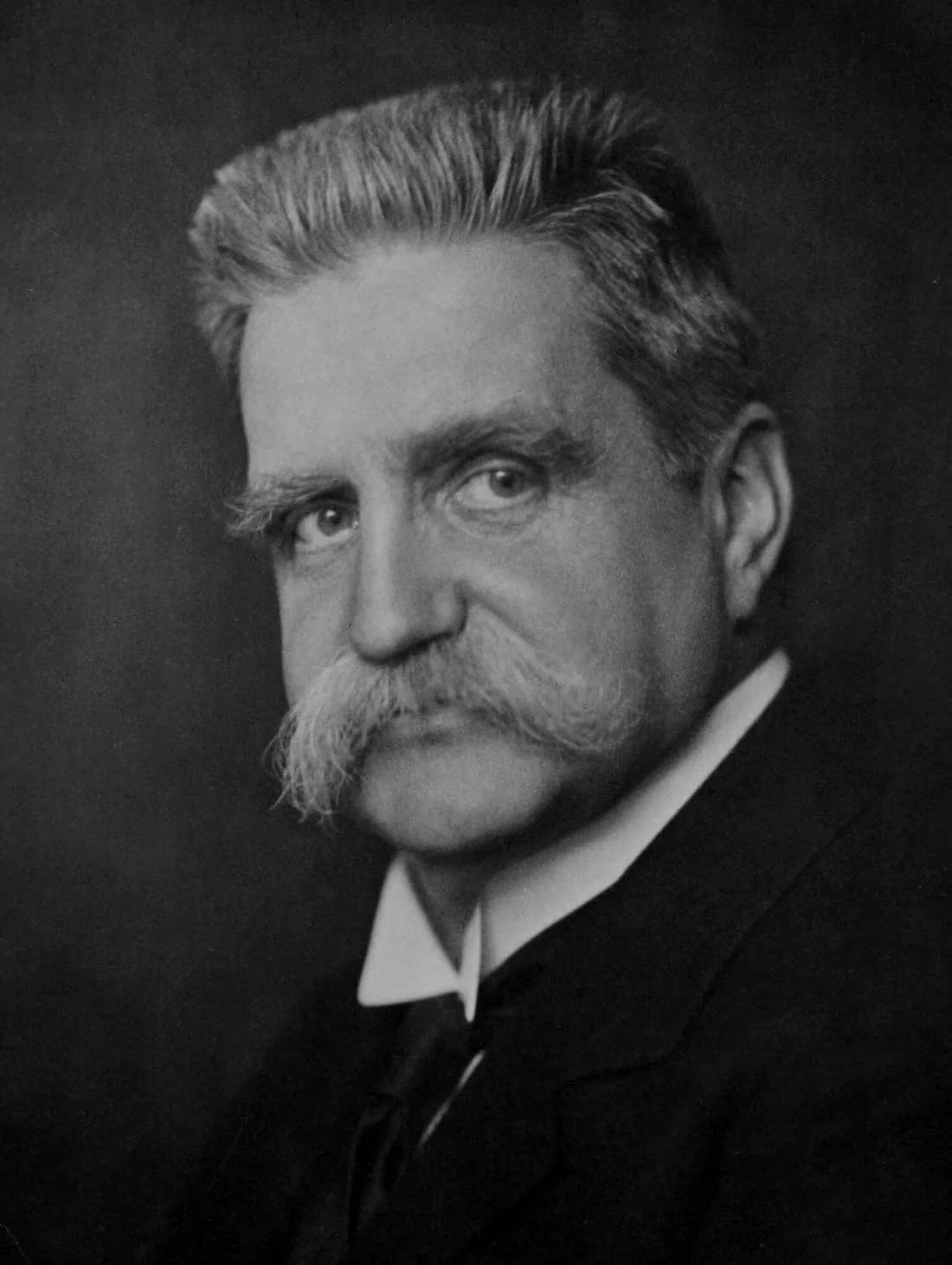
נולד
November 23, 1860
Klara Church Parish, Sweden
נפטר
February 24, 1925
Stockholm City, Sweden
ידוע בזכות
Prime Minister of Sweden
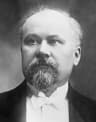
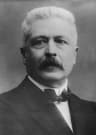
Hjalmar Branting (1860–1925) was Sweden best known for Prime Minister of Sweden.
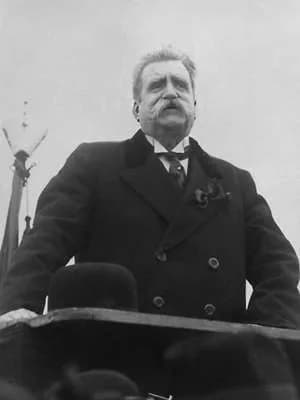
Karl Hjalmar Branting (1860-1925) was a Swedish statesman and diplomat who served as Prime Minister of Sweden on three occasions from 1920 to 1925. He led the Social Democratic Party for 18 years, advocating for universal suffrage and workers' rights. His contributions to international peace earned him the Nobel Peace Prize in 1921.
פרק
פרקי חיים
פרק 1 · 1860· פרק 1 מתוך 6
Early Life and Origins
Hjalmar Branting was born on November 23, 1860, in Klara Church Parish, Sweden, during a time when the country was undergoing significant social and political changes. His upbringing in Sweden exposed him to the growing tensions between traditional aristocratic power and emerging democratic ideals. The young Branting witnessed firsthand the struggles of working-class families, experiences that would profoundly shape his future political philosophy and commitment to social justice.
פרק 2· פרק 2 מתוך 6
Career Beginnings
Branting began his professional journey in journalism, working as an editor and member of editorial staff for various publications. His work in the media gave him a platform to articulate his growing social democratic beliefs and connect with like-minded reformers. Through his journalistic endeavors, he developed the communication skills and public profile that would later serve him well in political leadership. This early career path allowed him to understand the power of public discourse in shaping political opinion and social change.
פרק 3 · 1907· פרק 3 מתוך 6
Major Achievements and Career Highlights
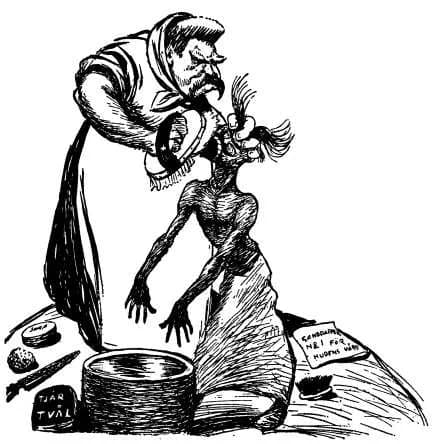
Branting's most significant political achievement came when he assumed leadership of the Social Democratic Party (SAP) in 1907, a position he held until his death in 1925. Under his guidance, the party became a powerful force for democratic reform in Sweden. His advocacy for universal suffrage helped expand voting rights to all Swedish citizens, fundamentally changing the country's political landscape.
Between 1920 and 1925, Branting served as Prime Minister of Sweden on three separate occasions, implementing progressive labor policies including the eight-hour workday and other essential worker protections. His diplomatic skills extended beyond Sweden's borders, where he became a strong supporter of the League of Nations and international cooperation. In 1921, the Nobel Committee recognized his lifelong contributions to peace and organized internationalism by awarding him the Nobel Peace Prize.
פרק 4· פרק 4 מתוך 6
Notable Works and Contributions
Branting's intellectual contributions to social democratic thought are preserved in numerous writings and speeches. His published works include "Socialismen i arbetarerörelsen," "Den politiska krisen," and "Socialism och demokrati," which articulated his vision for democratic socialism in Sweden. Other significant publications such as "Socialdemokratiens århundrade," "Demokratisk linje," and "Socialismen: En historisk framställning" provided theoretical foundations for the social democratic movement.
His collected speeches and writings, published as "Tal och skrifter," offer insights into his political philosophy and rhetorical approach to social reform. These works influenced generations of Swedish politicians and helped establish the intellectual framework for Sweden's modern welfare state.
פרק 5 · 1925· פרק 5 מתוך 6
Later Years and Final Service
Branting continued his political service until the end of his life, maintaining his role as both party leader and Prime Minister during his final years. His third term as Prime Minister, which he held until 1925, demonstrated his enduring commitment to Swedish democracy and social progress. Despite the physical demands of leadership, he remained active in international diplomatic efforts and continued advocating for peaceful resolution of conflicts between nations.
Branting passed away on February 24, 1925, in Stockholm City, Sweden, while still serving as leader of the Social Democratic Party. His death marked the end of an era in Swedish politics, but his influence on the country's democratic institutions and social policies continued long after his passing.
פרק 6· פרק 6 מתוך 6
Legacy and Impact
Hjalmar Branting's influence on Swedish society extends far beyond his years in office. His successful advocacy for universal suffrage and labor rights established Sweden as a leader in democratic governance and workers' protections. The social democratic principles he championed became cornerstones of Swedish political culture, influencing policy decisions for decades following his death.
His international work supporting the League of Nations and peaceful diplomatic solutions earned him recognition as a global advocate for peace. The Nobel Peace Prize he received in 1921 acknowledged not only his personal contributions but also Sweden's emerging role as a mediator in international conflicts. Today, Branting is remembered as the architect of modern Swedish social democracy, whose vision of combining democratic governance with social justice continues to influence political thought both in Sweden and internationally.
חיים ברגעים
הרגעים שעיצבו חיים
שאלות נפוצות
שאלות נפוצות
מתי נפטר/ה Hjalmar Branting?
Hjalmar Branting נפטר/ה ב-24 בפברואר 1925 ב-Stockholm City, Sweden בגיל 64.
היכן נולד/ה Hjalmar Branting?
Hjalmar Branting נולד/ה ב-Klara Church Parish, Sweden ב-23 בנובמבר 1860.
במה הכי מפורסם/ת Hjalmar Branting?
Hjalmar Branting הכי מפורסם/ת בזכות Prime Minister of Sweden.
בן/בת כמה היה/הייתה Hjalmar Branting בעת מותו/ה?
Hjalmar Branting היה/הייתה בן/בת 64 בעת מותו/ה.
מה הייתה האזרחות של Hjalmar Branting?
Hjalmar Branting היה/הייתה מ-Sweden.
ציר זמן
חיים במבט מהיר
גלריית תמונות
חיים בתמונות
לחצו על כל פולארויד להגדלה · 46 תמונות
קוד QR
שיתוף ביוגרפיה זו
הדפסה ושיתוף
סרקו לביקור בדף ביוגרפיה זה. הדפיסו לאירועים, תערוכות או חומרים חינוכיים.