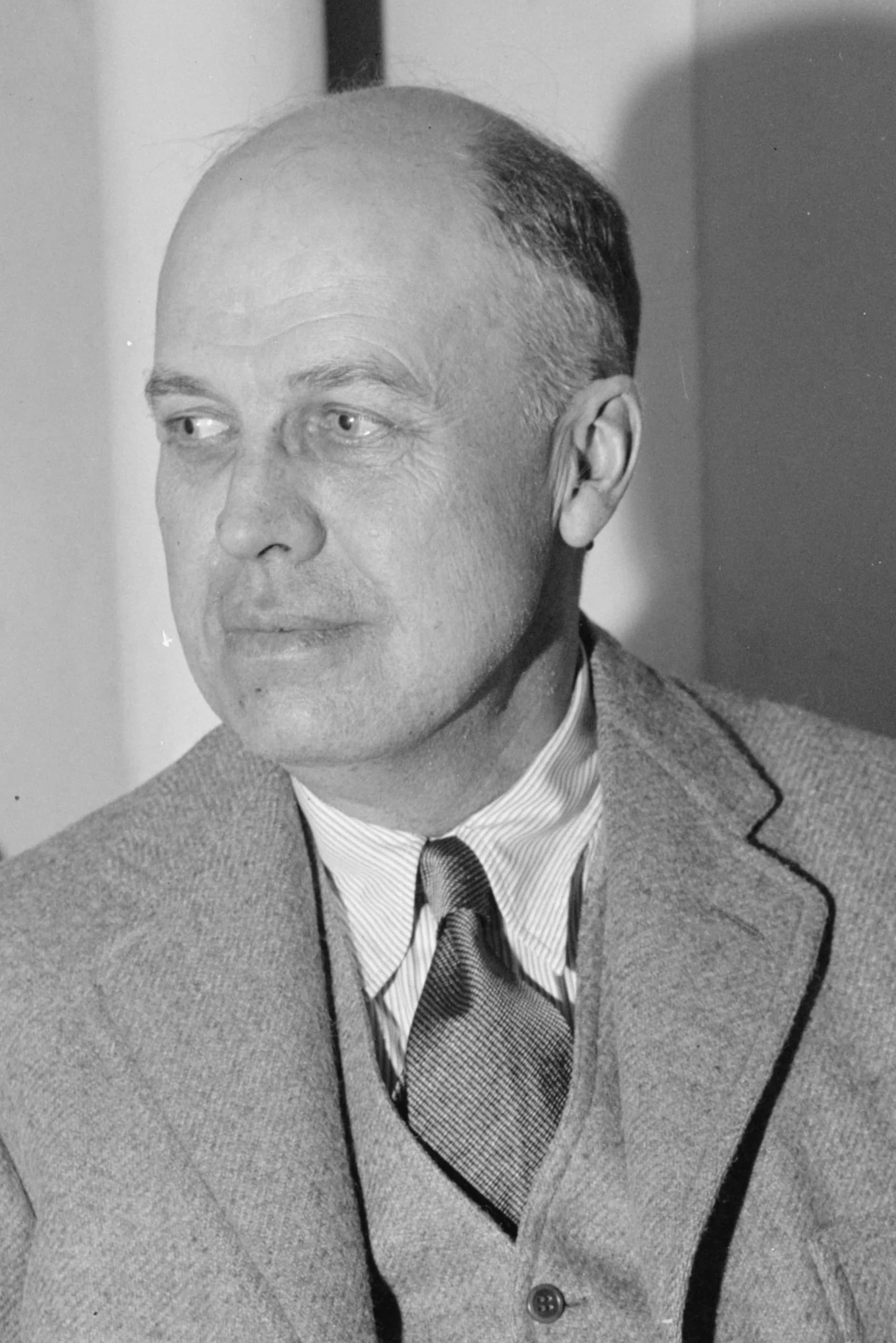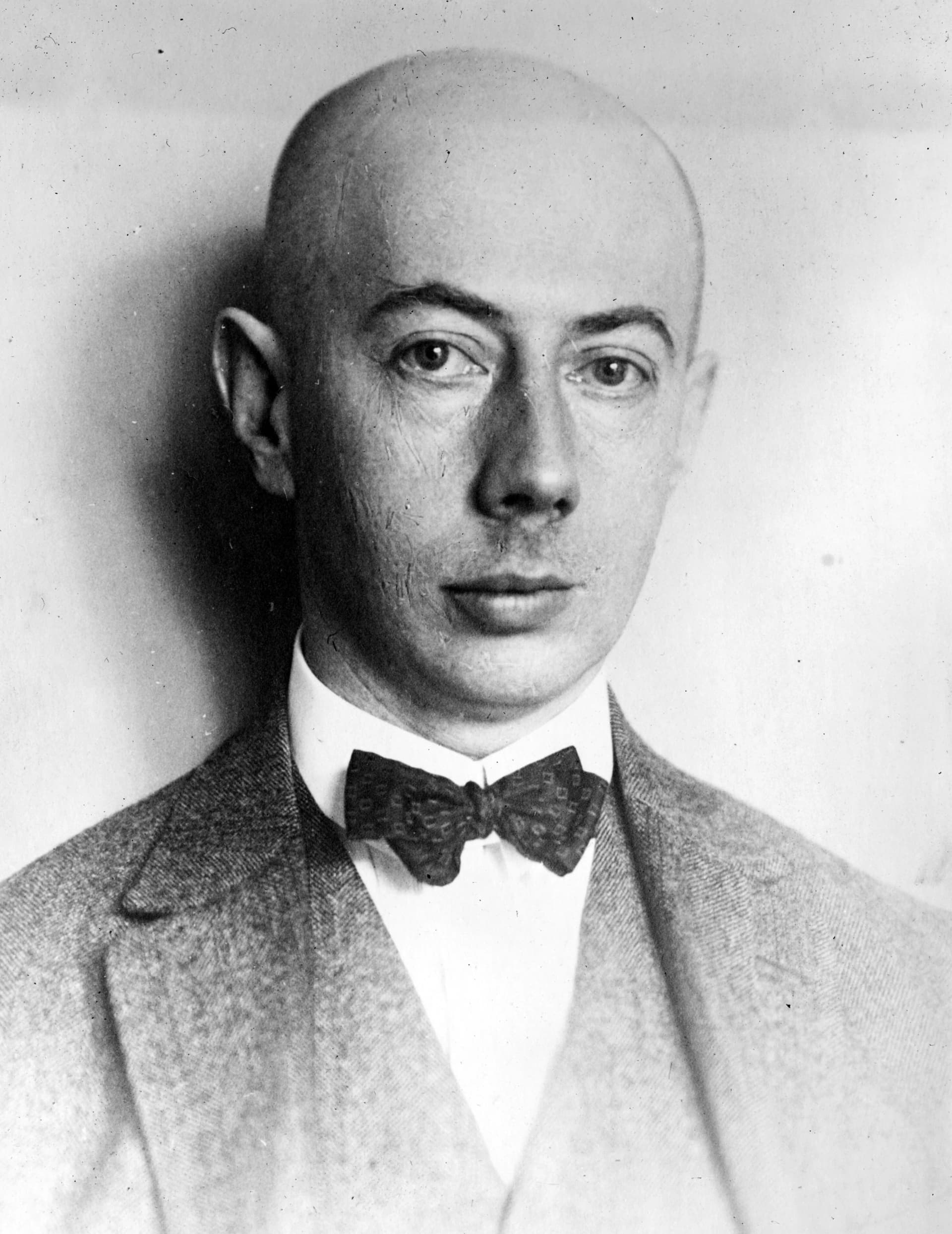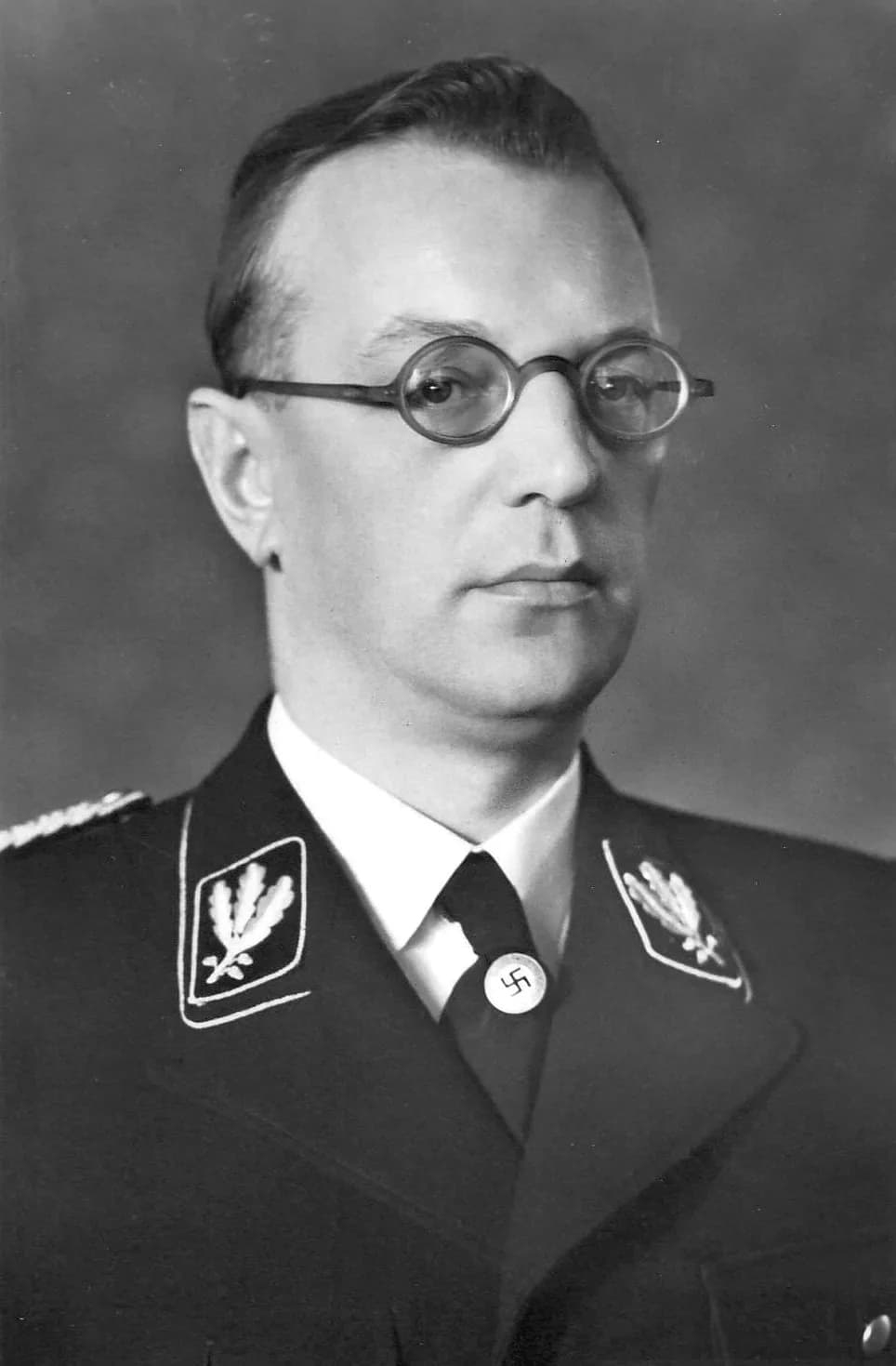
נולד
July 22, 1892
Stonařov, Czech Republic
נפטר
October 16, 1946
Nuremberg, Germany
ידוע בזכות
Austrian Nazi politician, and Nazi ruler of occupied Netherlands, convicted of crimes against humanity and sentenced to death
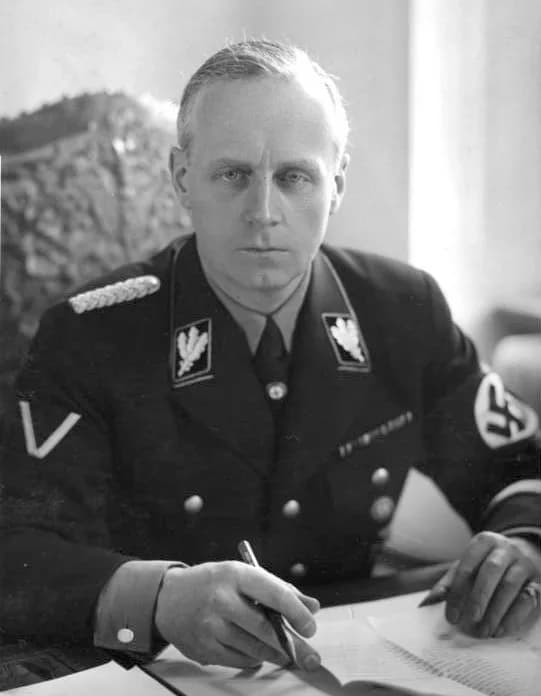
Arthur Seyss-Inquart (1892–1946) was Czech Republic best known for Austrian Nazi politician, and Nazi ruler of occupied Netherlands, convicted of crimes against humanity and sentenced to death.
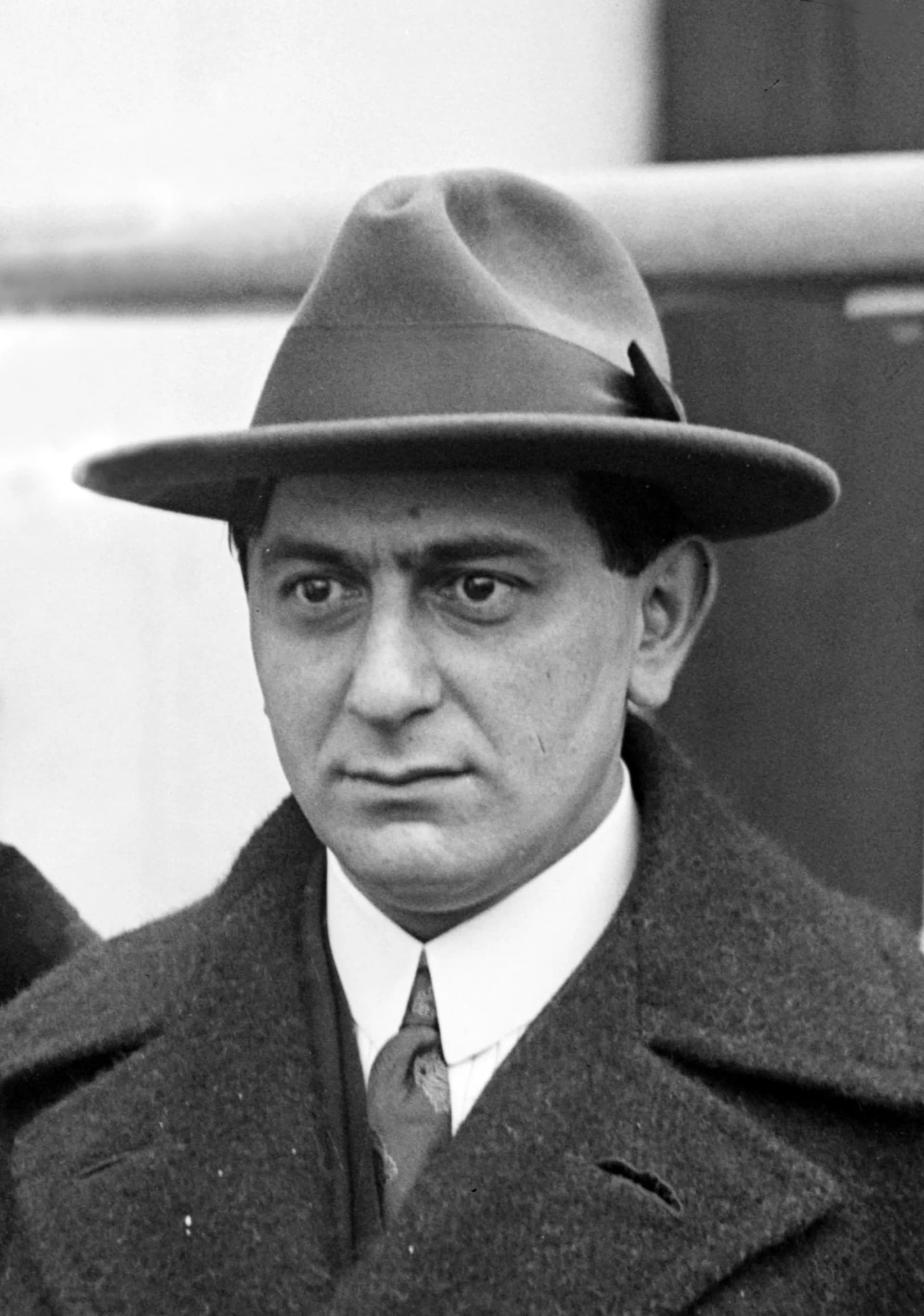
Arthur Seyss-Inquart (July 22, 1892 – October 16, 1946) was an Austrian Nazi politician, writer, and lawyer from Stonařov, Czech Republic. He served as Reichskommissar for the German-occupied Netherlands, sharing responsibility for deportations and atrocities. Convicted of crimes against humanity, his legacy remains tied to the period of the Holocaust.
חיים ברגעים
הרגעים שעיצבו חיים
פרק
פרקי חיים
פרק 1 · 1892· פרק 1 מתוך 8
Opening
Arthur Seyss-Inquart (July 22, 1892 – October 16, 1946) was an Austrian Nazi politician, writer, lawyer, jurist, and Holocaust perpetrator whose actions and roles left a significant and dark mark on 20th-century history. Born in Stonařov, Czech Republic, his career ascended through the ranks of the Nazi party, culminating in significant administrative positions during World War II. He was ultimately convicted of crimes against humanity and sentenced to death, a testament to the severe consequences of his involvement in the atrocities of the era. His life's trajectory, from legal professional to a key figure in Nazi occupation, is a complex study of political ambition and moral failure.
פרק 2 · 1892· פרק 2 מתוך 8
Early Life and Origins
Arthur Seyss-Inquart was born on July 22, 1892, in Stonařov, a town located in what is now the Czech Republic. His early life, though not extensively detailed in public records, set the foundation for his later political and professional pursuits. As he grew, he pursued an education that led him into the legal field, a profession that often attracts individuals interested in societal structure and governance. This formative period in Stonařov contributed to shaping the individual who would eventually play a significant role on the world stage.
פרק 3 · 1938· פרק 3 מתוך 8
Career Beginnings
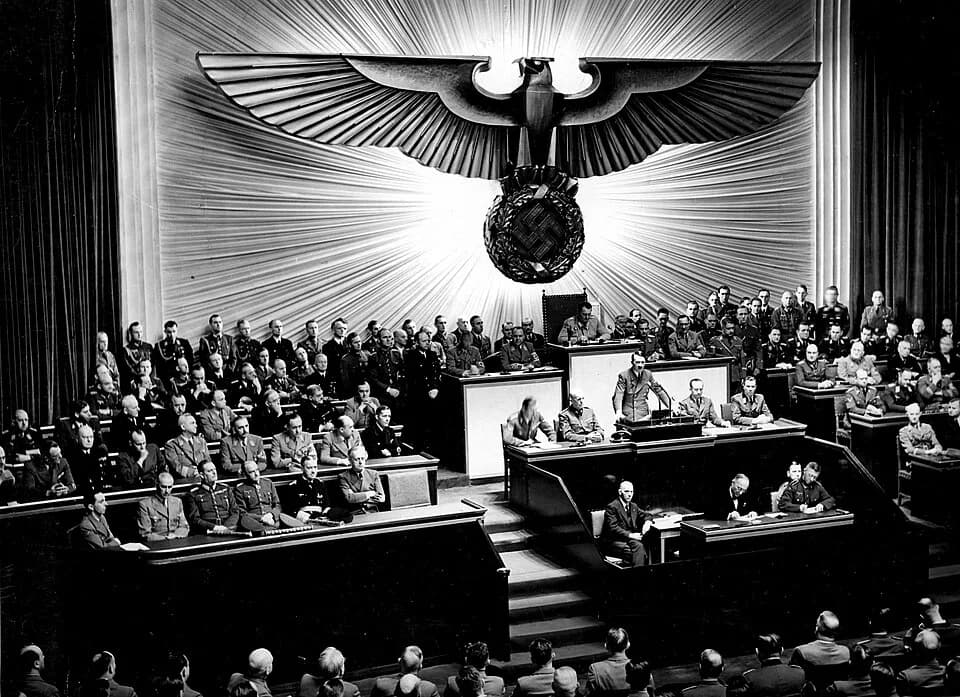
Seyss-Inquart initially established himself as a lawyer, a profession that honed his analytical skills and understanding of legal frameworks. His entry into the political arena saw him align with the rising National Socialist movement in Austria. His political ascent was swift, leading to his appointment as Chancellor of Austria in 1938. This specific tenure was remarkably brief, lasting only two days before the dramatic annexation of Austria into Nazi Germany, an event known as the Anschluss.
פרק 4· פרק 4 מתוך 8
Major Achievements and Career Highlights
Following Austria's incorporation into Germany, Arthur Seyss-Inquart's career continued to advance within the Nazi hierarchy, reflecting the regime's trust in his administrative capabilities. He was appointed deputy governor to Hans Frank in the General Government of Occupied Poland, a position that placed him directly within the brutal apparatus of Nazi occupation. Later, he assumed the powerful role of Reichskommissar for the German-occupied Netherlands, becoming the supreme civil authority in the occupied territory. In this capacity, he shared direct responsibility for the systematic deportation of Dutch Jews to concentration camps and for the execution of hostages, actions that are recognized as severe crimes against humanity.
His time in the Netherlands was marked by the systematic implementation of Nazi policies, which included widespread repression and the exploitation of resources. These actions contributed to immense suffering and loss of life among the Dutch civilian population. His administrative control extended to every aspect of Dutch society, from economic policy to public security, enforcing the will of the Nazi regime. The gravity of these responsibilities and the direct impact of his decisions would later become central to his indictment at the Nuremberg Trials.
פרק 5· פרק 5 מתוך 8
Personal Life
Details concerning Arthur Seyss-Inquart's personal life, including specifics about his family or private interests, are not extensively documented in the historical records provided. His public persona and career were predominantly defined by his political roles and activities within the Nazi regime. Consequently, information that might shed light on his private relationships or individual hobbies remains largely outside the scope of public historical accounts. The focus of historical study on Seyss-Inquart primarily centers on his official duties and the impact of his public actions during a tumultuous period.
פרק 6· פרק 6 מתוך 8
Notable Works or Contributions
Beyond his political and administrative roles, Arthur Seyss-Inquart also contributed to the intellectual and propagandistic output of the Nazi movement through his writings. Among his notable works, titles like "Worum es Geht, Warum Nationalsozialismus?" elucidated his ideological perspectives and rationale for National Socialism. He also authored "Vier Jahren in den Niederlanden," which likely offered an account or justification of his administration during the occupation of the Netherlands. Another significant publication attributed to him is "Idee und Gestalt des Reiches," exploring the conceptual framework of the 'Reich' from his viewpoint, further illustrating his engagement with Nazi ideology.
פרק 7 · 1946· פרק 7 מתוך 8
Later Years
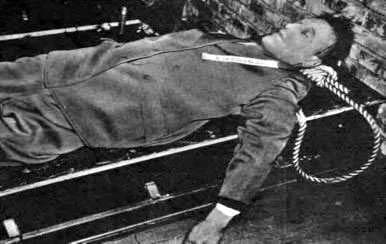
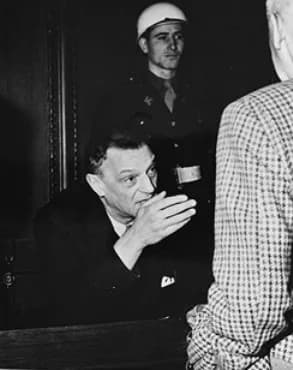
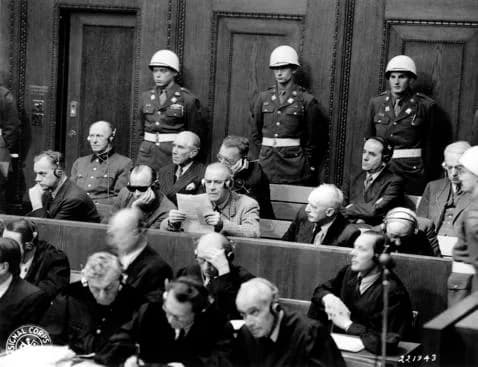
As World War II drew to a close, Arthur Seyss-Inquart was among the high-ranking Nazi officials apprehended by Allied forces. He was subsequently brought before the International Military Tribunal at Nuremberg, charged with grave offenses against international law. The tribunal meticulously reviewed evidence pertaining to his actions as a key figure in the Nazi regime, particularly his responsibilities in occupied territories. On October 1, 1946, he was convicted of crimes against humanity, a judicial finding that unequivocally established his guilt in the atrocities committed under his authority. He was sentenced to death and subsequently executed by hanging on October 16, 1946, in Nuremberg, Germany, marking the final chapter of his life.
פרק 8· פרק 8 מתוך 8
Legacy and Impact
Arthur Seyss-Inquart's legacy is inextricably linked to the dark period of World War II and the Holocaust, serving as a stark historical example of an individual complicit in grave crimes. His conviction at the Nuremberg Trials solidified his place in history as a perpetrator of unimaginable suffering and a symbol of the ultimate accountability for wartime atrocities. The historical record emphasizes his direct involvement in the persecution of Jewish populations and the violent oppression of occupied nations. His life story continues to be studied as a critical component in understanding the machinery of the Nazi regime and the pursuit of justice in the aftermath of its collapse.
שאלות נפוצות
שאלות נפוצות
מתי נפטר/ה Arthur Seyss-Inquart?
Arthur Seyss-Inquart נפטר/ה ב-16 באוקטובר 1946 ב-Nuremberg, Germany בגיל 54.
היכן נולד/ה Arthur Seyss-Inquart?
Arthur Seyss-Inquart נולד/ה ב-Stonařov, Czech Republic ב-22 ביולי 1892.
במה הכי מפורסם/ת Arthur Seyss-Inquart?
Arthur Seyss-Inquart הכי מפורסם/ת בזכות Austrian Nazi politician, and Nazi ruler of occupied Netherlands, convicted of crimes against humanity and sentenced to death.
בן/בת כמה היה/הייתה Arthur Seyss-Inquart בעת מותו/ה?
Arthur Seyss-Inquart היה/הייתה בן/בת 54 בעת מותו/ה.
מה הייתה האזרחות של Arthur Seyss-Inquart?
Arthur Seyss-Inquart היה/הייתה מ-Czech Republic.
ציר זמן
חיים במבט מהיר
- 1892
Opening
- 1892
Early Life and Origins
- 1938
Career Beginnings
- 1946
Later Years
גלריית תמונות
חיים בתמונות
לחצו על כל פולארויד להגדלה · 49 תמונות
קוד QR
שיתוף ביוגרפיה זו
הדפסה ושיתוף
סרקו לביקור בדף ביוגרפיה זה. הדפיסו לאירועים, תערוכות או חומרים חינוכיים.