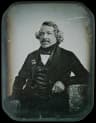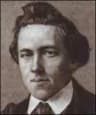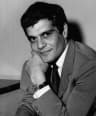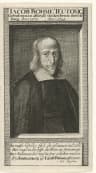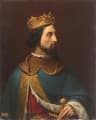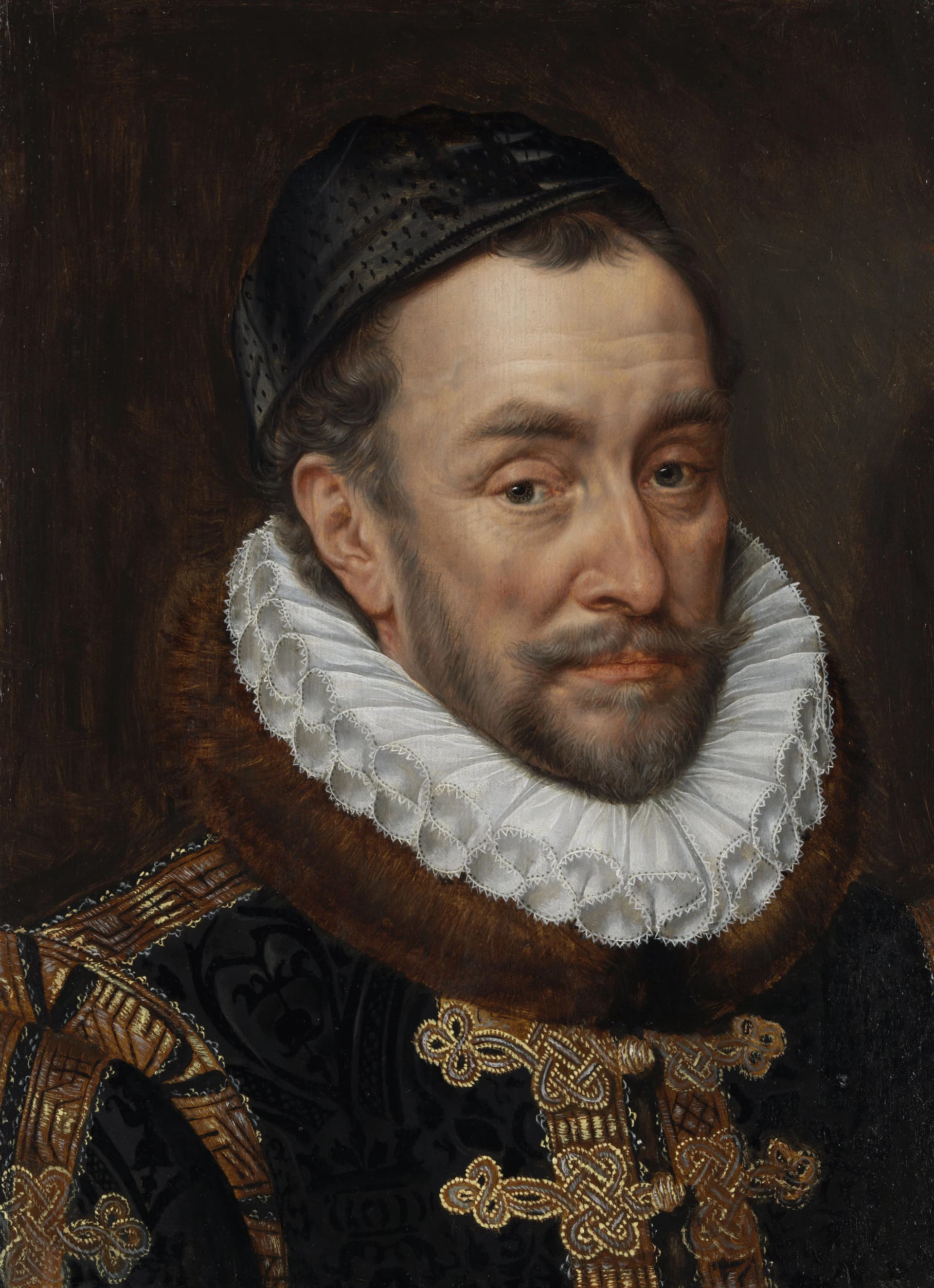
Nacido
May 4, 1533
Dillenburg, Germany
Falecido
July 10, 1584
Delft, Netherlands
Coñecido por
Dutch statesman and revolt leader
William the Silent (1533–1584) was Germany best known for Dutch statesman and revolt leader.
William the Silent (May 4, 1533 – July 10, 1584) was a Dutch statesman and military leader from Dillenburg, Germany. He led the Dutch revolt against the Spanish Habsburgs, initiating the Eighty Years' War. This resistance ultimately resulted in the formal independence of the United Provinces.
Capítulo
Capítulos da vida
Capítulo 1 · 1533· Capítulo 1 de 7
Early Life and Origins
Born on May 4, 1533, in Dillenburg, Germany, William belonged to the noble House of Nassau. His upbringing instilled in him a strong sense of duty and a keen understanding of European politics. He ascended to the prestigious title of Prince of Orange in 1544, marking a significant early milestone in his life.
This inheritance established him as the founder of the Orange-Nassau branch, a lineage that continues to this day. Through this branch, William is recognized as the direct ancestor of the monarchy of the Netherlands. His early life set the stage for his later leadership and the lasting impact he would have on his nation.
Capítulo 2· Capítulo 2 de 7
Career Beginnings
William's career began to take shape within the complex and often turbulent political landscape of 16th-century Europe. As a politician, he navigated alliances and rivalries among powerful families and states. His early experiences cultivated his skills in diplomacy and governance, which proved invaluable in the decades that followed.
Simultaneously, he developed his capabilities as a military leader, gaining experience in various capacities. These initial forays into statecraft and command prepared him for the monumental task of leading a national rebellion. He gradually built a reputation for strategic thinking and steadfast resolve.
Capítulo 3 · 1568· Capítulo 3 de 7
Major Achievements and Career Highlights
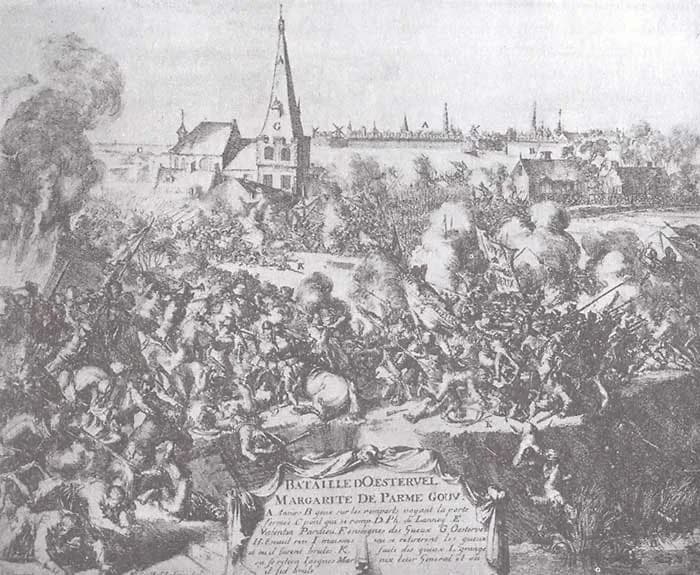
William the Silent is primarily renowned for his courageous leadership of the Dutch revolt against Spanish Habsburg rule. This pivotal struggle began in 1568, igniting what is historically known as the Eighty Years' War. His unwavering determination inspired the Dutch people to fight for their freedom and sovereignty.
He is widely celebrated for uniting disparate factions within the Netherlands under a common cause against their Spanish overlords. His vision for a free and independent Netherlands guided the resistance movement through many difficult years. This sustained effort laid the essential groundwork for the eventual independence that would be achieved decades later.
Capítulo 4 · 1544· Capítulo 4 de 7
Personal Life
As a member of the House of Nassau and later the Prince of Orange, William's personal life was intrinsically linked to the political and dynastic affairs of his time. His accession to the princely title in 1544 established a direct line of succession. This crucial event made him the founder of the Orange-Nassau branch.
His family's history and lineage are central to the identity of the Dutch monarchy. William is, therefore, honored as the direct ancestor of the current monarchy of the Netherlands. His personal choices and family legacy continue to resonate through the centuries.
Capítulo 5· Capítulo 5 de 7
Notable Works or Contributions
William's most profound contribution was his leadership in initiating and sustaining the Dutch revolt. This monumental effort fundamentally altered the course of European history. He provided the necessary inspiration and strategic direction for a people seeking self-determination.
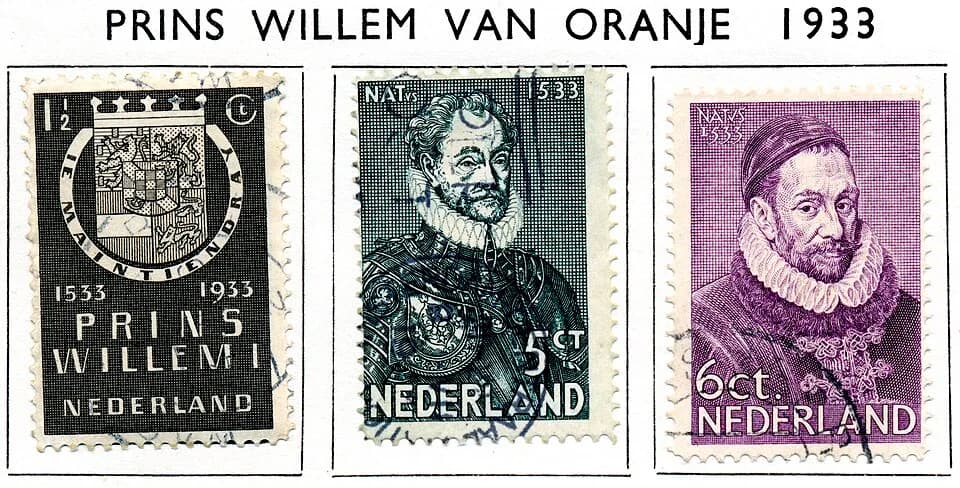
His significance is so profound that he is immortalized in the Dutch National anthem as Willem van Nassau. Across the Netherlands, he is affectionately known by the honorary title of "Father of the Fatherland." These distinctions reflect his lasting cultural and historical importance to the Dutch nation.
Capítulo 6 · 1568· Capítulo 6 de 7
Later Years
The Eighty Years' War, which William initiated, continued its relentless course after its outbreak in 1568. William remained a central figure in the struggle throughout his life, tirelessly advocating for Dutch autonomy. His dedication to the cause was absolute, even in the face of constant danger.
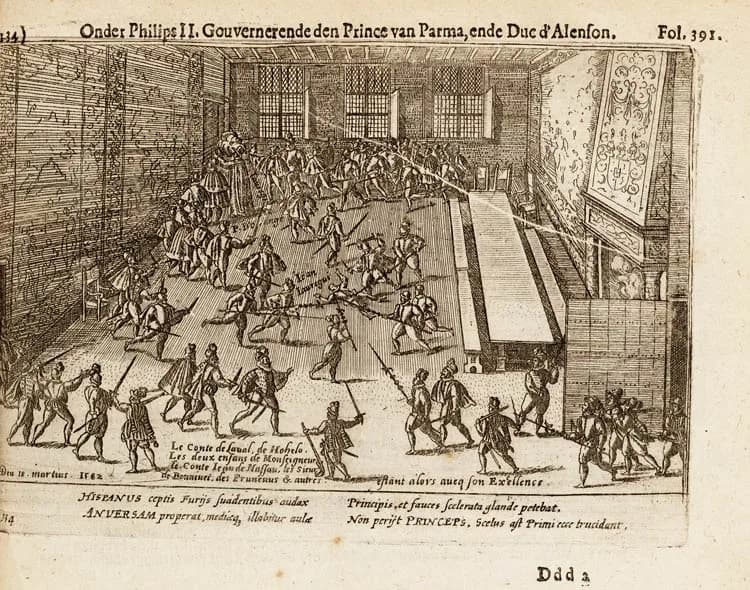
Tragically, William the Silent was assassinated on July 10, 1584, in Delft, Netherlands. His death was a severe blow to the Dutch cause, but his legacy of resistance and perseverance continued to fuel the fight. He died a martyr for Dutch liberty, just over two decades into the long war for independence.
Capítulo 7 · 1648· Capítulo 7 de 7
Legacy and Impact
William the Silent's unwavering commitment to Dutch freedom left an enduring impact that reshaped the geopolitical map of Europe. His leadership in the revolt directly contributed to the formal independence of the United Provinces, achieved in 1648. This outcome was a direct fulfillment of the vision he championed.
He is remembered as a national hero, revered for his courage, political acumen, and dedication to his people. His struggle against Spanish imperial power established a powerful precedent for national sovereignty. William the Silent remains an iconic figure, a symbol of Dutch resilience and the architect of their independence.
Unha vida en momentos
Os momentos que deron forma a unha vida
Preguntas frecuentes
Preguntas frecuentes
Cando morreu William the Silent?
William the Silent morreu o 10 de xullo de 1584 en Delft, Netherlands aos 51 anos.
Onde naceu William the Silent?
William the Silent naceu en Dillenburg, Germany o 4 de maio de 1533.
Por que é máis coñecido(a) William the Silent?
William the Silent é coñecido(a) sobre todo por Dutch statesman and revolt leader.
Cantos anos tiña William the Silent cando morreu?
William the Silent tiña 51 anos no momento da súa morte.
Cal era a nacionalidade de William the Silent?
William the Silent era de Germany.
Cronoloxía
A vida en resumo
Galería de fotos
Unha vida en imaxes
Fai clic en calquera polaroid para ampliar · 25 fotos
Código QR
Compartir esta biografía
Imprimir e Compartir
Escanea para visitar esta páxina de biografía. Imprime para eventos, exposicións ou materiais educativos.