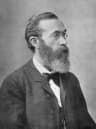
Nacido
June 10, 1832
Holzhausen an der Haide, Germany
Falecido
January 26, 1891
Cologne, Germany
Coñecido por
German inventor
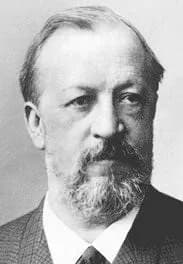
Nicolaus Otto (1832–1891) was Germany best known for German inventor.
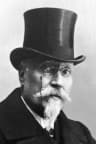
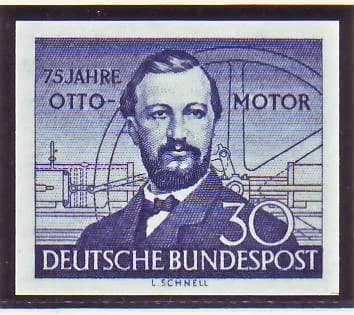
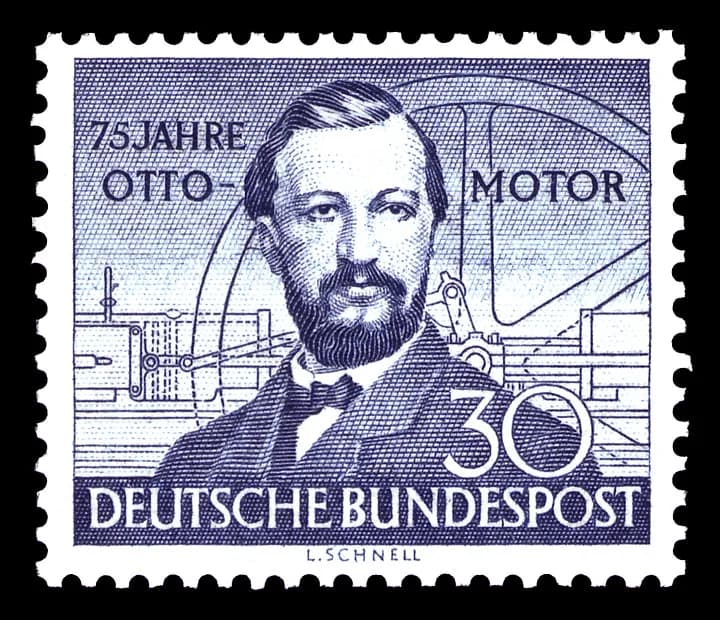
Nicolaus Otto (June 10, 1832 – January 26, 1891) was a German engineer and inventor. He successfully developed the compressed charge internal combustion engine, which became the basis for modern engines. His work led to the widely recognized "Otto Engine" standard.
Capítulo
Capítulos da vida
Capítulo 1 · 1832· Capítulo 1 de 6
Early Life and Origins
Born on June 10, 1832, in Holzhausen an der Haide, Germany, Nicolaus Otto's early life laid the foundation for his future endeavors in engineering. His birth in a modest German community suggests an upbringing where practical skills and observation might have been highly valued. Although specific details about his family and childhood education are not extensively documented, his later career demonstrates a deep aptitude for mechanics and innovation that must have been nurtured from an early age.
Capítulo 2· Capítulo 2 de 6
Career Beginnings
As a young man, Nicolaus Otto embarked on a career path that encompassed various technical and industrial roles, including mechanical technician and design engineer. These professions provided him with practical experience and a thorough understanding of mechanical principles. His innate curiosity and engineering talent soon drove him towards the burgeoning field of internal combustion, recognizing its immense potential for future power generation.
Capítulo 3· Capítulo 3 de 6
Major Achievements and Career Highlights
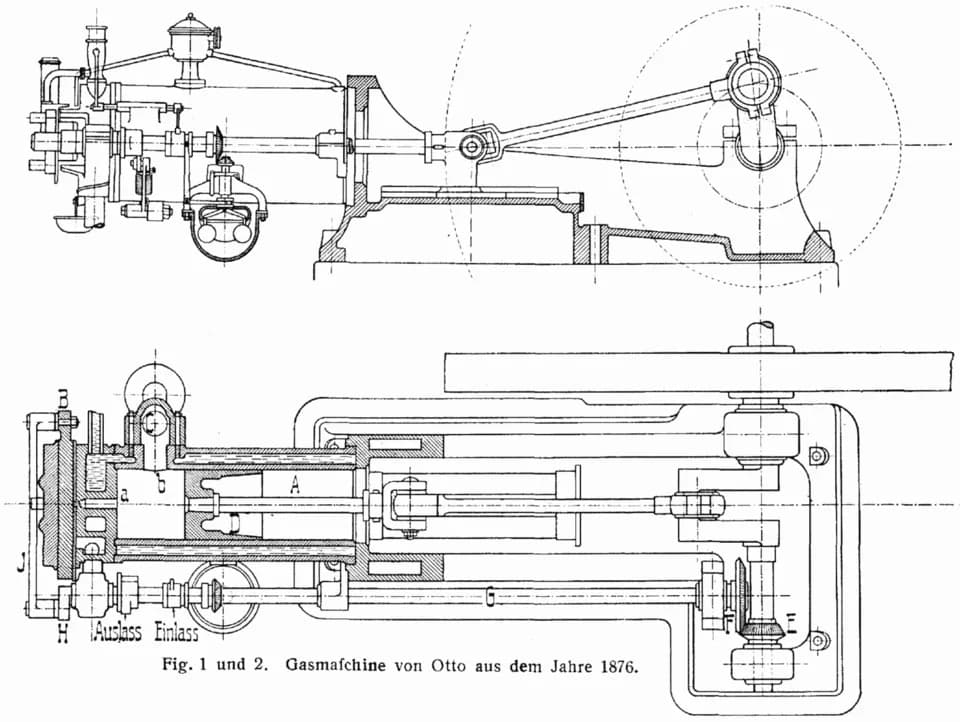
Otto's most significant achievement was the successful development of the compressed charge internal combustion engine, which operated using petroleum gas. This engineering feat represented a substantial leap forward from earlier, less practical engine designs. His innovation was not just a theoretical concept; he managed to create a working engine that demonstrated the efficacy and efficiency of his design principles.
The lasting importance of Otto's work was formally recognized by the Association of German Engineers (VDI). They established DIN standard 1940, which defines an "Otto Engine" as an internal combustion engine where the ignition of the compressed fuel-air mixture is initiated by a timed spark. This standard has since been universally applied to all engines of this specific type, solidifying his name in engineering terminology.
Capítulo 4· Capítulo 4 de 6
Notable Works or Contributions
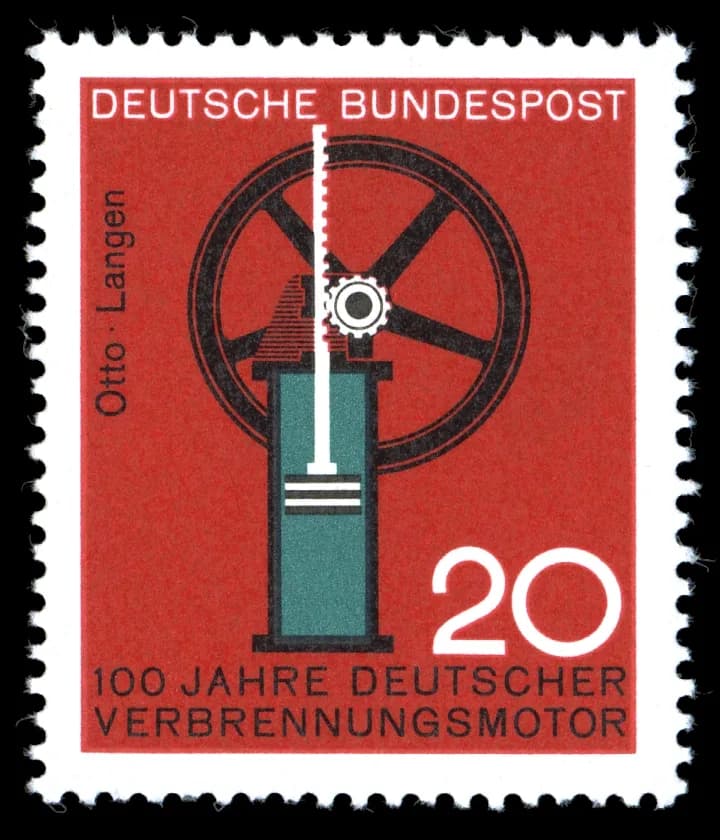
The "Otto engine" itself stands as Nicolaus Otto's primary and most impactful contribution to the world. This four-stroke engine design was a pioneering mechanism, making the internal combustion engine a viable and powerful technology. Its method of compressing the fuel-air mixture before ignition significantly improved efficiency and power output, setting it apart from previous attempts.
His work paved the way for the widespread adoption of internal combustion engines in various applications, from industrial machinery to early automobiles. Without Otto's successful development and refinement of this critical technology, the rapid advancements in transportation and industrialization that followed would have been severely delayed. He didn't just invent an engine; he invented a principle that became a cornerstone of modern engineering.
Capítulo 5 · 1891· Capítulo 5 de 6
Later Years
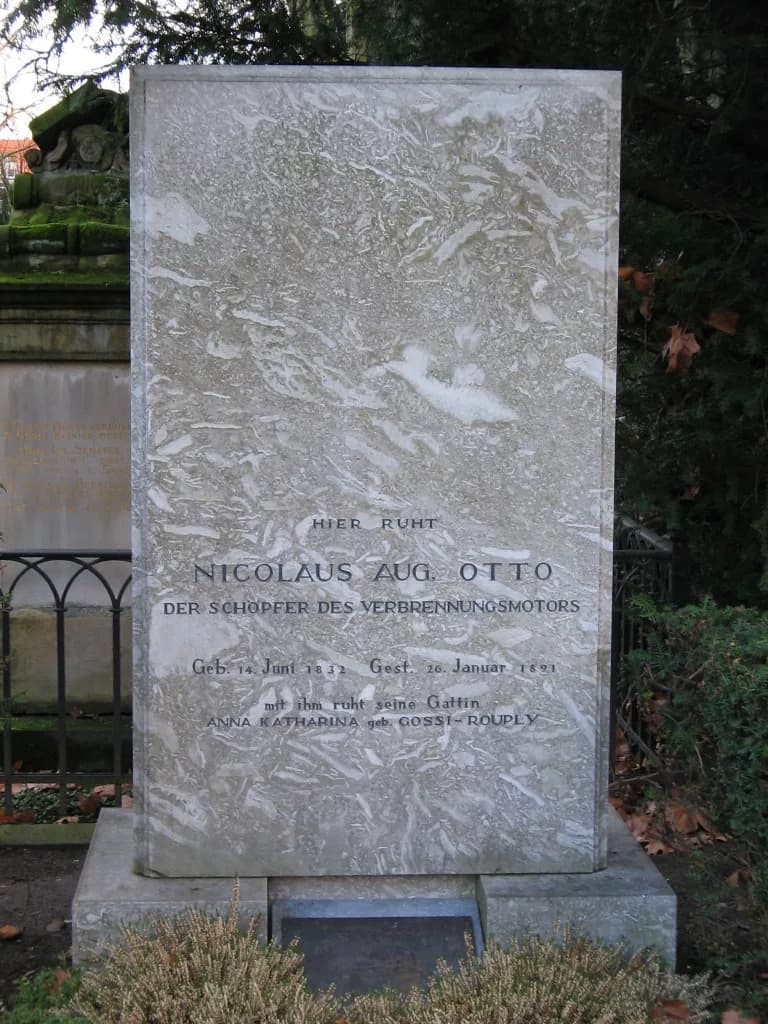
Nicolaus Otto continued his work as an inventor, entrepreneur, and industrialist through his later years, contributing to the growth and application of his revolutionary engine design. He saw his vision take shape, with his principles becoming increasingly adopted across industries. He passed away on January 26, 1891, in Cologne, Germany, leaving behind a world on the cusp of a mechanical revolution he largely initiated.
Capítulo 6· Capítulo 6 de 6
Legacy and Impact
The legacy of Nicolaus Otto is woven into the very fabric of modern industrial society. His internal combustion engine design became the bedrock upon which countless technological advancements were built. Every vehicle, machine, and power generator operating on the principle of a spark-ignited, compressed fuel-air mixture owes a debt to Otto's ingenuity.
His name is immortalized not just in history books but in technical standards and the very vocabulary of engineering. The "Otto cycle" remains a fundamental concept taught in mechanical engineering courses worldwide, underscoring his lasting intellectual and practical influence. Nicolaus Otto is remembered as a true pioneer, whose inventive spirit propelled humanity into a new era of mechanical power and innovation.
Unha vida en momentos
Os momentos que deron forma a unha vida
Preguntas frecuentes
Preguntas frecuentes
Cando morreu Nicolaus Otto?
Nicolaus Otto morreu o 26 de xaneiro de 1891 en Cologne, Germany aos 58 anos.
Onde naceu Nicolaus Otto?
Nicolaus Otto naceu en Holzhausen an der Haide, Germany o 10 de xuño de 1832.
Por que é máis coñecido(a) Nicolaus Otto?
Nicolaus Otto é coñecido(a) sobre todo por German inventor.
Cantos anos tiña Nicolaus Otto cando morreu?
Nicolaus Otto tiña 58 anos no momento da súa morte.
Cal era a nacionalidade de Nicolaus Otto?
Nicolaus Otto era de Germany.
Cronoloxía
A vida en resumo
Galería de fotos
Unha vida en imaxes
Fai clic en calquera polaroid para ampliar · 23 fotos
Código QR
Compartir esta biografía
Imprimir e Compartir
Escanea para visitar esta páxina de biografía. Imprime para eventos, exposicións ou materiais educativos.