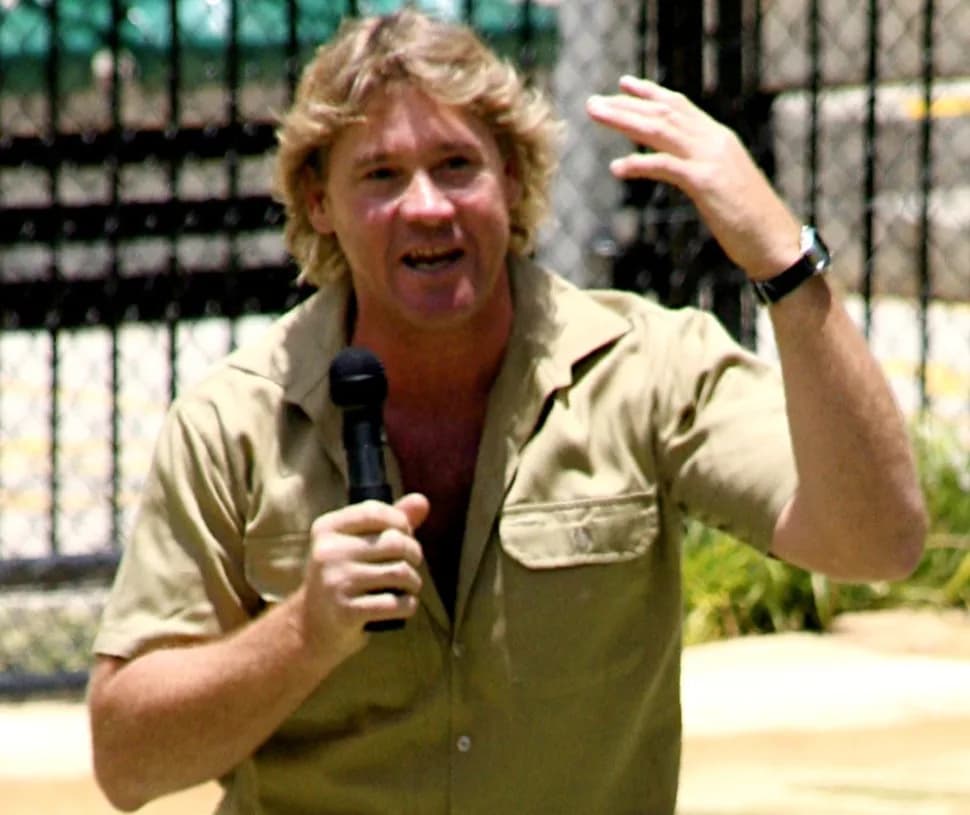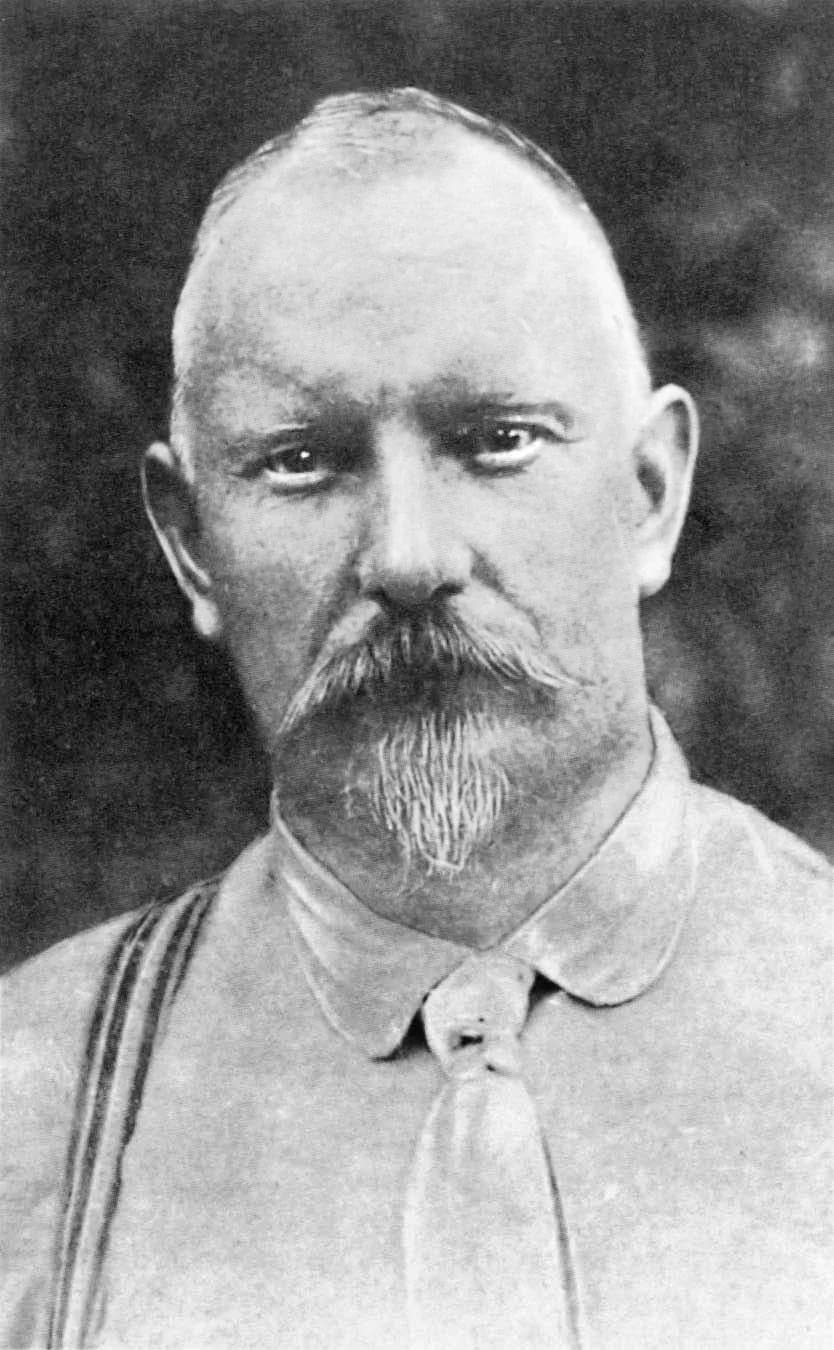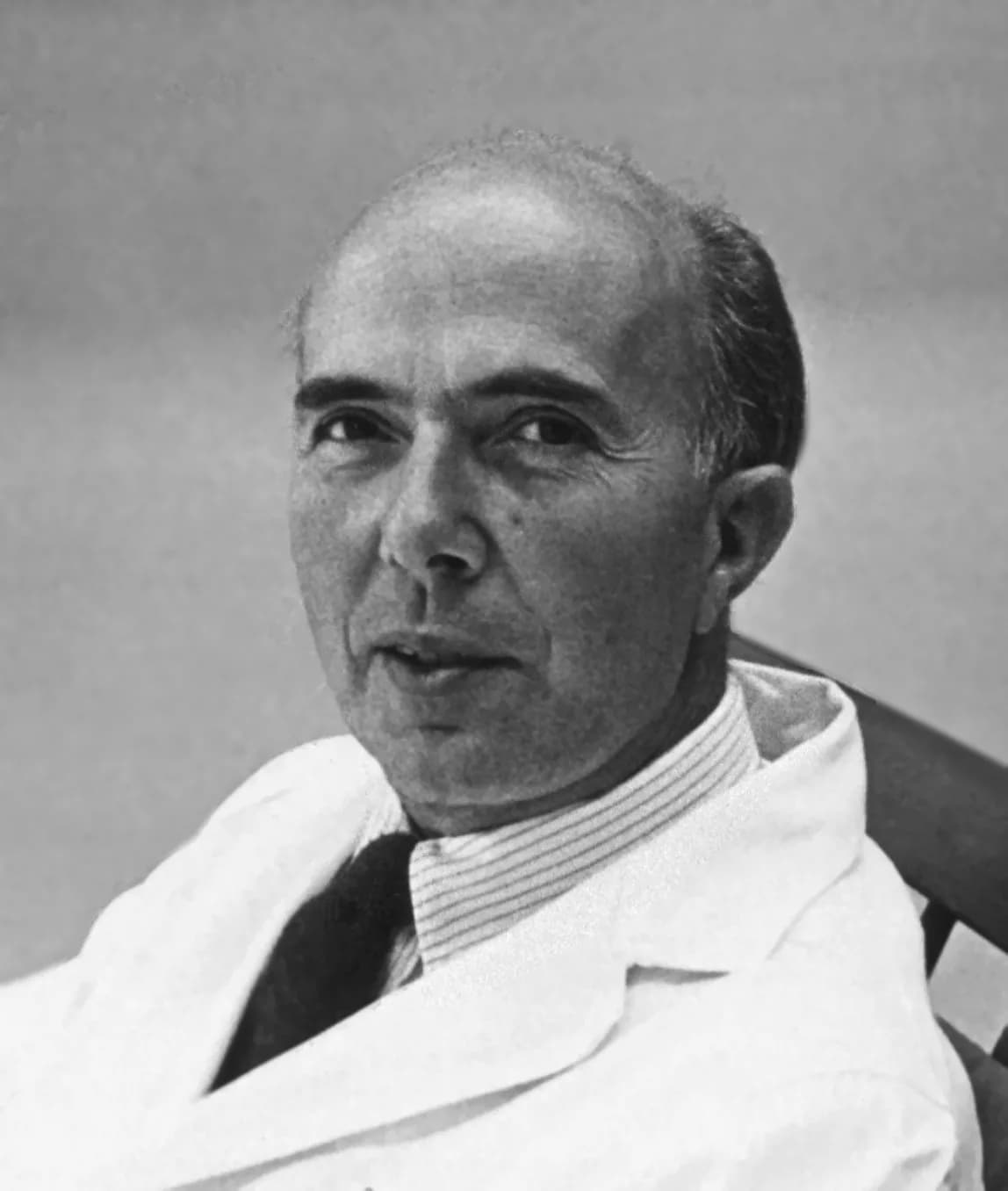
Nacido
February 22, 1900
Calanda, Spain
Falecido
July 29, 1983
Mexico City, Mexico
Coñecido por
Spanish-Mexican filmmaker
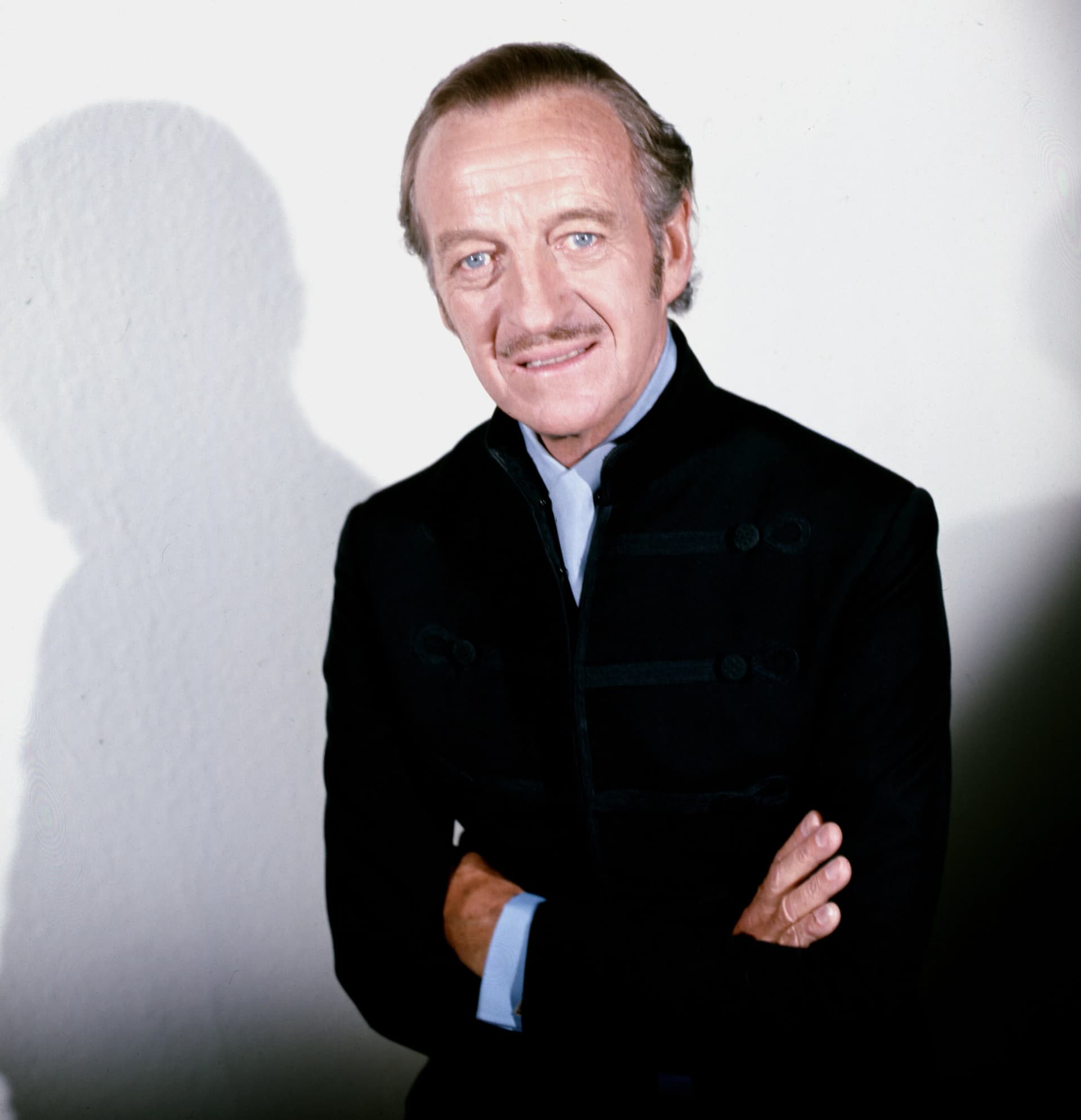
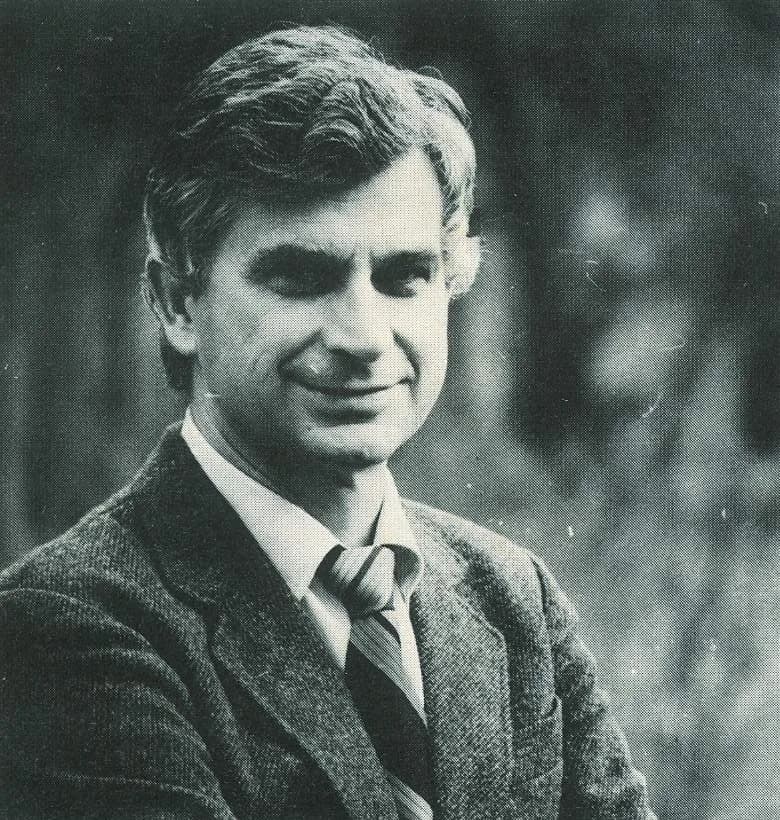
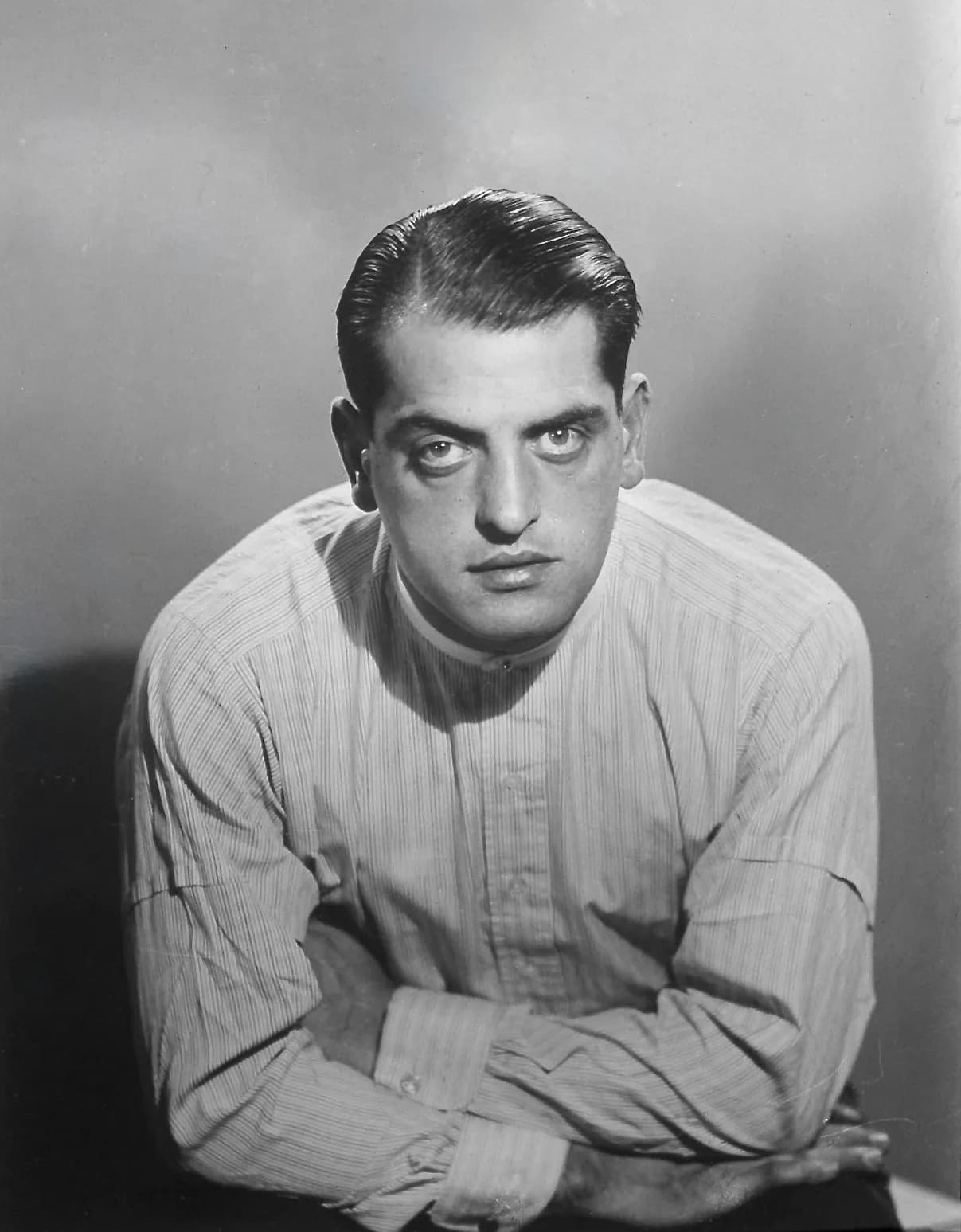
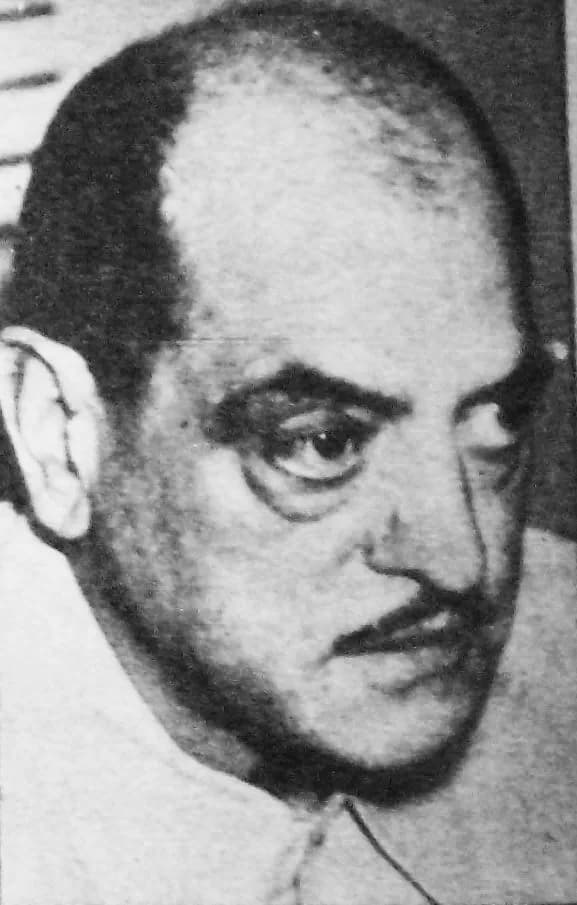
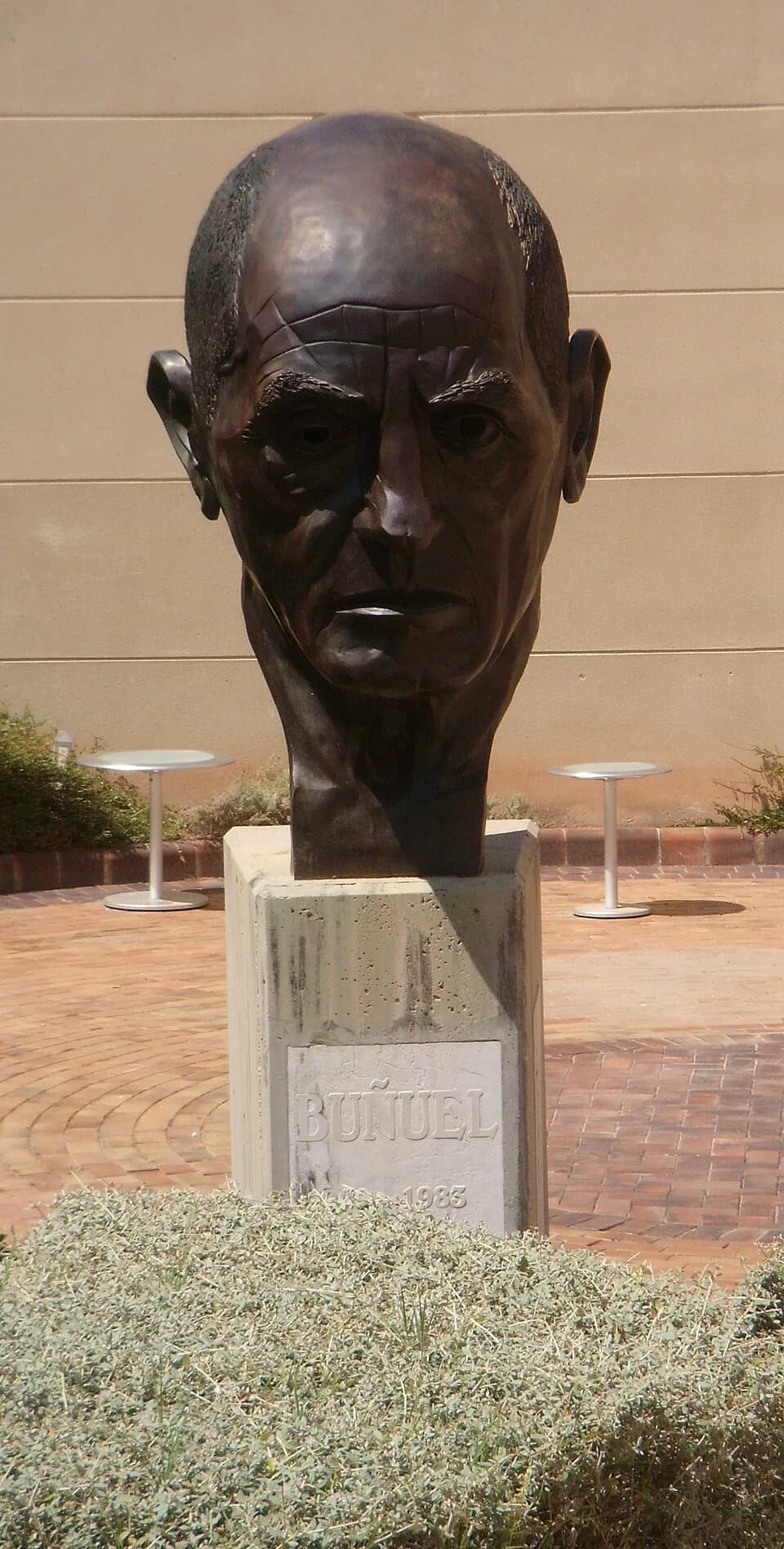
Luis Buñuel (1900–1983) was Spain best known for Spanish-Mexican filmmaker.
Luis Buñuel Portolés (February 22, 1900 – July 29, 1983) was a Spanish-Mexican filmmaker who worked across France, Mexico, and Spain. He is widely considered one of the greatest and most influential filmmakers of all time, known for his avant-garde surrealism infused with political commentary.
Unha vida en momentos
Os momentos que deron forma a unha vida

Capítulo
Capítulos da vida
Capítulo 1 · 1900· Capítulo 1 de 7
Early Life and Origins
Luis Buñuel was born on February 22, 1900, in the small town of Calanda, located in the Aragon region of Spain. This rural Spanish setting would later influence his artistic sensibilities and provide a backdrop for his lifelong fascination with tradition, religion, and social structures. Growing up in a conservative Catholic environment, Buñuel experienced firsthand the rigid social conventions that he would later critique and subvert through his films.
Capítulo 2· Capítulo 2 de 7
Career Beginnings
Buñuel's entry into filmmaking marked the beginning of a revolutionary approach to cinema. His early work established him as a pioneer of surrealist film, challenging audiences with unconventional narratives and disturbing imagery. These initial projects laid the foundation for a career that would span decades and multiple countries, as he developed his distinctive style of blending the fantastical with the political.
Capítulo 3· Capítulo 3 de 7
Major Achievements and Career Highlights
Among Buñuel's most celebrated works is "Un perro andaluz" (An Andalusian Dog), a groundbreaking surrealist short film that shocked and captivated audiences with its dreamlike sequences and provocative imagery. "Los olvidados" (The Young and the Damned) demonstrated his ability to combine social realism with his signature surrealist touches, earning international acclaim and establishing his reputation as a serious filmmaker. His later works, including "Nazarin," "Simon du désert," and "The Phantom of Liberty," continued to explore themes of religion, social hypocrisy, and human nature through his unique cinematic lens.
Capítulo 4· Capítulo 4 de 7
International Career and Cross-Cultural Impact
Buñuel's career was truly international, as he worked across three countries and created films in multiple languages. His time in Mexico proved particularly fruitful, where he found the creative freedom to develop his mature style while engaging with different cultural contexts. This international perspective enriched his work and allowed him to comment on universal themes while maintaining his distinctive Spanish sensibility.
Capítulo 5· Capítulo 5 de 7
Artistic Philosophy and Surrealist Vision
What set Buñuel apart was his masterful use of surrealism as a tool for social and political commentary. Rather than creating abstract art for its own sake, he employed dreamlike sequences, unexpected juxtapositions, and shocking imagery to expose the contradictions and hypocrisies of bourgeois society. His films often featured religious imagery used in subversive ways, reflecting his complex relationship with the Catholic Church and Spanish traditions.
Capítulo 6· Capítulo 6 de 7
Later Years and Final Works
Even in his later career, Buñuel continued to create challenging and thought-provoking films that pushed artistic boundaries. Works like "Le journal d'une femme de chambre" and "La vía láctea" demonstrated his continued vitality as an artist and his unwavering commitment to his unique vision. He remained active in filmmaking well into his later years, never compromising his artistic integrity or succumbing to commercial pressures.
Capítulo 7 · 1983· Capítulo 7 de 7
Legacy and Impact
Luis Buñuel passed away on July 29, 1983, in Mexico City, Mexico, leaving behind a body of work that continues to influence filmmakers around the world. His fearless approach to controversial subjects and his innovative use of surrealist techniques opened new possibilities for cinematic expression. Directors and critics continue to study his films for their artistic merit and their bold commentary on society, religion, and human nature. His influence extends far beyond the surrealist movement, inspiring generations of filmmakers to challenge conventions and use cinema as a means of social and political expression.
Preguntas frecuentes
Preguntas frecuentes
Cando morreu Luis Buñuel?
Luis Buñuel morreu o 29 de xullo de 1983 en Mexico City, Mexico aos 83 anos.
Onde naceu Luis Buñuel?
Luis Buñuel naceu en Calanda, Spain o 22 de febreiro de 1900.
Por que é máis coñecido(a) Luis Buñuel?
Luis Buñuel é coñecido(a) sobre todo por Spanish-Mexican filmmaker.
Cantos anos tiña Luis Buñuel cando morreu?
Luis Buñuel tiña 83 anos no momento da súa morte.
Cal era a nacionalidade de Luis Buñuel?
Luis Buñuel era de Spain.
Cronoloxía
A vida en resumo
Galería de fotos
Unha vida en imaxes
Fai clic en calquera polaroid para ampliar · 44 fotos
Código QR
Compartir esta biografía
Imprimir e Compartir
Escanea para visitar esta páxina de biografía. Imprime para eventos, exposicións ou materiais educativos.