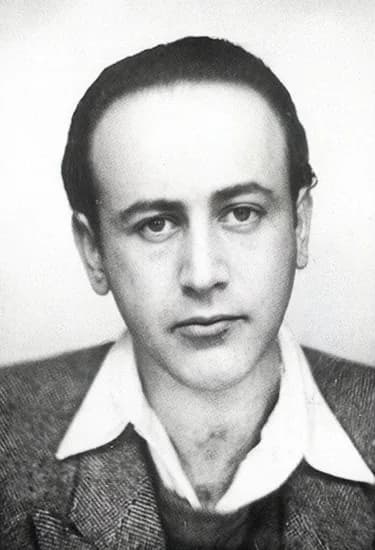
Nacido
November 23, 1933
Dębica, Poland
Falecido
March 29, 2020
Kraków, Poland
Coñecido por
Polish composer and conductor
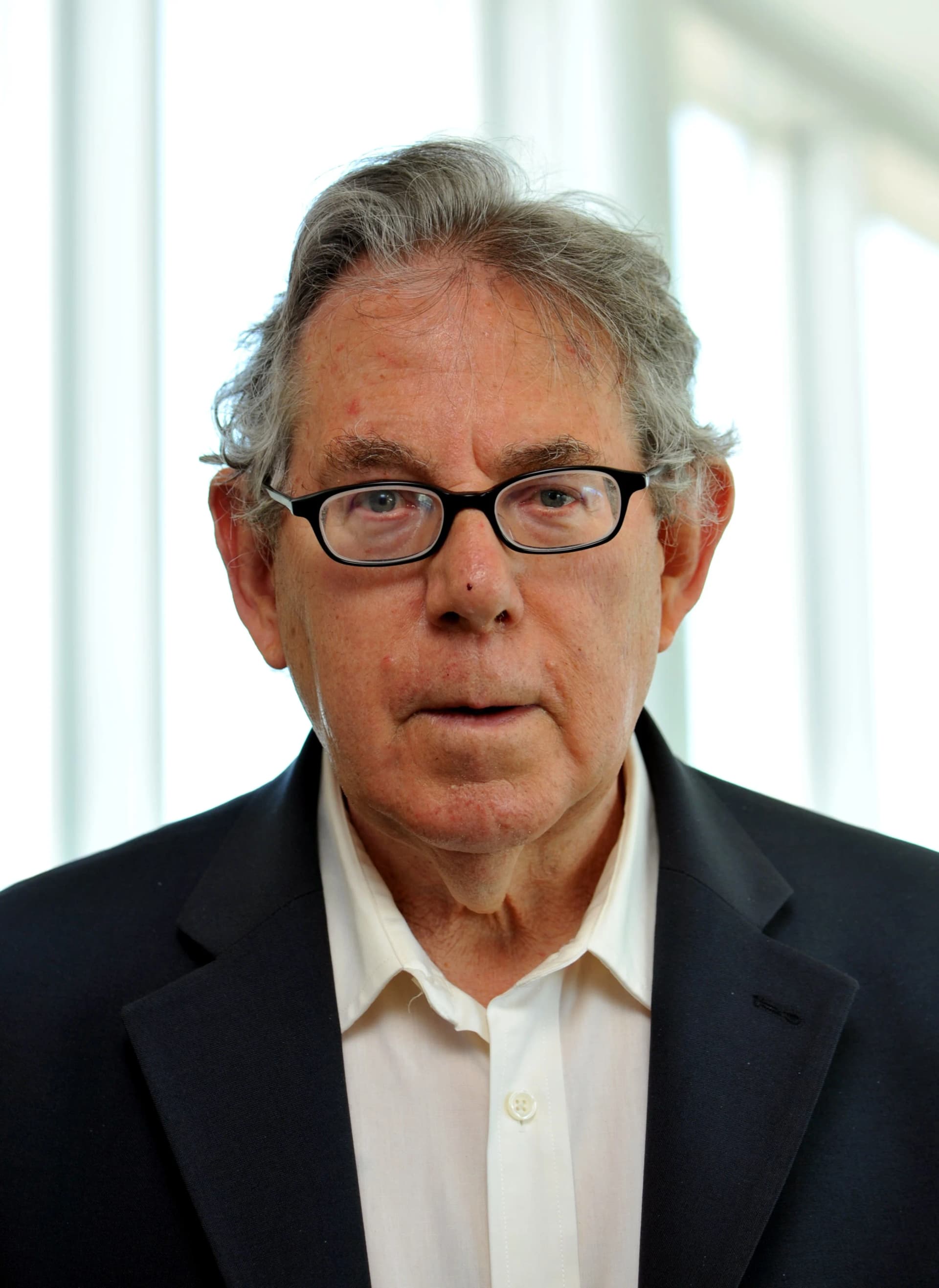
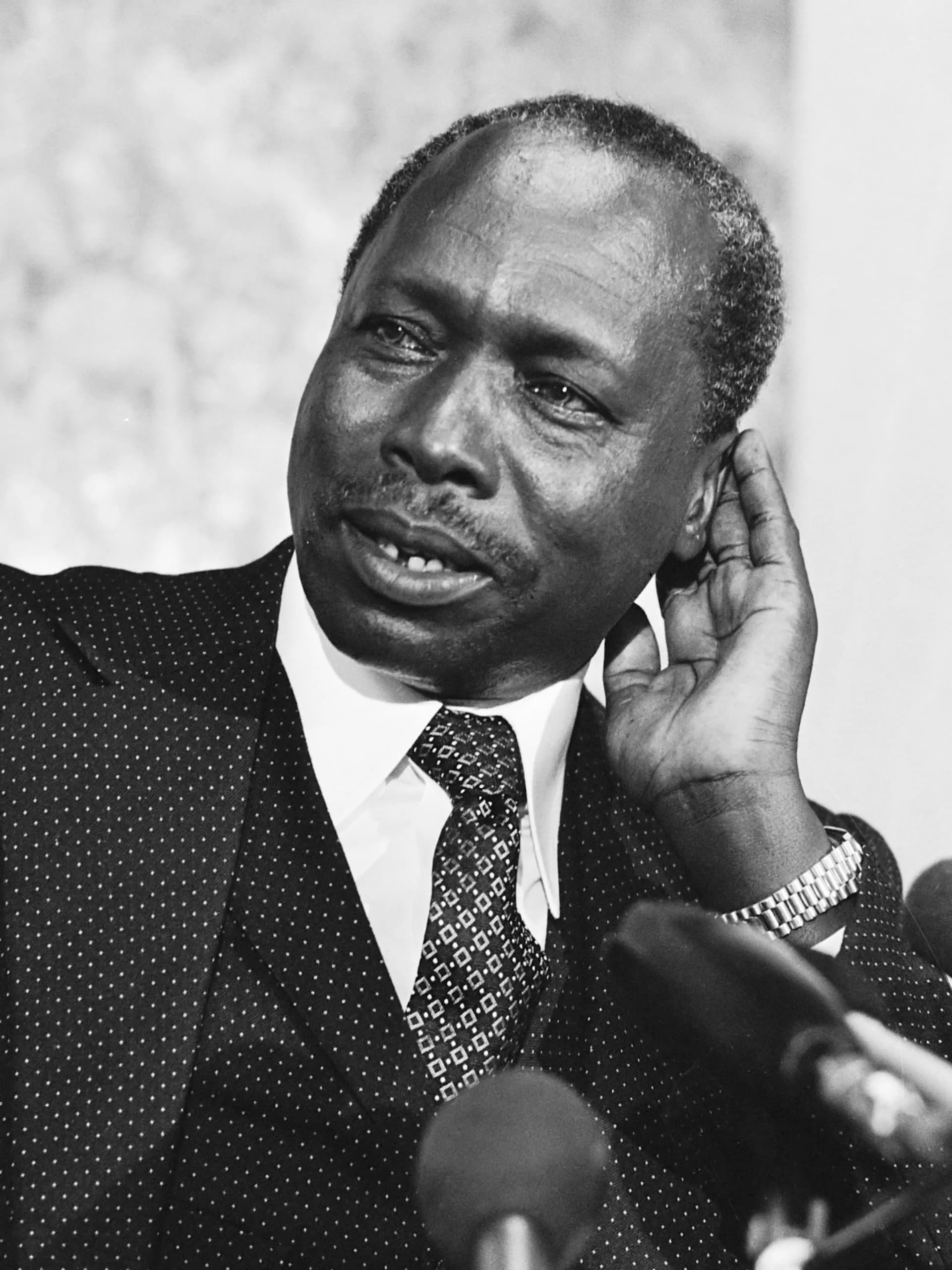
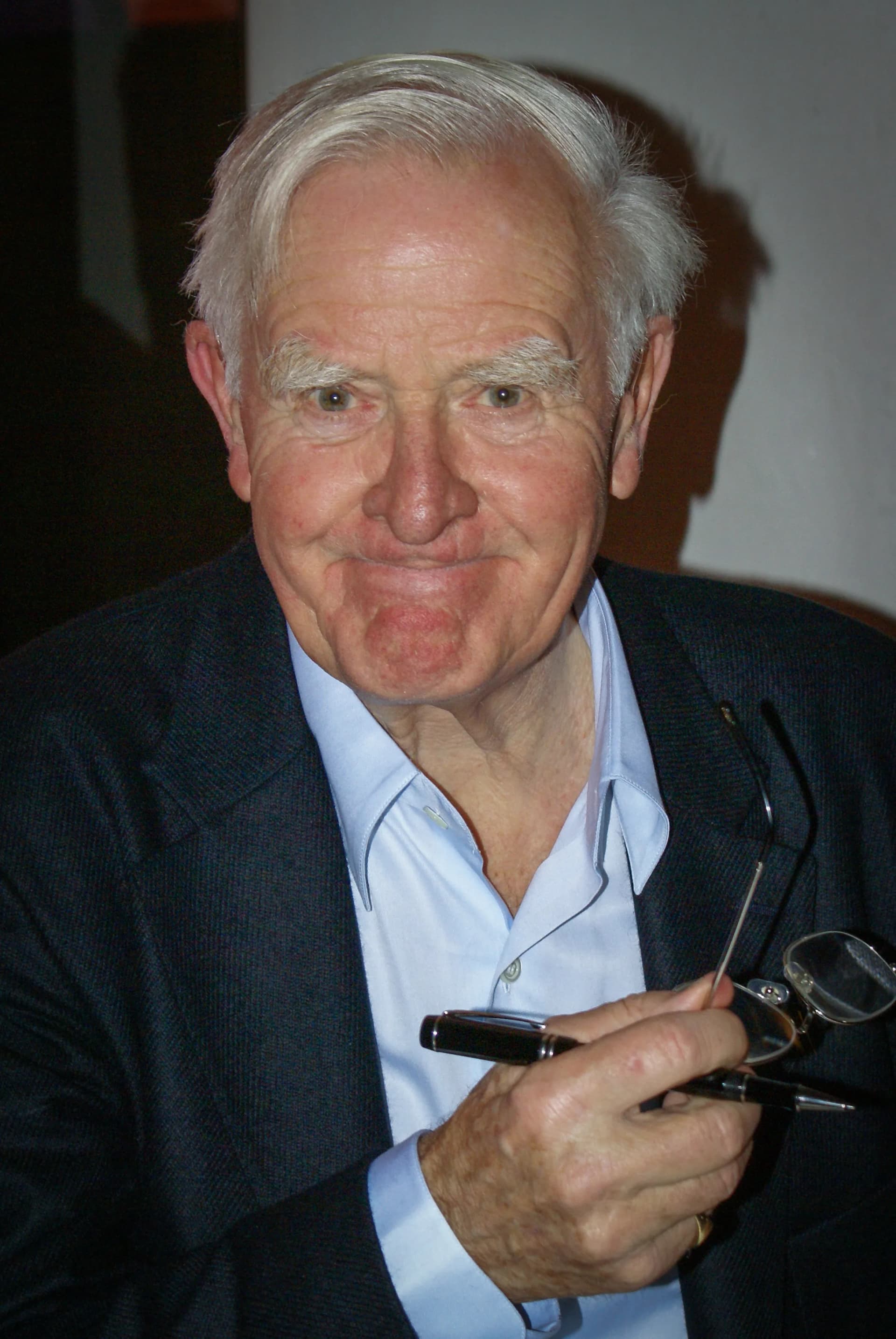
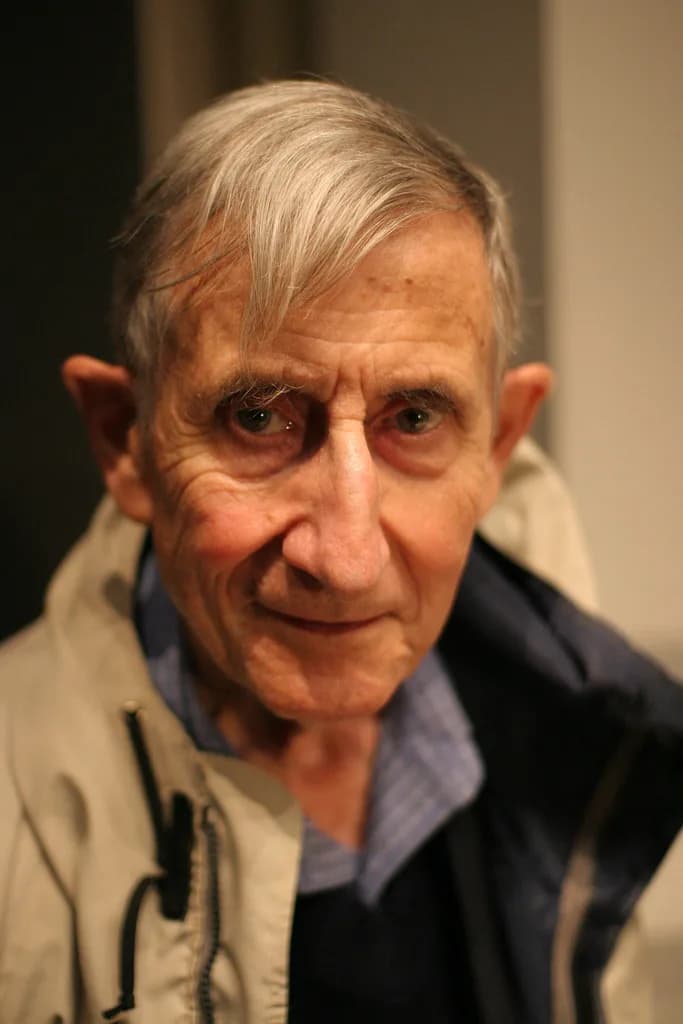
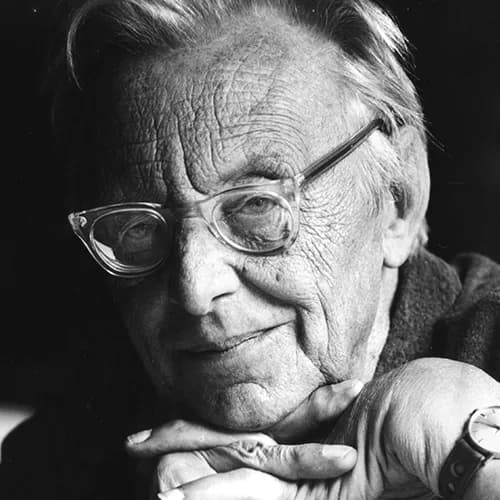
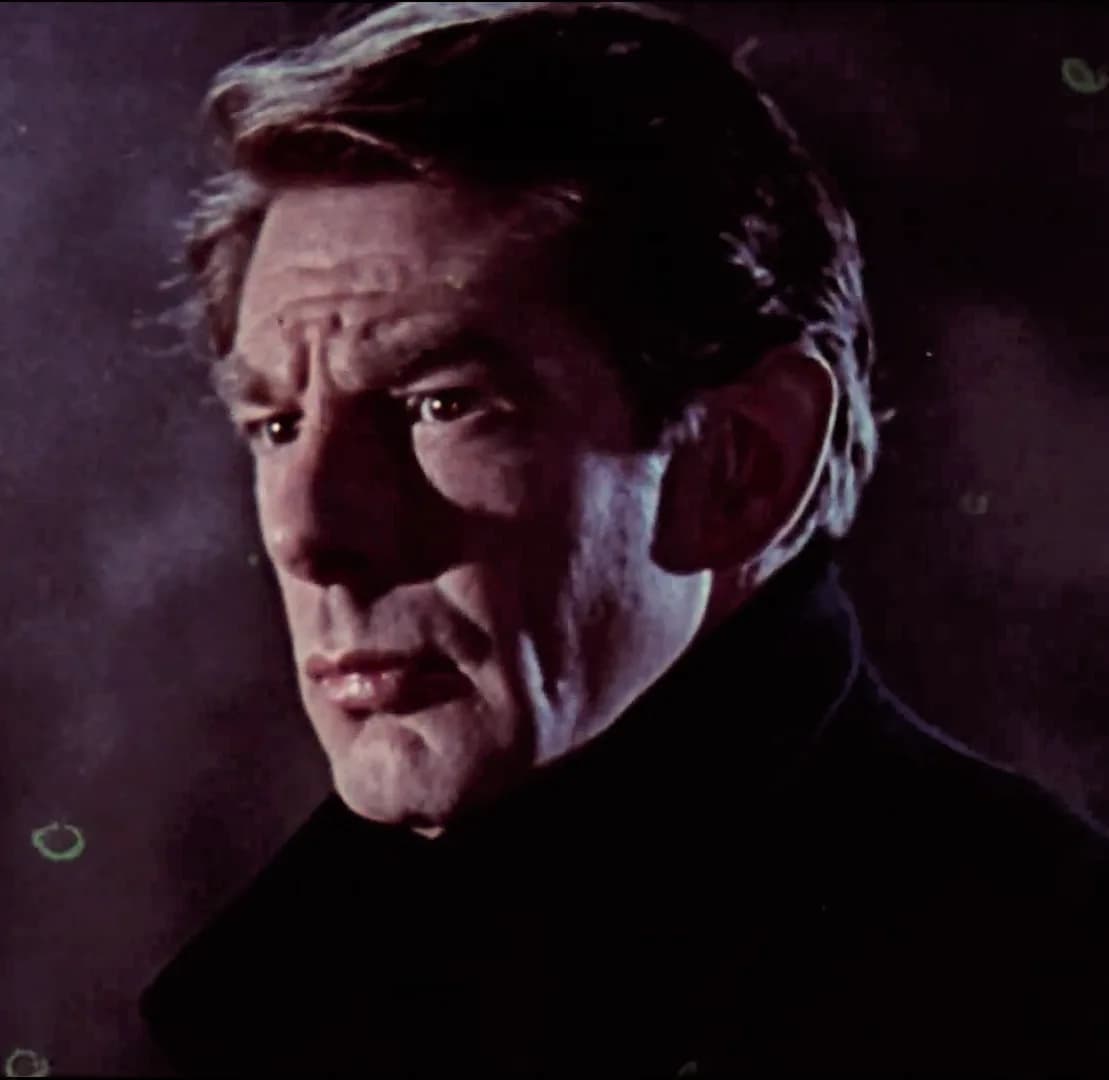
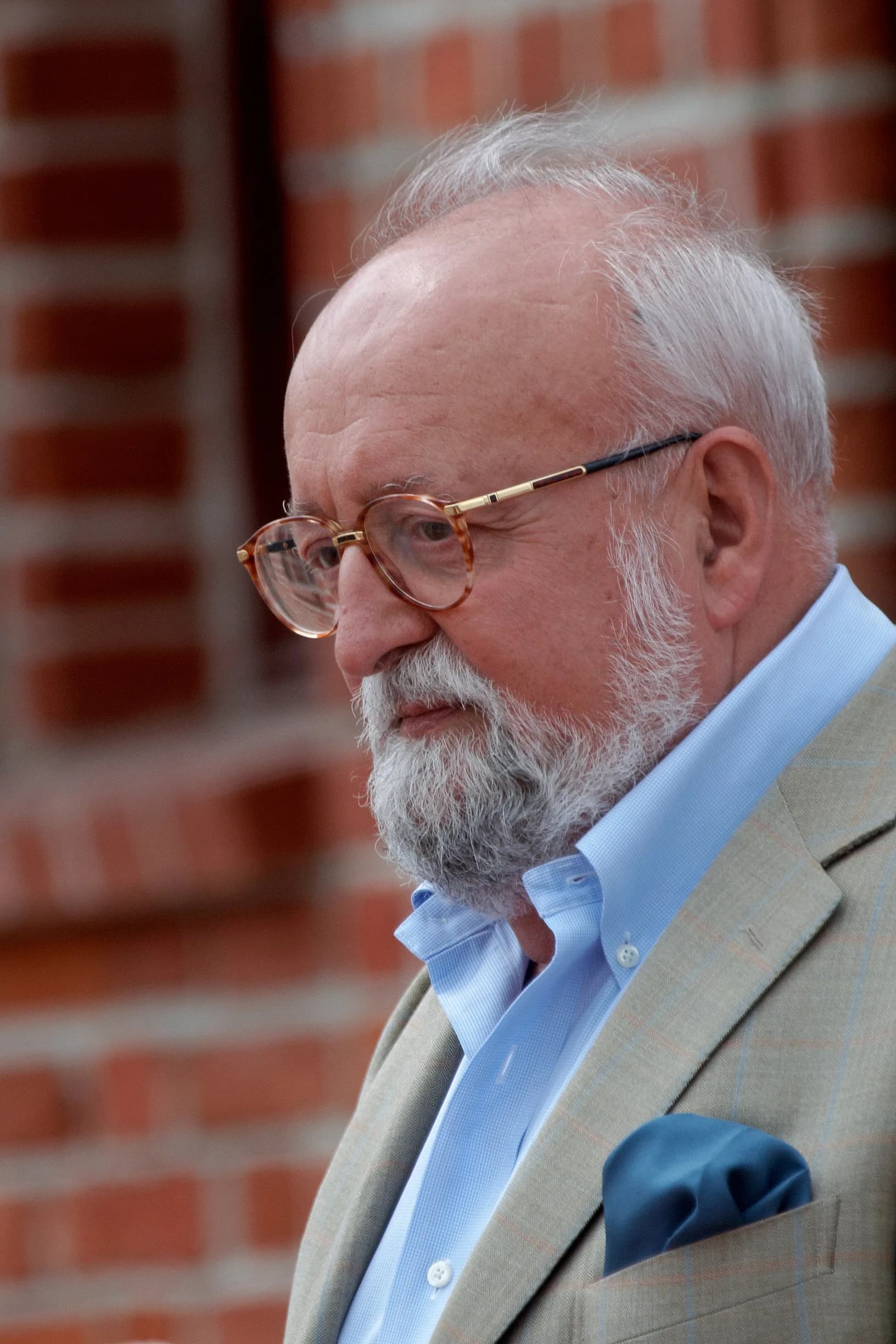
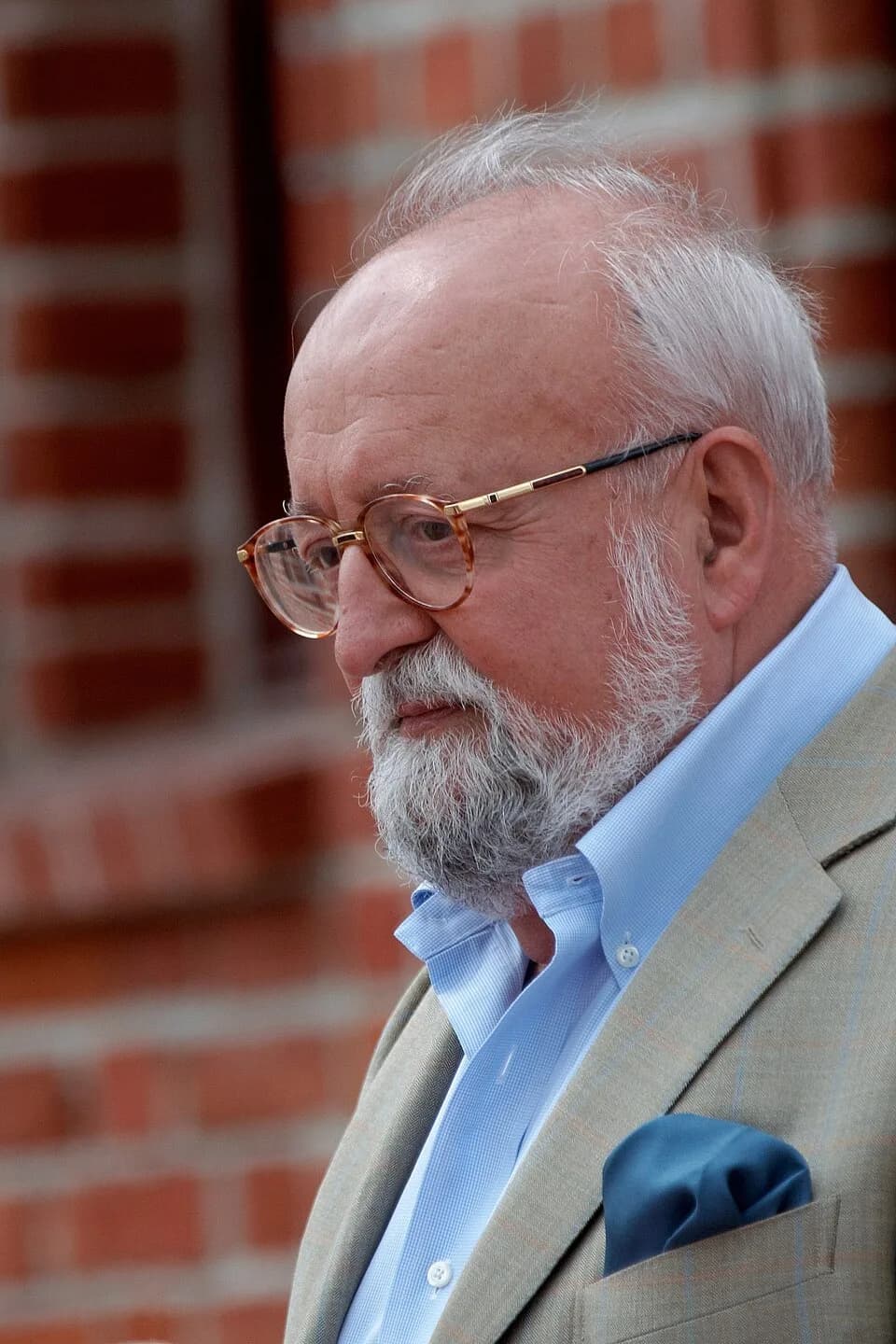
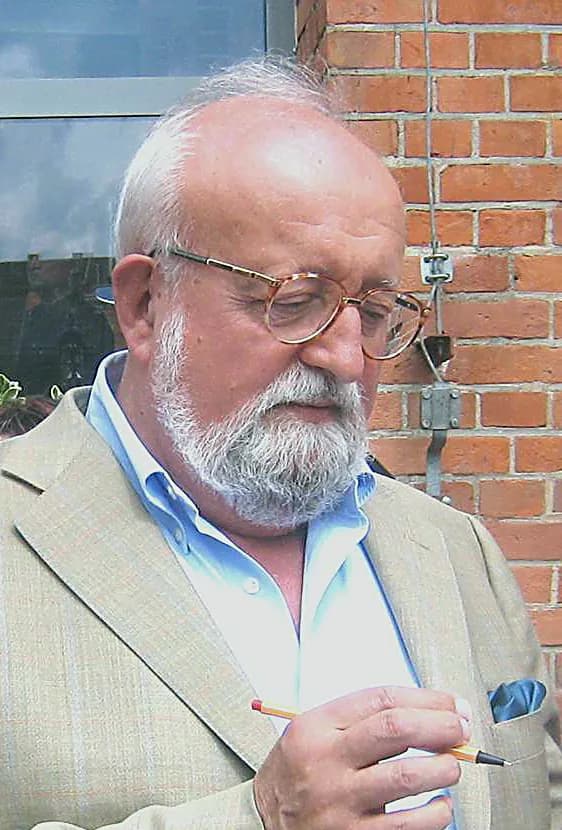
Krzysztof Penderecki (1933–2020) was Poland best known for Polish composer and conductor.
Krzysztof Penderecki (November 23, 1933 – March 29, 2020) was a renowned Polish composer and conductor. He was known for groundbreaking works like 'Threnody to the Victims of Hiroshima' and the 'St Luke Passion.' His innovative contributions profoundly shaped contemporary classical music, leaving a lasting legacy.
Unha vida en momentos
Os momentos que deron forma a unha vida
Capítulo
Capítulos da vida
Capítulo 1· Capítulo 1 de 7
Early Life and Origins
Krzysztof Penderecki’s journey began in Dębica, a town in southeastern Poland, where he was born into a family with a strong intellectual and artistic background. His early exposure to music instilled in him a profound passion for the art form, nurturing his nascent talents from a young age. This foundation in his native Poland profoundly influenced his later compositions, often incorporating elements of Polish culture and history into his distinctive musical language. His upbringing provided a fertile ground for the development of a unique artistic voice that would soon resonate globally, shaping his identity as an artist deeply connected to his roots.
Capítulo 2· Capítulo 2 de 7
Career Beginnings
Penderecki’s formal musical education laid the groundwork for his innovative career, where he honed his skills not only as a composer but also as a proficient violinist and a meticulous musicologist. These diverse professional pursuits deeply informed his compositional approach, allowing him to integrate historical awareness with radical innovation, forging a distinct new path in music. Early on, he also embraced the role of a pedagogue, sharing his insights and passion for music with aspiring young musicians in educational settings. This broad engagement with music established his early reputation as a serious and dedicated artist, foreshadowing the immense impact he would have on the classical world and its evolving forms.
Capítulo 3 · 1960· Capítulo 3 de 7
Major Achievements and Career Highlights
Throughout his extensive career, Penderecki achieved numerous significant milestones that defined his standing as a leading figure in contemporary classical music. Works such as "Threnody to the Victims of Hiroshima," composed in 1960, quickly brought him international recognition for its radical soundscapes and profound emotional resonance, capturing the attention of critics and audiences alike. His "St Luke Passion," premiered in 1966, was another crucial work, showcasing his ability to fuse avant-garde techniques with traditional sacred forms, thereby expanding the possibilities of choral music and large-scale religious compositions. He was also widely celebrated for his eight symphonies and five operas, which were performed by prestigious ensembles and conductors across the globe, solidifying his status as a major orchestral voice and a master of dramatic musical narrative.
Capítulo 4· Capítulo 4 de 7
Personal Life
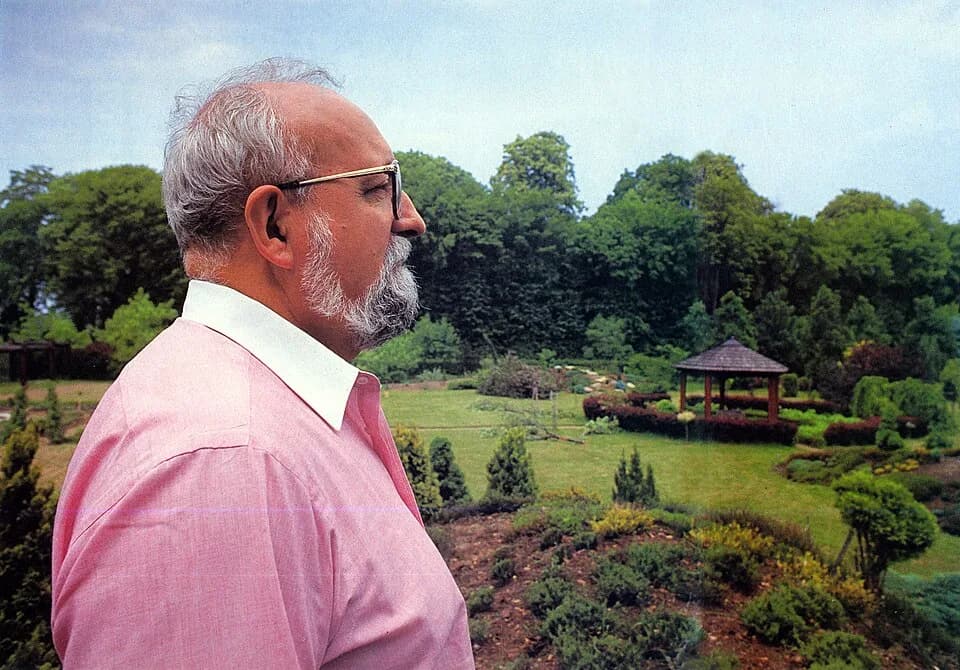
While Krzysztof Penderecki's professional life was extensively documented through his compositions and performances, details of his personal life were often kept private, allowing his artistic output to speak for itself with utmost clarity. His deep roots in Poland, particularly his birthplace of Dębica and his final residence in Kraków, suggest a profound connection to his homeland and its rich cultural heritage. This connection undoubtedly informed the emotional and thematic depth found in many of his works, particularly those addressing historical events or religious themes with a distinctly Polish sensibility. His dedication to his craft and his identity as a Polish artist were defining aspects of his existence, manifesting in his art.
Capítulo 5 · 1960· Capítulo 5 de 7
Notable Works and Innovations
Penderecki's discography is a clear demonstration of his prodigious output and significant stylistic evolution, featuring an impressive array of compositions that spanned various genres and forms across several decades. The iconic "Threnody to the Victims of Hiroshima," composed in 1960 for 52 string instruments, remains one of his most powerful and recognizable pieces, an orchestral work that pushed the boundaries of musical language through its innovative use of extended instrumental techniques to evoke a chilling soundscape of human suffering and memory. This seminal work, alongside "Anaklasis" from 1960 and "Polymorphia" from 1961, clearly established his early avant-garde reputation, demonstrating a fearless approach to texture, dissonance, and sonic experimentation that engaged and often challenged audiences globally. These early compositions showcased his unique ability to explore new timbres and acoustic possibilities, defining a distinctive "sonoristic" style that left a lasting impact.
His extensive catalogue also encompassed large-scale forms, including five distinct operas that explored complex narratives and human emotions through his unique musical lens, and eight symphonies, each a journey through different musical ideas and periods of his artistic development. The "St Luke Passion," premiered in 1966, stands as a monumental sacred work, seamlessly blending avant-garde techniques with traditional liturgical structures, thus expanding the possibilities of large-scale choral and orchestral composition and demonstrating his capacity for profound spiritual expression. Penderecki also composed a variety of instrumental concertos for various soloists and orchestras, showcasing his ability to write compelling and challenging virtuosic music that explored both the expressive and technical limits of instruments. Beyond these grand statements, his oeuvre includes numerous choral settings, predominantly of religious texts, such as the profound "Polish Requiem" and "Dies irae (Auschwitz Oratorio)," which combined dramatic intensity with deep spiritual reflection, earning them critical acclaim and frequent performances worldwide. His impact extended further through his significant contributions to chamber and instrumental works, revealing an extensive mastery across virtually all forms of musical expression within both classical and contemporary classical genres.
Capítulo 6 · 2020· Capítulo 6 de 7
Later Years and Continued Creativity
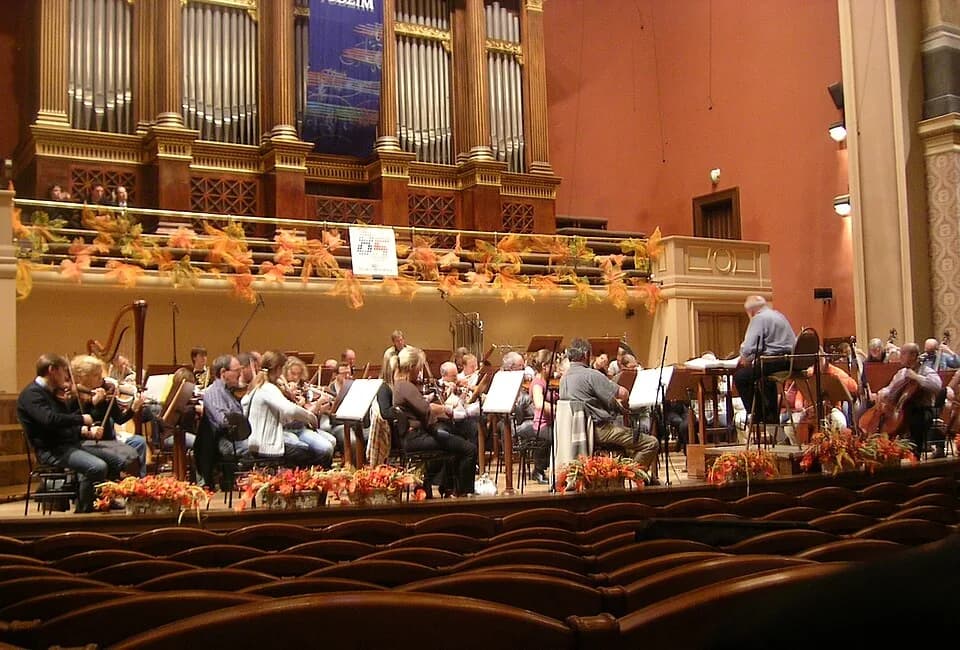
Even in his later years, Krzysztof Penderecki maintained an active and vital presence in the music world, continuing to compose and conduct with unwavering commitment, showing no sign of diminished creative energy. He revisited and revised earlier works while simultaneously embarking on new creative projects, demonstrating a ceaseless drive for artistic growth and refinement. His role as a conductor often saw him leading his own compositions, providing definitive interpretations of his complex scores for audiences worldwide and ensuring his vision was accurately conveyed. Until his passing in Kraków, Poland, on March 29, 2020, he remained a guiding force and an elder statesman in the world of contemporary classical music, always pushing artistic boundaries and inspiring those around him.
Capítulo 7· Capítulo 7 de 7
Legacy and Enduring Impact
Krzysztof Penderecki’s legacy is monumental, fundamentally reshaping the sound and direction of contemporary classical music for generations to come. His pioneering use of sonorism, exploring new timbres and textures through unconventional instrumental techniques, opened up entirely new possibilities for orchestral and choral writing that continue to influence composers today. He demonstrated how avant-garde approaches could coexist with deep emotional resonance and historical engagement, inspiring countless composers to explore similar avenues of musical expression. As a composer, conductor, and pedagogue, he cultivated a unique voice that married innovation with a profound respect for musical tradition, influencing students and colleagues alike through his teaching and performances.
His works are consistently performed by leading orchestras and ensembles globally, ensuring that his influential compositions continue to challenge and move new audiences across cultures. From the harrowing beauty of "Threnody to the Victims of Hiroshima" to the spiritual grandeur of the "St Luke Passion," Penderecki’s music remains a vibrant account of his genius and artistic courage. His contributions cemented his place as an international cultural icon, whose bold artistic vision from Dębica to Kraków transformed the musical world of the 20th and 21st centuries. His extraordinary musical output will forever be studied, performed, and cherished by those who appreciate the power of sound to convey profound human experience and innovative artistry.
Preguntas frecuentes
Preguntas frecuentes
Cando morreu Krzysztof Penderecki?
Krzysztof Penderecki morreu o 29 de marzo de 2020 en Kraków, Poland aos 86 anos.
Onde naceu Krzysztof Penderecki?
Krzysztof Penderecki naceu en Dębica, Poland o 23 de novembro de 1933.
Por que é máis coñecido(a) Krzysztof Penderecki?
Krzysztof Penderecki é coñecido(a) sobre todo por Polish composer and conductor.
Cantos anos tiña Krzysztof Penderecki cando morreu?
Krzysztof Penderecki tiña 86 anos no momento da súa morte.
Cal era a nacionalidade de Krzysztof Penderecki?
Krzysztof Penderecki era de Poland.
Cronoloxía
A vida en resumo
Galería de fotos
Unha vida en imaxes
Fai clic en calquera polaroid para ampliar · 24 fotos
Código QR
Compartir esta biografía
Imprimir e Compartir
Escanea para visitar esta páxina de biografía. Imprime para eventos, exposicións ou materiais educativos.