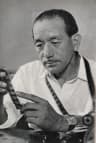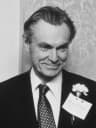
Nacido
July 6, 1903
Linköping, Sweden
Falecido
August 15, 1982
Stockholm, Sweden
Coñecido por
biochemist
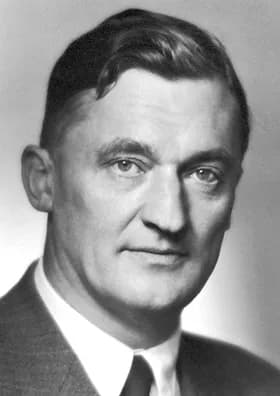
Hugo Theorell (1903–1982) was Sweden best known for biochemist.
Axel Hugo Theodor Theorell (July 6, 1903 – August 15, 1982) was a Swedish biochemist. He was awarded the Nobel Prize in Physiology or Medicine in 1955 for his discoveries concerning oxidation enzymes. His work profoundly advanced the understanding of enzyme nature and function.
Capítulo
Capítulos da vida
Capítulo 1 · 1903· Capítulo 1 de 7
Opening Paragraph
Axel Hugo Theodor Theorell, born July 6, 1903, and passing on August 15, 1982, was a distinguished Swedish biochemist. His impactful career also saw him serve as a physician and a dedicated university teacher in Stockholm. Theorell's relentless pursuit of scientific understanding profoundly shaped the field of enzyme research. He left an enduring mark on the scientific community through his discoveries.
Capítulo 2 · 1903· Capítulo 2 de 7
Early Life and Origins
Hugo Theorell's remarkable life began in Linköping, Sweden, on July 6, 1903. His formative years in Sweden undoubtedly instilled in him a deep curiosity about the natural world. This early environment fostered the intellectual growth that would later define his scientific contributions.
He pursued rigorous academic training, ultimately qualifying as a physician. This strong medical background provided him with a comprehensive understanding of biological systems. Such a foundation proved invaluable for his subsequent pioneering work in biochemistry.
Capítulo 3· Capítulo 3 de 7
Career Beginnings
Following his medical education, Theorell made a pivotal shift into biochemical research. He skillfully merged his clinical insights with a fervent dedication to fundamental scientific inquiry. His early work involved meticulous exploration into the chemical reactions that sustain life.
During this nascent phase of his career, Theorell diligently developed innovative experimental methods. These foundational studies were crucial, establishing the intellectual and practical basis for his later, widely celebrated discoveries. He quickly earned recognition as a promising young scientist.
Capítulo 4· Capítulo 4 de 7
Major Achievements and Career Highlights
The core of Hugo Theorell's scientific fame rests upon his groundbreaking studies of oxidation enzymes. His meticulous discoveries revealed both the fundamental nature and the precise mode of action of these vital biological catalysts. This deep understanding dramatically advanced the field of biochemistry.
His extraordinary contributions were formally recognized when he was awarded the Nobel Prize in Physiology or Medicine in 1955. This prestigious honor specifically acknowledged his unparalleled insights into how oxidation enzymes function. The award cemented his position as a leading figure in global science.
Throughout his illustrious career, Theorell maintained his role as a dedicated university teacher, inspiring generations of future scientists. His professional journey was a continuous ascent, marked by profound intellectual achievements. The Nobel Prize was a fitting culmination of years of dedicated research.
Capítulo 5· Capítulo 5 de 7
Notable Works or Contributions
Theorell's research extensively detailed the mechanisms of enzyme catalysis. He painstakingly investigated how oxidation enzymes facilitate complex chemical transformations within living cells. His experiments provided clear evidence for the specific ways these enzymes interact with their substrates.
His insights were critical for understanding metabolic pathways and the physiological roles of enzymes. This body of work provided a new framework for studying enzyme function and regulation. He essentially mapped out uncharted territories in enzymology.
Capítulo 6 · 1982· Capítulo 6 de 7
Later Years
Hugo Theorell remained scientifically active and intellectually vibrant well into his later years. He continued to contribute to biochemistry and inspire colleagues until his passing on August 15, 1982, in Stockholm, Sweden. His final years were characterized by continued engagement with the scientific community.
Capítulo 7· Capítulo 7 de 7
Legacy and Impact
Axel Hugo Theodor Theorell's pioneering research fundamentally transformed the study of enzymes. His precise discoveries concerning oxidation enzymes provided crucial foundational knowledge for understanding cellular respiration and metabolic processes. The principles he elucidated continue to underpin modern biochemical research.
His lasting influence extended far beyond his laboratory, shaping scientific thought worldwide. The conceptual framework he developed for enzyme action remains indispensable in various scientific disciplines, including medicine and biotechnology. He is remembered as a scientific giant whose work continues to resonate.
Unha vida en momentos
Os momentos que deron forma a unha vida
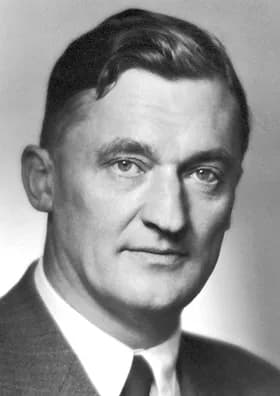
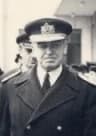
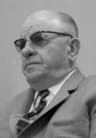
![Hugo Theorell - Collectie / Archief : Fotocollectie Anefo
Reportage / Serie : [ onbekend ]
Beschrijving : Uitreiking Nobelprijzen door koning Gustaaf Adolf van Zweden , De prijswinnaars scheikunde (Vi](/_next/image?url=https%3A%2F%2Fcdn.whowasthisguy.com%2Fgallery_wikimedia_commons_1780405984236_1_48f6bc13a6.webp&w=1920&q=75)
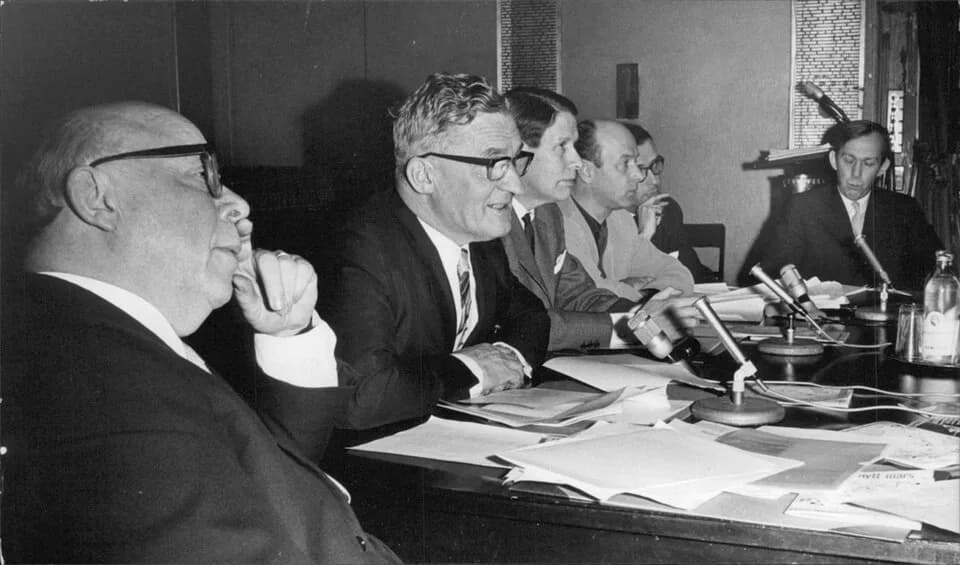
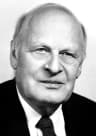
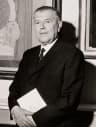
![Hugo Theorell - Talare på läkarmötet. Professorerna Liljeberg [sic] och Theorell.](/_next/image?url=https%3A%2F%2Fcdn.whowasthisguy.com%2Fgallery_wikimedia_commons_1780405988529_4_e27b4b1c11.webp&w=1920&q=75)
Preguntas frecuentes
Preguntas frecuentes
Cando morreu Hugo Theorell?
Hugo Theorell morreu o 15 de agosto de 1982 en Stockholm, Sweden aos 79 anos.
Onde naceu Hugo Theorell?
Hugo Theorell naceu en Linköping, Sweden o 6 de xullo de 1903.
Por que é máis coñecido(a) Hugo Theorell?
Hugo Theorell é coñecido(a) sobre todo por biochemist.
Cantos anos tiña Hugo Theorell cando morreu?
Hugo Theorell tiña 79 anos no momento da súa morte.
Cal era a nacionalidade de Hugo Theorell?
Hugo Theorell era de Sweden.
Cronoloxía
A vida en resumo
Galería de fotos
Unha vida en imaxes
Fai clic en calquera polaroid para ampliar · 25 fotos
Código QR
Compartir esta biografía
Imprimir e Compartir
Escanea para visitar esta páxina de biografía. Imprime para eventos, exposicións ou materiais educativos.