Nacido
September 29, 1703
Paris, France
Falecido
May 30, 1770
Paris, France
Coñecido por
French painter
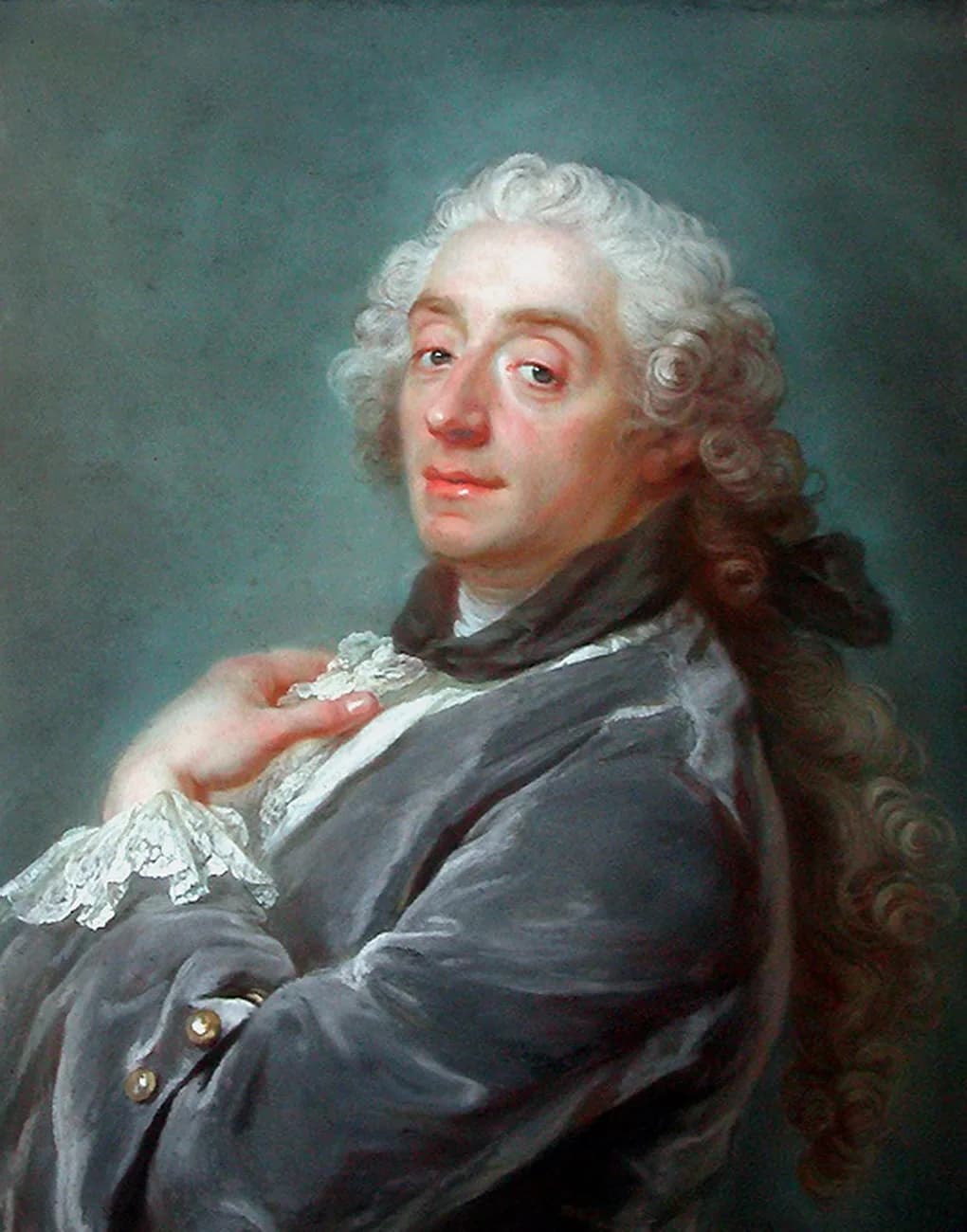
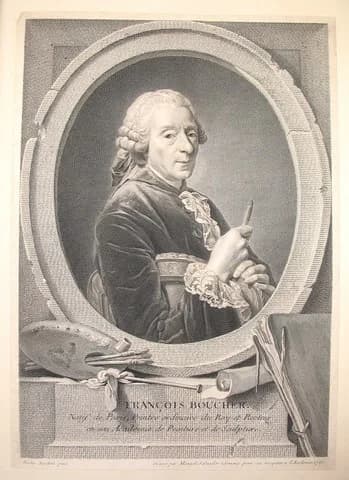
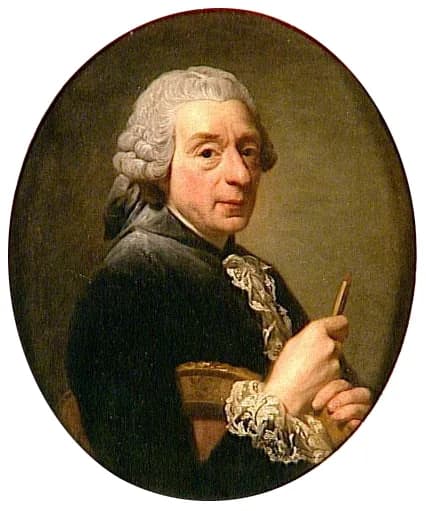
François Boucher (1703 – 1770) was a French painter from Paris. He was renowned for his idyllic and voluptuous Rococo paintings on classical themes and pastoral scenes, making him one of the most celebrated artists of the 18th century. His extensive work significantly influenced the aesthetic of his time, leaving a lasting artistic legacy.
Unha vida en momentos
Os momentos que deron forma a unha vida
Capítulo
Capítulos da vida
Capítulo 1 · 1703· Capítulo 1 de 8
Opening Paragraph
François Boucher (1703-1770) was a renowned French painter, illustrator, etcher, and decorative artist whose prolific work defined the Rococo style of the 18th century. Born in Paris, France, he ascended to become one of the most celebrated artists of his era, leaving behind a rich collection of idyllic and voluptuous paintings. His artistic vision, characterized by classical themes, decorative allegories, and pastoral scenes, shaped the aesthetic sensibilities of a generation.
Capítulo 2 · 1703· Capítulo 2 de 8
Early Life and Origins
François Boucher was born in Paris, France, on September 29, 1703. Details about his early family life and specific upbringing beyond his birthplace are not extensively documented. It was in this vibrant artistic hub of Paris, however, that his talents began to emerge, laying the foundation for a distinguished career in the arts.
Capítulo 3· Capítulo 3 de 8
Career Beginnings
Boucher quickly embarked on his professional journey, demonstrating a widespread mastery across various artistic disciplines from an early age. He began his career primarily as a painter, but swiftly expanded his talents to include work as an illustrator, etcher, printmaker, and accomplished draftsperson. This early versatility allowed him to explore different mediums and refine his unique artistic voice, setting him apart in the competitive Parisian art world.
Capítulo 4· Capítulo 4 de 8
Major Achievements and Career Highlights
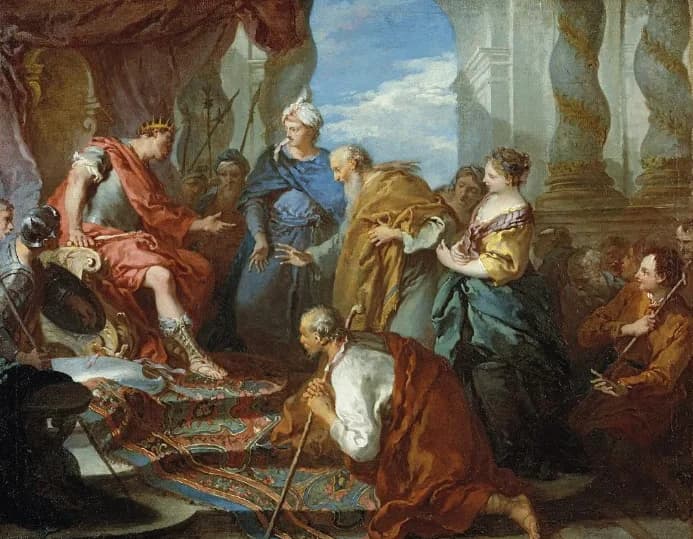
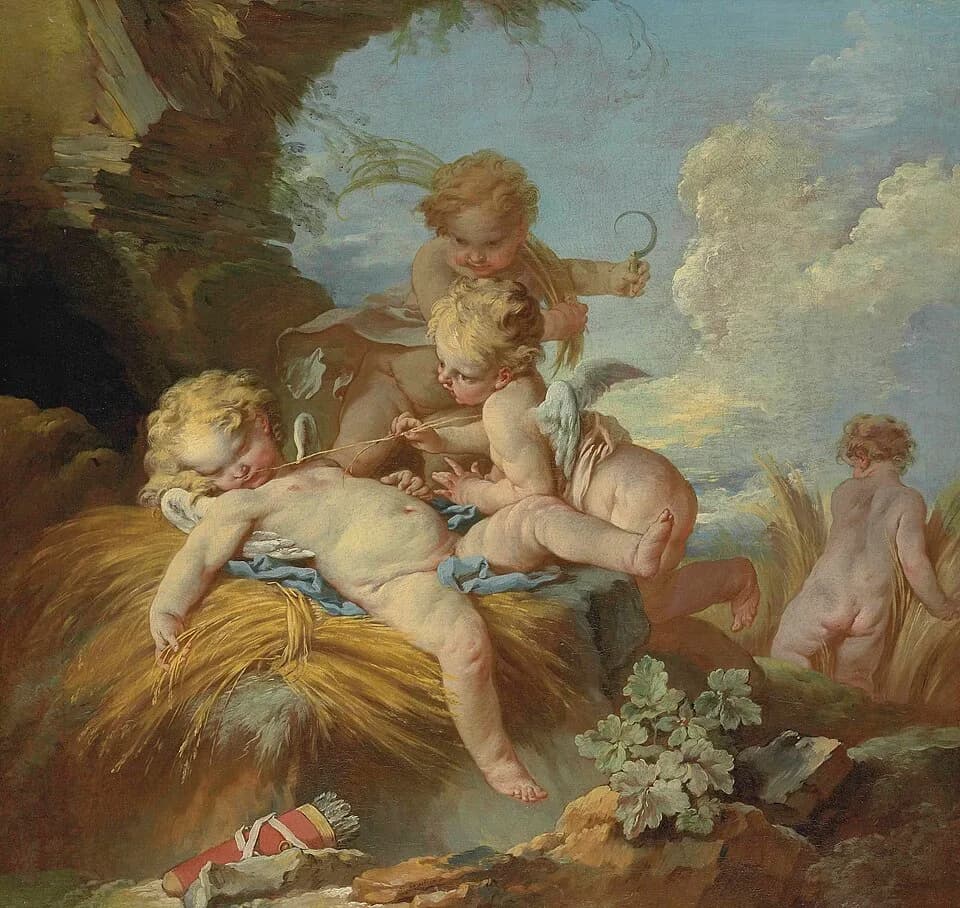
Throughout his career, François Boucher became synonymous with the Rococo style, known for its lightheartedness, elaborate ornamentation, and often playful themes. He was perhaps the most celebrated painter and decorative artist of the 18th century, a testament to his widespread recognition and profound influence. His works, frequently depicting classical themes and pastoral scenes, adorned many grand European residences and established his artistic dominance across the continent.
Boucher's significant contributions extended beyond easel painting; he was also a noted carpets designer and exlibrist, demonstrating a truly versatile talent. His ability to integrate his artistic vision into various decorative arts underscored his widespread talent and cemented his status as a leading figure in French art. This breadth of skill allowed him to shape aesthetic trends across multiple artistic platforms, influencing the decorative arts as much as fine art.
Capítulo 5· Capítulo 5 de 8
Personal Life
While François Boucher's professional achievements are extensively documented and celebrated, details regarding his personal life, family, and relationships are not as widely shared in public records. He dedicated his life primarily to his art, with his extensive body of work serving as the primary record of his existence. His focus remained squarely on his artistic output, which held the attention of audiences throughout his illustrious career.
Capítulo 6 · 1765· Capítulo 6 de 8
Notable Works or Contributions
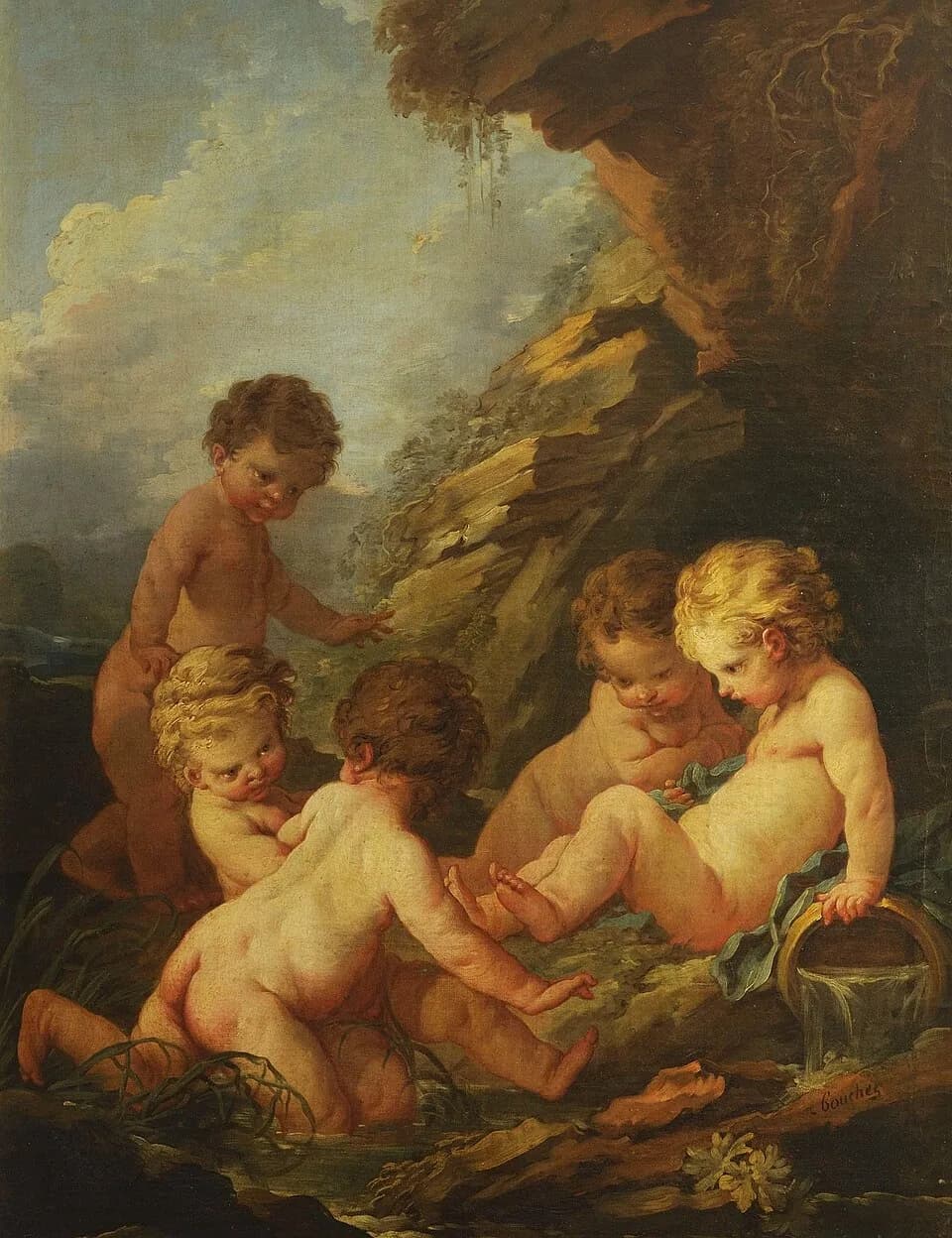
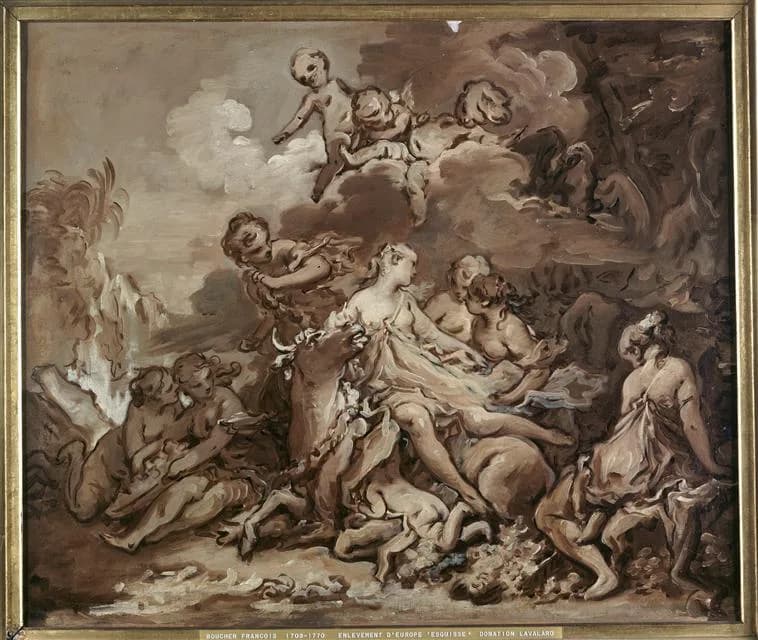
François Boucher created an extensive body of work, many pieces of which are now housed in prestigious museums worldwide. Among his notable artworks is "Virgin and Child with the Young Saint John the Baptist and Angels," a significant piece painted in 1765 and held by the Metropolitan Museum of Art in New York. Another celebrated work at the Met Museum is "The Toilette of Venus" from 1751, a prime example of his voluptuous classical themes.
His pastoral inclinations are beautifully evident in "Shepherd's Idyll" (1768) and "Washerwomen" (1768), both also displayed prominently at the Met Museum. The allegorical "Jupiter, in the Guise of Diana, and Callisto" (1763) showcases his masterful handling of mythological narratives, also found within the Met Museum's collections. The Art Institute of Chicago (AIC) proudly displays several of his works, including "Are They Thinking about the Grape? (Pensent-ils au raisin?)" from 1747, and the charming "Boy with a Carrot" from 1738.
Other significant pieces at the AIC include "Study of a Triton" (1748/53), "Academic Study of a Reclining Male Nude" (c. 1750), and "The Fisherboy" (n.d.), demonstrating his diverse subject matter and skill. Boucher's decorative flair is further seen in "Psyche's Entrance into Cupid's Palace [right fragment] from the Story of Psyche" (1756/63) and "Cupid and Psyche: Design for a Ceiling" (c. 1740-1760), both important holdings at the AIC. His versatility extended to "Bathing Nymph" (c. 1745–50) and "Study of Valet with Coffee Pot" (c. 1739), also held by the AIC, along with "The Bird Catcher, from The Noble Pastoral" (1778/80), illustrating his prolific and varied artistic output.
Capítulo 7 · 1770· Capítulo 7 de 8
Later Years
François Boucher continued his prolific artistic output well into his later years, maintaining his position as a leading artist in Paris. He passed away on May 30, 1770, in his birth city of Paris, France, where he had spent the entirety of his life. His dedication to art remained steadfast until his final days, leaving behind a vast and influential collection that continued to shape artistic trends.
Capítulo 8· Capítulo 8 de 8
Legacy and Impact
The enduring legacy of François Boucher lies in his mastery of the Rococo style and his significant influence on 18th-century European art. He popularized themes of classical mythology, pastoral romance, and decorative allegories, setting a standard for artistic elegance and charm that defined an era. His work, characterized by its vibrant colors, fluid lines, and playful sensuality, continues to be studied and admired by art historians and enthusiasts alike.
Boucher's contributions extended beyond his paintings to his important work as an illustrator, etcher, and designer, demonstrating a truly holistic artistic vision. His ability to seamlessly transition between mediums solidified his position as a true artistic pioneer, shaping the visual culture of his time. Today, his artworks are cornerstones in major museums around the world, serving as timeless examples of the Rococo era's artistic zenith and inspiring generations of artists.
Preguntas frecuentes
Preguntas frecuentes
Cando morreu François Boucher?
François Boucher morreu o 30 de maio de 1770 en Paris, France aos 66 anos.
Onde naceu François Boucher?
François Boucher naceu en Paris, France o 29 de setembro de 1703.
Por que é máis coñecido(a) François Boucher?
François Boucher é coñecido(a) sobre todo por French painter.
Cantos anos tiña François Boucher cando morreu?
François Boucher tiña 66 anos no momento da súa morte.
Cal era a nacionalidade de François Boucher?
François Boucher era de France.
Cronoloxía
A vida en resumo
Galería de fotos
Unha vida en imaxes
Fai clic en calquera polaroid para ampliar · 25 fotos
Código QR
Compartir esta biografía
Imprimir e Compartir
Escanea para visitar esta páxina de biografía. Imprime para eventos, exposicións ou materiais educativos.