Nacido
January 1, 1280
Saverdun, France
Falecido
May 3, 1342
Avignon, France
Coñecido por
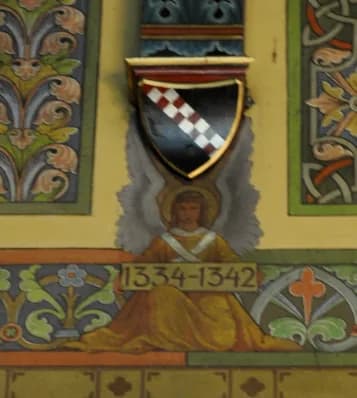
pope of the Catholic Church 1334–1342
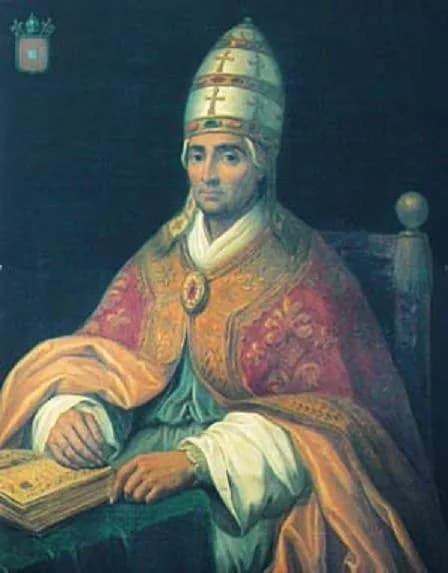
Benedict XII (1280-1342) was a Catholic pope who served as head of the Church from 1334 to 1342. As the third Avignon pope, he reformed monastic orders, opposed nepotism, and resolved the beatific vision controversy. His theological scholarship and administrative reforms left lasting impacts on Catholic doctrine and Church governance.
Capítulo
Capítulos da vida
Capítulo 1 · 1280· Capítulo 1 de 7
Early Life and Origins
Jacques Fournier was born on January 1, 1280, in Saverdun, a small town in southern France. Growing up in the Languedoc region, he witnessed firsthand the religious tensions that had marked this area following the Albigensian Crusade against the Cathars earlier in the century. His early exposure to these complex theological disputes would later influence his career as both an inquisitor and theologian.
Fournier pursued his education in theology, demonstrating exceptional scholarly abilities that set him on a path toward ecclesiastical prominence. His intellectual rigor and deep understanding of Church doctrine became apparent early in his career, qualities that would later serve him well in his roles as both investigator of heretical beliefs and ultimately as pope.
Capítulo 2· Capítulo 2 de 7
Career Beginnings
Jacques Fournier began his ecclesiastical career as a Catholic priest before advancing to become a Catholic bishop. His theological expertise and administrative skills caught the attention of Church leadership, leading to his appointment as an inquisitor. In this capacity, he conducted thorough investigations into suspected heretical activities, particularly in southern France where Cathar influences persisted.
His reputation as a meticulous and fair inquisitor, combined with his scholarly achievements as a theologian, elevated him within Church hierarchy. His approach to investigating heresy was notably systematic and careful, earning him respect even among those who might otherwise oppose the Inquisition's activities.
Capítulo 3· Capítulo 3 de 7
Major Achievements and Career Highlights
Benedict XII's papacy marked several significant achievements that shaped Catholic doctrine and Church administration. He successfully resolved the beatific vision controversy that had troubled his predecessor, Pope John XXII, by issuing the bull Benedictus Deus. This important document established that souls could attain the "fullness of the beatific vision" before the Last Judgment, settling a theological dispute that had created uncertainty among the faithful.
His commitment to Church reform was evident in his comprehensive efforts to reform monastic orders throughout Catholic Europe. Benedict XII implemented strict guidelines to restore discipline and spiritual focus to religious communities that had grown lax in their observances. Additionally, he took a firm stand against nepotism, refusing to grant favors to family members or engage in the corrupt practices that had plagued previous papal administrations.
Recognizing that he could not successfully relocate the papal capital to Rome or Bologna, Benedict XII made the practical decision to establish a permanent papal residence in Avignon. He initiated construction of the great palace at Avignon, creating an impressive seat of papal power that would serve subsequent popes and demonstrate the Church's continued authority despite its location outside of Rome.
Capítulo 4· Capítulo 4 de 7
Diplomatic Challenges
Benedict XII faced significant political challenges during his papacy, particularly in his relationship with the Holy Roman Empire. Despite numerous diplomatic attempts to reconcile differences with Emperor Louis IV, Benedict ultimately failed to bring the Holy Roman Empire back under papal dominance. These negotiations represented one of his most persistent but unsuccessful endeavors.
His diplomatic efforts extended beyond the Empire, as he worked to maintain papal authority and influence across Europe during a period when the Church's political power faced various challenges. The Avignon papacy itself was controversial, with critics arguing that French influence compromised papal independence.
Capítulo 5· Capítulo 5 de 7
Theological Contributions
As a trained theologian, Benedict XII made lasting contributions to Catholic doctrine beyond the beatific vision controversy. His scholarly background served him well in addressing complex theological questions that arose during his papacy. His careful approach to doctrinal matters reflected his earlier experience as an inquisitor, where precision and thorough analysis were essential.
His bull Benedictus Deus remains one of his most significant theological legacies, providing clarity on an important aspect of Catholic teaching about the afterlife. This document demonstrated his ability to synthesize complex theological concepts and present definitive Church teaching on matters that had generated considerable debate.
Capítulo 6· Capítulo 6 de 7
Later Years and Death
Benedict XII's final years were spent continuing his administrative and reform efforts from the papal palace in Avignon. He maintained his commitment to Church reform and theological scholarship until his health began to decline. Despite the challenges he faced in relocating the papacy to Rome, he succeeded in establishing Avignon as a dignified and impressive seat of papal power.
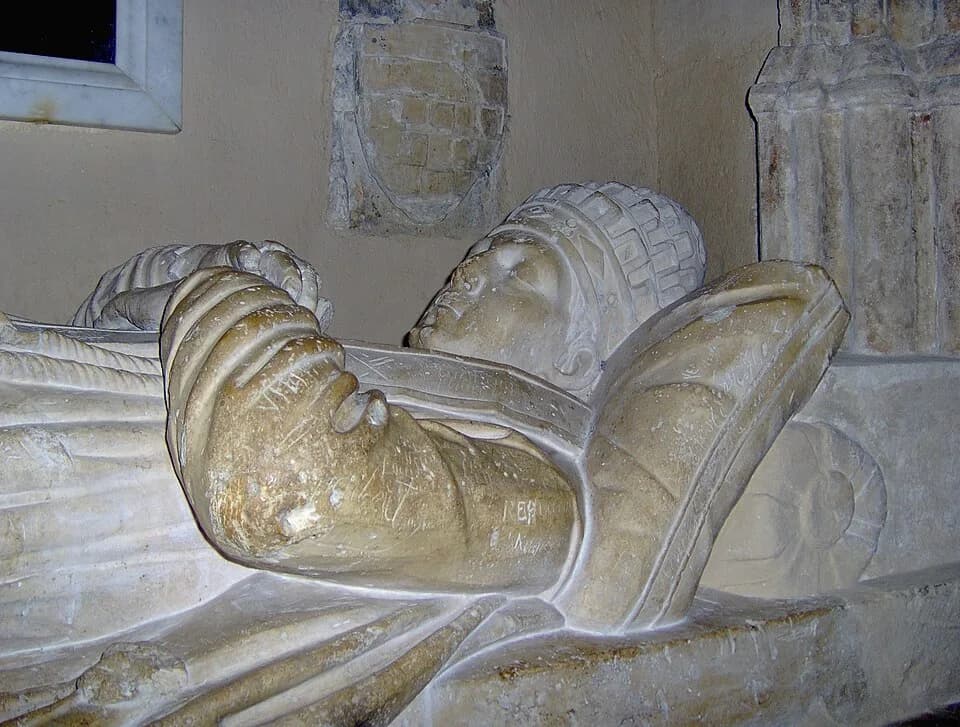
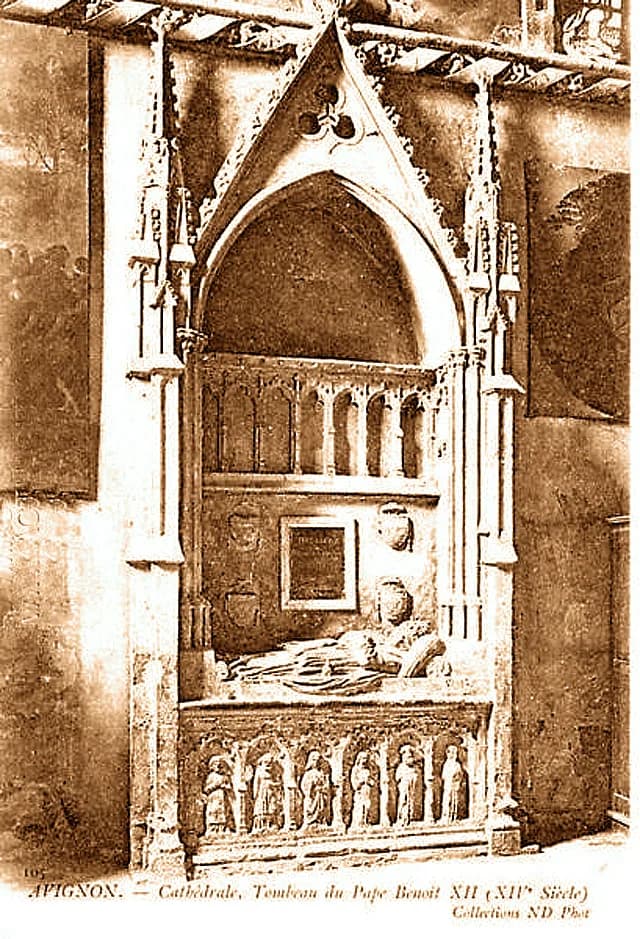
Pope Benedict XII died on April 25, 1342, in Avignon, France, after serving as pope for slightly more than seven years. He was buried in Avignon, where his tomb served as a reminder of this important chapter in papal history when the Bishop of Rome resided in France.
Capítulo 7· Capítulo 7 de 7
Legacy and Impact
Benedict XII's legacy centers on his successful efforts to restore integrity and discipline to Church administration during a challenging period. His opposition to nepotism and commitment to monastic reform helped address corruption that had weakened Church institutions. These reforms had lasting effects on religious communities throughout Europe.
His resolution of the beatific vision controversy provided theological clarity that continues to influence Catholic teaching. The Benedictus Deus bull represents a significant contribution to Catholic doctrine that outlasted the political controversies of his era. The great palace at Avignon, which he initiated, stands as a physical reminder of his practical leadership during the Avignon papacy, demonstrating how he adapted to circumstances while maintaining papal dignity and authority.
Unha vida en momentos
Os momentos que deron forma a unha vida
Preguntas frecuentes
Preguntas frecuentes
Cando morreu Benedict XII?
Benedict XII morreu o 3 de maio de 1342 en Avignon, France aos 62 anos.
Onde naceu Benedict XII?
Benedict XII naceu en Saverdun, France o 1 de xaneiro de 1280.
Por que é máis coñecido(a) Benedict XII?
Benedict XII é coñecido(a) sobre todo por pope of the Catholic Church 1334–1342.
Cantos anos tiña Benedict XII cando morreu?
Benedict XII tiña 62 anos no momento da súa morte.
Cal era a nacionalidade de Benedict XII?
Benedict XII era de France.
Cronoloxía
A vida en resumo
Galería de fotos
Unha vida en imaxes
Fai clic en calquera polaroid para ampliar · 42 fotos
Código QR
Compartir esta biografía
Imprimir e Compartir
Escanea para visitar esta páxina de biografía. Imprime para eventos, exposicións ou materiais educativos.