Nacido
November 25, 1835
Dunfermline, United Kingdom
Falecido
August 11, 1919
Lenox, United States
Coñecido por
Scottish-American industrialist and philanthropist
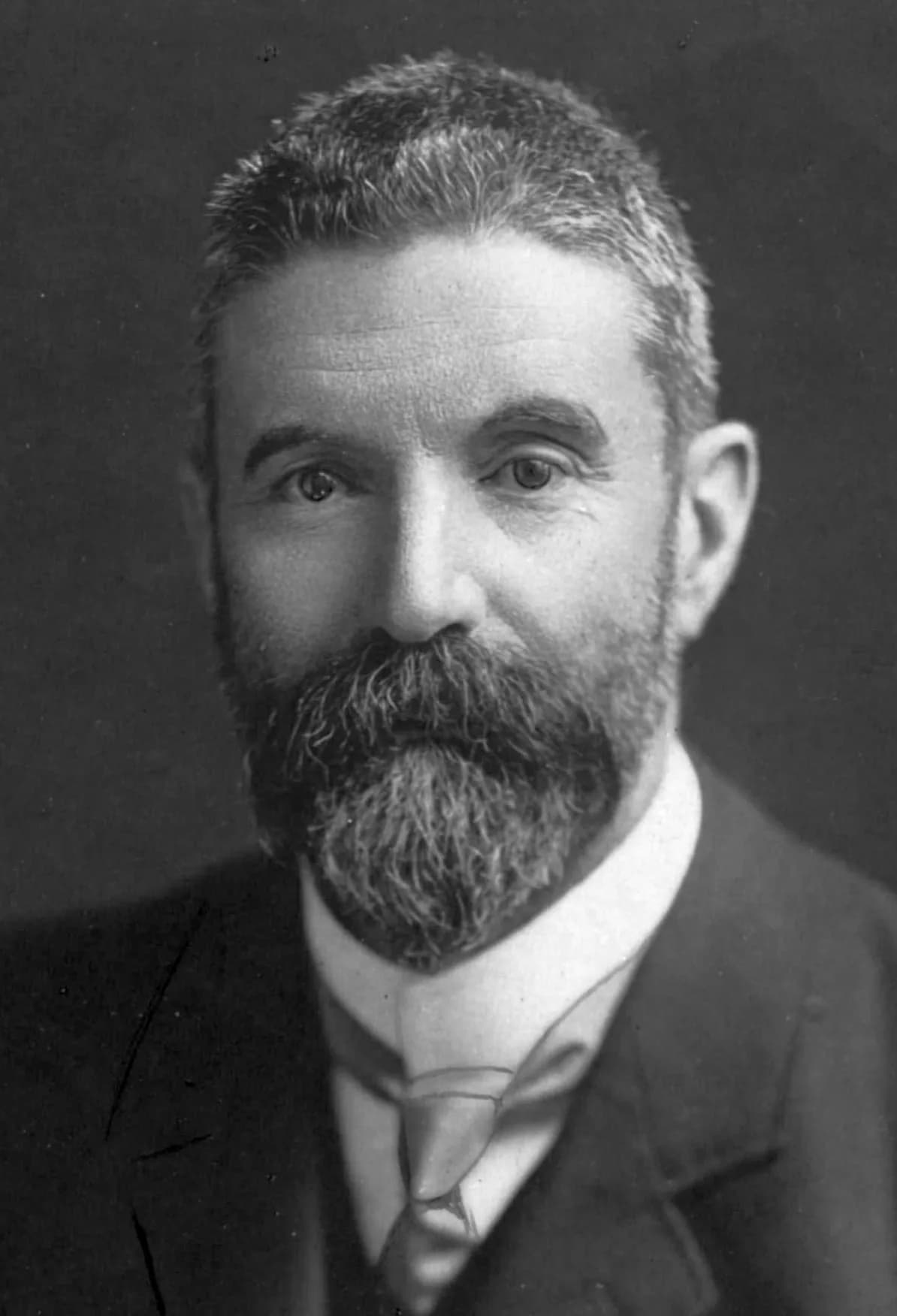
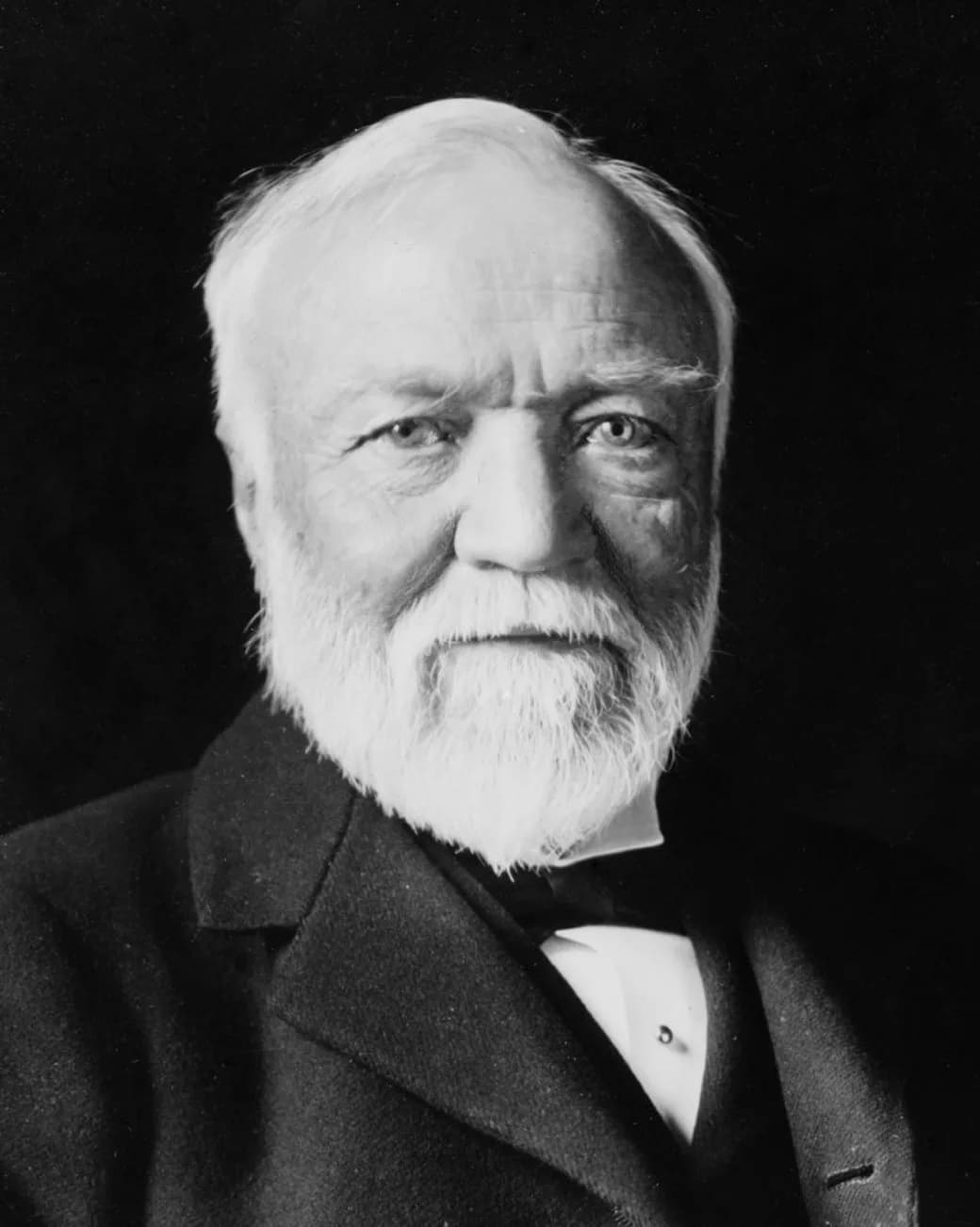
Andrew Carnegie (1835–1919) was United Kingdom best known for Scottish-American industrialist and philanthropist.
Andrew Carnegie (November 25, 1835 – August 11, 1919) was a Scottish-American industrialist and philanthropist. He led the expansion of the American steel industry in the late-19th century, becoming one of history's wealthiest Americans. His extensive philanthropy continues to benefit many communities.
Unha vida en momentos
Os momentos que deron forma a unha vida


Capítulo
Capítulos da vida
Capítulo 1 · 1835· Capítulo 1 de 6
Early Life and Origins
Andrew Carnegie was born on November 25, 1835, in Dunfermline, United Kingdom. His family experienced financial struggles, which instilled in him an early drive and determination. The industrial setting of his birthplace likely contributed to his later interest in industry and manufacturing.
His early years in Scotland were marked by the economic hardships common to the working class of the era. The experiences of his youth deeply influenced his later views on wealth, labor, and society, setting a foundation for his eventual philanthropic principles.
Capítulo 2· Capítulo 2 de 6
Career Beginnings
Carnegie's family immigrated to the United States, where he began his working life in various modest jobs. He took on roles such as a bobbin boy in a textile factory, earning a small wage to support his family. These early experiences provided him with firsthand knowledge of industrial operations and the lives of working people.
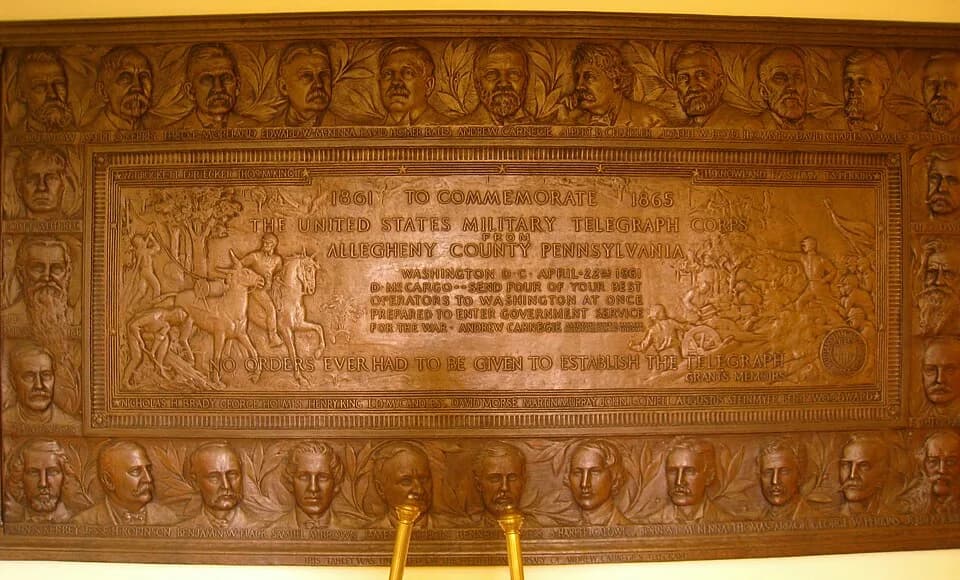
He quickly demonstrated a keen intelligence and ambition, securing a position as a telegraph messenger boy, which opened doors to the burgeoning railroad industry. It was during his time with the Pennsylvania Railroad Company that he began to understand the mechanics of large-scale enterprise and capital accumulation.
Capítulo 3· Capítulo 3 de 6
Major Achievements and Career Highlights
Andrew Carnegie's business acumen propelled him to great success, particularly in the steel industry. He methodically built his steel empire, implementing efficient production methods and consolidating various parts of the supply chain. His leadership led to the remarkable expansion of the American steel industry during the late-19th century.
Through innovative practices and strategic investments, Carnegie Steel Company grew into an industrial giant. His success made him one of the wealthiest individuals in American history. He ultimately sold Carnegie Steel to J.P. Morgan in 1901, forming U.S. Steel Corporation, which further solidified his financial standing.
Capítulo 4· Capítulo 4 de 6
Notable Works or Contributions
Beyond his industrial achievements, Andrew Carnegie was a prolific writer and public intellectual. He penned numerous books and essays, sharing his views on economics, wealth, and democracy. His writings often explored the responsibilities of the wealthy.
Among his most influential works are "The Autobiography of Andrew Carnegie," which offers a personal account of his life and philosophies, and "Triumphant democracy." Other significant titles include "Wealth and its uses," "Popular illusions about trusts," and "The Negro in America," demonstrating his broad range of interests and social commentary.
Capítulo 5· Capítulo 5 de 6
Later Years
In his later years, Andrew Carnegie dedicated himself entirely to philanthropy, believing that the wealthy had a moral obligation to use their fortunes for the public good. He famously articulated this philosophy in "The Gospel of Wealth," though this specific title is not in the provided bibliography, his actions reflected its principles. He systematically gave away the vast majority of his wealth to charities, foundations, and universities.
His philanthropic efforts included establishing numerous public libraries across the United States and the world, funding educational institutions, and supporting peace initiatives. Carnegie's generosity continued until his passing on August 11, 1919, in Lenox, United States, leaving a lasting mark on countless communities.
Capítulo 6· Capítulo 6 de 6
Legacy and Impact
Andrew Carnegie's legacy is dual-faceted, embodying both industrial prowess and unparalleled philanthropy. He revolutionized the steel industry, contributing significantly to America's industrial might. His business practices and scale of operations set new standards for manufacturing.
His enduring impact is perhaps most visible in the thousands of libraries, schools, and cultural institutions he funded, which continue to serve millions of people. Carnegie's vision for wealth distribution remains a subject of study and inspiration, shaping modern philanthropic endeavors and discussions about social responsibility. His contributions continue to shape education and public access to knowledge.
Preguntas frecuentes
Preguntas frecuentes
Cando morreu Andrew Carnegie?
Andrew Carnegie morreu o 11 de agosto de 1919 en Lenox, United States aos 83 anos.
Onde naceu Andrew Carnegie?
Andrew Carnegie naceu en Dunfermline, United Kingdom o 25 de novembro de 1835.
Por que é máis coñecido(a) Andrew Carnegie?
Andrew Carnegie é coñecido(a) sobre todo por Scottish-American industrialist and philanthropist.
Cantos anos tiña Andrew Carnegie cando morreu?
Andrew Carnegie tiña 83 anos no momento da súa morte.
Cal era a nacionalidade de Andrew Carnegie?
Andrew Carnegie era de United Kingdom.
Cronoloxía
A vida en resumo
Galería de fotos
Unha vida en imaxes
Fai clic en calquera polaroid para ampliar · 19 fotos
Código QR
Compartir esta biografía
Imprimir e Compartir
Escanea para visitar esta páxina de biografía. Imprime para eventos, exposicións ou materiais educativos.