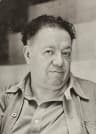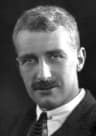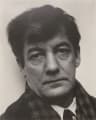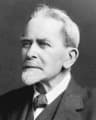
Nacido
May 17, 1886
Madrid, Spain
Falecido
February 28, 1941
Villanueva Mesía, Spain
Coñecido por
King of Spain from 1886 to 1931
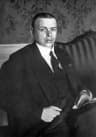
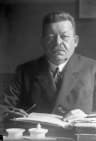
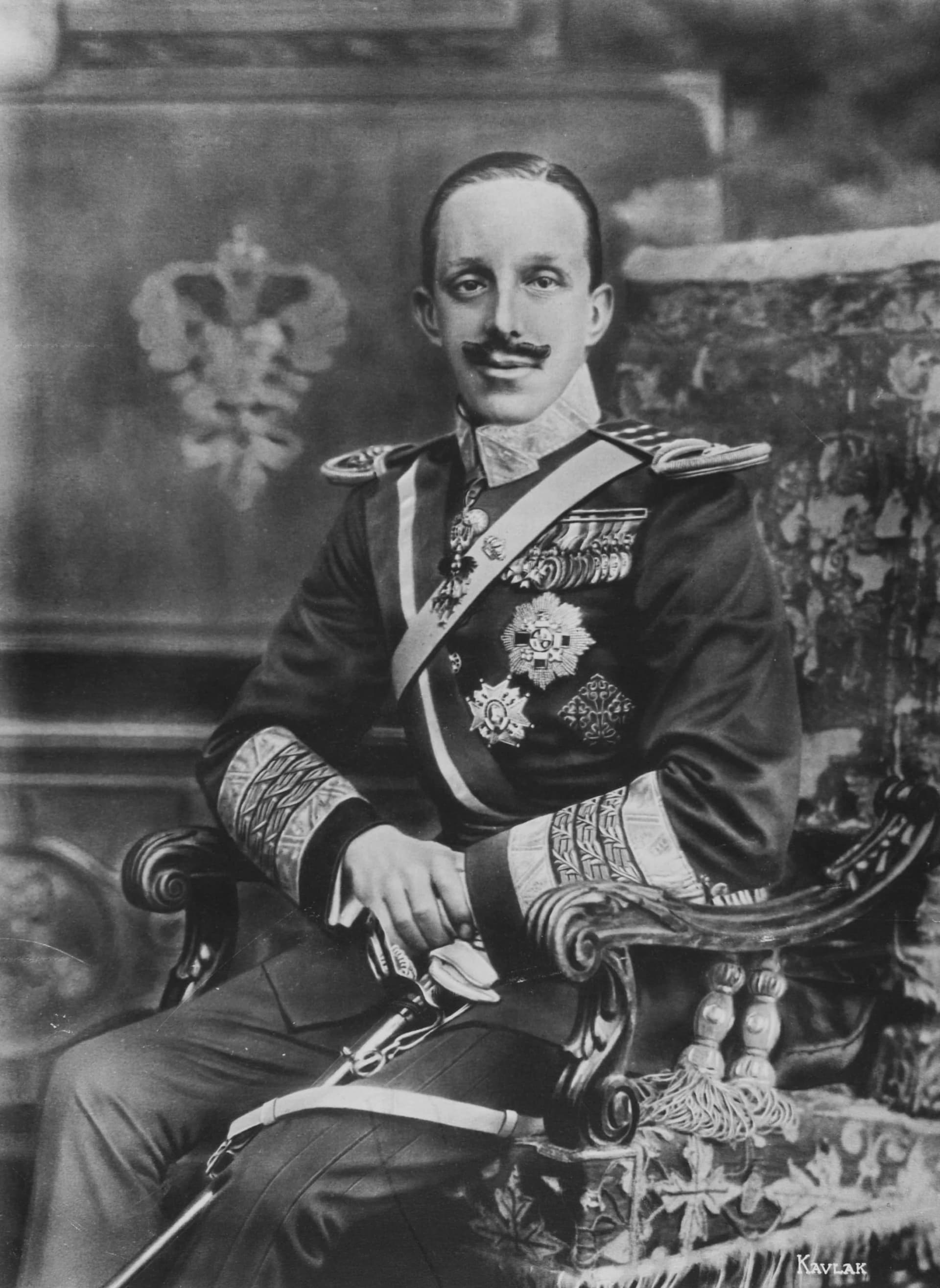
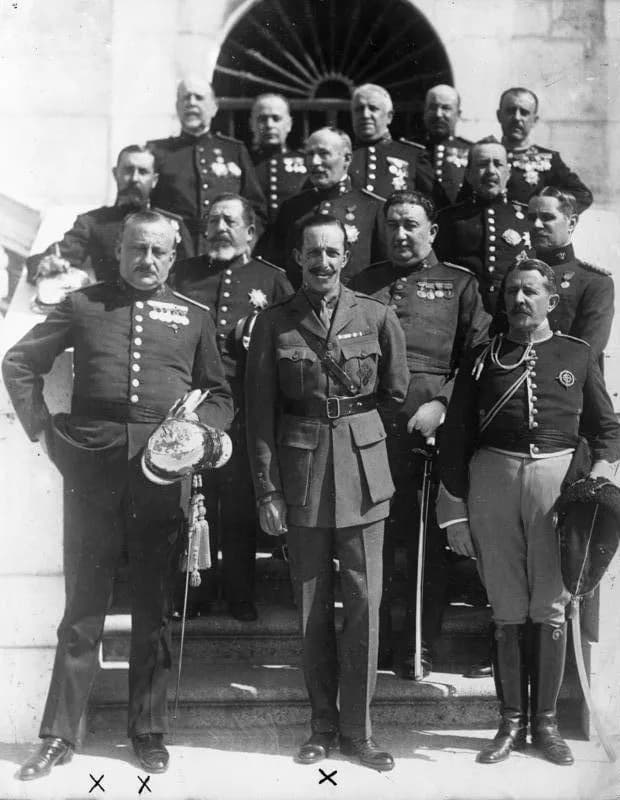
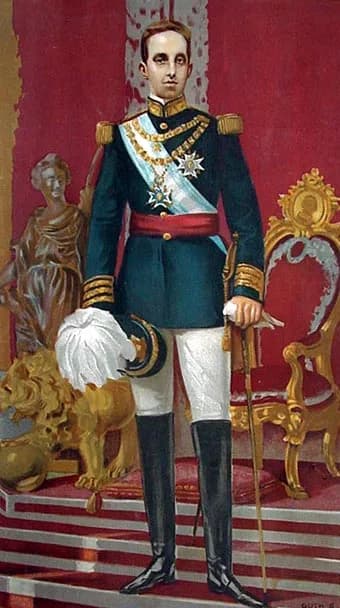
Alfonso XIII (1886–1941) was King of Spain from birth until 1931. Known as "El Africano" for his Africanist colonial views, he ruled for 45 years before the Second Spanish Republic was proclaimed. His reign marked the end of Spain's first constitutional monarchy era.
Capítulo
Capítulos da vida
Capítulo 1 · 1886· Capítulo 1 de 7
Early Life and Origins
Alfonso was born on May 17, 1886, in Madrid, Spain, under extraordinary circumstances that shaped his entire life. His father, King Alfonso XII, had died the previous year, making Alfonso a king from the moment of his birth. This unprecedented situation in Spanish royal history meant that the infant monarch would need a regent to govern in his name until he came of age.
His mother, Maria Christina of Austria, assumed the role of regent and guided Spain through Alfonso's minority. She provided stability during his formative years and ensured the continuity of the Bourbon dynasty. The young king grew up in the Royal Palace of Madrid, receiving an education befitting a future monarch while his mother navigated the complex political landscape of late 19th-century Spain.
Capítulo 2 · 1902· Capítulo 2 de 7
Assumption of Royal Powers
On his sixteenth birthday in 1902, Alfonso XIII assumed full royal powers and began his personal rule over Spain. The transition from regency to active monarchy marked a new chapter in Spanish history. At just sixteen years old, he inherited a nation grappling with the loss of its last major overseas colonies, including Cuba and the Philippines, following the Spanish-American War of 1898.
The young king faced immediate challenges in modernizing Spain and restoring its international prestige. His early years on the throne were marked by efforts to navigate between conservative and liberal political forces while maintaining the monarchy's relevance in a rapidly changing Europe.
Capítulo 3· Capítulo 3 de 7
Major Achievements and Reign Highlights
Alfonso XIII's reign was characterized by his strong support for Spanish colonial interests in Africa, earning him the nickname "El Africano." His Africanist views reflected his belief that Spain could rebuild its empire and international standing through expansion in Morocco and other parts of North Africa. This policy became a defining feature of his reign and influenced Spanish foreign policy for decades.
Throughout his 45-year reign, Alfonso oversaw Spain's neutrality during World War I, which allowed the country to avoid the devastating losses experienced by other European nations. However, his reign was also marked by increasing political instability, military defeats in Morocco, and growing republican sentiment among the Spanish population.
Capítulo 4· Capítulo 4 de 7
Personal Life and Royal Duties
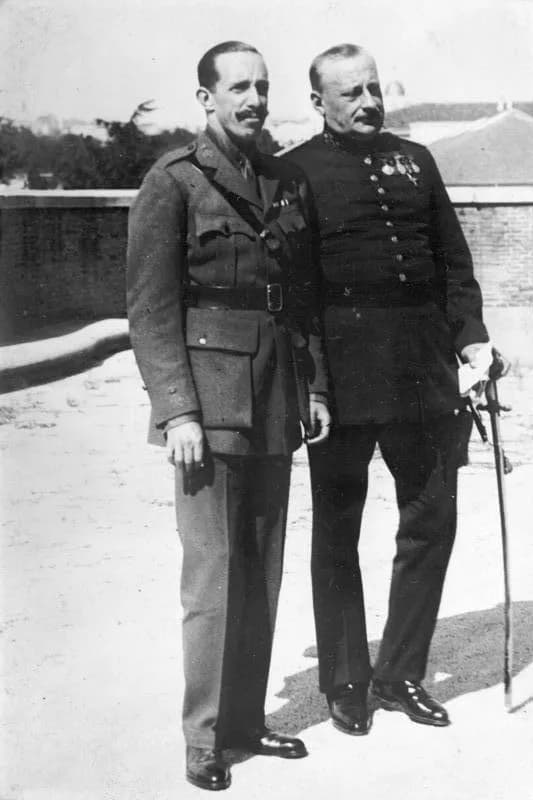
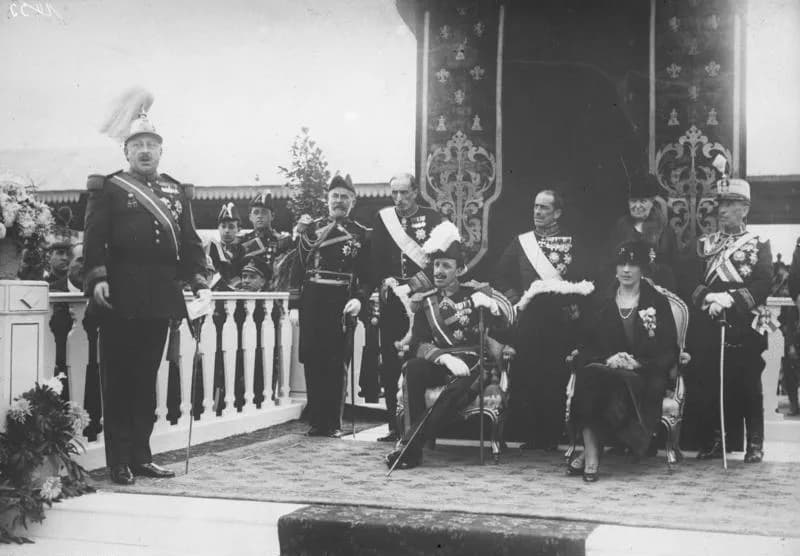
As king, Alfonso XIII carried out numerous ceremonial and state functions, representing Spain on the international stage. His royal duties included receiving foreign dignitaries, opening parliamentary sessions, and serving as the symbolic head of the Spanish state. Despite the constitutional limitations on his power, he remained an active participant in Spanish political life.
The king's personal interests extended beyond politics to include his passion for African colonial expansion and his involvement in military affairs. His support for the Moroccan campaigns reflected both his personal convictions and his desire to restore Spanish prestige following earlier colonial losses.
Capítulo 5 · 1931· Capítulo 5 de 7
The End of the Monarchy
Alfonso XIII's reign came to an abrupt end on April 14, 1931, when the Second Spanish Republic was proclaimed following municipal elections that showed overwhelming support for republican candidates. Rather than fight to maintain his throne, Alfonso chose to leave Spain voluntarily, effectively abdicating without formally renouncing his rights to the crown.
The establishment of the republic marked the end of the Bourbon restoration that had begun with his father's reign. Alfonso's departure from Spain represented not just the end of his personal rule, but the conclusion of a significant era in Spanish constitutional monarchy.
Capítulo 6 · 1941· Capítulo 6 de 7
Final Years in Exile
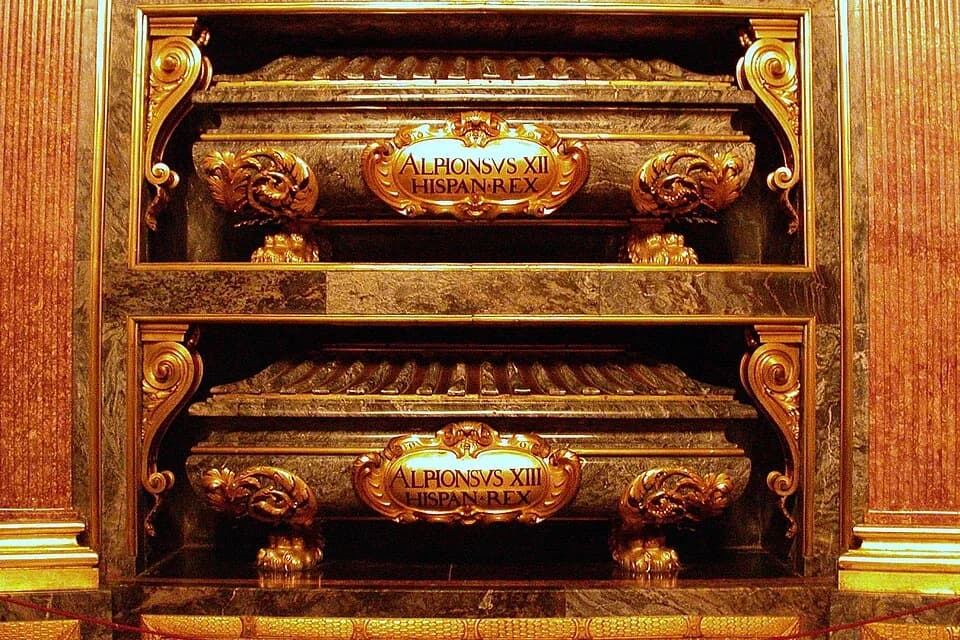
After leaving the throne, Alfonso spent his final decade in exile, watching from abroad as Spain descended into political chaos and civil war. He died on February 28, 1941, in Villanueva Mesía, Spain, having returned to his homeland in his final days. His death came during World War II, as Europe was engulfed in another devastating conflict.
Alfonso's final years were marked by reflection on his long reign and the dramatic changes that had transformed Spain during his lifetime. From his birth as an infant king to his death in exile, his life story encompassed some of the most dramatic political upheavals in modern Spanish history.
Capítulo 7· Capítulo 7 de 7
Legacy and Historical Impact
Alfonso XIII's legacy remains complex and debated among historians and Spanish citizens. His 45-year reign bridged the gap between 19th-century traditional monarchy and the republican movements of the early 20th century. His support for African colonial expansion reflected the broader European imperial ambitions of his era.
The king's abdication and the subsequent establishment of the Second Spanish Republic set in motion events that would culminate in the Spanish Civil War and Francisco Franco's dictatorship. His reign represents the last attempt at constitutional monarchy in Spain until the restoration under his grandson, Juan Carlos I, decades later. Alfonso XIII's life and reign continue to be studied as a crucial period in understanding modern Spanish political development.
Unha vida en momentos
Os momentos que deron forma a unha vida
Preguntas frecuentes
Preguntas frecuentes
Cando morreu Alfonso XIII?
Alfonso XIII morreu o 28 de febreiro de 1941 en Villanueva Mesía, Spain aos 54 anos.
Onde naceu Alfonso XIII?
Alfonso XIII naceu en Madrid, Spain o 17 de maio de 1886.
Por que é máis coñecido(a) Alfonso XIII?
Alfonso XIII é coñecido(a) sobre todo por King of Spain from 1886 to 1931.
Cantos anos tiña Alfonso XIII cando morreu?
Alfonso XIII tiña 54 anos no momento da súa morte.
Cal era a nacionalidade de Alfonso XIII?
Alfonso XIII era de Spain.
Cronoloxía
A vida en resumo
Galería de fotos
Unha vida en imaxes
Fai clic en calquera polaroid para ampliar · 50 fotos
Código QR
Compartir esta biografía
Imprimir e Compartir
Escanea para visitar esta páxina de biografía. Imprime para eventos, exposicións ou materiais educativos.