Syntynyt
December 5, 1911
Sosnowiec, Poland
Kuollut
July 6, 2000
Warsaw, Poland
Tunnettu
(1911-2000) Polish pianist, composer, Holocaust survivor
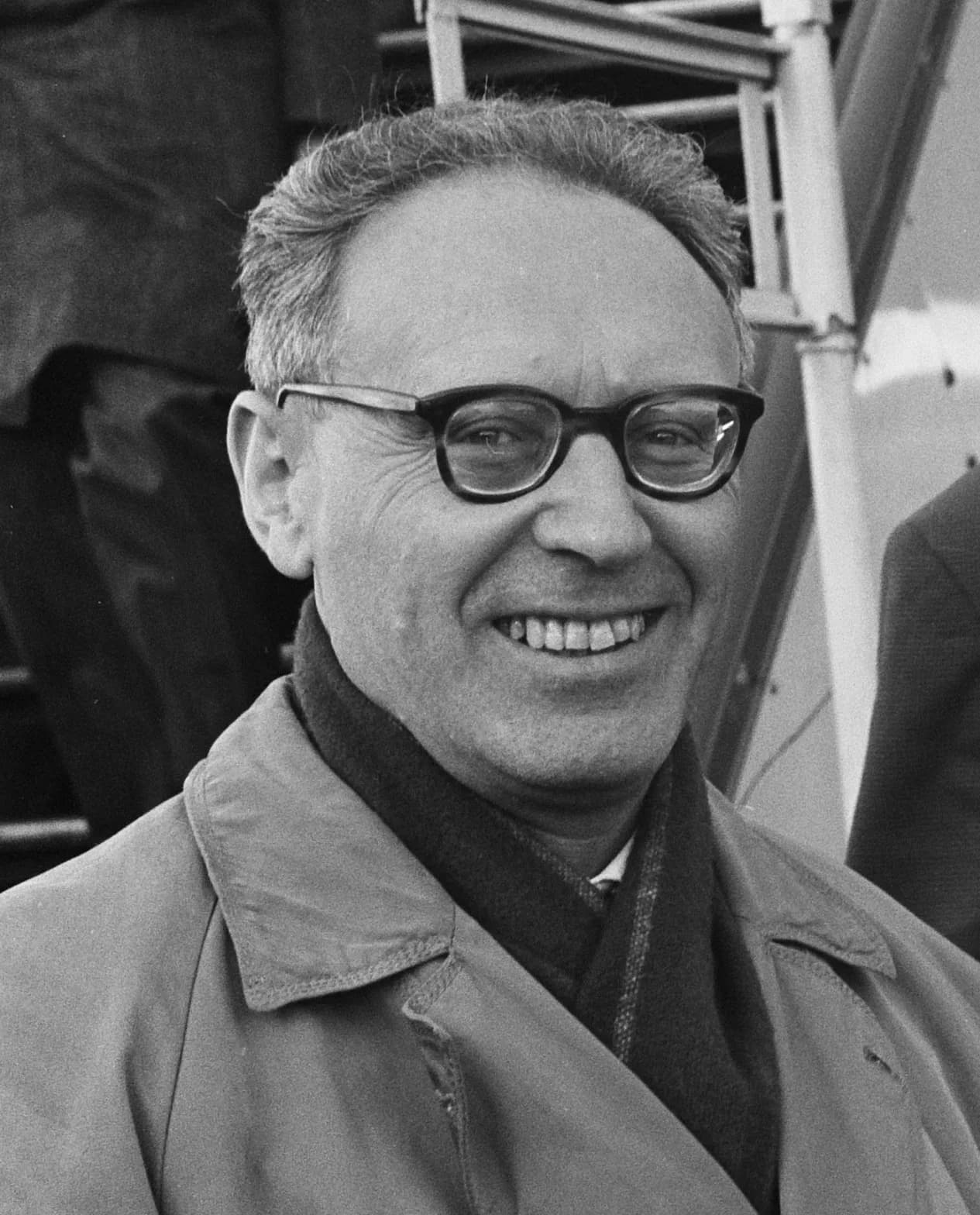
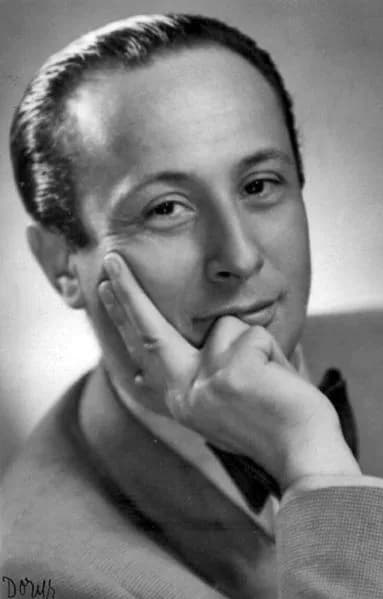
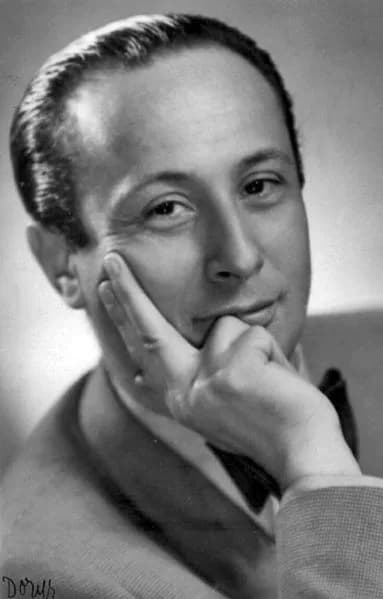
Władysław Szpilman (1911–2000) was Poland best known for (1911-2000) Polish pianist, composer, Holocaust survivor.
Władysław Szpilman (December 5, 1911 – July 6, 2000) was a Polish pianist, composer, and Holocaust survivor. He is best known for his autobiographical account of surviving the German occupation of Warsaw, which inspired the acclaimed film 'The Pianist.' Szpilman's story is a powerful testament to human resilience.
Elämä hetkissä
Hetket, jotka muovasivat elämää
Luku
Elämän luvut
Luku 1 · 1911· Luku 1 / 7
Early Life and Origins
Born on December 5, 1911, in Sosnowiec, Poland, Władysław Szpilman exhibited a natural talent for music from a young age. His initial education in Poland provided a strong foundation for his future career, guiding him towards formal musical training. Szpilman dedicated himself to mastering the piano and the art of composition, laying the groundwork for his professional life as a musician.
Luku 2 · 1933· Luku 2 / 7
Career Beginnings
Władysław Szpilman's professional musical career began to flourish in Poland during the 1930s, establishing him as a prominent figure in the classical music scene. He quickly gained recognition as a talented pianist and a promising classical composer. Early works, such as his "Suite The life of the machines 1933 for piano," demonstrated his innovative approach to creating new musical pieces, showcasing his compositional skills.
Luku 3· Luku 3 / 7
Major Achievements and Career Highlights
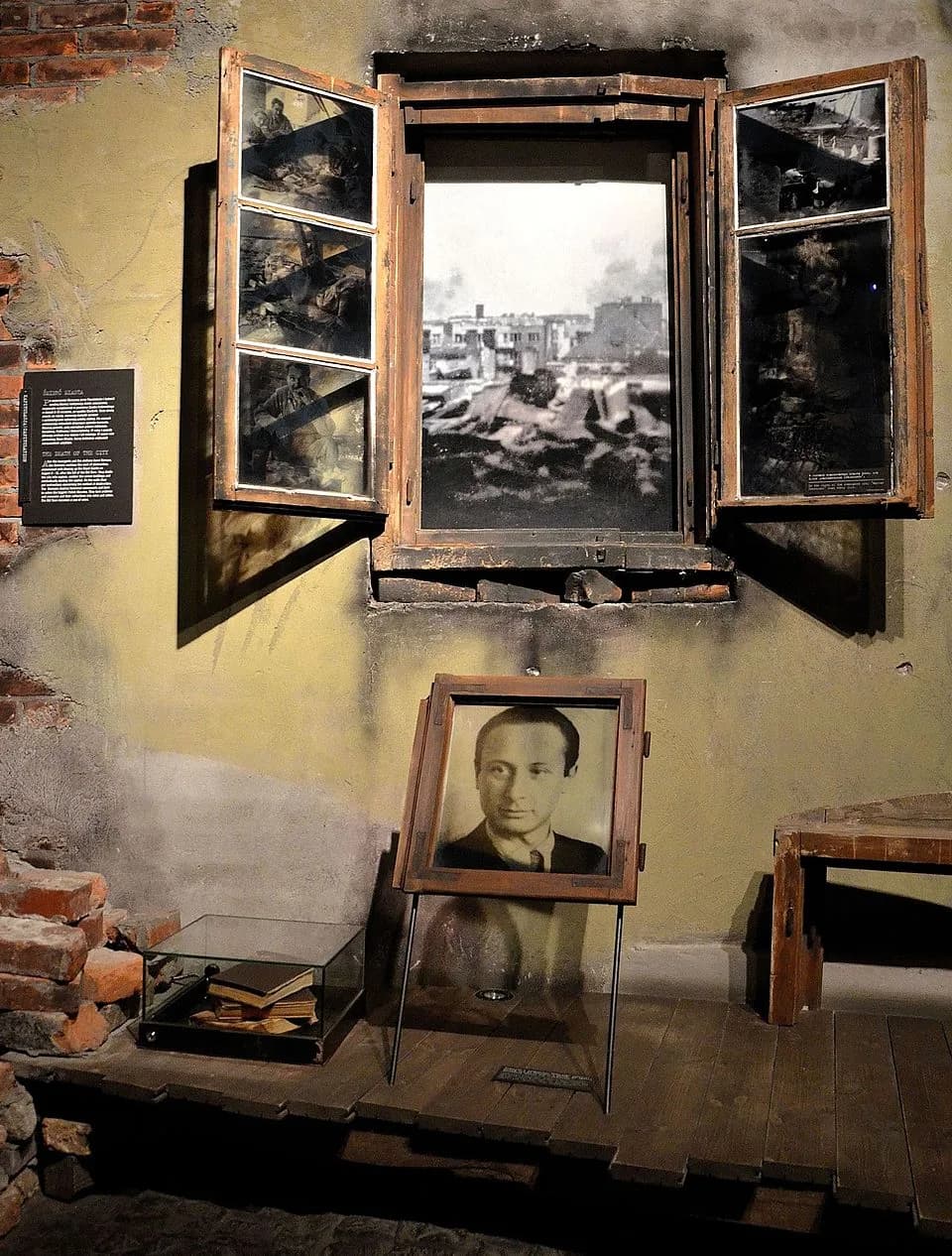
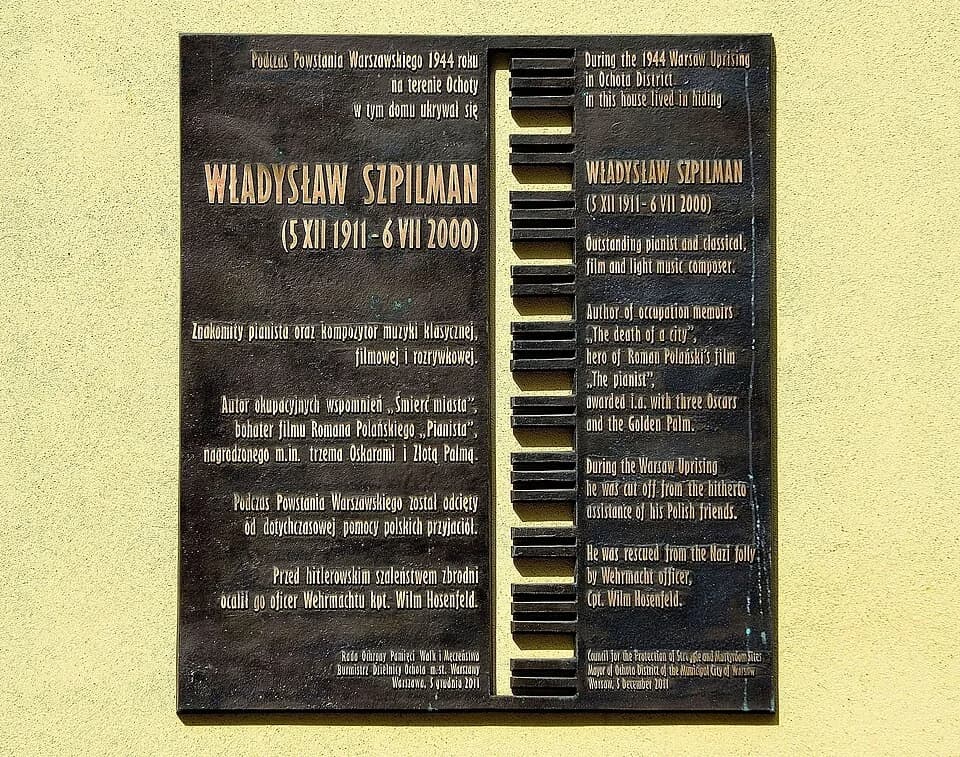
A central and defining period in Władysław Szpilman's life and career was his survival during the German occupation of Warsaw and the subsequent Warsaw Uprising. His harrowing autobiographical account of these years brought him international fame and critical acclaim, detailing his experiences as a Holocaust survivor. This powerful story later formed the basis for Roman Polanski's globally recognized film, "The Pianist," which introduced Szpilman's personal ordeal and profound musical talent to millions worldwide. After the war, Szpilman continued his work, rebuilding his career and contributing to the Polish musical scene.
Luku 4· Luku 4 / 7
Personal Life
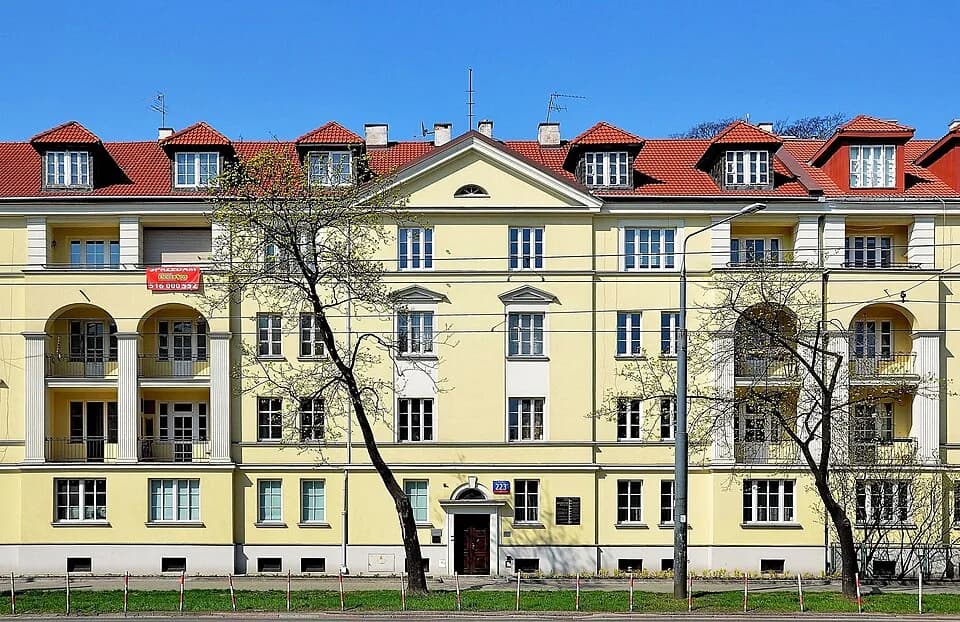
While specific familial details are not extensively provided in his public records, Władysław Szpilman's personal existence was undeniably shaped by his survival during the Holocaust. His experience of living in hiding in Warsaw during World War II, constantly facing starvation and the threat of death, represents a profound chapter in his personal narrative. These extreme circumstances, vividly recounted in his memoir, reveal an individual of immense inner strength and an enduring will to live, forever linked to his identity as a Holocaust survivor.
Luku 5 · 2000· Luku 5 / 7
Notable Works or Contributions
Władysław Szpilman's contributions to music and literature are significant, encompassing both original compositions and recorded performances. His discography includes "Portret muzyczny," released in 2000, showcasing his mature artistry as a pianist. Posthumously, "The Original Recordings of “The Pianist”" (2002) and "The Pianist (Music inspired by the Motion Picture)" further documented his musical legacy. His memoir, initially published in Poland as "Śmierć Miasta" (Death of a City) and later widely known as "The Pianist," stands as a crucial historical and personal testimony.
Luku 6 · 2000· Luku 6 / 7
Later Years
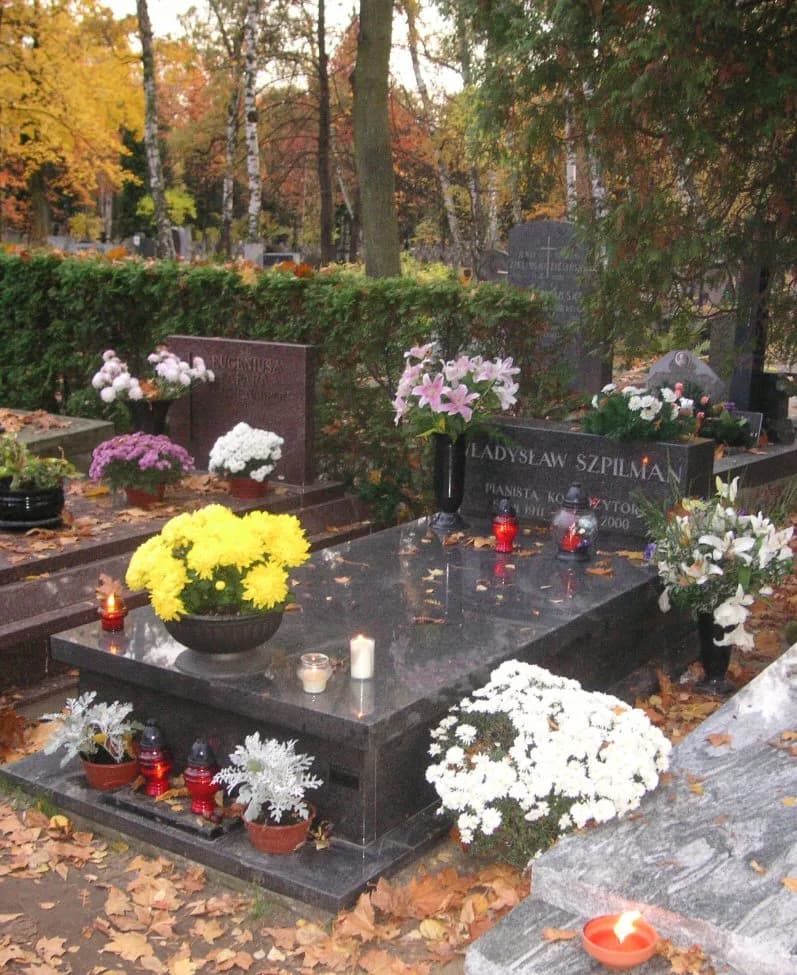
Following the conclusion of World War II, Władysław Szpilman returned to his musical pursuits in Warsaw, Poland, where he continued to compose and perform. He dedicated himself to ensuring his wartime experiences were remembered, primarily through the publication of his memoir. Szpilman lived a long and impactful life after his survival, continuing to contribute to culture until his passing on July 6, 2000, in Warsaw.
Luku 7 · 1933· Luku 7 / 7
Legacy and Impact
The legacy of Władysław Szpilman stretches far beyond his accomplishments as a musician and composer. His story of survival during the Holocaust, powerfully conveyed in "The Pianist," stands as a compelling reminder of human endurance and the resilience of the artistic spirit amidst brutality. Through his music, his compositions like "Suite The life of the machines 1933 for piano," and his poignant memoir, Szpilman left an enduring cultural and historical footprint. His name is now widely recognized not only for his musical excellence but also as a powerful symbol of hope and the unwavering spirit of life.
UKK
Usein kysyttyä
Milloin Władysław Szpilman kuoli?
Władysław Szpilman kuoli 6. heinäkuuta 2000 Warsaw, Polandssa, 88 vuoden iässä.
Missä Władysław Szpilman syntyi?
Władysław Szpilman syntyi Sosnowiec, Polandssa 5. joulukuuta 1911.
Mistä Władysław Szpilman on tunnetuin?
Władysław Szpilman on tunnetuin (1911-2000) Polish pianist, composer, Holocaust survivor.
Kuinka vanha Władysław Szpilman oli kuollessaan?
Władysław Szpilman oli 88-vuotias kuollessaan.
Mitä kansallisuutta Władysław Szpilman oli?
Władysław Szpilman oli kotoisin maasta Poland.
Aikajana
Elämä lyhyesti
Valokuvagalleria
Elämä kuvina
Klikkaa mitä tahansa polaroidia laajentaaksesi · 13 valokuvaa
QR-koodi
Jaa tämä elämäkerta
Tulosta ja jaa
Skannaa vieraillaksesi tällä elämäkerrallisella sivulla. Tulosta tapahtumiin, näyttelyihin tai opetusmateriaaleihin.