Syntynyt
April 22, 1904
New York City, United States
Kuollut
February 18, 1967
Princeton, United States
Tunnettu
American theoretical physicist, known as "father of the atomic bomb"
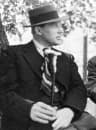
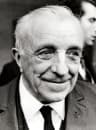
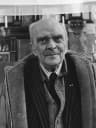
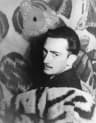
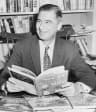
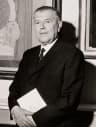
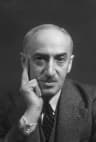
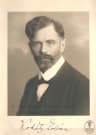
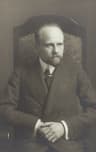
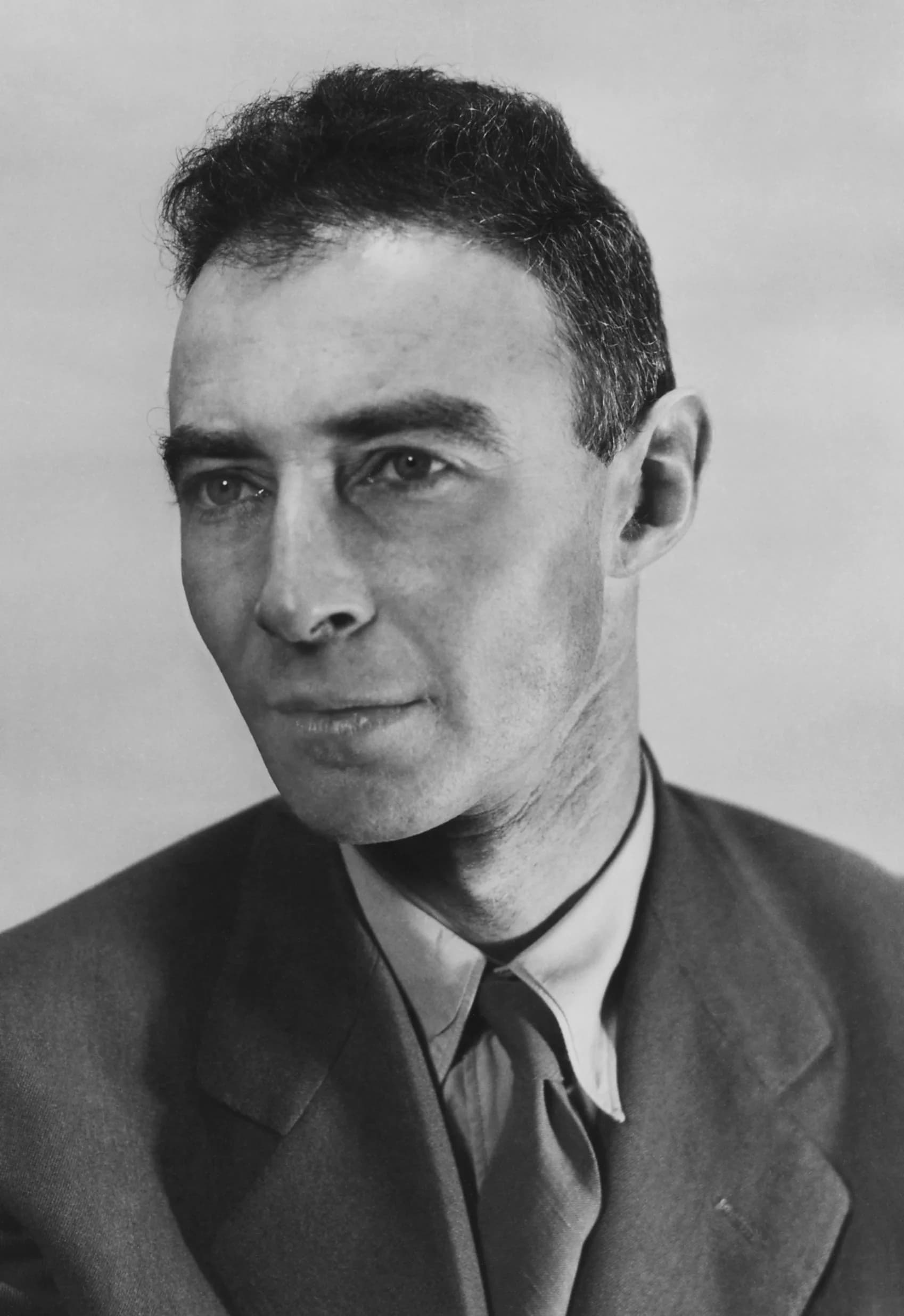
Robert Oppenheimer (1904–1967) was United States best known for American theoretical physicist, known as "father of the atomic bomb".
J. Robert Oppenheimer (April 22, 1904 – February 18, 1967) was an American theoretical physicist from New York City. He served as director of the Los Alamos Laboratory during World War II, overseeing the development of the first nuclear weapons. Oppenheimer is widely known as the "father of the atomic bomb" for his scientific and administrative leadership.
Luku
Elämän luvut
Luku 1 · 1904· Luku 1 / 8
Opening
J. Robert Oppenheimer (1904-1967) was an American theoretical physicist whose extraordinary intellectual contributions had a profound and complex influence on the 20th century. Born in New York City, his brilliance propelled him into the highest echelons of scientific research and administration. He is widely recognized as the "father of the atomic bomb" for his unparalleled leadership during World War II.
Oppenheimer's journey from a young, curious scholar to a central figure in global history involved pioneering work in theoretical physics and navigating immense ethical challenges. His life's work as a scientist, engineer, physicist, and university teacher left an undeniable mark on both science and geopolitics.
Luku 2 · 1904· Luku 2 / 8
Early Life and Origins
Julius Robert Oppenheimer was born on April 22, 1904, in New York City, United States. He grew up in an affluent and cultured home, which fostered a deep love for learning and wide-ranging intellectual pursuits from an early age. His family background provided a nurturing environment for his burgeoning intellect.
Oppenheimer's exceptional academic talent became evident during his education, leading him to Harvard University and later to Europe, where he delved into the emerging field of theoretical physics. He quickly absorbed and contributed to the most advanced scientific thought of his time, laying the groundwork for his future accomplishments.
Luku 3· Luku 3 / 8
Career Beginnings
Upon returning to the United States, Oppenheimer established himself as a distinguished university teacher, holding professorships at the California Institute of Technology and the University of California, Berkeley. He became a leading figure in American theoretical physics, attracting a devoted following of students and colleagues. His courses were renowned for their difficulty and depth.
During this period, Oppenheimer conducted significant research in quantum mechanics, nuclear physics, and quantum field theory. His work was crucial in expanding the theoretical understanding of subatomic particles and their interactions. These foundational contributions solidified his reputation within the scientific community long before his wartime prominence.
Luku 4 · 1942· Luku 4 / 8
Major Achievements and Career Highlights
Oppenheimer's most significant and transformative role began in 1942 when he was appointed scientific director of the Manhattan Project's Los Alamos Laboratory. This clandestine operation was tasked with developing the first nuclear weapons during World War II. He assembled a formidable team of scientists and engineers from across the globe to tackle this unprecedented challenge.
Under his astute leadership, the Los Alamos team rapidly advanced the theoretical and practical aspects of nuclear fission and bomb design. His ability to synthesize diverse scientific disciplines and manage complex personalities was central to the project's success. This monumental effort culminated in the Trinity test in July 1945, which marked the detonation of the world's first atomic bomb.
This achievement, while fulfilling its wartime objective, also bestowed upon him the enduring, complex title of "father of the atomic bomb." His administrative prowess as a science administrator, coupled with his deep understanding of theoretical physics, made him uniquely suited for this historic leadership role.
Luku 5· Luku 5 / 8
Personal Life
Beyond his intense scientific commitments, J. Robert Oppenheimer nurtured a keen interest in the arts, notably becoming an art collector. This passion reflected a broader intellectual curiosity and a refined appreciation for culture. His diverse interests offered a counterpoint to the rigor of his scientific work.
Luku 6· Luku 6 / 8
Notable Works or Contributions
Oppenheimer's most impactful contribution was his directorship of the Los Alamos Laboratory within the Manhattan Project. Here, his expertise as a nuclear physicist and theoretical physicist was directly applied to the most pressing scientific challenge of his era. He played a direct role in shaping the design and implementation of the first atomic bombs.
His contributions extended beyond pure theory; he was also an engineer in the grandest sense, orchestrating the practical application of cutting-edge physics on an industrial scale. The scientific principles he and his colleagues explored transformed from abstract concepts into tangible, powerful forces. The success of the Manhattan Project stands as his most significant and widely known work.
Luku 7· Luku 7 / 8
Later Years
After World War II, Oppenheimer continued to serve the nation as a science administrator, advising on nuclear policy and international arms control. He became director of the Institute for Advanced Study in Princeton, New Jersey, further cementing his influence in the academic world. His later years involved deep reflections on the ethical implications of the nuclear age he helped inaugurate.
J. Robert Oppenheimer passed away on February 18, 1967, in Princeton, United States. His life, filled with extraordinary achievement and subsequent public scrutiny, concluded with him as a contemplative figure, forever linked to the dawn of nuclear technology.
Luku 8· Luku 8 / 8
Legacy and Impact
J. Robert Oppenheimer's legacy is profound and far-reaching, fundamentally changing science, warfare, and global politics. His leadership in the Manhattan Project not only ended World War II but also initiated the nuclear era, forcing humanity to grapple with unprecedented destructive power. The world was irrevocably altered by his work.
As a theoretical physicist and a science administrator, he exemplified the potential and the moral weight of scientific discovery. The ethical questions surrounding the development and use of nuclear weapons, issues he grappled with personally, remain central to international discourse. Oppenheimer's story continues to serve as a powerful reminder of the complex relationship between scientific progress and human responsibility.
Elämä hetkissä
Hetket, jotka muovasivat elämää


UKK
Usein kysyttyä
Milloin Robert Oppenheimer kuoli?
Robert Oppenheimer kuoli 18. helmikuuta 1967 Princeton, United Statesssa, 62 vuoden iässä.
Missä Robert Oppenheimer syntyi?
Robert Oppenheimer syntyi New York City, United Statesssa 22. huhtikuuta 1904.
Mistä Robert Oppenheimer on tunnetuin?
Robert Oppenheimer on tunnetuin American theoretical physicist, known as "father of the atomic bomb".
Kuinka vanha Robert Oppenheimer oli kuollessaan?
Robert Oppenheimer oli 62-vuotias kuollessaan.
Mitä kansallisuutta Robert Oppenheimer oli?
Robert Oppenheimer oli kotoisin maasta United States.
Aikajana
Elämä lyhyesti
Valokuvagalleria
Elämä kuvina
Klikkaa mitä tahansa polaroidia laajentaaksesi · 25 valokuvaa
QR-koodi
Jaa tämä elämäkerta
Tulosta ja jaa
Skannaa vieraillaksesi tällä elämäkerrallisella sivulla. Tulosta tapahtumiin, näyttelyihin tai opetusmateriaaleihin.