Syntynyt
May 31, 1857
Desio, Italy
Kuollut
February 10, 1939
Vatican City, Vatican City
Tunnettu
pope of the Catholic Church from 1922 to 1939
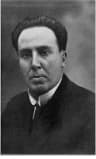
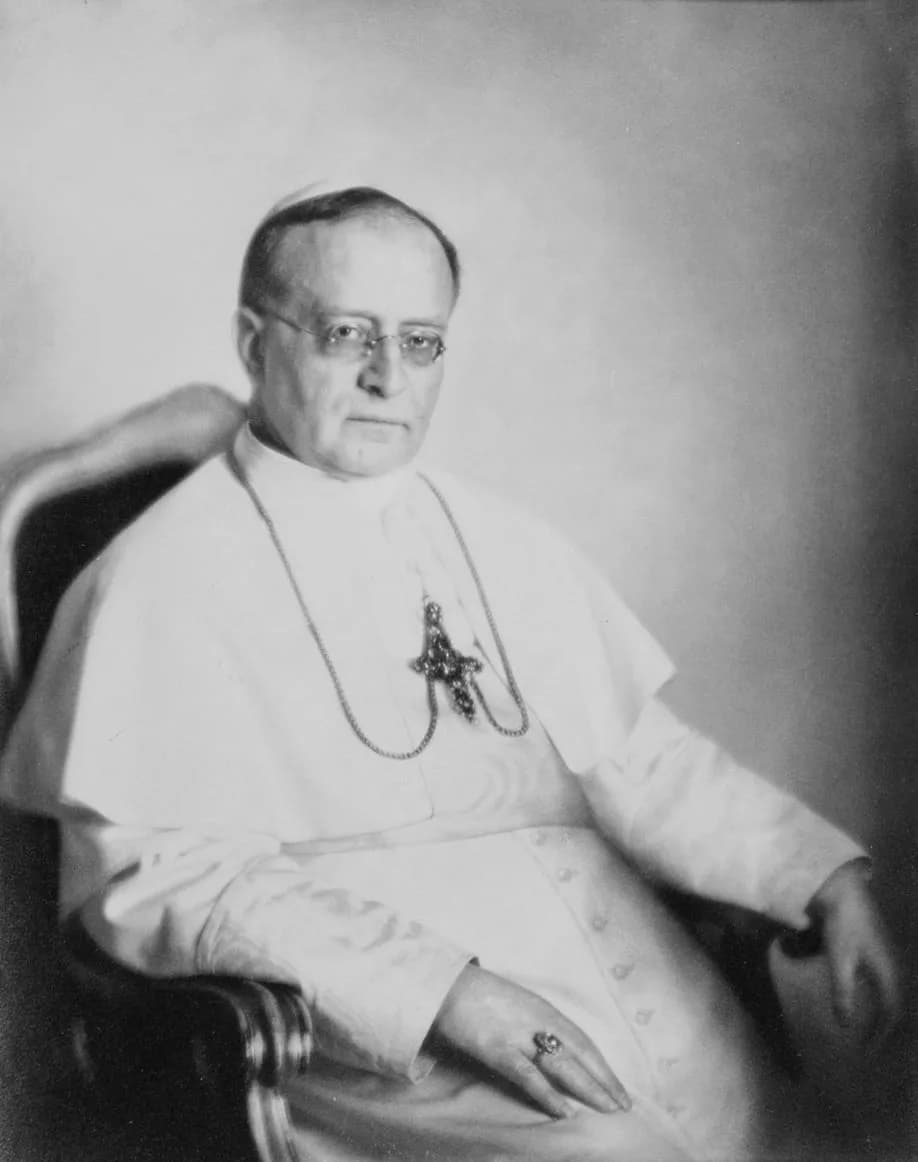
Pius XI (1857–1939) was Italy best known for pope of the Catholic Church from 1922 to 1939.
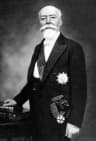
Pius XI (May 31, 1857 – February 10, 1939) was a pope of the Catholic Church from Desio, Italy. He served as head of the Church and became the first sovereign of Vatican City in 1929. His leadership defined a significant period for the Catholic Church globally.
Luku
Elämän luvut
Luku 1 · 1857· Luku 1 / 8
Opening Tribute
Pius XI, born Achille Ratti on May 31, 1857, served as the revered pope of the Catholic Church from 1922 until his passing on February 10, 1939. His nearly two-decade pontificate was a period of significant change and challenge, during which he guided the Church through complex global events. He is recognized not only as a spiritual leader but also as a figure who reshaped the political standing of the Holy See.
Luku 2· Luku 2 / 8
Early Life and Origins
Born in Desio, Italy, young Achille Ratti's journey began in a modest Italian town in the Lombardy region. His early life set the foundation for a future dedicated to scholarship and service within the Catholic Church. Though specific details of his family life are not extensively provided, his path clearly led him towards an ecclesiastical career from a young age.
Luku 3· Luku 3 / 8
Career Beginnings
Pius XI's early professional life was marked by diverse roles that honed his intellectual and administrative abilities. He began his service as a Latin Catholic priest, dedicating himself to the spiritual needs of his flock. His talents were also recognized in academic circles, leading him to a distinguished career as a librarian, where he managed significant collections and contributed to scholarly work.
His diplomatic and pastoral skills soon led him to international service, taking on roles as a nuncio and missionary. These experiences provided him with a deep understanding of global affairs and the diverse challenges facing the Church across different cultures. He later ascended to the position of Catholic bishop, further broadening his responsibilities and preparing him for the highest office.
Luku 4 · 1922· Luku 4 / 8
Major Achievements and Career Highlights
Pius XI’s papacy, spanning from February 6, 1922, to February 10, 1939, was distinguished by several monumental achievements. He ascended to the papacy at a time of immense geopolitical upheaval following World War I. His leadership brought stability and direction to the Catholic Church during this turbulent era.
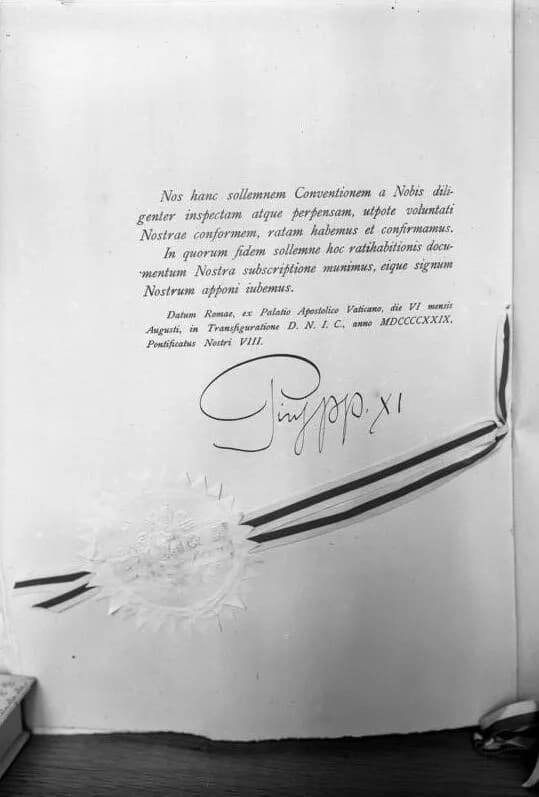
Perhaps his most enduring achievement was the establishment of Vatican City as an independent sovereign state. On February 11, 1929, he became the first sovereign of Vatican City, an act that fundamentally altered the relationship between the Holy See and the Italian state, resolving the “Roman Question” that had persisted for decades. This diplomatic triumph secured the Church's autonomy and global standing.
Luku 5· Luku 5 / 8
Personal Life
Beyond his ecclesiastical and diplomatic duties, Pius XI also pursued a unique personal interest: mountaineering. This pursuit suggests a person of considerable determination and physical fortitude, capable of facing challenging climbs and demonstrating a love for nature. This lesser-known aspect of his life offers a glimpse into his personal character, revealing a man who embraced both intellectual pursuits and rigorous physical activity.
Luku 6· Luku 6 / 8
Notable Contributions
As head of the Catholic Church, Pius XI issued numerous encyclicals addressing significant social, political, and spiritual issues of his time. While specific titles are not provided, his pontificate was marked by strong pronouncements on matters such as social justice, the family, and the dangers of totalitarian ideologies. His words guided Catholics worldwide and contributed significantly to Catholic social teaching.
Luku 7 · 1939· Luku 7 / 8
Later Years
Pius XI served as pope until his death in February 1939, passing away in Vatican City. His final years were spent grappling with the rising tide of fascism and Nazism in Europe, and he courageously spoke out against their ideologies. He continued to lead the Church with unwavering resolve, addressing moral and political challenges until his last days.
Luku 8· Luku 8 / 8
Legacy and Impact
The legacy of Pius XI is profound, particularly through his establishment of Vatican City's sovereignty, which redefined the geopolitical position of the papacy. He left a lasting influence on the Catholic Church by navigating it through a period of intense global change. His intellectual rigor, diplomatic skill, and moral courage helped shape the Church's role in the 20th century, influencing both its spiritual direction and its engagement with the modern world.
Elämä hetkissä
Hetket, jotka muovasivat elämää
UKK
Usein kysyttyä
Milloin Pius XI kuoli?
Pius XI kuoli 10. helmikuuta 1939 Vatican City, Vatican Cityssa, 81 vuoden iässä.
Missä Pius XI syntyi?
Pius XI syntyi Desio, Italyssa 31. toukokuuta 1857.
Mistä Pius XI on tunnetuin?
Pius XI on tunnetuin pope of the Catholic Church from 1922 to 1939.
Kuinka vanha Pius XI oli kuollessaan?
Pius XI oli 81-vuotias kuollessaan.
Mitä kansallisuutta Pius XI oli?
Pius XI oli kotoisin maasta Italy.
Aikajana
Elämä lyhyesti
Valokuvagalleria
Elämä kuvina
Klikkaa mitä tahansa polaroidia laajentaaksesi · 25 valokuvaa
QR-koodi
Jaa tämä elämäkerta
Tulosta ja jaa
Skannaa vieraillaksesi tällä elämäkerrallisella sivulla. Tulosta tapahtumiin, näyttelyihin tai opetusmateriaaleihin.