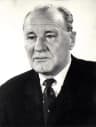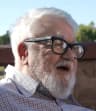
Syntynyt
November 20, 1912
Reichenau an der Rax, Austria
Kuollut
July 4, 2011
Pöcking, Germany
Tunnettu
Head of the House of Habsburg and German politician
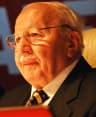
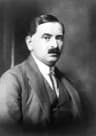
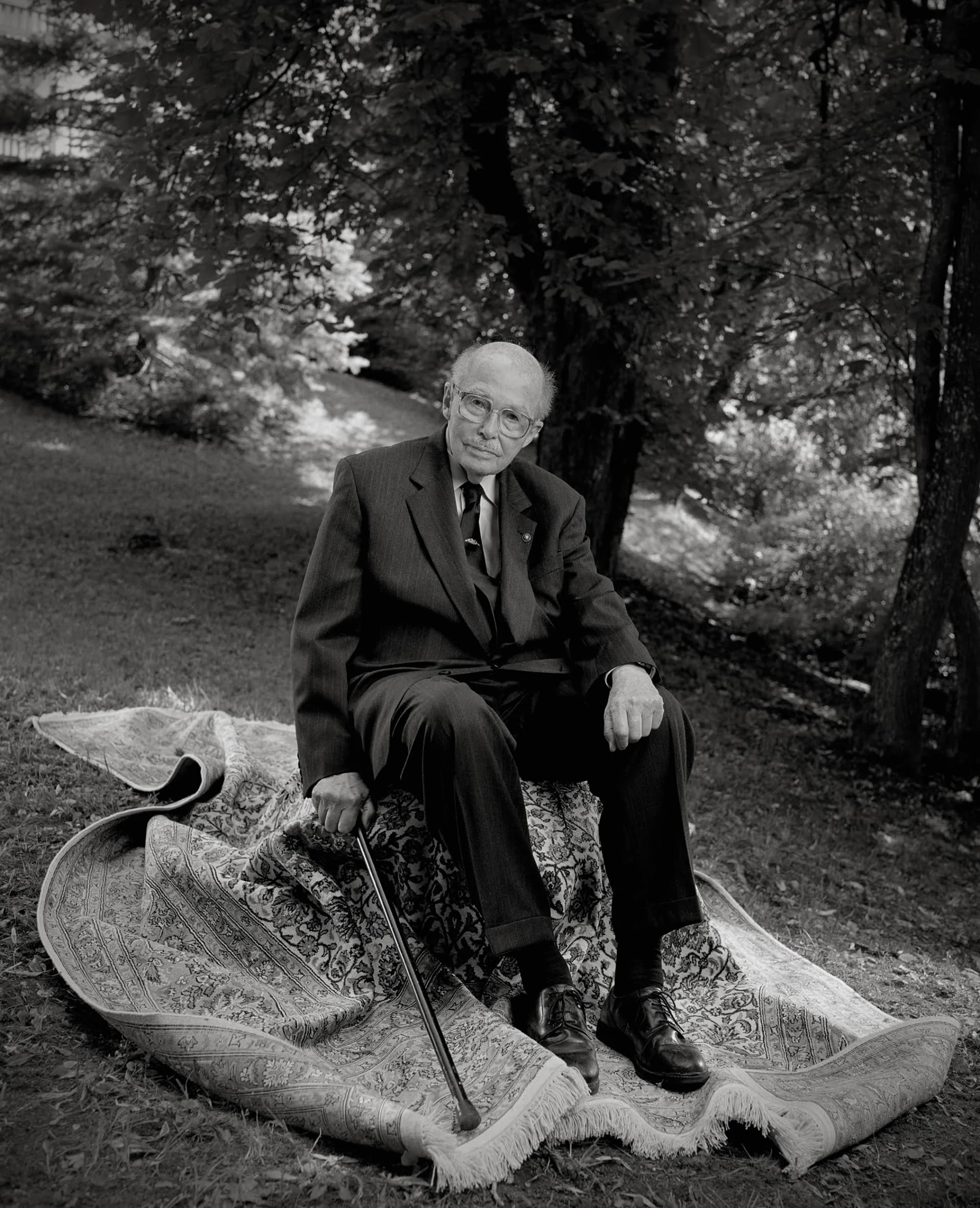
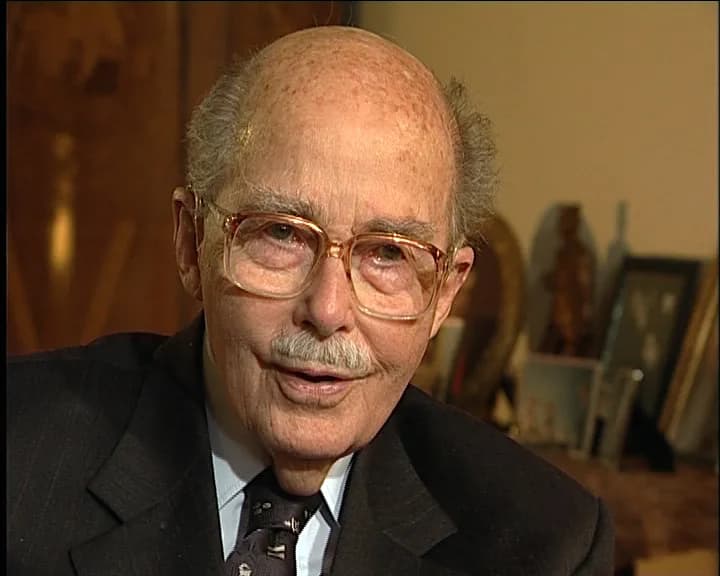
Otto von Habsburg (1912–2011) was Austria best known for Head of the House of Habsburg and German politician.
Otto von Habsburg (November 20, 1912 – July 4, 2011) was a German politician and the head of the House of Habsburg. He served as the last crown prince of Austria-Hungary and later as a prominent advocate for European unity. His life bridged centuries of dynastic history with modern democratic political engagement.
Luku
Elämän luvut
Luku 1 · 1912· Luku 1 / 7
Early Life and Origins
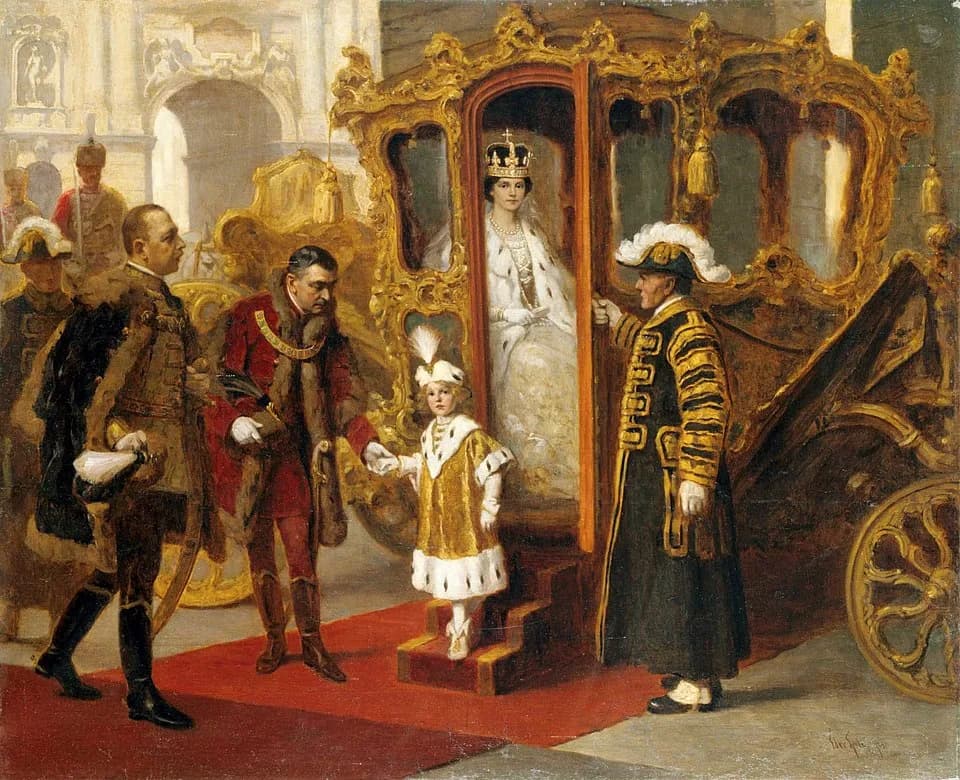
Otto von Habsburg's life began on November 20, 1912, in the charming Austrian town of Reichenau an der Rax. He was born into one of Europe's most influential dynasties, the House of Habsburg, as the eldest son of Charles I, who would become the last Emperor of Austria and King of Hungary. From his birth, his lineage destined him for a role at the heart of European monarchical tradition and political affairs.
His early childhood years, specifically from 1916 until November 1918, were spent as the last crown prince of the vast Austria-Hungary Empire. However, the dramatic dissolution of this empire in November 1918 irrevocably altered his life's trajectory and the political map of Central Europe. This foundational period imbued him with a deep understanding of imperial history and the swift currents of modern political change.
Luku 2 · 1922· Luku 2 / 7
Career Beginnings
A significant turning point occurred for Otto von Habsburg in 1922, following the passing of his esteemed father. At this juncture, he formally assumed the weighty responsibility as the pretender to the former thrones of Austria-Hungary, an inheritance of immense historical and symbolic importance. Concurrently, he became the revered head of the ancient House of Habsburg-Lorraine, thereby continuing a lineage that spanned many centuries.
In that same year, 1922, Otto von Habsburg also became the sovereign of the venerable (Austrian) Order of the Golden Fleece, an exclusive chivalric order. These inherited titles and positions placed him at the symbolic forefront of a dynastic history that had profoundly shaped the continent. His early adult life was consequently defined by upholding these traditional duties while simultaneously engaging with contemporary political thought and development.
Luku 3· Luku 3 / 7
Major Achievements and Career Highlights
Transitioning beyond his dynastic leadership, Otto von Habsburg established a distinguished career as a German politician. He was known for his persistent advocacy for a united and free Europe, particularly during the challenging decades of the Cold War. His political efforts aimed at fostering cross-border cooperation and stability across the continent, reflecting his belief in a common European future.
As an active political figure, he served diligently as the head of the House of Habsburg while contributing to political discourse in Germany and beyond. His unique historical background provided a distinct perspective within the political arena, allowing him to connect with a broad spectrum of political ideologies and public opinions. He tirelessly championed democratic principles and individual liberties throughout his active political life.
Luku 4· Luku 4 / 7
Personal Life
While his public life was largely dedicated to politics and the legacy of his house, Otto von Habsburg also maintained a personal and family life. He resided in Pöcking, Germany, a place that became his home for many years until his passing. This private sphere offered him respite and continuity amidst his demanding public engagements and the ever-changing political landscape.
Luku 5· Luku 5 / 7
Notable Works or Contributions
Otto von Habsburg's contributions were largely expressed through his direct involvement in policy-making and public advocacy as a German politician. He was a prominent voice in discussions concerning European unification and played a significant role in shaping public opinion regarding central European issues. His efforts were consistently focused on promoting peace, understanding, and reconciliation across national borders.
Throughout his career, he frequently utilized his position to champion human rights and to speak out against oppressive regimes. His active participation in various European parliamentary bodies underscored his commitment to democratic governance. These specific actions and his articulate public commentary formed the bedrock of his lasting contribution to modern European political thought.
Luku 6 · 2000· Luku 6 / 7
Later Years
As the twenty-first century dawned, Otto von Habsburg responsibly began to cede some of his long-held dynastic responsibilities, ensuring a smooth transition for his family's legacy. In the year 2000, he officially resigned from his significant role as the Sovereign of the (Austrian) Order of the Golden Fleece. This strategic step allowed for the continuation of ancient traditions under new leadership.
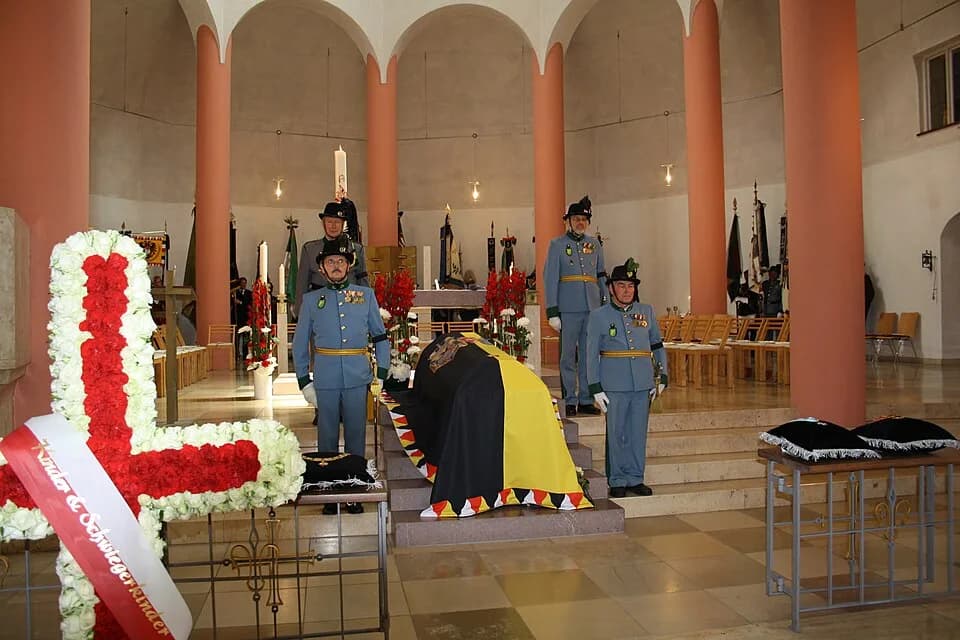
Seven years later, in 2007, he further relinquished his duties by resigning as the head of the Imperial House of Habsburg-Lorraine. These deliberate actions demonstrated his commitment to the future of his family and the institutions he represented. Otto von Habsburg passed away peacefully on July 4, 2011, in Pöcking, Germany, concluding a life of extraordinary public service and historical significance.
Luku 7· Luku 7 / 7
Legacy and Impact
Otto von Habsburg is remembered for his profound legacy as both a German politician and the dignified head of the House of Habsburg. He skillfully navigated the complex intersection of historical tradition and modern European democratic governance. His life story stands as a compelling example of adapting a noble heritage to the demands and opportunities of the contemporary world.
His enduring impact stems from his unwavering commitment to a united, democratic Europe and his consistent efforts to bridge historical divides. Otto von Habsburg's voice and vision continue to inspire discussions about continental identity and the enduring relevance of historical lineages in a modern context. He demonstrated how a person deeply rooted in history could actively shape a progressive future.
Elämä hetkissä
Hetket, jotka muovasivat elämää
UKK
Usein kysyttyä
Milloin Otto von Habsburg kuoli?
Otto von Habsburg kuoli 4. heinäkuuta 2011 Pöcking, Germanyssa, 98 vuoden iässä.
Missä Otto von Habsburg syntyi?
Otto von Habsburg syntyi Reichenau an der Rax, Austriassa 20. marraskuuta 1912.
Mistä Otto von Habsburg on tunnetuin?
Otto von Habsburg on tunnetuin Head of the House of Habsburg and German politician.
Kuinka vanha Otto von Habsburg oli kuollessaan?
Otto von Habsburg oli 98-vuotias kuollessaan.
Mitä kansallisuutta Otto von Habsburg oli?
Otto von Habsburg oli kotoisin maasta Austria.
Aikajana
Elämä lyhyesti
Valokuvagalleria
Elämä kuvina
Klikkaa mitä tahansa polaroidia laajentaaksesi · 45 valokuvaa
QR-koodi
Jaa tämä elämäkerta
Tulosta ja jaa
Skannaa vieraillaksesi tällä elämäkerrallisella sivulla. Tulosta tapahtumiin, näyttelyihin tai opetusmateriaaleihin.