Syntynyt
August 17, 1844
Ankober, Ethiopia
Kuollut
December 12, 1913
Addis Ababa, Ethiopia
Tunnettu
Emperor of Ethiopia and King of Shewa
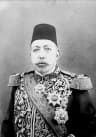
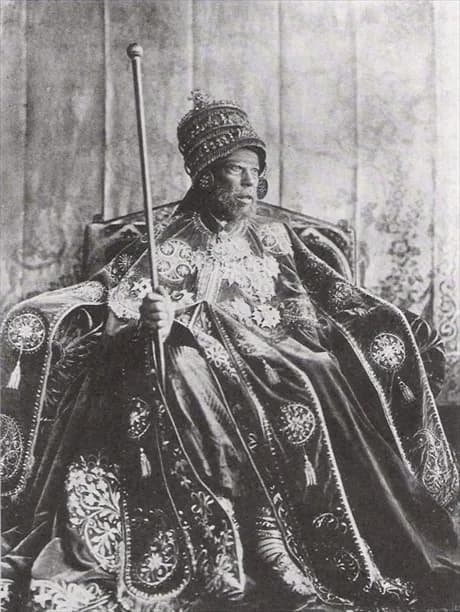
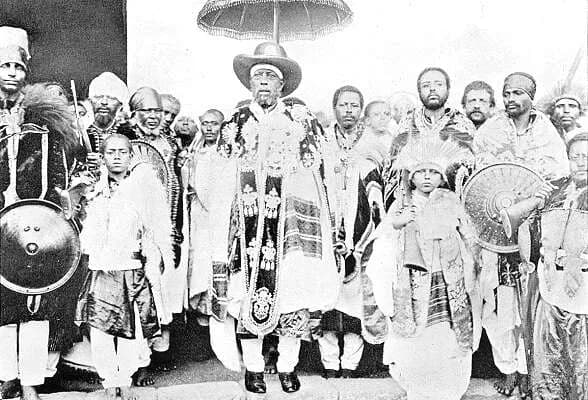
Menilek II (1844–1913) was Ethiopia best known for Emperor of Ethiopia and King of Shewa.
Menilek II (August 17, 1844 – December 12, 1913) was a politician from Ethiopia. He was Emperor of Ethiopia, widely regarded as the founder of the modern Ethiopian state. Menilek II expanded the empire and notably defeated Italian colonial forces at the Battle of Adwa in 1896, securing Ethiopia's sovereignty.
Luku
Elämän luvut
Luku 1 · 1844· Luku 1 / 5
Early Life and Accession to Shewan Throne
Born Sahle Maryam on August 17, 1844, in Ankober, Ethiopia, Menilek II was a descendant of the Solomonic dynasty. His early years were shaped by the political landscape of 19th-century Ethiopia, where regional power struggles were common. He came from a lineage deeply intertwined with the historical fabric of the Ethiopian state, destined for a path of leadership.
Menilek's political career began as the King of Shewa, a position he held from 1866 to 1889. During this period, he consolidated his power and influence within the region, laying the groundwork for his future imperial rule. He skillfully managed regional dynamics and built a strong base of support among the Shewan people.
Luku 2 · 1889· Luku 2 / 5
Ascension to Emperor and Imperial Expansion
In 1889, Menilek II was crowned Emperor of Ethiopia, marking a new era for the ancient empire. As Emperor, he embarked on a significant expansion of the Ethiopian Empire's borders. This expansion brought numerous territories under central control, extending the empire to its greatest historical extent and unifying diverse populations.
His efforts in consolidating various kingdoms and regions were crucial for establishing a unified and powerful state. This period of expansion saw the incorporation of new peoples and lands, enhancing Ethiopia's strategic depth and resource base. He worked diligently to modernize the administrative and military structures of the expanding empire to ensure its stability.
Luku 3 · 1896· Luku 3 / 5
The Battle of Adwa: A Defining Victory
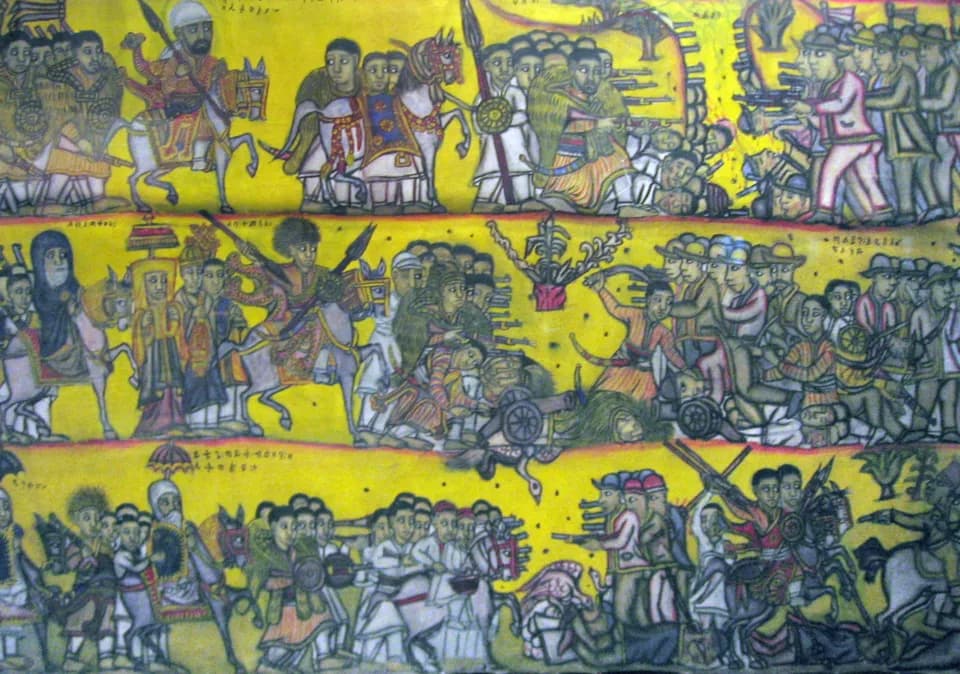
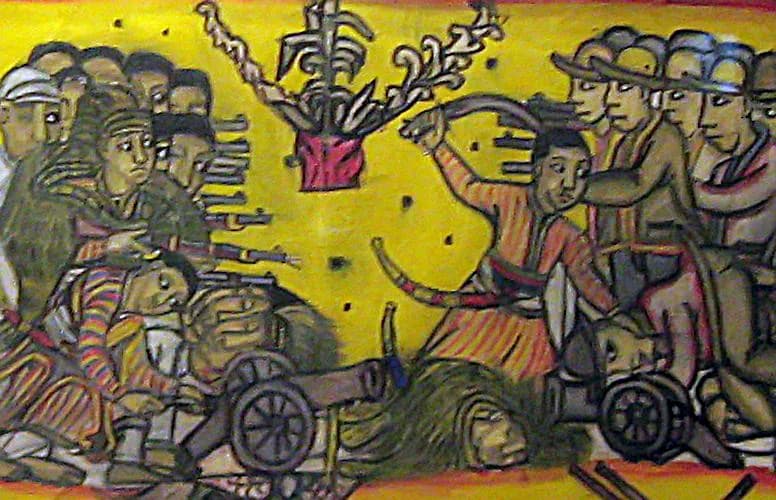
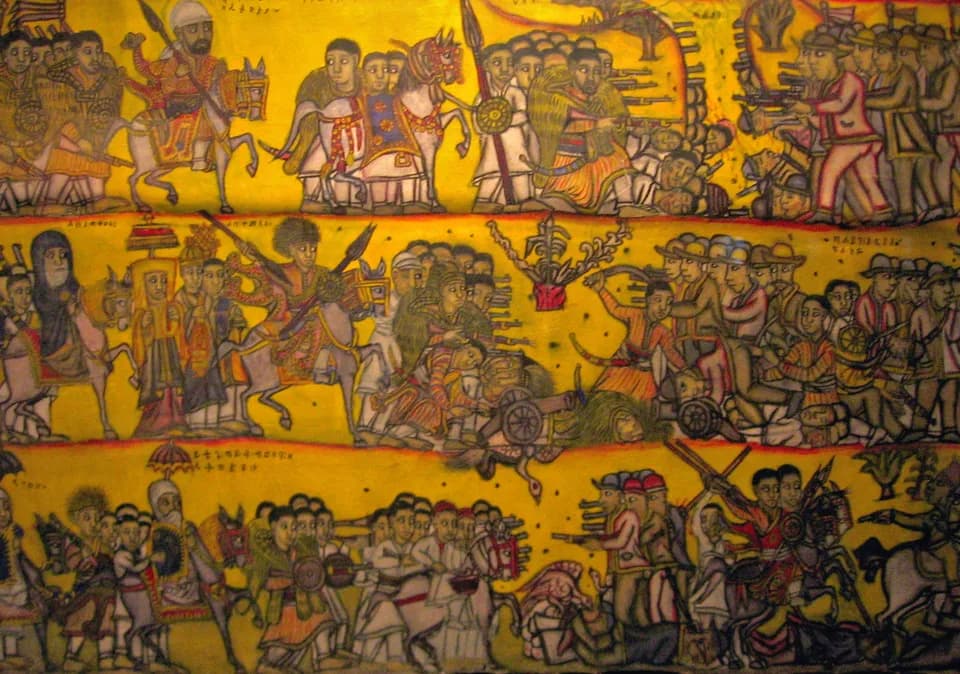
One of Menilek II's most significant accomplishments was his decisive victory at the Battle of Adwa in 1896. This monumental battle saw Ethiopian forces successfully repelling Italian colonial ambitions to claim Ethiopian territory. The victory at Adwa solidified Ethiopia's independence and made it the only African nation to successfully resist European colonization during the "Scramble for Africa."
The Battle of Adwa became a powerful symbol of African resistance and self-determination worldwide, inspiring many other nations. Under Menilek's leadership, the Ethiopian army demonstrated remarkable strategic prowess and unity, securing a triumph against a formidable European power. This historic victory unequivocally secured Ethiopia's sovereignty, shaping its future trajectory as an independent nation.
Luku 4 · 1886· Luku 4 / 5
Founding the Modern Ethiopian State
Menilek II is widely regarded as the founder of the modern Ethiopian state due to his extensive reforms and unification efforts. His strategic foresight in unifying disparate regions and centralizing power created a cohesive national identity that endures today. He implemented policies that modernized infrastructure, including the establishment of Addis Ababa as the capital city in 1886.
His administration introduced postal services, telegraph lines, and initiated the construction of the railway to Djibouti, fostering better communication and trade. These innovations aimed to strengthen the state and connect its various parts more effectively, laying the groundwork for future development. His legacy is deeply intertwined with Ethiopia's transformation into a contemporary nation-state.
Luku 5 · 1913· Luku 5 / 5
Later Years and Enduring Legacy
Emperor Menilek II continued to lead Ethiopia until his passing on December 12, 1913, in Addis Ababa, Ethiopia. His final years were spent solidifying the reforms and territorial gains made during his long and impactful reign. He left behind a robust and independent nation, resilient against external pressures.
The impact of Menilek II's leadership resonates powerfully in Ethiopian history and across the African continent. His success in preserving Ethiopia's independence set a vital precedent and inspired anti-colonial movements globally. He is remembered as a visionary leader whose actions secured a proud and sovereign future for Ethiopia, a legacy that continues to be celebrated.
Elämä hetkissä
Hetket, jotka muovasivat elämää
UKK
Usein kysyttyä
Milloin Menilek II kuoli?
Menilek II kuoli 12. joulukuuta 1913 Addis Ababa, Ethiopiassa, 69 vuoden iässä.
Missä Menilek II syntyi?
Menilek II syntyi Ankober, Ethiopiassa 17. elokuuta 1844.
Mistä Menilek II on tunnetuin?
Menilek II on tunnetuin Emperor of Ethiopia and King of Shewa.
Kuinka vanha Menilek II oli kuollessaan?
Menilek II oli 69-vuotias kuollessaan.
Mitä kansallisuutta Menilek II oli?
Menilek II oli kotoisin maasta Ethiopia.
Valokuvagalleria
Elämä kuvina
Klikkaa mitä tahansa polaroidia laajentaaksesi · 24 valokuvaa
QR-koodi
Jaa tämä elämäkerta
Tulosta ja jaa
Skannaa vieraillaksesi tällä elämäkerrallisella sivulla. Tulosta tapahtumiin, näyttelyihin tai opetusmateriaaleihin.