Syntynyt
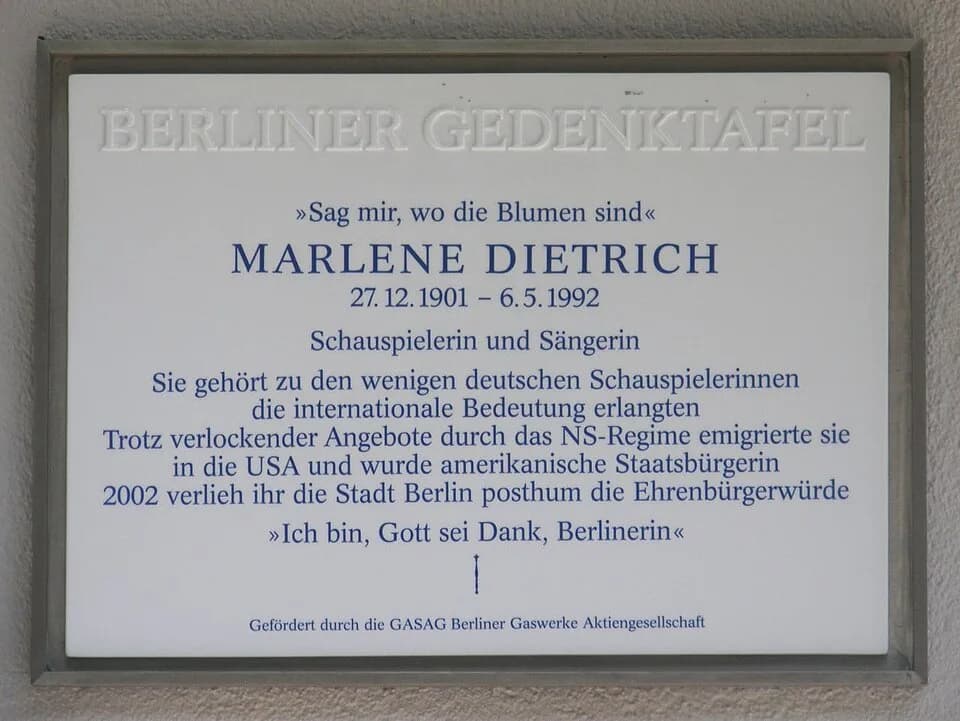
December 27, 1901
Rote Insel, Germany
Kuollut
May 6, 1992
8th arrondissement of Paris, France
Tunnettu
German and American actress and singer
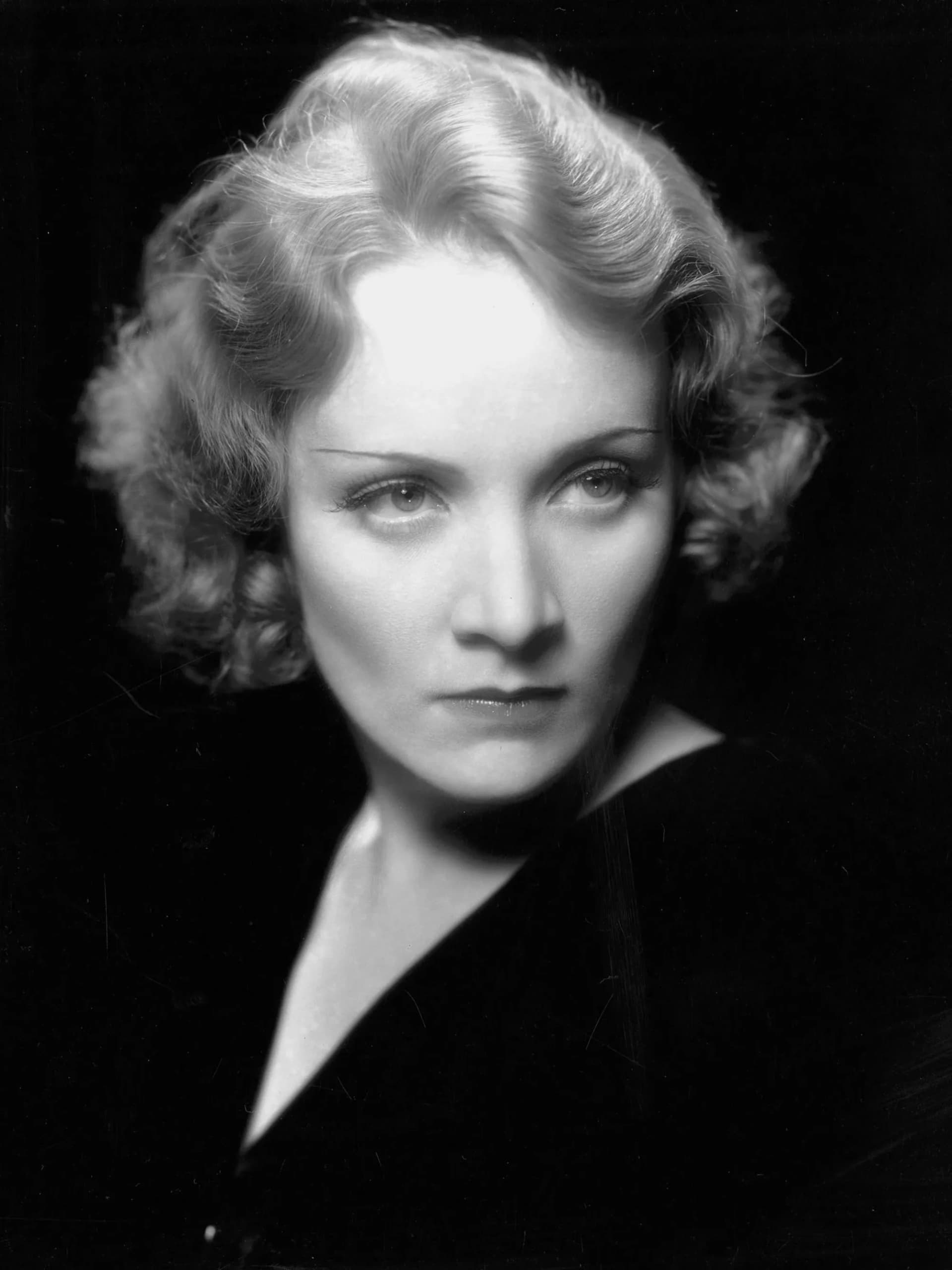
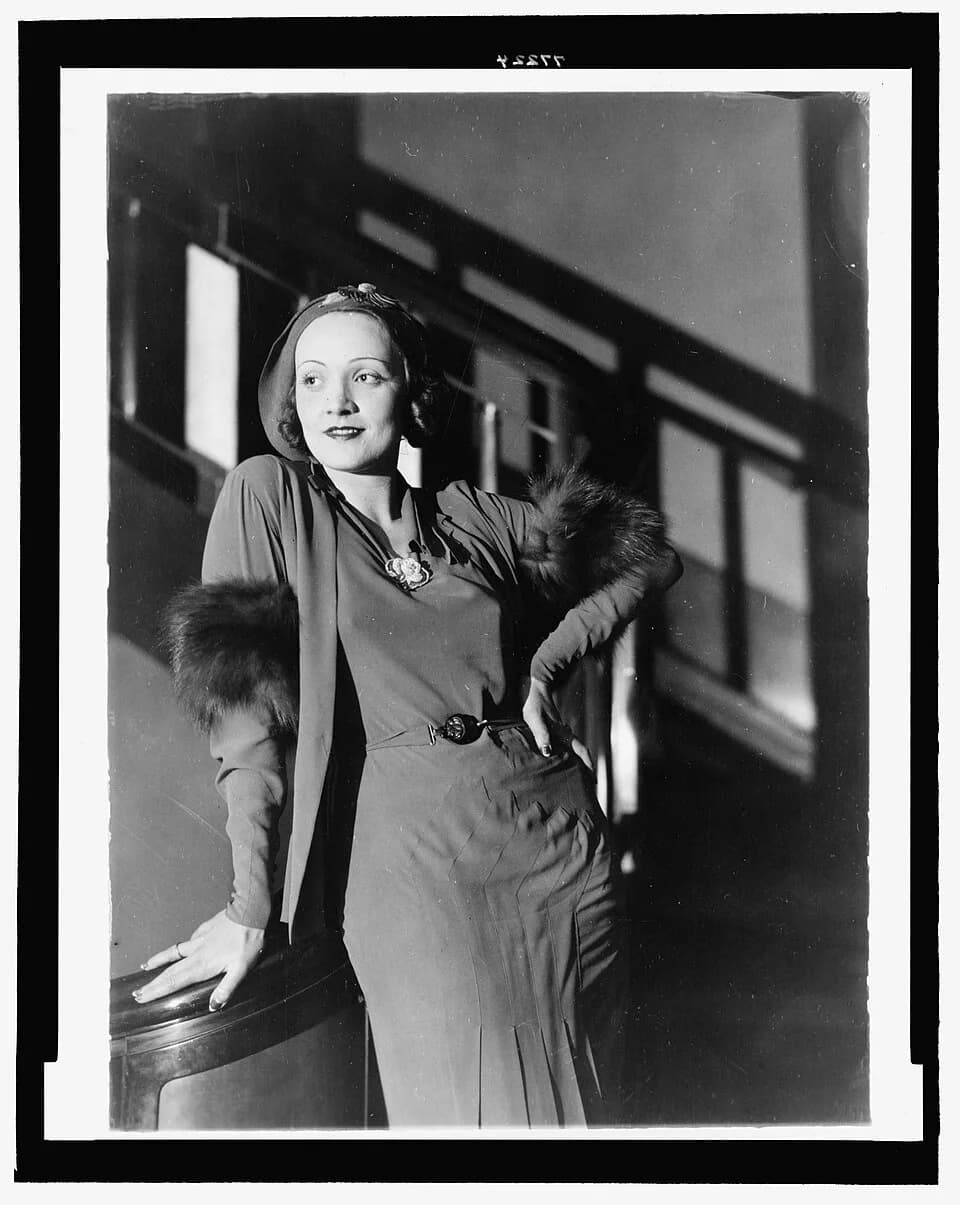
Marlene Dietrich (1901–1992) was Germany best known for German and American actress and singer.
Marlene Dietrich (December 27, 1901 – May 6, 1992) was a German and American actress and singer from Rote Insel, Germany. She achieved international fame for her roles in films like <i>The Blue Angel</i> and became a high-profile entertainer during WWII. Her career spanned nearly seven decades, leaving a lasting cultural impact.
Elämä hetkissä
Hetket, jotka muovasivat elämää
Luku
Elämän luvut
Luku 1 · 1901· Luku 1 / 6
A Legacy in Lights and Sound
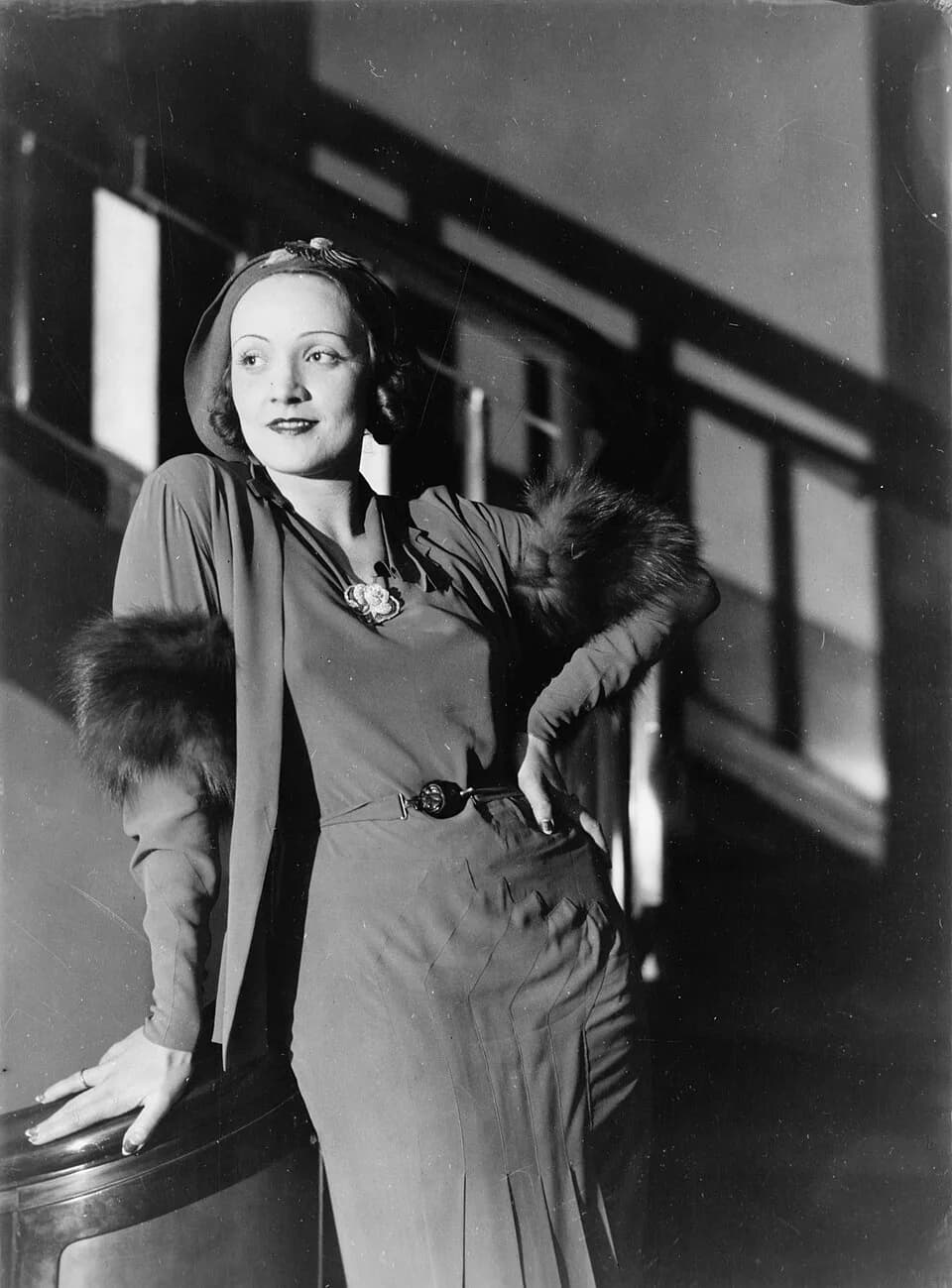
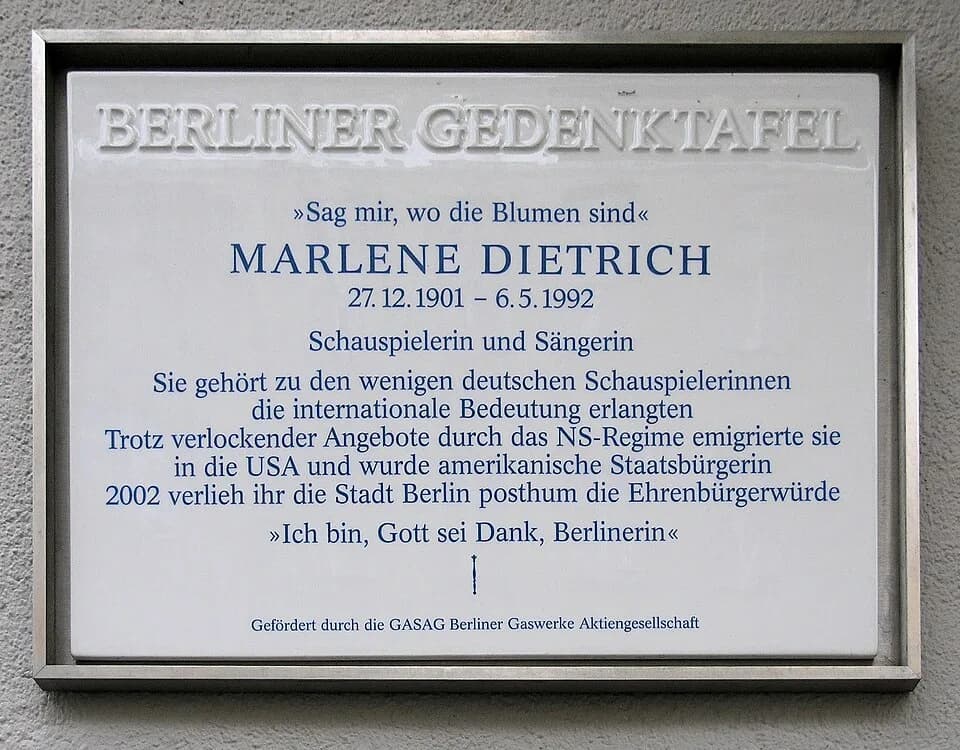
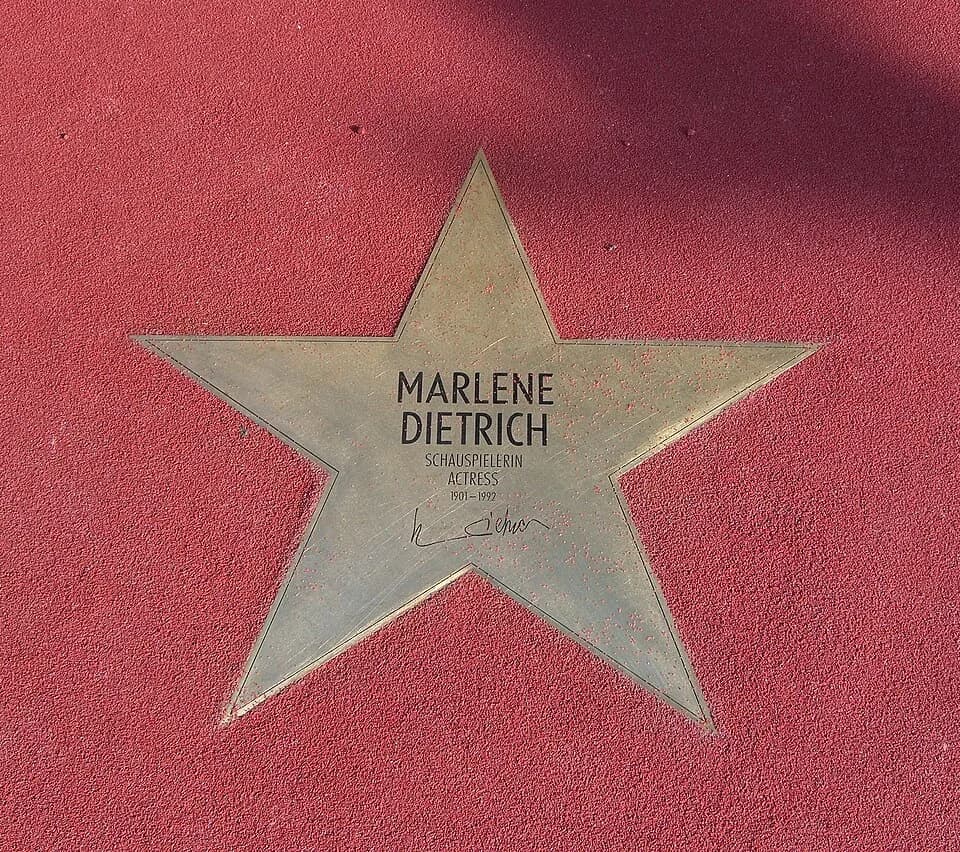
Marlene Dietrich, born Marie Magdalene Dietrich on December 27, 1901, and passing on May 6, 1992, was an extraordinary German and American actress and singer. Her career, which spanned nearly seven decades, was marked by an unparalleled versatility and a magnetic screen presence. Dietrich's impact on film, music, and popular culture made her a global icon, known for her distinctive voice and captivating performances.
Luku 2 · 1901· Luku 2 / 6
Early Life and Origins
Marlene Dietrich's journey began in Rote Insel, Germany, where she was born on December 27, 1901. Her upbringing in early 20th-century Germany shaped her artistic sensibilities from a young age. She developed an early interest in the arts, particularly music, laying the groundwork for her future as a celebrated entertainer.
Luku 3 · 1930· Luku 3 / 6
Career Beginnings and Breakthrough
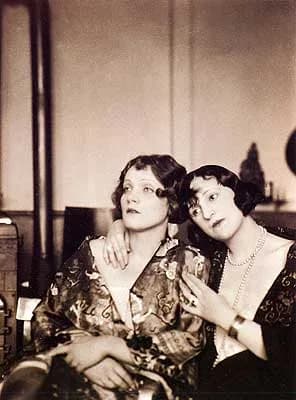
In the 1920s, Dietrich began to forge her path in Berlin, appearing on stage and in silent films, honing her craft. Her transformative role as Lola Lola in Josef von Sternberg's 1930 film, The Blue Angel, was her international breakthrough. This performance brought her widespread acclaim and quickly led to a prestigious contract with Paramount Pictures, relocating her career to Hollywood.
Luku 4 · 1930· Luku 4 / 6
Major Achievements and Career Highlights
Marlene Dietrich's time in Hollywood was prolific, marked by a series of iconic collaborations with director Josef von Sternberg, including films like Morocco (1930), Dishonored (1931), Shanghai Express, Blonde Venus, The Scarlet Empress (1934), and The Devil Is a Woman (1935). Her captivating roles solidified her status as a leading lady. Beyond her cinematic work, she became a high-profile entertainer for the United States throughout World War II, showing immense courage and patriotism.
After the war, Dietrich continued to deliver memorable performances in films such as Billy Wilder's A Foreign Affair (1948), Alfred Hitchcock's Stage Fright (1950), Billy Wilder's Witness for the Prosecution (1957), Orson Welles's Touch of Evil (1958), and Stanley Kramer's Judgment at Nuremberg (1961). From the 1950s through the 1970s, she transitioned to become a world-renowned live-show performer, touring extensively and captivating audiences with her unique stage presence and musical talent.
Luku 5 · 1960· Luku 5 / 6
Notable Works and Contributions
Dietrich's artistic contributions spanned across various mediums, establishing her as an actor, entertainer, singer, and musician. She was also a violinist, a stage, film, and television actor, and an autobiographer, demonstrating her diverse talents. In music, she was a significant figure in cabaret and schlager, with notable discography entries like Wiedersehen mit Marlene: Marlene Dietrich in Deutschland (1960), Die neue Marlene (1964), and Marlene Dietrich singt Berlin Berlin (1965).
Her literary works include her well-known autobiography, Marlene Dietrich's ABC, and its Japanese counterpart, Dītorihhi jiden, offering personal insights into her life and philosophy. Her filmography includes not just her major Hollywood features but also later impactful works such as the documentary Marlene (1987) and her appearance in Just a Gigolo (1985), reflecting her enduring presence in cinema.
Luku 6 · 1987· Luku 6 / 6
Later Years and Enduring Legacy
In her later years, Marlene Dietrich continued to influence the arts, notably through the acclaimed 1987 documentary Marlene, which chronicled her life and career. She passed away on May 6, 1992, in the 8th arrondissement of Paris, France, leaving behind an unparalleled legacy. Her career as a resistance fighter during World War II further solidified her iconic status, demonstrating a commitment to her values beyond entertainment.
Marlene Dietrich's influence on fashion, film, and music remains profound, with her distinct style and powerful performances continuing to inspire new generations. As a German and American artist, she transcended national boundaries, becoming a symbol of strength, glamour, and artistic integrity. Her contributions as an actress, singer, and entertainer ensure her place as one of the most celebrated figures in the history of global entertainment.
UKK
Usein kysyttyä
Milloin Marlene Dietrich kuoli?
Marlene Dietrich kuoli 6. toukokuuta 1992 8th arrondissement of Paris, Francessa, 90 vuoden iässä.
Missä Marlene Dietrich syntyi?
Marlene Dietrich syntyi Rote Insel, Germanyssa 27. joulukuuta 1901.
Mistä Marlene Dietrich on tunnetuin?
Marlene Dietrich on tunnetuin German and American actress and singer.
Kuinka vanha Marlene Dietrich oli kuollessaan?
Marlene Dietrich oli 90-vuotias kuollessaan.
Mitä kansallisuutta Marlene Dietrich oli?
Marlene Dietrich oli kotoisin maasta Germany.
Valokuvagalleria
Elämä kuvina
Klikkaa mitä tahansa polaroidia laajentaaksesi · 22 valokuvaa
QR-koodi
Jaa tämä elämäkerta
Tulosta ja jaa
Skannaa vieraillaksesi tällä elämäkerrallisella sivulla. Tulosta tapahtumiin, näyttelyihin tai opetusmateriaaleihin.