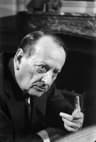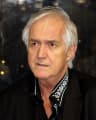
Syntynyt
November 27, 1903
Christiania, Norway
Kuollut
October 5, 1976
Coral Gables, United States
Tunnettu
American physical chemist and theoretical physicist
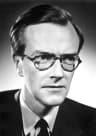
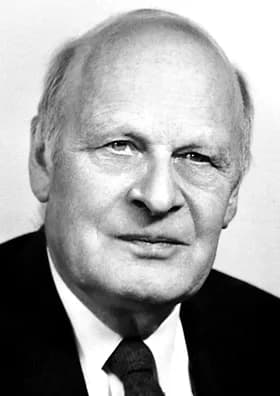
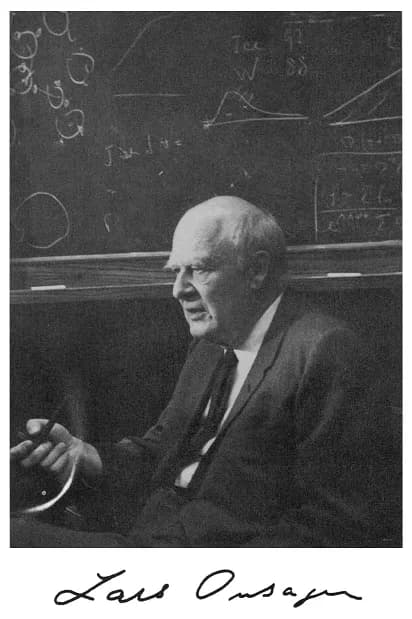
Lars Onsager (1903–1976) was Norway best known for American physical chemist and theoretical physicist.
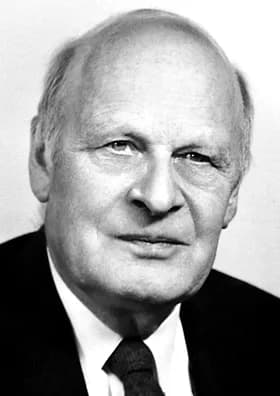
Lars Onsager (November 27, 1903 – October 5, 1976) was a Norwegian American physical chemist and theoretical physicist. He was awarded the Nobel Prize in Chemistry in 1968 for his reciprocal relations, fundamental for irreversible thermodynamics. His work greatly advanced the understanding of complex physical systems.
Luku
Elämän luvut
Luku 1 · 1903· Luku 1 / 7
Early Life and Origins
Lars Onsager was born in Christiania, Norway, on November 27, 1903, beginning a life marked by intellectual rigor and scientific curiosity. His early years in Norway set the stage for a career dedicated to unraveling the complex laws governing physical and chemical systems. He pursued education that prepared him for diverse and demanding roles, laying a strong foundation as an engineer, physicist, and chemist.
Luku 2· Luku 2 / 7
Career Beginnings
Onsager's professional journey reflected a broad engagement with several scientific disciplines, indicative of his wide-ranging expertise. He initially trained as an engineer, acquiring a robust quantitative background essential for his intricate theoretical work. His early professional roles also encompassed the fields of physics and chemistry, highlighting the interdisciplinary nature of his foundational scientific interests.
Luku 3· Luku 3 / 7
Major Achievements and Career Highlights
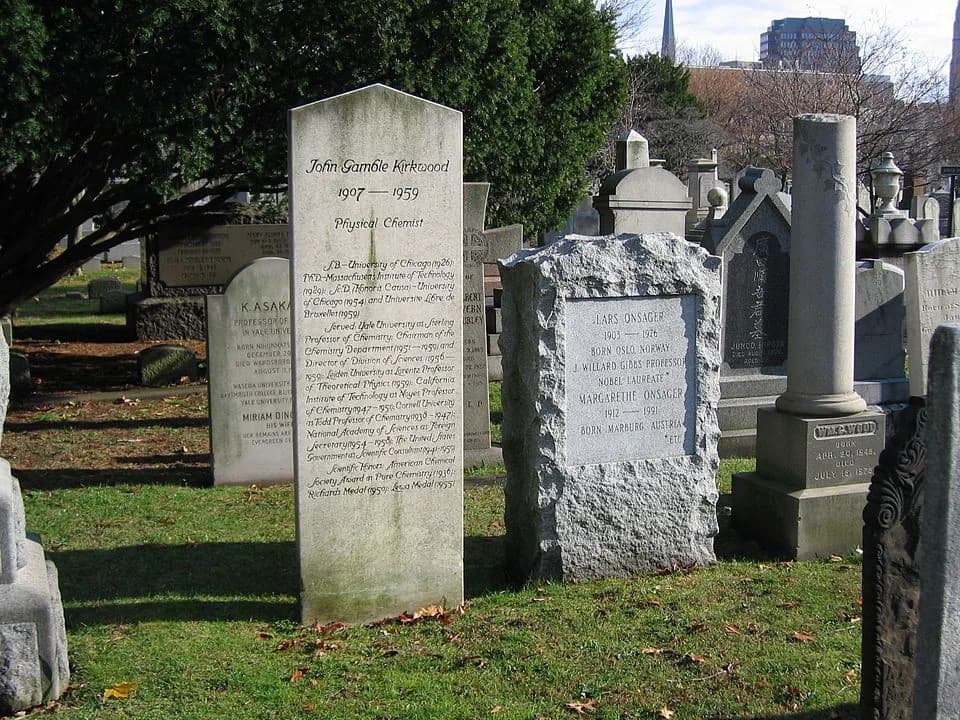
A significant milestone in Lars Onsager's career was his appointment to the prestigious Gibbs Professorship of Theoretical Chemistry at Yale University. This distinguished position affirmed his intellectual leadership and provided a vital platform for his advanced research and mentorship. It allowed him to deeply explore theoretical problems within a vibrant academic setting.
The pinnacle of his career recognition came in 1968 when Lars Onsager was awarded the Nobel Prize in Chemistry. This esteemed honor was bestowed for his discovery of the reciprocal relations that now bear his name. These relations were recognized as fundamental for the thermodynamics of irreversible processes, fundamentally advancing the study of non-equilibrium systems.
Luku 4· Luku 4 / 7
Personal Life
While Lars Onsager's monumental professional achievements are extensively documented, specific details concerning his personal life beyond his scientific endeavors are not widely available in public accounts. His dedication was primarily channeled towards his intensive theoretical work. Onsager's deep contributions to physical chemistry and theoretical physics were the focus of his public identity.
Luku 5· Luku 5 / 7
Notable Works or Contributions
At the core of Lars Onsager's scientific legacy are the reciprocal relations he meticulously discovered. These relations, universally known as Onsager's reciprocal relations, provided a crucial theoretical framework for understanding the thermodynamics of irreversible processes. They rigorously describe how various fluxes, such as heat flow or electrical current, respond to their conjugate forces, like temperature gradients or voltage differences, in systems far from equilibrium.
His theoretical model offered a clear and precise basis for phenomena previously observed but lacking a comprehensive mathematical explanation. The principles Onsager established remain indispensable in various branches of physics, chemistry, and engineering. This theoretical breakthrough profoundly advanced the rigorous study of non-equilibrium thermodynamics.
Luku 6 · 1976· Luku 6 / 7
Later Years
Lars Onsager continued to serve as the distinguished Gibbs Professor of Theoretical Chemistry at Yale University, maintaining his significant intellectual output throughout his later years. He remained an active and highly respected voice within the international scientific community. Onsager's impactful life concluded on October 5, 1976, in Coral Gables, United States. His passing marked the close of an era for theoretical physical chemistry.
Luku 7· Luku 7 / 7
Legacy and Impact
The enduring legacy of Lars Onsager is inextricably linked to his reciprocal relations, which provided a powerful and elegant tool for analyzing irreversible processes. These fundamental principles continue to find widespread application across diverse scientific and engineering disciplines, from materials science to chemical kinetics. His work irrevocably transformed the theoretical underpinnings of physical chemistry.
Onsager's influence extends beyond his specific discoveries, as his rigorous intellectual approach inspired and guided generations of physicists and chemists. His name remains synonymous with clarity, precision, and depth in theoretical understanding. He undeniably pushed the frontiers of scientific knowledge, leaving a lasting imprint on modern science.
Elämä hetkissä
Hetket, jotka muovasivat elämää
UKK
Usein kysyttyä
Milloin Lars Onsager kuoli?
Lars Onsager kuoli 5. lokakuuta 1976 Coral Gables, United Statesssa, 72 vuoden iässä.
Missä Lars Onsager syntyi?
Lars Onsager syntyi Christiania, Norwayssa 27. marraskuuta 1903.
Mistä Lars Onsager on tunnetuin?
Lars Onsager on tunnetuin American physical chemist and theoretical physicist.
Kuinka vanha Lars Onsager oli kuollessaan?
Lars Onsager oli 72-vuotias kuollessaan.
Mitä kansallisuutta Lars Onsager oli?
Lars Onsager oli kotoisin maasta Norway.
Aikajana
Elämä lyhyesti
Valokuvagalleria
Elämä kuvina
Klikkaa mitä tahansa polaroidia laajentaaksesi · 50 valokuvaa
QR-koodi
Jaa tämä elämäkerta
Tulosta ja jaa
Skannaa vieraillaksesi tällä elämäkerrallisella sivulla. Tulosta tapahtumiin, näyttelyihin tai opetusmateriaaleihin.