Syntynyt
May 4, 1928
Kafr el-Muṣīlḥa, Egypt
Kuollut
February 25, 2020
Cairo, Egypt
Tunnettu
President of Egypt from 1981 to 2011
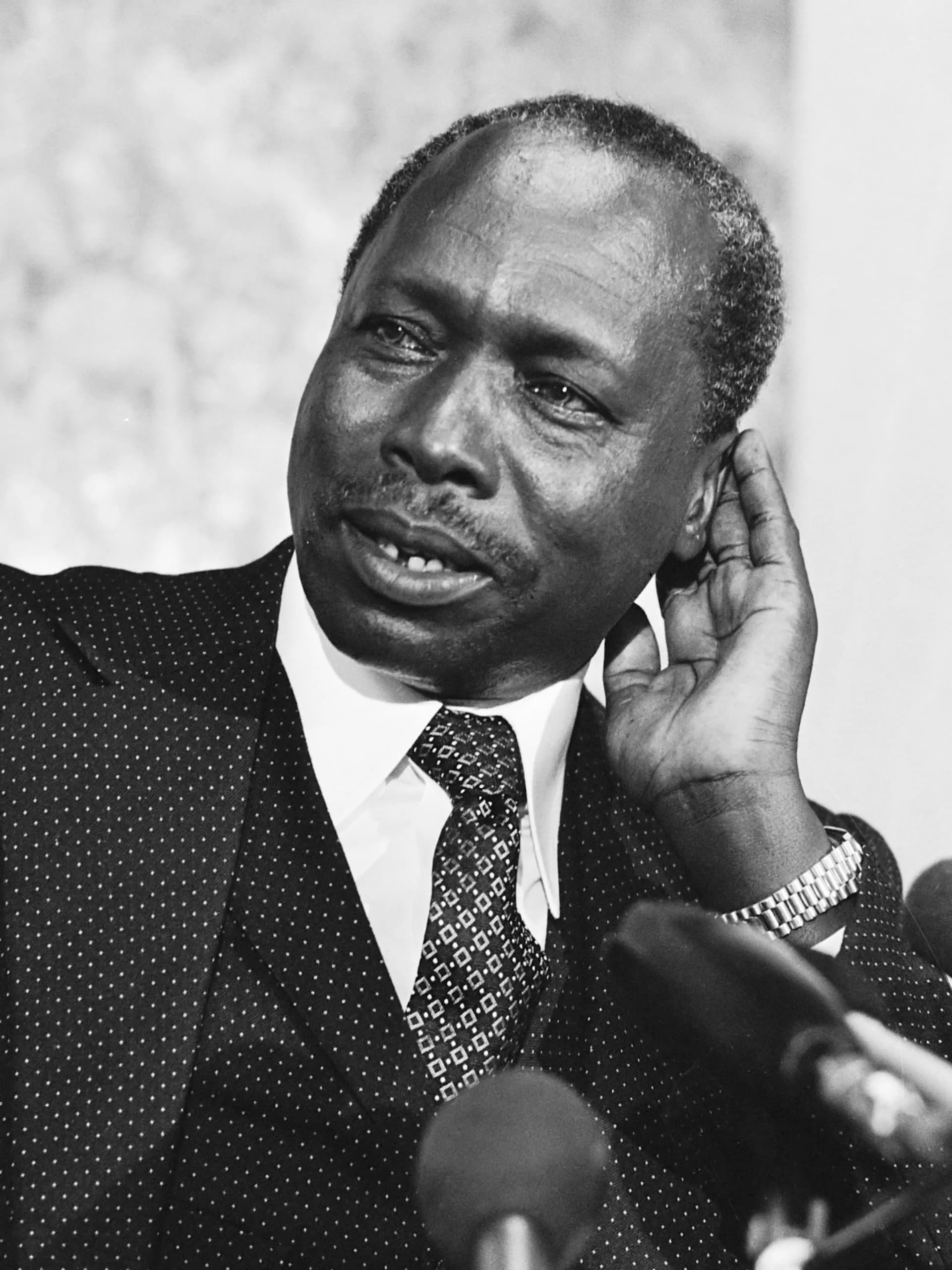
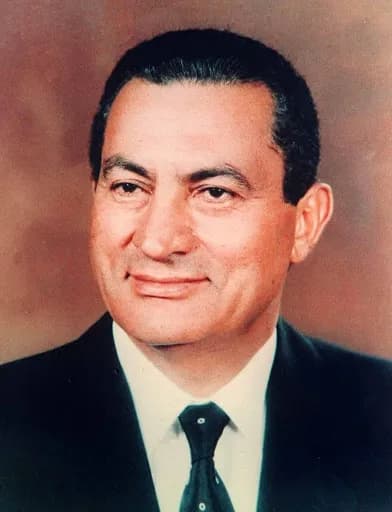
Hosni Mubarak (1928–2020) was Egypt best known for President of Egypt from 1981 to 2011.
Muhammad Hosni El Sayed Mubarak (May 4, 1928 – February 25, 2020) was an Egyptian politician and military officer. He served as the 4th president of Egypt from 1981 to 2011, a three-decade tenure that profoundly shaped modern Egyptian history. His resignation in 2011 followed the Egyptian revolution.
Elämä hetkissä
Hetket, jotka muovasivat elämää
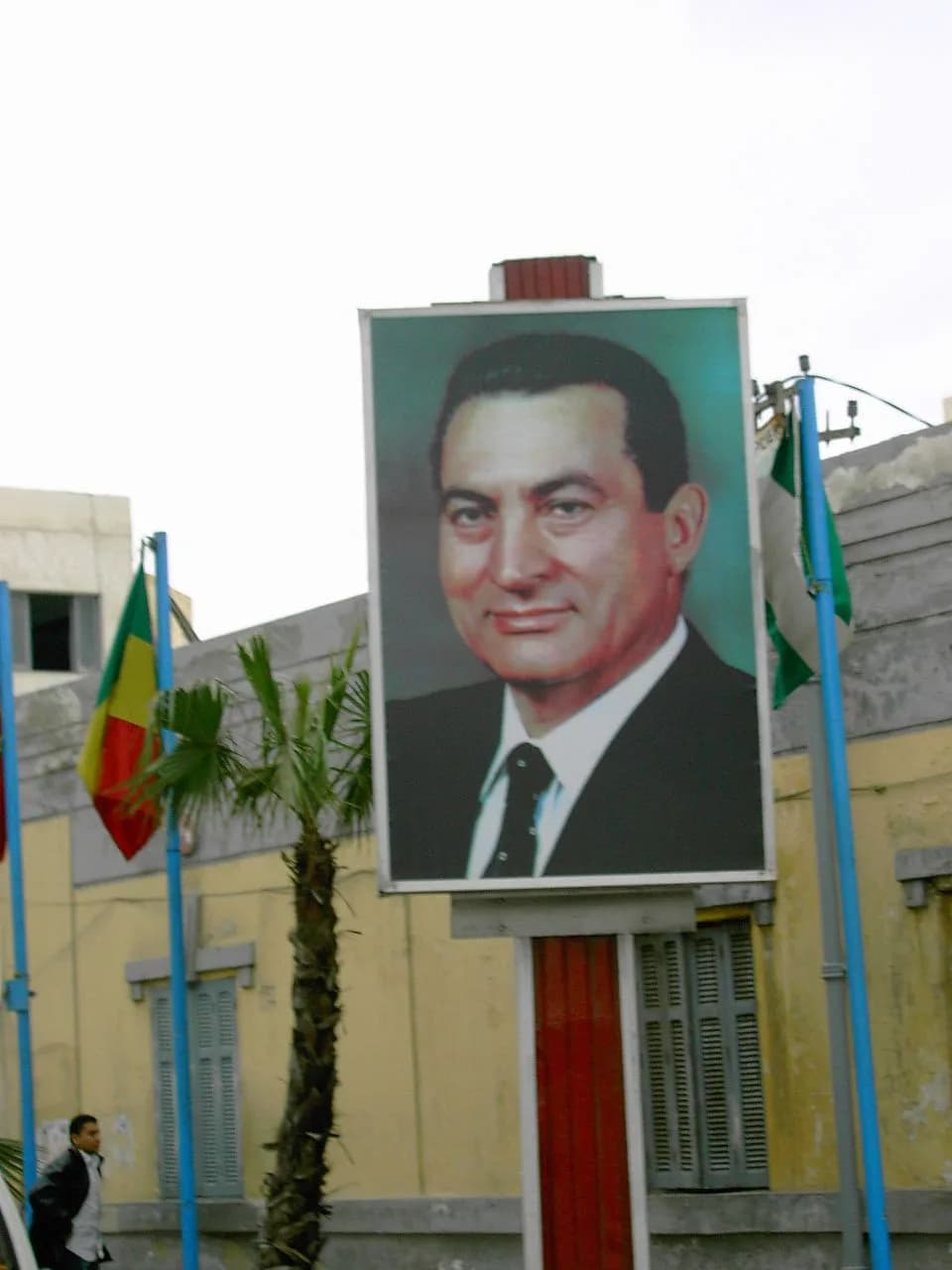
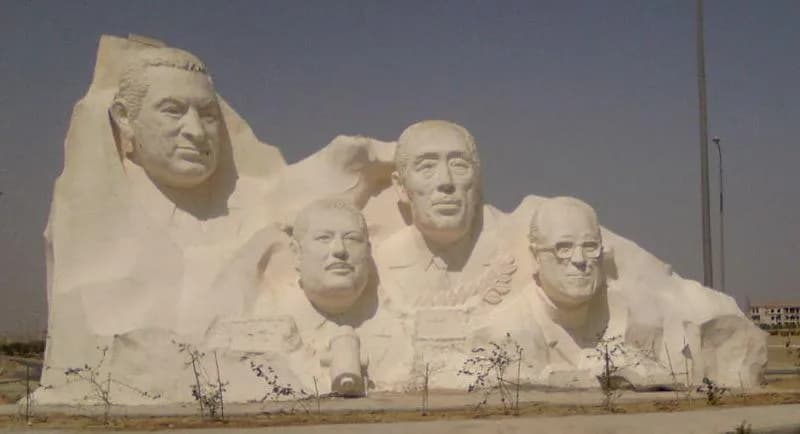
Luku
Elämän luvut
Luku 1 · 1928· Luku 1 / 7
Early Life and Origins
Muhammad Hosni El Sayed Mubarak, a figure who would later become central to modern Egyptian history, was born on May 4, 1928, in the village of Kafr el-Muṣīlḥa, situated within Egypt. This specific location served as the starting point for his life's remarkable journey, rooting him deeply in the heart of the country he would one day govern. His birth in this Egyptian locale profoundly set the stage for a trajectory that would eventually see him rise through various significant national roles, thereby establishing a deep and formative connection to the very land and its people from his earliest and most impressionable days.
The year 1928 marked the beginning of Mubarak's life, a period that predated many of the profound shifts in global and regional politics he would later navigate and influence. Spending his formative years in Kafr el-Muṣīlḥa provided him with an initial, firsthand perspective on Egyptian society, directly influencing his understanding of the nation's social and cultural fabric. This foundational experience in his birth village was an integral, though perhaps understated, component of the early chapters of his personal story, preceding his entry into rigorous military service and, eventually, the highest echelons of government.
Luku 2· Luku 2 / 7
Career Beginnings in the Military
Before his prominent political career, Hosni Mubarak dedicated himself with distinction to military service, specifically within the esteemed ranks of the Egyptian Air Force. His professional path began as an aircraft pilot, a demanding profession that inherently requires exceptional precision, unwavering discipline, and acute strategic thinking. This early and crucial choice of career set a rigorous and disciplined foundation for his subsequent leadership roles, consistently instilling a profound commitment to national defense and highly organized service.
Mubarak’s consistent dedication and remarkable capabilities were repeatedly recognized as he advanced steadily through the challenging ranks of the Egyptian Air Force. He showcased formidable leadership qualities and keen strategic acumen, attributes that ultimately led to his pivotal appointment as the force's commander. He held this vital leadership role with authority and skill from 1972 to 1975, overseeing a critical period for Egypt's aerial defense capabilities and overall military readiness. This significant command position placed him directly at the forefront of military strategy and complex operational planning, demonstrating his profound capacity to effectively lead large and intricate organizations.
During his impactful tenure as commander, a significant and well-deserved promotion in 1973 saw him rise to the distinguished rank of air chief marshal. This elevation underscored his exceptionally high standing and considerable influence within the broader military establishment. His illustrious career as an air chief marshal and commander of the Air Force from 1972 to 1975 firmly established his reputation as a capable, respected, and highly effective military leader, providing him with a unique and informed vantage point on critical national security matters before his eventual and decisive transition into the political arena.
Luku 3 · 1975· Luku 3 / 7
Ascension to Political Leadership and the Presidency
Mubarak's transition from a decorated and esteemed military officer to a leading national politician commenced with his significant appointment as the 7th vice president of Egypt. He served diligently under President Anwar Sadat in this crucial capacity starting from 1975, thereby gaining direct and extensive experience in the highest echelons of national governance. This six-year period as vice president provided him with invaluable insights into complex state affairs, intricate international relations, and the inherent complexities of Egyptian leadership, preparing him for future responsibilities.
Following a period of significant national transition, Hosni Mubarak solemnly ascended to the presidency in 1981, thereby becoming the 4th president of Egypt. This pivotal and transformative moment marked the definitive beginning of what would become a substantial, defining, and often challenging period in both his personal career and in the rich history of the country. His assumption of the highest office positioned him as the central and guiding figure leading Egypt through its domestic developments and its multifaceted interactions on the global stage for the next several decades.
His presidency was remarkably lengthy and influential, extending for a considerable thirty years, a tenure that firmly established him as one of the longest-serving leaders in modern Egyptian history. From the moment he formally took office in 1981 until his eventual resignation in 2011, he presided over an era of immense change, significant progress, and persistent challenges for the nation. Throughout this extensive and impactful period, he consistently held the esteemed distinction of being the 4th president of Egypt, steering the nation through various political, economic, and social transformations until the final years of his prolonged tenure.
Luku 4 · 1981· Luku 4 / 7
Dual Roles and Key Contributions
Beyond his prolonged and impactful presidency, Mubarak also briefly held the significant position of the 41st prime minister of Egypt. This notable dual role occurred specifically from 1981 to 1982, immediately after he assumed the highest office of the presidency. This particular period clearly demonstrated his simultaneous and direct command over both the head of state and head of government functions, indicating a comprehensive and immediate engagement with national administration and the complex process of policy formulation early in his presidential term.
Mubarak’s contributions were consistently made through his dedicated and unwavering service in these key governmental and military positions. As commander of the Egyptian Air Force from 1972 to 1975, he played an exceptionally instrumental role in guiding a vital branch of the nation's defense, ensuring its operational readiness, strategic effectiveness, and overall security. His earlier and well-earned promotion to air chief marshal in 1973 further cemented his high standing and considerable influence within the broader military establishment, powerfully reflecting his commanding and leadership capabilities.
His political contributions were undeniably substantial and far-reaching, commencing with his crucial service as the 7th vice president of Egypt from 1975 to 1981. In this significant role, he played a critical supportive yet impactful function alongside President Anwar Sadat, contributing to high-level decision-making processes and national policy directions. Subsequently, his three-decade tenure as the 4th president from 1981 to 2011 stands as his most significant and defining contribution, meticulously shaping a long period of national governance and strategic direction for Egypt, thereby leaving an indelible mark on its historical trajectory.
Luku 5· Luku 5 / 7
Personal Life
While the extensive public record predominantly concentrates on Hosni Mubarak's distinguished military service and his prolonged, impactful political career, specific details pertaining to his personal life, including intimate family relationships or private interests beyond his professional roles, are not extensively provided in the available biographical information. His public persona was primarily shaped and defined by his significant and sustained roles in national leadership and his dedicated service to the state of Egypt, leaving aspects of his private world largely unrecorded in public accounts.
The information available prominently highlights his professional journey, from his birth in the specific locale of Kafr el-Muṣīlḥa to his long residence and eventual passing in the capital city of Cairo, Egypt. These geographical markers signify different and important phases of his life and career, but the intricate details of his private world, including personal hobbies or family dynamics, remain largely outside the scope of the provided biographical data. This underscores the intense public and professional nature of his decades-long commitment to state affairs and national governance.
Luku 6 · 2011· Luku 6 / 7
Later Years and Passing
The conclusion of Hosni Mubarak's extensive and long-standing presidency arrived in 2011, marked by his formal resignation following the Egyptian revolution. This period represented a significant, transformative, and often turbulent time of widespread societal and political change within Egypt, bringing a definitive end to his remarkable thirty-year term as president. His departure from office, driven by popular demand, ushered in a new and uncertain chapter for the nation and for his personal life after decades in power.
After his resignation from the highest political office, Mubarak lived for several more years, experiencing a different phase of life away from the direct helm of national leadership. He ultimately passed away on February 25, 2020, in Cairo, Egypt, the nation's vibrant capital. His death in Cairo, the very city where much of his public service unfolded and where he wielded considerable authority, brought an end to the life of a leader who had profoundly influenced the course of Egypt for many decades, from his early military career to his historically long presidency.
Luku 7 · 1981· Luku 7 / 7
Legacy and Impact
Hosni Mubarak’s legacy is undeniably and intricately tied to his three-decade presidency of Egypt, a truly extensive period that spanned from 1981 to 2011. During these thirty continuous years, he consistently held the nation's highest office, playing a central role in shaping national policies, guiding the country through various complex domestic challenges, and diligently navigating its sensitive position in regional and international affairs. His lengthy leadership as the 4th president established a significant and defining era in contemporary Egyptian history, an era often characterized by its stability and the centralized power of the executive.
The circumstances of his definitive departure from office in 2011, specifically prompted by the widespread societal movement known as the Egyptian revolution, represent a critical and historical turning point both in his personal story and for the nation itself. This momentous event brought an unambiguous end to an era of sustained, centralized leadership, signaling a period of profound and far-reaching change for Egypt's political landscape. His historically long tenure and the specific manner of its conclusion ensure his enduring and prominent place in the historical narrative of the country, distinctly reflecting a long period of centralized governance and the eventual, powerful societal pressures for reform that culminated in his resignation.
UKK
Usein kysyttyä
Milloin Hosni Mubarak kuoli?
Hosni Mubarak kuoli 25. helmikuuta 2020 Cairo, Egyptssa, 91 vuoden iässä.
Missä Hosni Mubarak syntyi?
Hosni Mubarak syntyi Kafr el-Muṣīlḥa, Egyptssa 4. toukokuuta 1928.
Mistä Hosni Mubarak on tunnetuin?
Hosni Mubarak on tunnetuin President of Egypt from 1981 to 2011.
Kuinka vanha Hosni Mubarak oli kuollessaan?
Hosni Mubarak oli 91-vuotias kuollessaan.
Mitä kansallisuutta Hosni Mubarak oli?
Hosni Mubarak oli kotoisin maasta Egypt.
Aikajana
Elämä lyhyesti
Valokuvagalleria
Elämä kuvina
Klikkaa mitä tahansa polaroidia laajentaaksesi · 43 valokuvaa
QR-koodi
Jaa tämä elämäkerta
Tulosta ja jaa
Skannaa vieraillaksesi tällä elämäkerrallisella sivulla. Tulosta tapahtumiin, näyttelyihin tai opetusmateriaaleihin.