Syntynyt
April 23, 1902
Reykjavík, Iceland
Kuollut
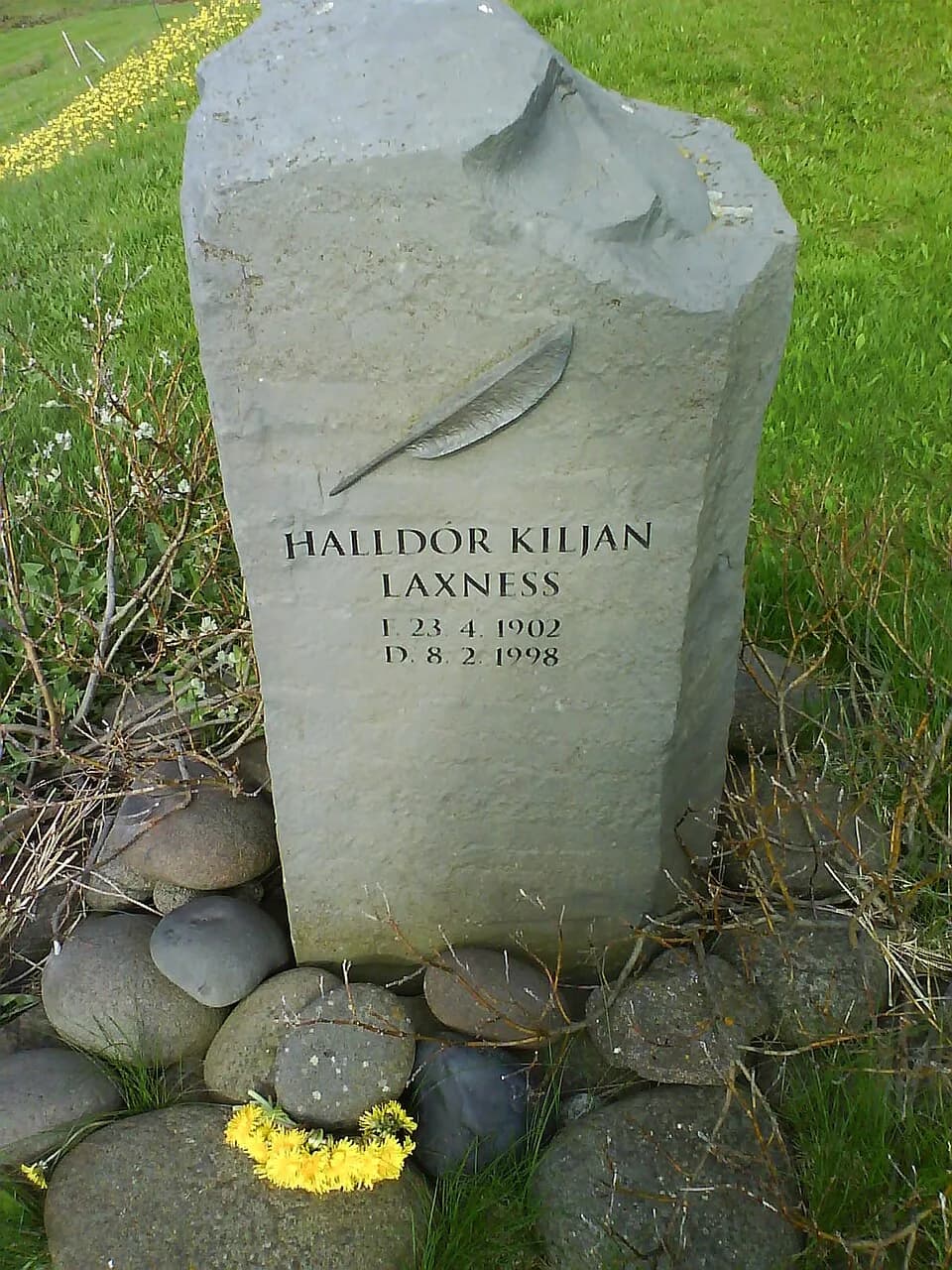
February 8, 1998
Mosfellsbær, Iceland
Tunnettu
Icelandic author
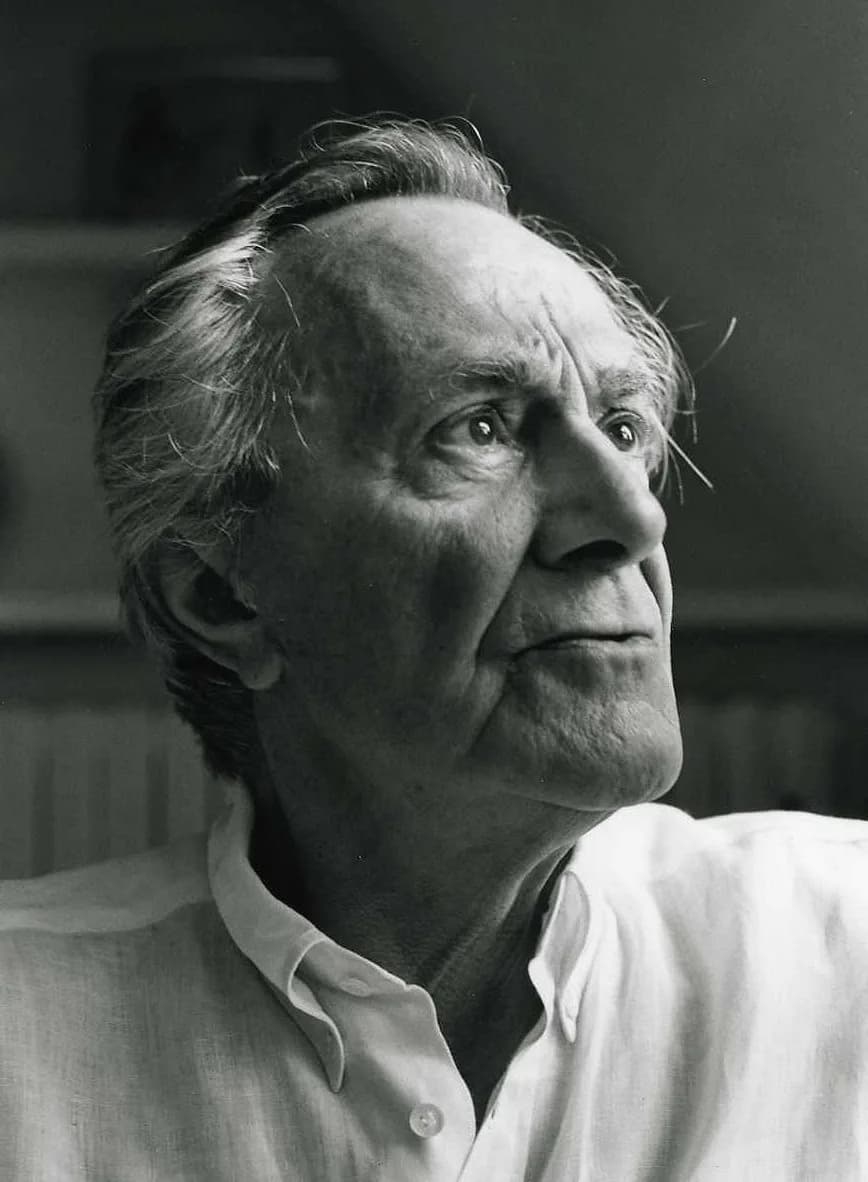
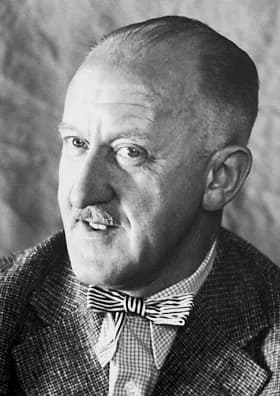
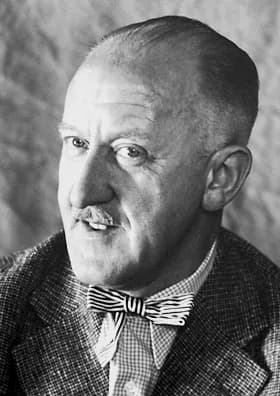
Halldór Laxness (1902–1998) was Iceland best known for Icelandic author.
Halldór Laxness (April 23, 1902 – February 8, 1998) was an Icelandic author from Reykjavík. He won the 1955 Nobel Prize in Literature for renewing Iceland's narrative art. His vast works, from novels to poetry, continue to influence readers worldwide.
Elämä hetkissä
Hetket, jotka muovasivat elämää
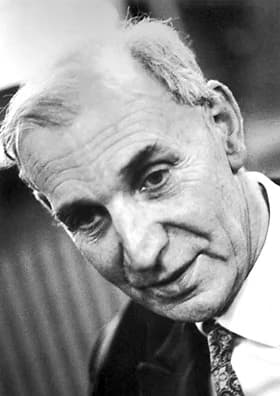
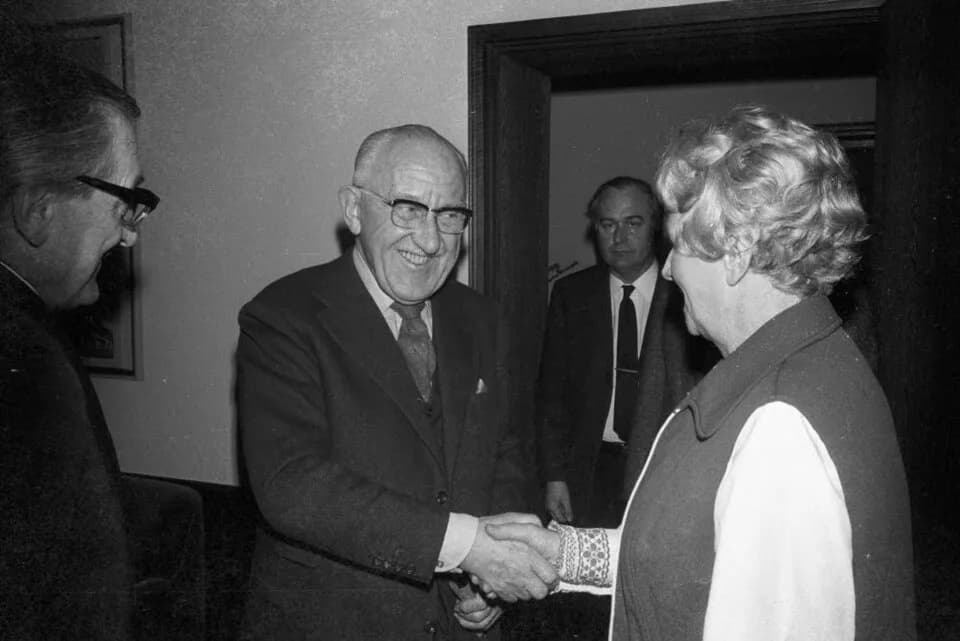
![Halldór Laxness - Collectie / Archief : Fotocollectie Anefo
Reportage / Serie : [ onbekend ]
Beschrijving : Uitreiking Nobelprijzen door koning Gustaaf Adolf van Zweden , De prijswinnaars scheikunde (](/_next/image?url=https%3A%2F%2Fcdn.whowasthisguy.com%2Fgallery_wikimedia_commons_1781721070252_4_41586efb51.webp&w=1920&q=75)
Luku
Elämän luvut
Luku 1 · 1902· Luku 1 / 8
Opening Paragraph
Halldór Laxness (1902–1998) was an Icelandic author, a prolific writer who enriched the world of literature with his diverse works. He was celebrated globally for his profound contributions to narrative art, which earned him the prestigious Nobel Prize. His career as a novelist, poet, playwright, translator, and philosopher spanned decades, marking him as one of Iceland's most significant literary figures.
Luku 2 · 1902· Luku 2 / 8
Early Life and Origins
Halldór Laxness was born on April 23, 1902, in Reykjavík, Iceland, the capital city of his homeland. This setting provided a backdrop for his early experiences and fostered a deep connection to Icelandic culture and history. His upbringing undoubtedly shaped his perspective, influencing the themes and settings that would become central to his literary creations.
Luku 3· Luku 3 / 8
Career Beginnings
Laxness embarked on his literary journey early in life, exploring various forms, including novels, poetry, and essays, demonstrating an immediate passion for writing. These initial endeavors laid the crucial foundation for a career that would be characterized by continuous artistic exploration and a mastery of diverse literary genres. His formative years in writing allowed him to develop a distinctive voice, preparing him for the critical acclaim and global recognition he would eventually achieve.
Luku 4 · 1955· Luku 4 / 8
Major Achievements and Career Highlights
The pinnacle of Halldór Laxness's career was undoubtedly the reception of the 1955 Nobel Prize in Literature. The Swedish Academy bestowed this honor upon him "for his vivid epic power which has renewed the great narrative art of Iceland." This esteemed award not only recognized his individual genius but also brought significant international attention to Icelandic literature. Beyond the Nobel, Laxness was known for his mastery across many literary forms, including his insightful plays, captivating poetry, and skilled translations.
Luku 5· Luku 5 / 8
Personal Life
While specific details about Halldór Laxness's personal relationships or family life are not extensively documented in the provided information, his life was clearly one of deep intellectual engagement. His diverse professions as an author, poet, playwright, translator, novelist, philosopher, and linguist suggest a person dedicated to intellectual pursuits and the craft of writing. His extensive body of work reflects a keen interest in the human condition, societal structures, and the rich cultural fabric of Iceland.
Luku 6 · 1986· Luku 6 / 8
Notable Works or Contributions
Halldór Laxness authored numerous significant works throughout his career, showcasing his remarkable versatility as a writer. Among his most acclaimed novels are Sjálfstætt fólk (Independent People) and Kristnihald undir Jökli (Christianity at Glacier), which explored profound themes of individualism and faith. Other important contributions to his bibliography include Í Austurvegi, Ásmundur Sveinsson, Straumrof, Den store vaever fra Kashmir, De islandske sagaer og andre essays, Reisubókarkorn, Alþýðubókin / Halldór Kiljan Laxness, and Skáldatími. Even his academic output, though generating a modest h-index of 1 with 10 papers, included works such as Vefarinn mikli frá kasmír (1986), Vettvángur dagsins : ritgerðir (1979), and Dagleið á fjöllum : greinar (1962).
Luku 7 · 1998· Luku 7 / 8
Later Years
Halldór Laxness passed away on February 8, 1998, in Mosfellsbær, Iceland, bringing to an end a long and immensely influential life dedicated to the literary arts. He lived to the age of 95, witnessing decades of appreciation and critical study of his vast body of work. In his later years, he remained a highly respected figure, continuing to inspire generations of writers and readers in Iceland and across the globe.
Luku 8· Luku 8 / 8
Legacy and Impact
Halldór Laxness's legacy is primarily defined by his success in renewing and elevating the great narrative art of Iceland, effectively bringing Icelandic literature to a wider international audience. His lasting influence is evident in his innovative storytelling, the profound depth of his characterizations, and his thoughtful exploration of universal human experiences. He drew inspiration from a diverse array of literary giants, including August Strindberg, Sigmund Freud, Knut Hamsun, Sinclair Lewis, Upton Sinclair, Bertolt Brecht, and Ernest Hemingway, skillfully synthesizing these influences into his distinct and compelling voice. Laxness's extensive contributions as a novelist, poet, playwright, and translator continue to be studied, admired, and cherished, ensuring his permanent place in the annals of world literature.
UKK
Usein kysyttyä
Milloin Halldór Laxness kuoli?
Halldór Laxness kuoli 8. helmikuuta 1998 Mosfellsbær, Icelandssa, 95 vuoden iässä.
Missä Halldór Laxness syntyi?
Halldór Laxness syntyi Reykjavík, Icelandssa 23. huhtikuuta 1902.
Mistä Halldór Laxness on tunnetuin?
Halldór Laxness on tunnetuin Icelandic author.
Kuinka vanha Halldór Laxness oli kuollessaan?
Halldór Laxness oli 95-vuotias kuollessaan.
Mitä kansallisuutta Halldór Laxness oli?
Halldór Laxness oli kotoisin maasta Iceland.
Aikajana
Elämä lyhyesti
Valokuvagalleria
Elämä kuvina
Klikkaa mitä tahansa polaroidia laajentaaksesi · 24 valokuvaa
QR-koodi
Jaa tämä elämäkerta
Tulosta ja jaa
Skannaa vieraillaksesi tällä elämäkerrallisella sivulla. Tulosta tapahtumiin, näyttelyihin tai opetusmateriaaleihin.