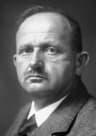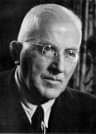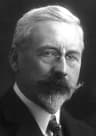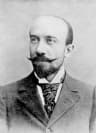
متولد
September 5, 1881
Vienna, Austria
درگذشته
July 4, 1938
Paris, France
شناخته شده برای
Austrian Social Democrat
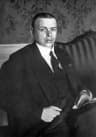
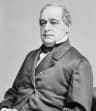
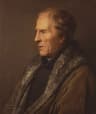
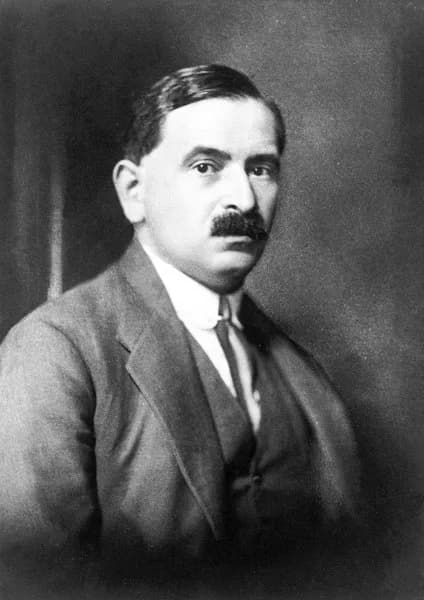
Otto Bauer (1881–1938) was Austria best known for Austrian Social Democrat.
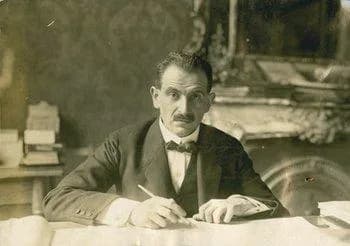
Otto Bauer (September 5, 1881 – July 4, 1938) was an Austrian writer, politician, and philosopher. He co-founded Austromarxism and served as Foreign Minister of the Republic of German-Austria, working for unification with the Weimar Republic. His socialist work continued even during exile until his death.
فصل
فصلهای زندگی
فصل 1 · 1881· فصل 1 از 6
Early Life and Origins
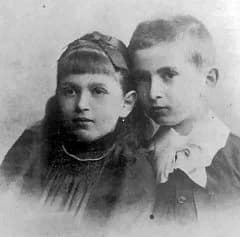
Otto Bauer began his life in Vienna, Austria, on September 5, 1881. The details of his specific upbringing and family life, beyond his birthplace, are not extensively documented in the available information. However, his formative years in Vienna undoubtedly exposed him to the vibrant intellectual and political currents of the Austro-Hungarian Empire. This environment clearly shaped his early interests and steered him toward a deep engagement with social and political theory. His intellectual development led him towards a lifelong commitment to political philosophy and social reform.
فصل 2· فصل 2 از 6
Career Beginnings
Bauer emerged as one of the key founders and leading thinkers of the Austromarxist movement, a significant intellectual current within the Social Democratic Workers' Party (SDAP). He sought a nuanced theoretical and practical position, distinct from both mainstream reformist social democracy and purely revolutionary socialism. This intellectual groundwork, combining Marxist theory with Austrian political realities, positioned him for an active and influential political career. His early efforts were instrumental in defining the ideological direction of a major political force in Austria.
فصل 3 · 1907· فصل 3 از 6
Major Achievements and Career Highlights
Otto Bauer served as a member of the Austrian Parliament from 1907 to 1934, demonstrating a consistent and prominent presence in national politics for nearly three decades. He held the crucial role of deputy party leader for the Social Democratic Workers' Party (SDAP) from 1918 until 1934, guiding the party through a period of immense post-war upheaval. Furthermore, he was appointed Foreign Minister of the Republic of German-Austria in 1918 and 1919, a position where he vigorously pursued the unification of Austria with the Weimar Republic. This ambitious goal, though ultimately unsuccessful, reflected his broader vision for the region and its socialist future.
Bauer's political strategies and intellectual contributions were not without their critics. His opposition to the SDAP joining coalition governments after it lost its leading position in Parliament in 1920, and his practice of advising the party to wait for proper historical circumstances, drew criticism from some. These critics suggested his approach facilitated Austria's move from democracy to fascism in the 1930s. Despite these challenges and criticisms, his dedication to Austrian socialism continued even during his eventual exile.
فصل 4· فصل 4 از 6
Notable Works or Contributions
Throughout his career, Otto Bauer produced an extensive body of work, reflecting his deep engagement with complex political and philosophical questions. Key publications include "ha-Sheʼelah ha-leʼumit," "Die österreichische Revolution," "Der Balkankrieg und die deutsche Weltpolitik," and "Die Nationalitätenfrage und die Sozialdemokratie." His writings explored critical topics such as nationalism, revolution, and the future trajectory of social democracy, including insightful titles like "Bolschewismus oder Sozialdemokratie?" and "Kapitalismus und sozialismus nach dem weltkrieg."
His academic contributions further underscore his intellectual standing. "The Question of Nationalities and Social Democracy" (published in 2000, garnering 146 citations) stands out as a top-cited work, indicating its lasting scholarly relevance. Other academic papers, such as "The Austrian revolution" (10 citations) and "Fundamentals of debate: theory and practice" (1966, 4 citations), demonstrate the breadth of his scholarly interests and his commitment to analytical thought. These works cemented his influence as a leading Austromarxist thinker.
فصل 5 · 1934· فصل 5 از 6
Later Years
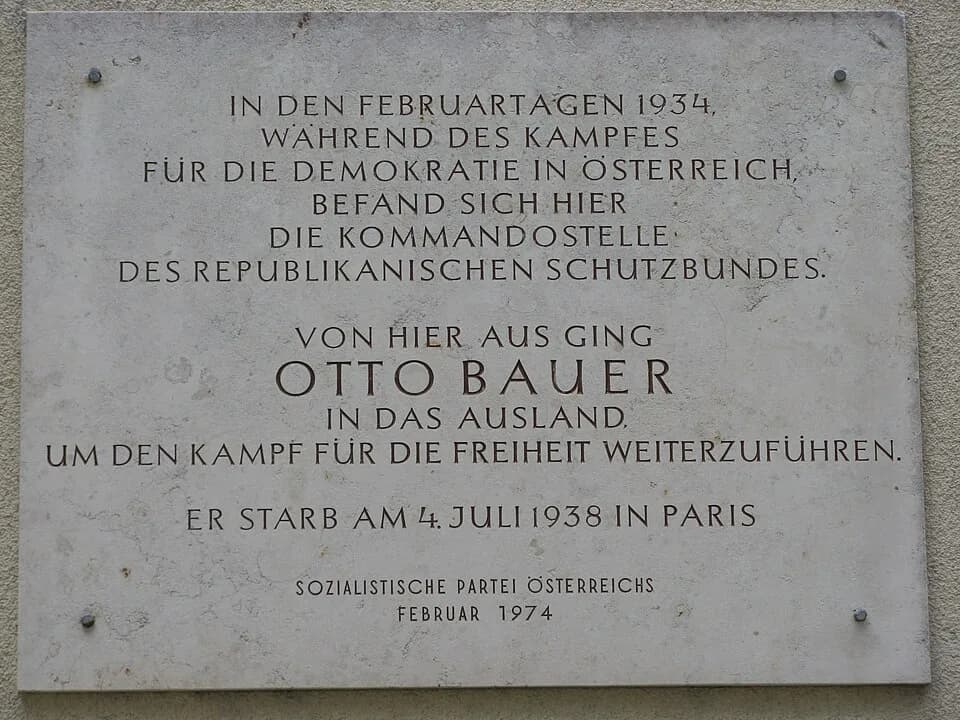
Bauer's political career faced significant challenges in the 1930s as Austria navigated a difficult transition from democracy to fascism. When Chancellor Kurt Schuschnigg outlawed the Social Democratic Workers' Party (SDAP) in 1934, Otto Bauer was forced into exile from his homeland. From his new base abroad, he continued his dedicated work for Austrian socialism, remaining an active voice and intellectual force. He championed his ideals and contributed to the socialist movement until his death in Paris, France, on July 4, 1938.
فصل 6· فصل 6 از 6
Legacy and Impact
Otto Bauer's legacy is defined by his innovative contributions to Austromarxism, which provided a unique theoretical framework for democratic socialism in a specific Central European context. His efforts to unify Austria with the Weimar Republic, though ultimately unsuccessful, highlight his vision for a stronger German-speaking socialist bloc and a reorganized Europe. Despite criticisms regarding some of his political strategies in the 1920s and 30s, his unwavering commitment to socialist ideals and his prolific intellectual output firmly establish his place as a central figure in Austrian and European political thought. His extensive works continue to be studied for their insights into nationalism, revolution, and the complex challenges of social democracy in the 20th century, cementing his lasting influence on political theory and history.
یک زندگی در لحظات
لحظاتی که یک زندگی را شکل دادند
پرسش و پاسخ
پرسشهای متداول
Otto Bauer چه زمانی درگذشت؟
Otto Bauer در تاریخ ۱۳ تیر ۱۳۱۷ در Paris, France درگذشت در سن 56 سالگی.
Otto Bauer کجا متولد شد؟
Otto Bauer در Vienna, Austria در تاریخ ۱۴ شهریور ۱۲۶۰ متولد شد.
Otto Bauer بیشتر برای چه چیزی شناخته میشود؟
Otto Bauer بیشتر به خاطر Austrian Social Democrat شناخته میشود.
Otto Bauer هنگام مرگ چند سال داشت؟
Otto Bauer هنگام مرگ 56 ساله بود.
ملیت Otto Bauer چه بود؟
Otto Bauer اهل Austria بود.
خط زمانی
نگاهی به زندگی
گالری عکس
یک زندگی در تصاویر
روی هر پولاروید کلیک کنید تا بزرگ شود · 25 عکس
کد QR
اشتراک این زندگینامه
چاپ و اشتراکگذاری
برای بازدید از این صفحه زندگینامه اسکن کنید. برای رویدادها، نمایشگاهها یا مواد آموزشی چاپ کنید.