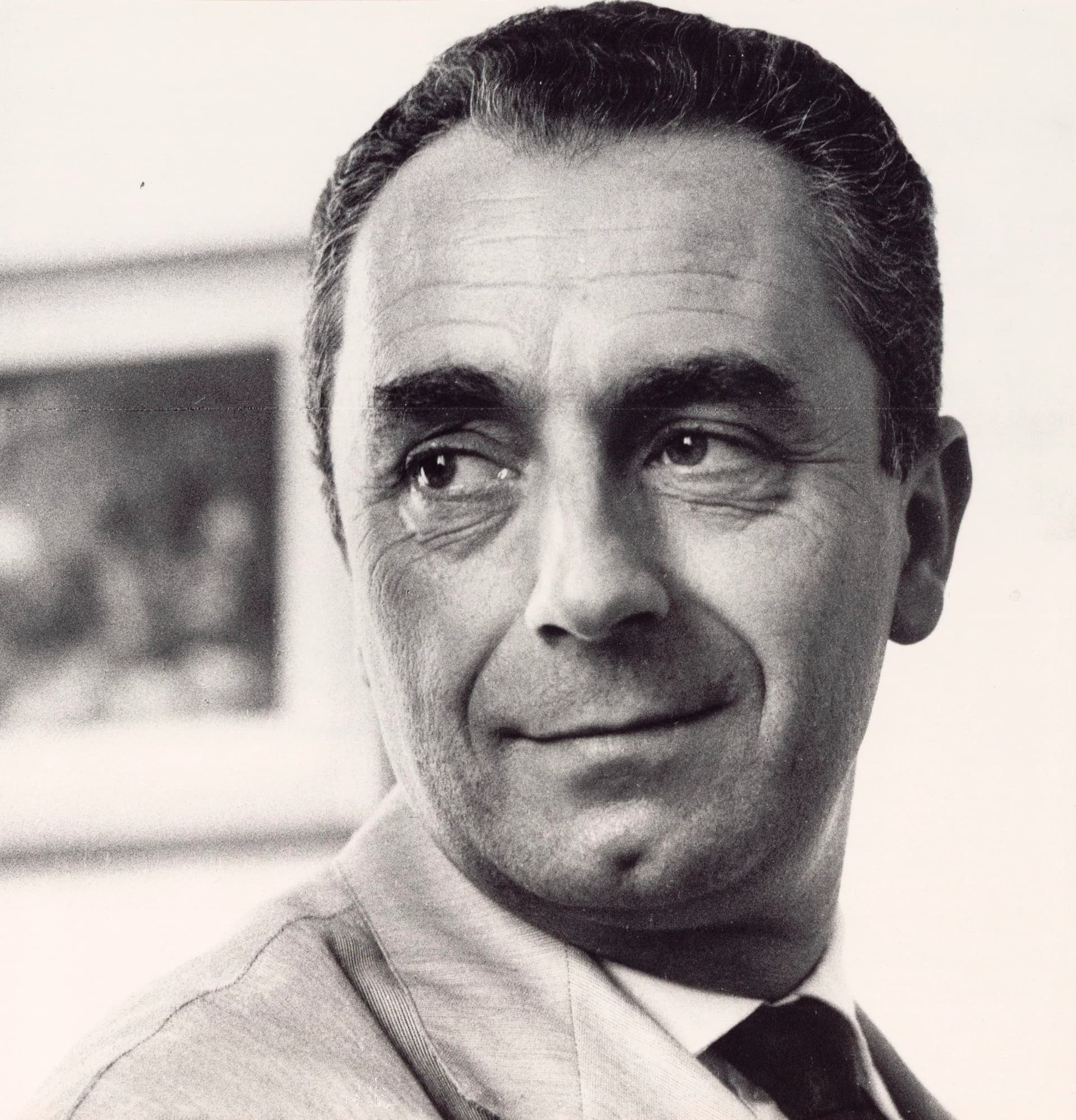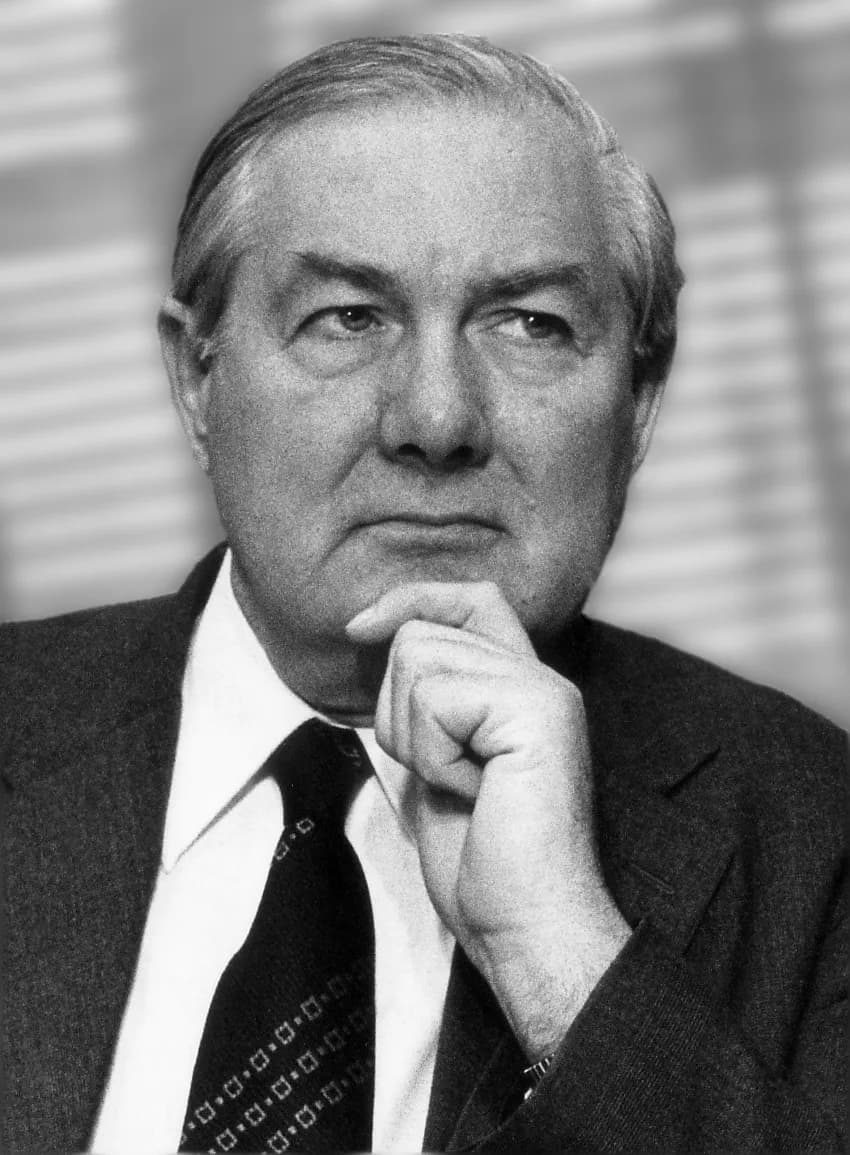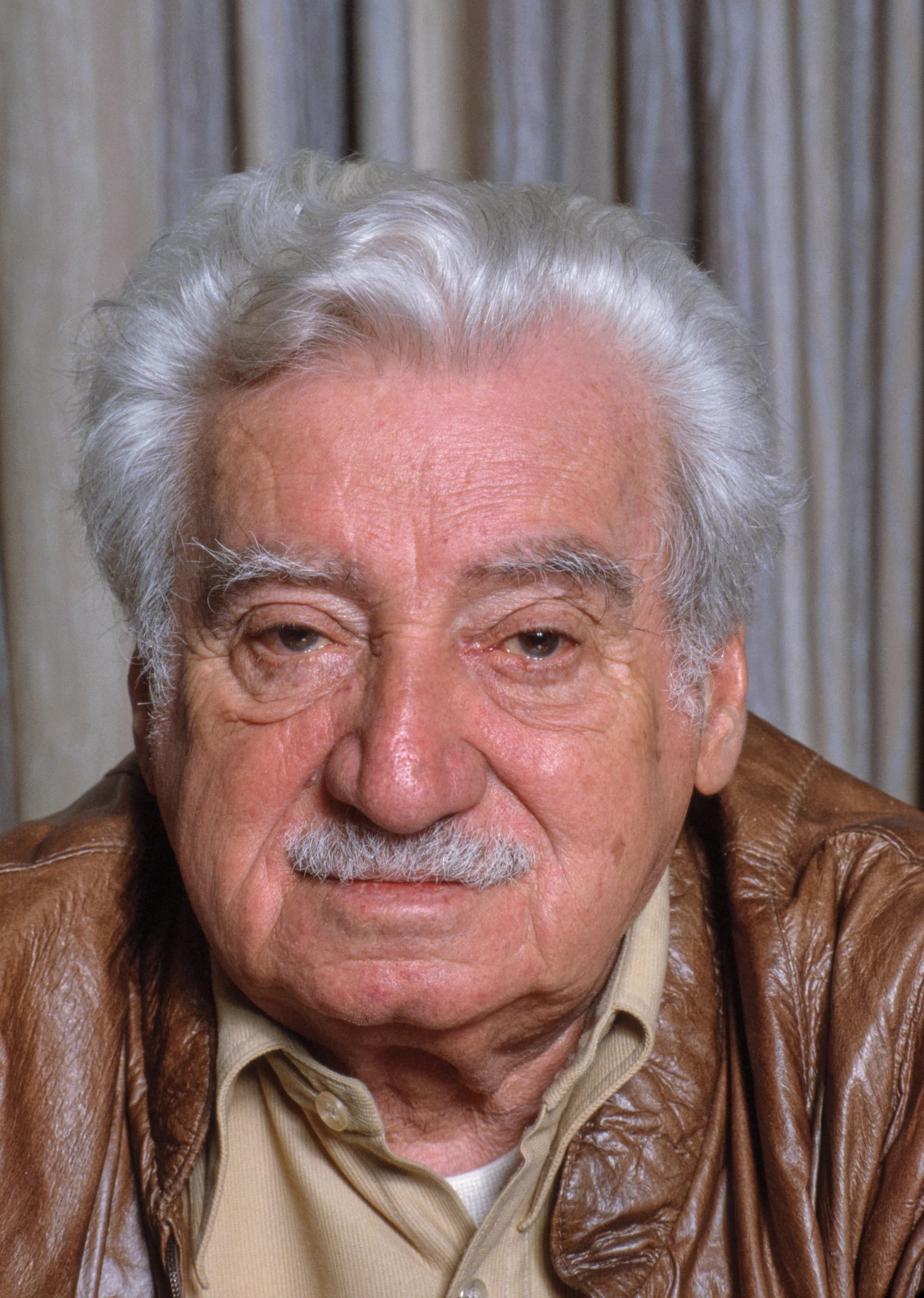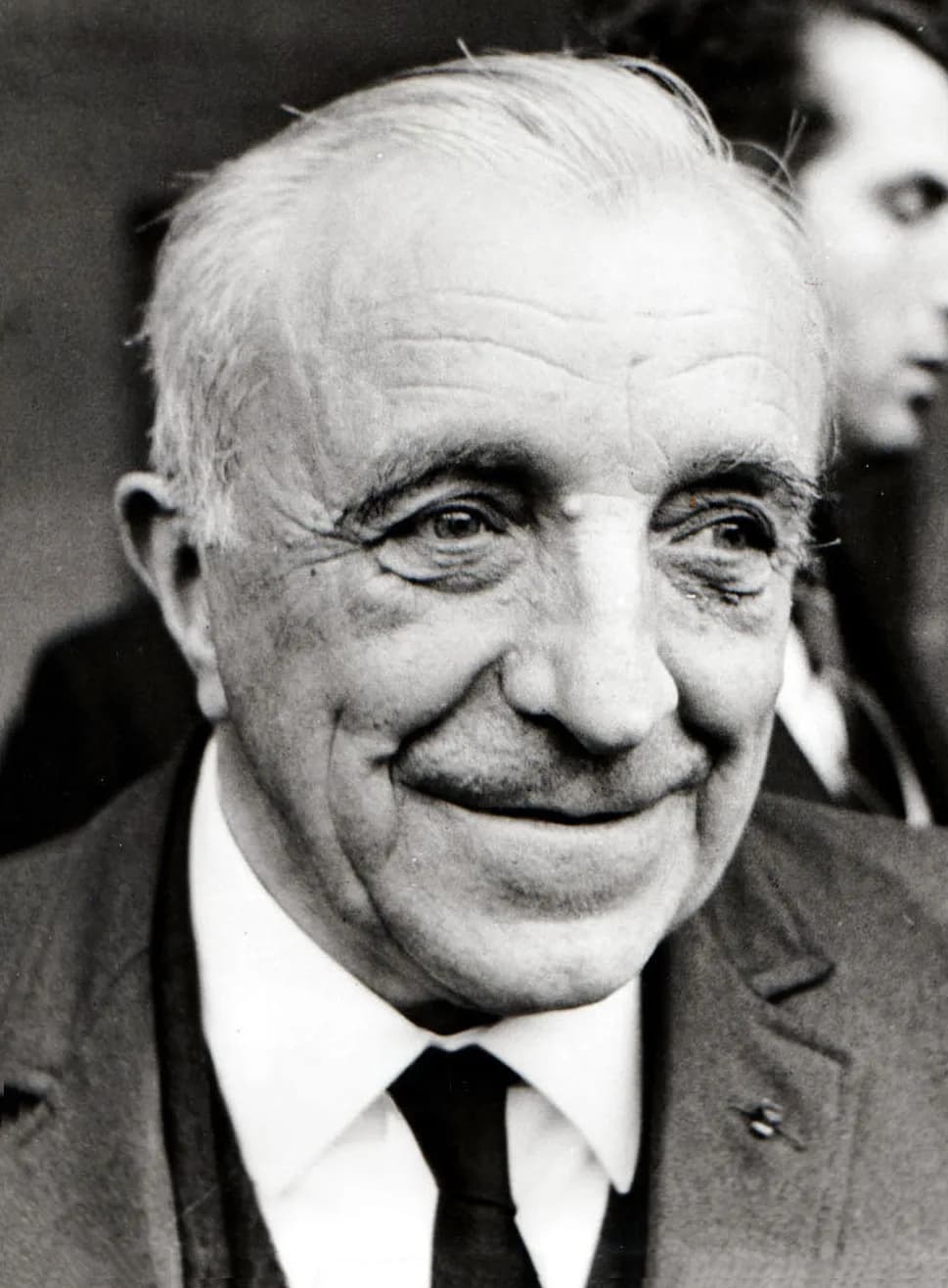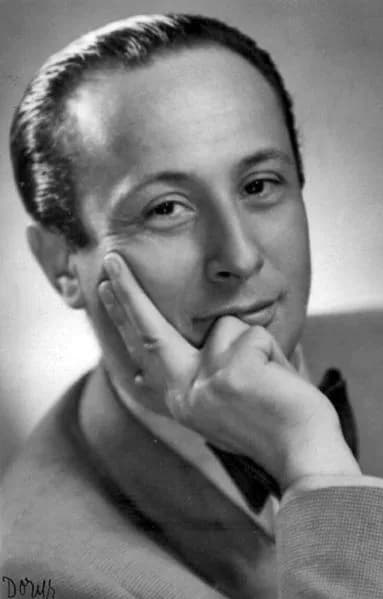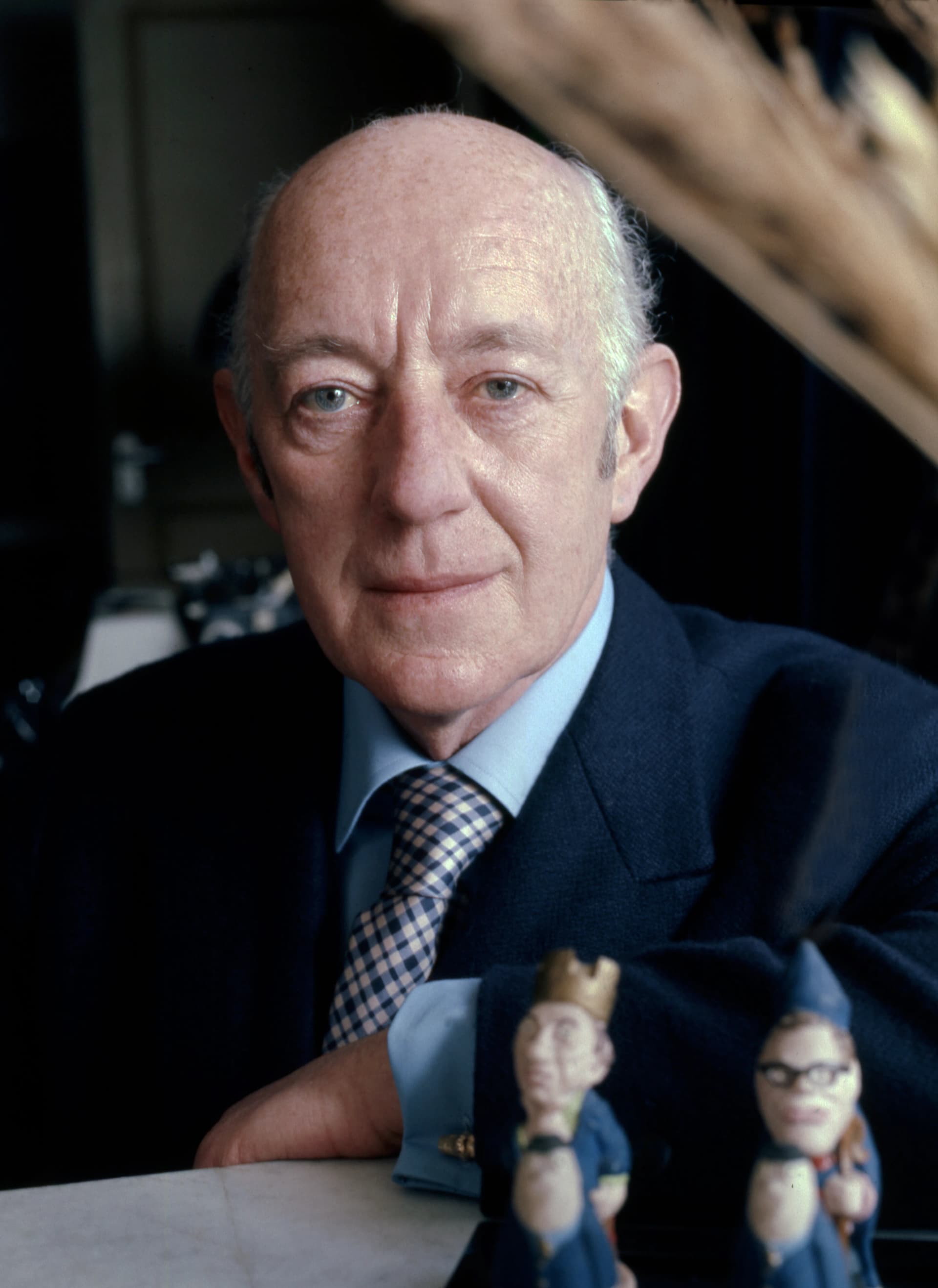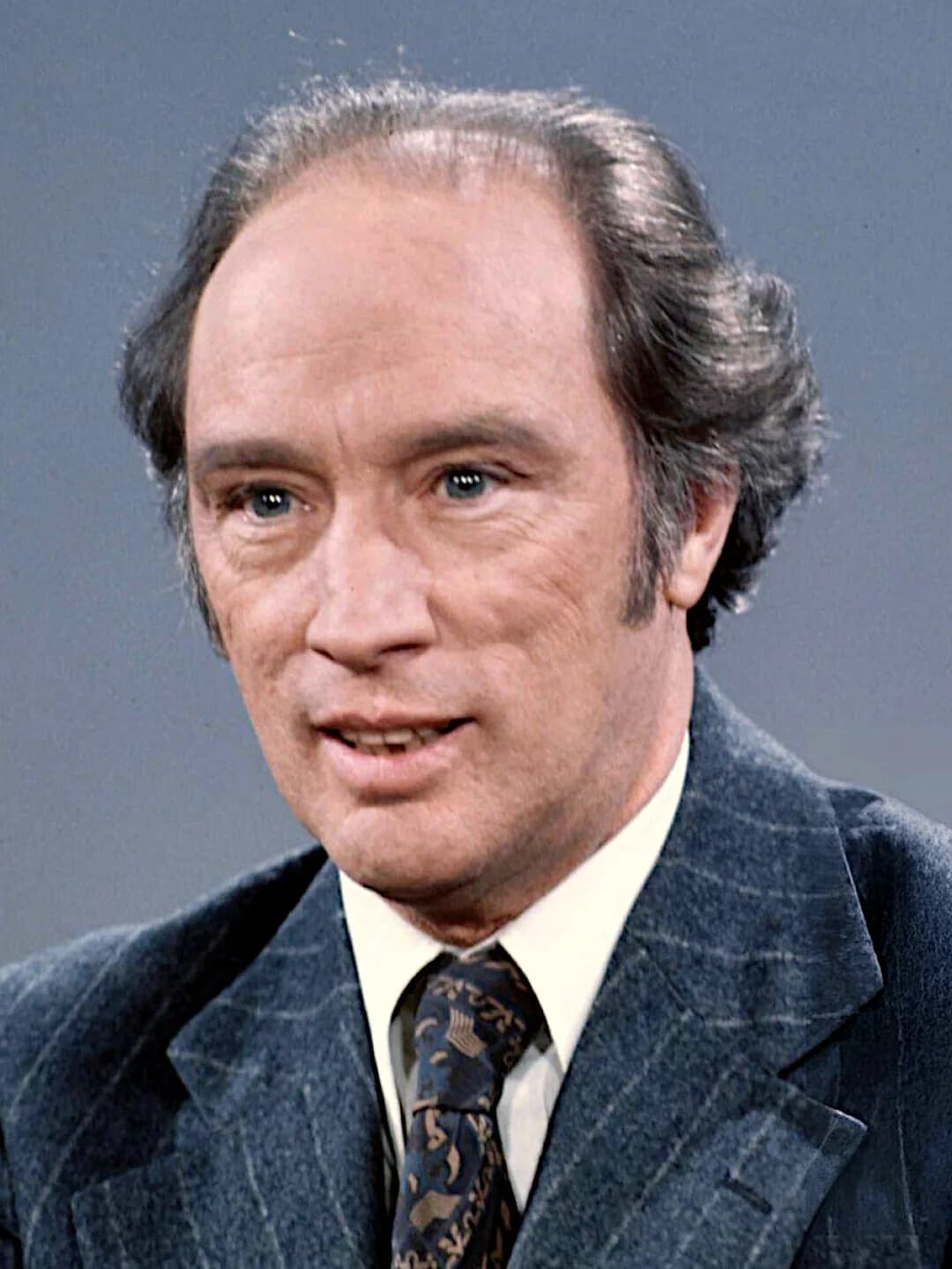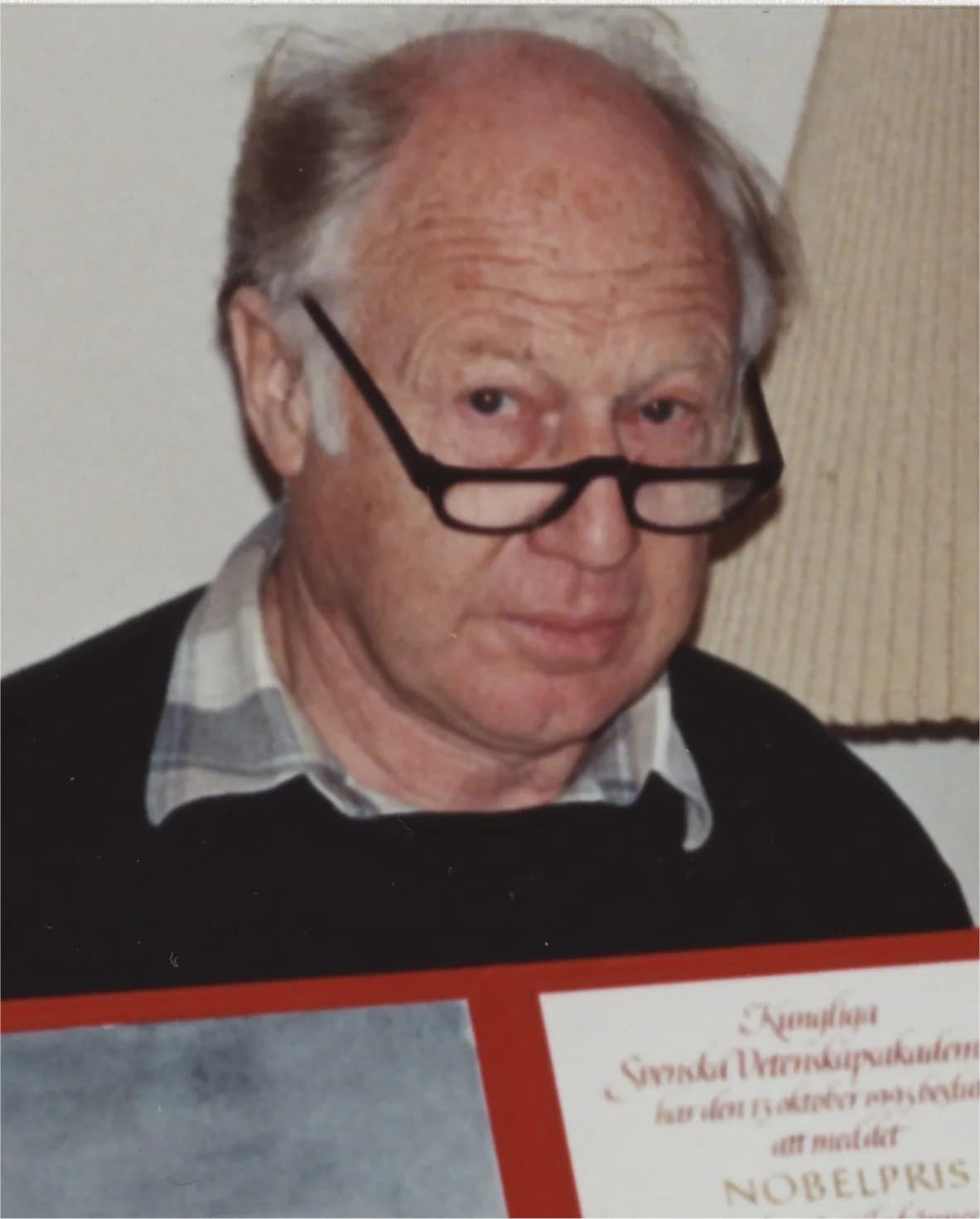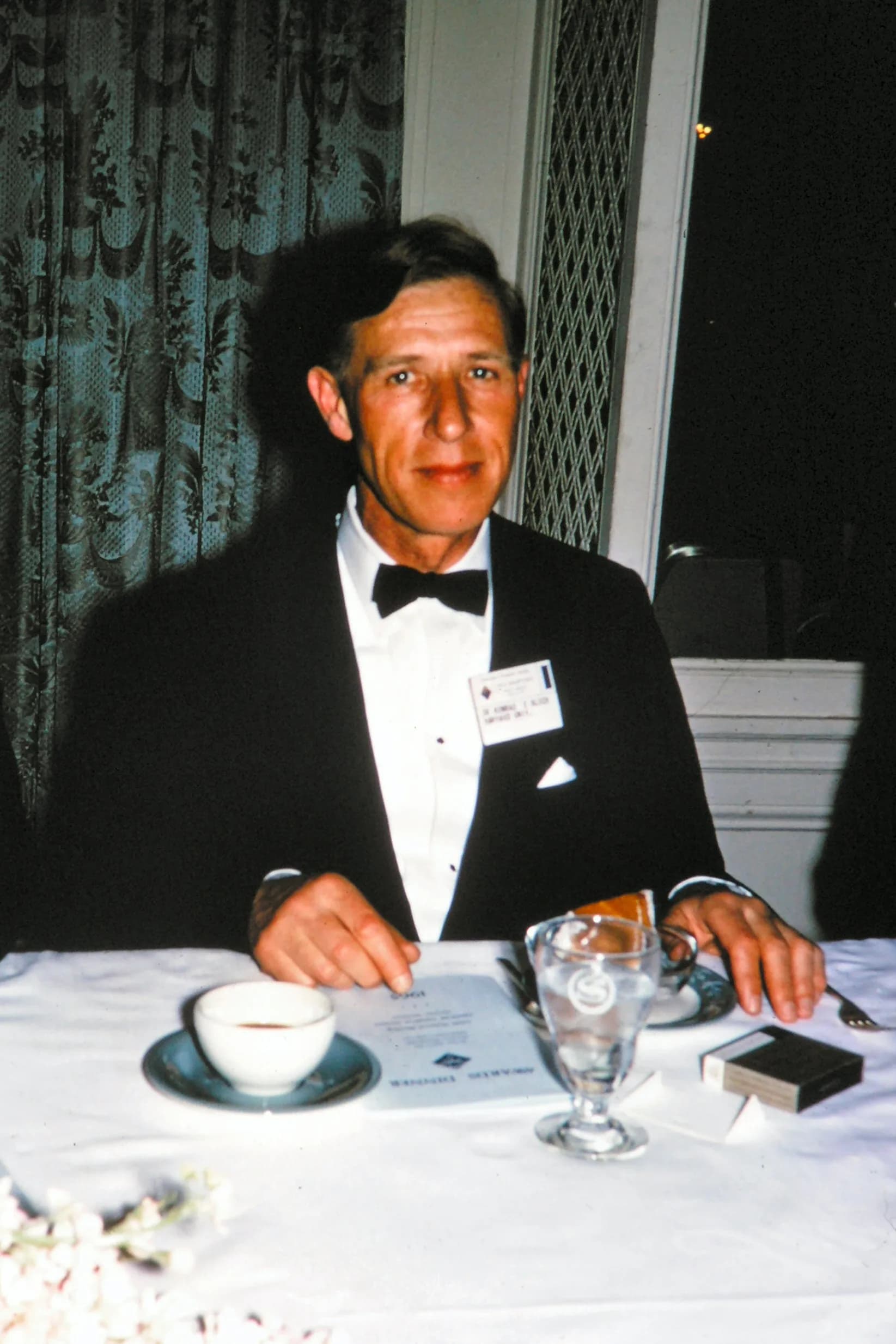
متولد
January 21, 1912
Nysa, Poland
درگذشته
October 15, 2000
Lexington, United States
شناخته شده برای
German American biochemist
Konrad Emil Bloch (1912–2000) was Poland best known for German American biochemist.
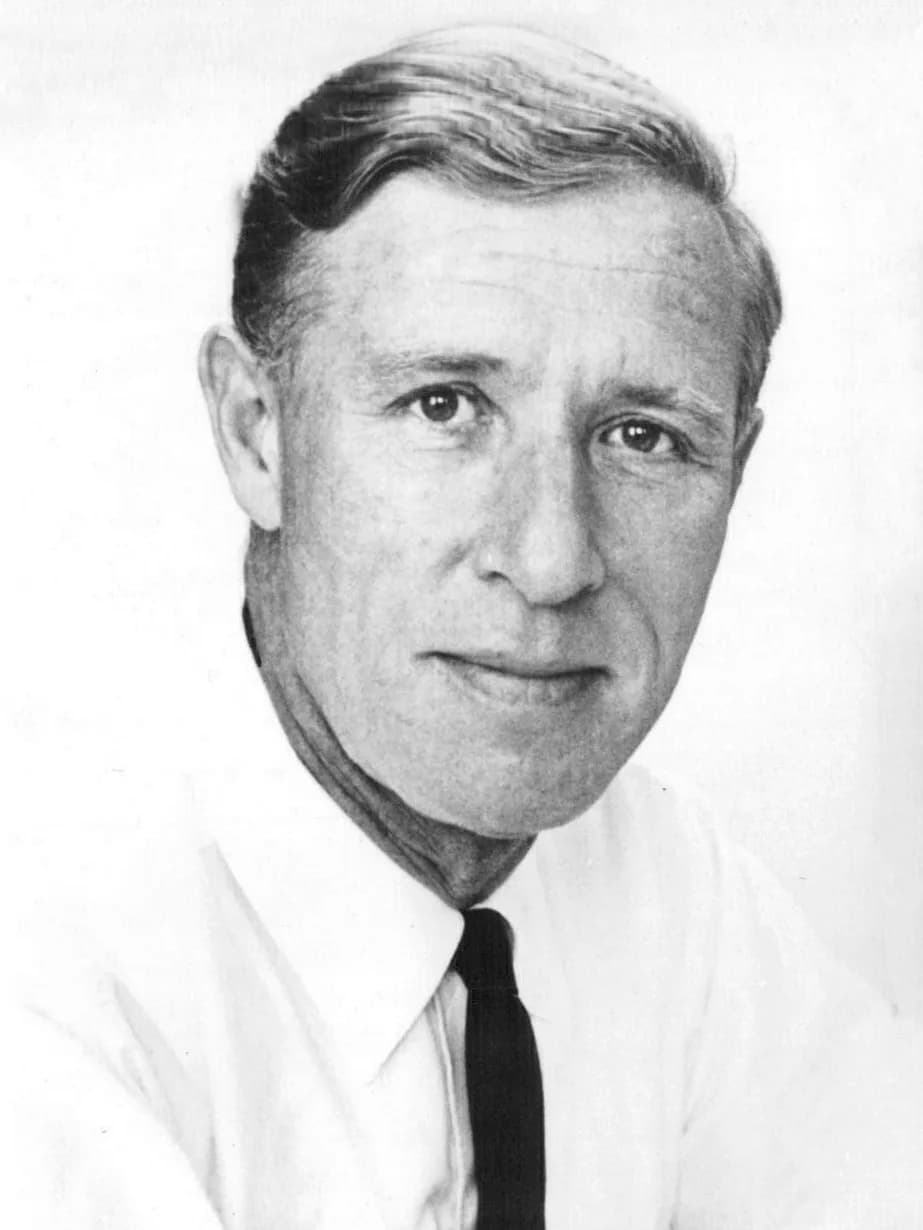
Konrad Emil Bloch (January 21, 1912 – October 15, 2000) was a German American biochemist from Nysa, Poland. He received the Nobel Prize in Physiology or Medicine in 1964 for his discoveries concerning cholesterol and fatty acid metabolism. His research significantly advanced the understanding of these fundamental biological processes.
یک زندگی در لحظات
لحظاتی که یک زندگی را شکل دادند


فصل
فصلهای زندگی
فصل 1 · 1912· فصل 1 از 7
Early Life and Origins
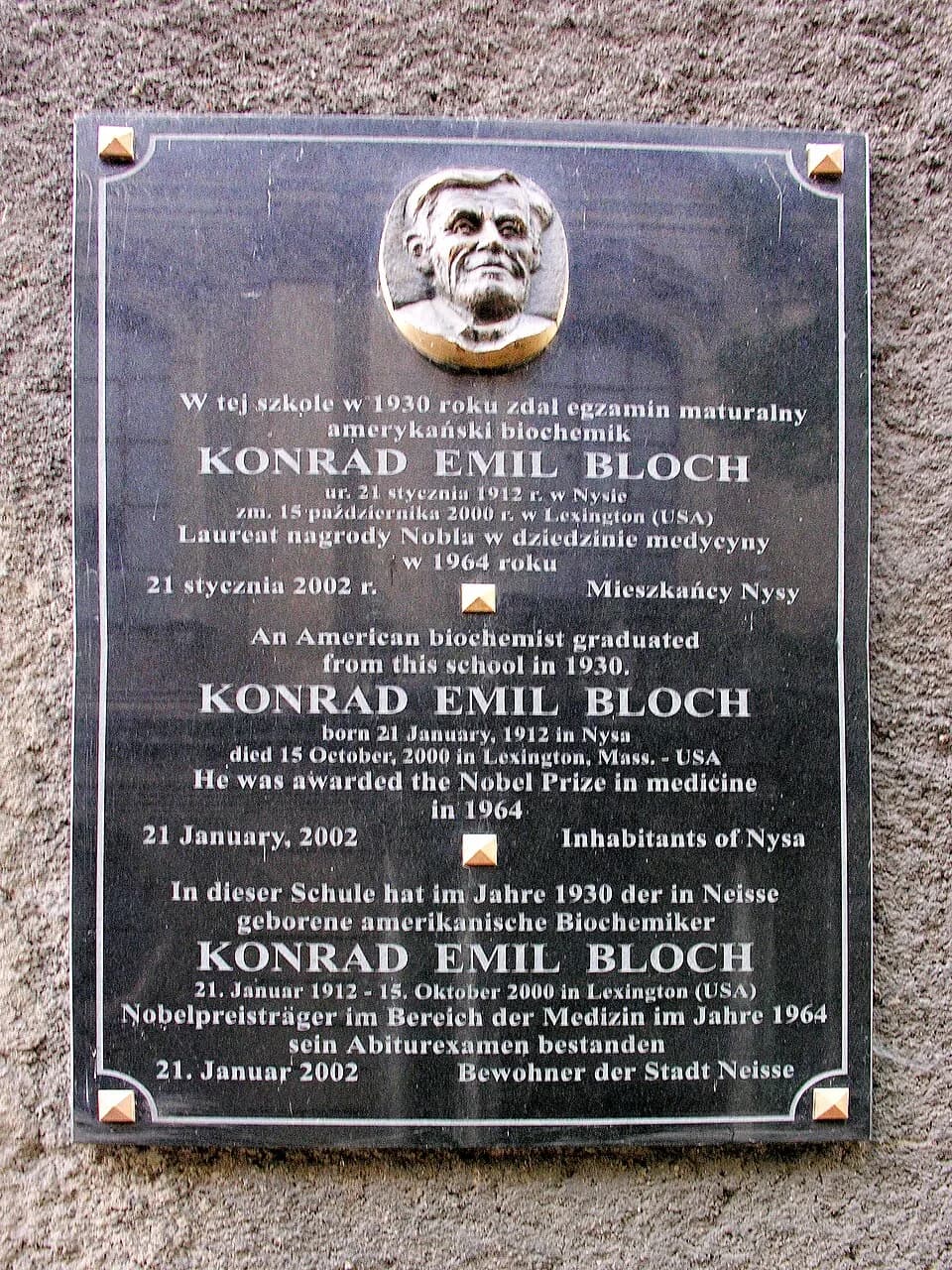
Konrad Emil Bloch began his journey in Nysa, Poland, where he was born on January 21, 1912. Details of his early childhood and family life are not extensively documented, but his birthplace marked the initial setting of his remarkable life.
Growing up in Europe, Bloch would eventually pursue higher education and embark on a path that would lead him to become a leading figure in the scientific community. His foundational years likely instilled in him the curiosity and intellect that would define his later career.
فصل 2· فصل 2 از 7
Career Beginnings
Bloch's professional path led him to become a chemist and biochemist, professions where he would excel and make lasting contributions. His journey from Europe to the United States transformed him into a German American biochemist, signifying a shift in his academic and professional environment.
While the specifics of his early research endeavors are not detailed, it is clear that his foundational work prepared him for the complex investigations that would later define his scientific career. He steadily built expertise in crucial areas of biochemical study.
فصل 3 · 1964· فصل 3 از 7
Major Achievements and Career Highlights
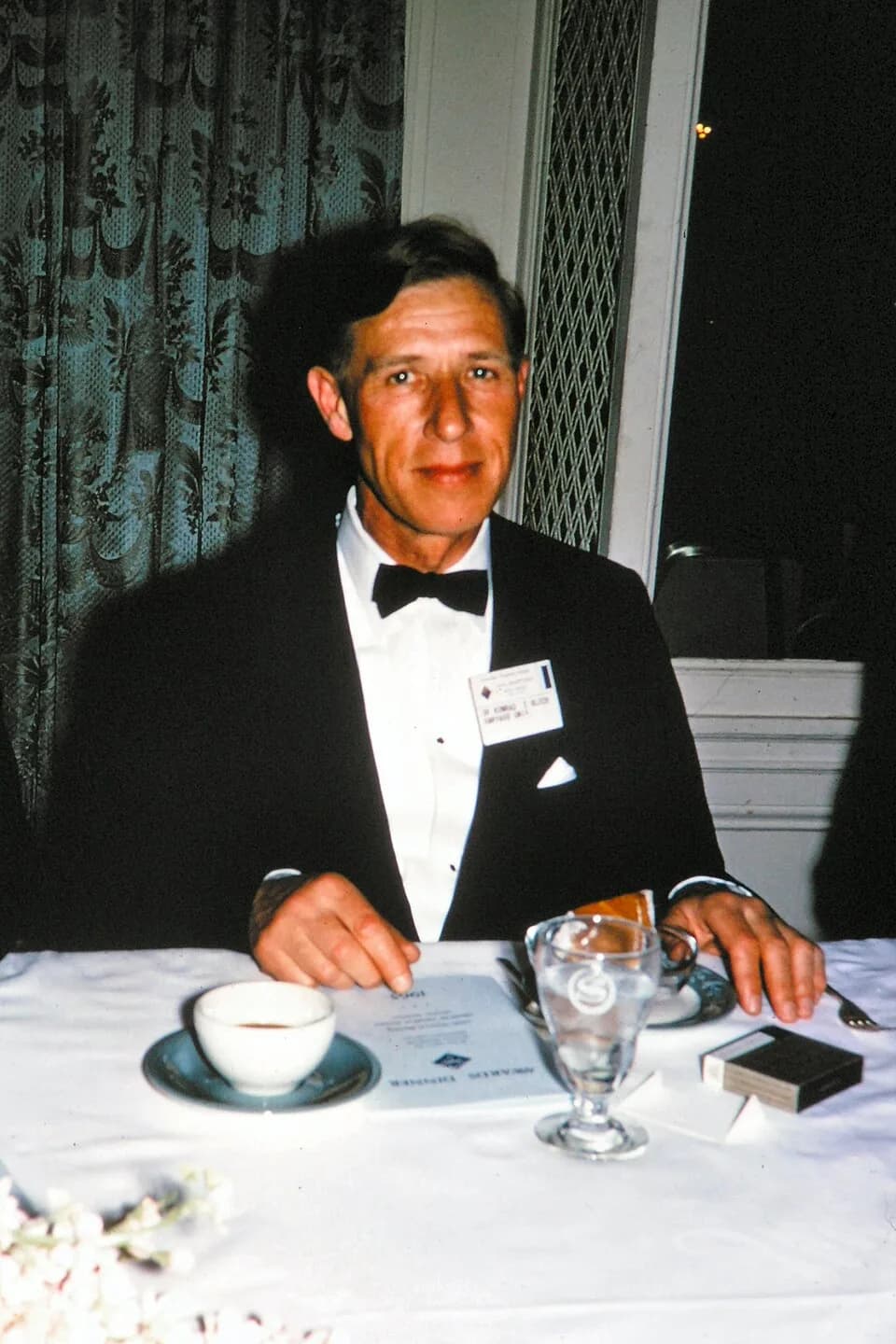
A crowning moment in Konrad Emil Bloch's career arrived in 1964 when he was awarded the Nobel Prize in Physiology or Medicine. This prestigious honor recognized his groundbreaking discoveries concerning the mechanism and regulation of cholesterol and fatty acid metabolism.
His research illuminated how living organisms synthesize and process these essential biological molecules, which are vital for cell structure, energy storage, and hormone production. Bloch's insights into these complex metabolic pathways revolutionized the understanding of human health and disease. This work provided a framework for investigating conditions like cardiovascular disease, directly stemming from the metabolism of cholesterol.
فصل 4· فصل 4 از 7
Personal Life
While Konrad Emil Bloch's professional accomplishments are well-documented, specific details regarding his personal life, family, and hobbies remain largely outside the publicly available information. His professional focus on scientific discovery characterized much of his public persona.
Despite the lack of extensive records on his personal affairs, it is understood that his scientific pursuits were a central and driving force throughout his life. His dedication to his research undoubtedly required considerable personal commitment.
فصل 5· فصل 5 از 7
Notable Works or Contributions
Konrad Emil Bloch was a prolific researcher, evidenced by his impressive h-index of 64 and a total of 293 published papers. His academic contributions span decades, reflecting a continuous engagement with scientific inquiry.
Among his significant publications are works like "Control mechanisms for fatty acid synthesis in Mycobacterium smegmatis," a highly cited paper from 2006 with 142 citations. Other notable contributions include "Science Over Politics" (1999, 8 citations), "In Vitro Alterations of the Product Distribution of the Fatty Acid Synthetase from Mycobacterium" (2002, 3 citations), "The origins of intermediary metabolism at Columbia College of Physicians and Surgeons (P&S) 1" (1996, 3 citations), and "Biogenesis and Transformations of Squalene" (2009, 2 citations). These papers reflect his diverse research interests and the enduring relevance of his scientific insights.
فصل 6· فصل 6 از 7
Later Years
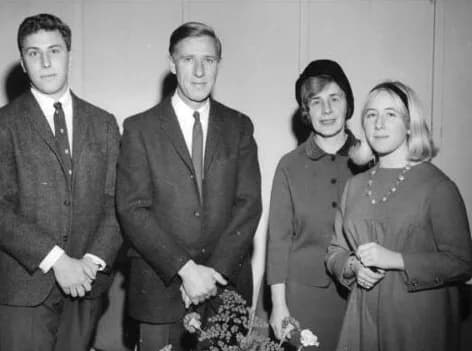
Konrad Emil Bloch continued to contribute to the scientific community for many years following his Nobel Prize recognition. His later career likely involved mentoring new generations of scientists and refining his research hypotheses.
He passed away on October 15, 2000, in Lexington, United States, leaving behind a legacy of profound scientific achievement. His passing marked the end of a long and productive life dedicated to advancing biochemical knowledge.
فصل 7· فصل 7 از 7
Legacy and Impact
Konrad Emil Bloch's legacy is firmly rooted in his Nobel Prize-winning work on cholesterol and fatty acid metabolism. His discoveries provided a comprehensive framework for understanding how these substances are synthesized and regulated within living systems. This foundational knowledge is still crucial in fields ranging from pharmacology to nutrition.
The impact of his research continues to resonate, influencing ongoing studies into metabolic disorders, drug development, and a deeper understanding of cellular biology. Bloch's work remains a cornerstone of modern biochemistry, inspiring continued exploration into the intricacies of life.
پرسش و پاسخ
پرسشهای متداول
Konrad Emil Bloch چه زمانی درگذشت؟
Konrad Emil Bloch در تاریخ ۲۴ مهر ۱۳۷۹ در Lexington, United States درگذشت در سن 88 سالگی.
Konrad Emil Bloch کجا متولد شد؟
Konrad Emil Bloch در Nysa, Poland در تاریخ ۳۰ دی ۱۲۹۰ متولد شد.
Konrad Emil Bloch بیشتر برای چه چیزی شناخته میشود؟
Konrad Emil Bloch بیشتر به خاطر German American biochemist شناخته میشود.
Konrad Emil Bloch هنگام مرگ چند سال داشت؟
Konrad Emil Bloch هنگام مرگ 88 ساله بود.
ملیت Konrad Emil Bloch چه بود؟
Konrad Emil Bloch اهل Poland بود.
خط زمانی
نگاهی به زندگی
گالری عکس
یک زندگی در تصاویر
روی هر پولاروید کلیک کنید تا بزرگ شود · 23 عکس
کد QR
اشتراک این زندگینامه
چاپ و اشتراکگذاری
برای بازدید از این صفحه زندگینامه اسکن کنید. برای رویدادها، نمایشگاهها یا مواد آموزشی چاپ کنید.