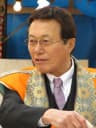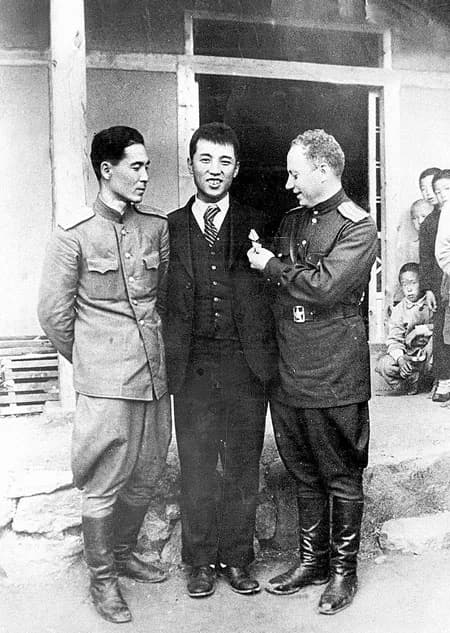
متولد
April 15, 1912
Mangyongdae District, North Korea
درگذشته
July 8, 1994
Pyongyang, North Korea
شناخته شده برای
Supreme Leader of North Korea from 1948 to 1994
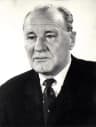
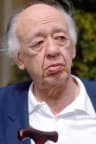
Kim Il-sung (1912–1994) was North Korea best known for Supreme Leader of North Korea from 1948 to 1994.
Kim Il-sung (April 15, 1912 – July 8, 1994) was a politician from North Korea. He founded the Democratic People's Republic of Korea in 1948 and led the nation as its Supreme Leader until his death. His legacy includes establishing a system of leadership and being declared Eternal President.
فصل
فصلهای زندگی
فصل 1 · 1912· فصل 1 از 7
Early Life and Origins
Kim Il-sung began his life in the Mangyongdae District, located within North Korea, where he was born on April 15, 1912. The circumstances of his early upbringing contributed to his revolutionary ideals. These formative years laid the groundwork for his future political and military leadership within the Korean peninsula.
فصل 2· فصل 2 از 7
Career Beginnings
Kim Il-sung emerged as a significant revolutionary figure and military officer, driven by his political convictions. He played a crucial role in the post-World War II period in the Korean peninsula. His early efforts contributed to the political landscape that would soon define the region.
By 1948, Kim Il-sung's leadership culminated in the founding of the Democratic People's Republic of Korea, also known as North Korea. From this establishment, he took on the role of leader for the newly formed nation. This marked the official beginning of his long tenure as a statesman.
فصل 3 · 1948· فصل 3 از 7
Major Achievements and Career Highlights
As the founder of the Democratic People's Republic of Korea in 1948, Kim Il-sung assumed the critical position of Supreme Leader. He maintained this leadership role from the nation's inception. His political authority defined North Korea's governmental structure for decades.
Kim Il-sung continued to lead the country without interruption from 1948 until his passing in 1994, a period spanning 46 years. During this time, he oversaw the nation's foundational development and guided its domestic and international policies. His continuous leadership made him a central figure in 20th-century Korean history.
His tenure as the Supreme Leader of North Korea solidified his position as a dictator. Under his guidance, the state developed its unique political and social systems. These decisions shaped the trajectory of North Korea for generations to come, reflecting his extensive influence.
فصل 4· فصل 4 از 7
Personal Life
Information regarding the personal life of Kim Il-sung beyond his official political and military roles is not provided in the available details. His public persona was largely defined by his leadership of North Korea. The focus of documented information remains on his professional contributions and political impact.
فصل 5 · 1948· فصل 5 از 7
Notable Works or Contributions
Kim Il-sung's most significant contribution was undoubtedly the founding of the Democratic People's Republic of Korea in 1948. This act established the modern state of North Korea. He then served as its inaugural leader, setting the course for the new nation.
Beyond its establishment, he provided continuous leadership as Supreme Leader for 46 years, from 1948 until 1994. This long period of governance shaped North Korea's identity. Upon his death, he was bestowed with the title of Eternal President, a testament to his lasting symbolic authority within the state.
فصل 6 · 1994· فصل 6 از 7
Later Years
Kim Il-sung's long and impactful leadership of North Korea extended into his later years. He continued to serve as the Supreme Leader of the nation until his death on July 8, 1994. His passing occurred in Pyongyang, North Korea, the nation's capital.
Following his death, Kim Il-sung was succeeded by his son, Kim Jong Il, marking a significant transition in North Korea's leadership structure. Furthermore, he was posthumously declared Eternal President of the Democratic People's Republic of Korea. This declaration ensured his symbolic presence would endure long after his active leadership concluded.
فصل 7 · 1948· فصل 7 از 7
Legacy and Impact
The legacy of Kim Il-sung is intrinsically linked to the foundation and sustained existence of the Democratic People's Republic of Korea. His role as the primary architect and leader from 1948 to 1994 means his vision indelibly shaped the country. His influence continues to be felt in North Korea's political ideology and governance.
His leadership established a system that perpetuated through dynastic succession, with his son Kim Jong Il assuming control after his death. This particular aspect of his legacy has been a defining characteristic of North Korean politics. The declaration of him as Eternal President further cemented his revered status within the nation's historical narrative.
Kim Il-sung's extensive tenure as Supreme Leader of North Korea ensures his place as a foundational figure in its history. From his birth in Mangyongdae District in 1912 to his passing in Pyongyang in 1994, his life story is intertwined with the very fabric of the Democratic People's Republic of Korea. His leadership, defined by his role as a politician and dictator, shaped a distinct political entity on the global stage.
یک زندگی در لحظات
لحظاتی که یک زندگی را شکل دادند
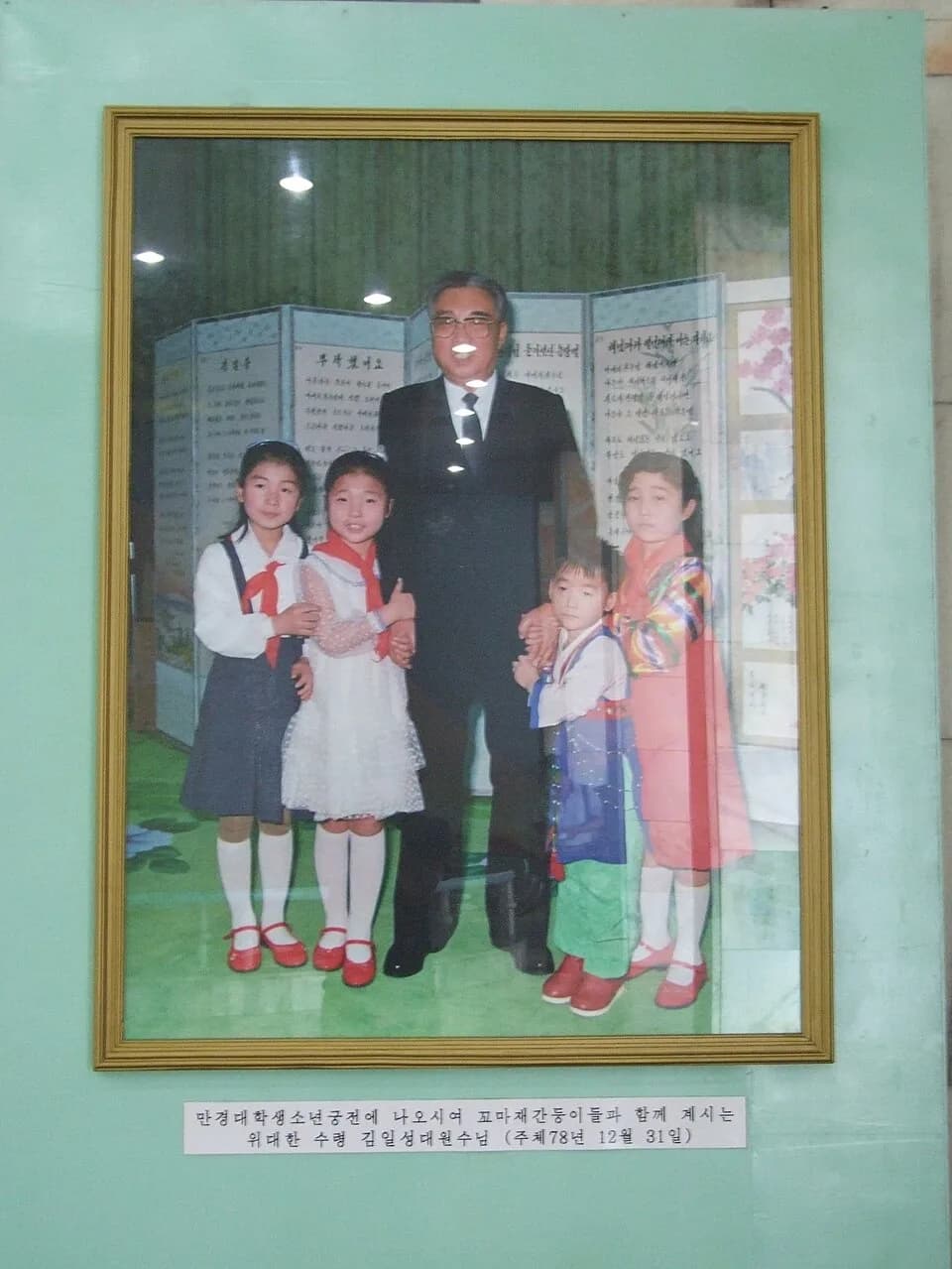
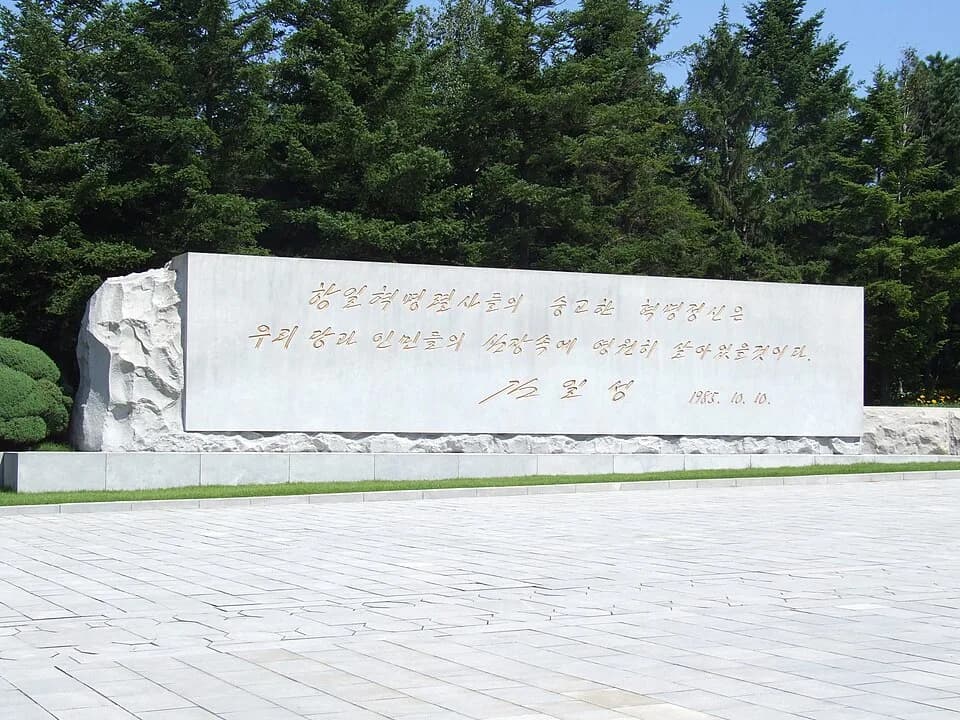
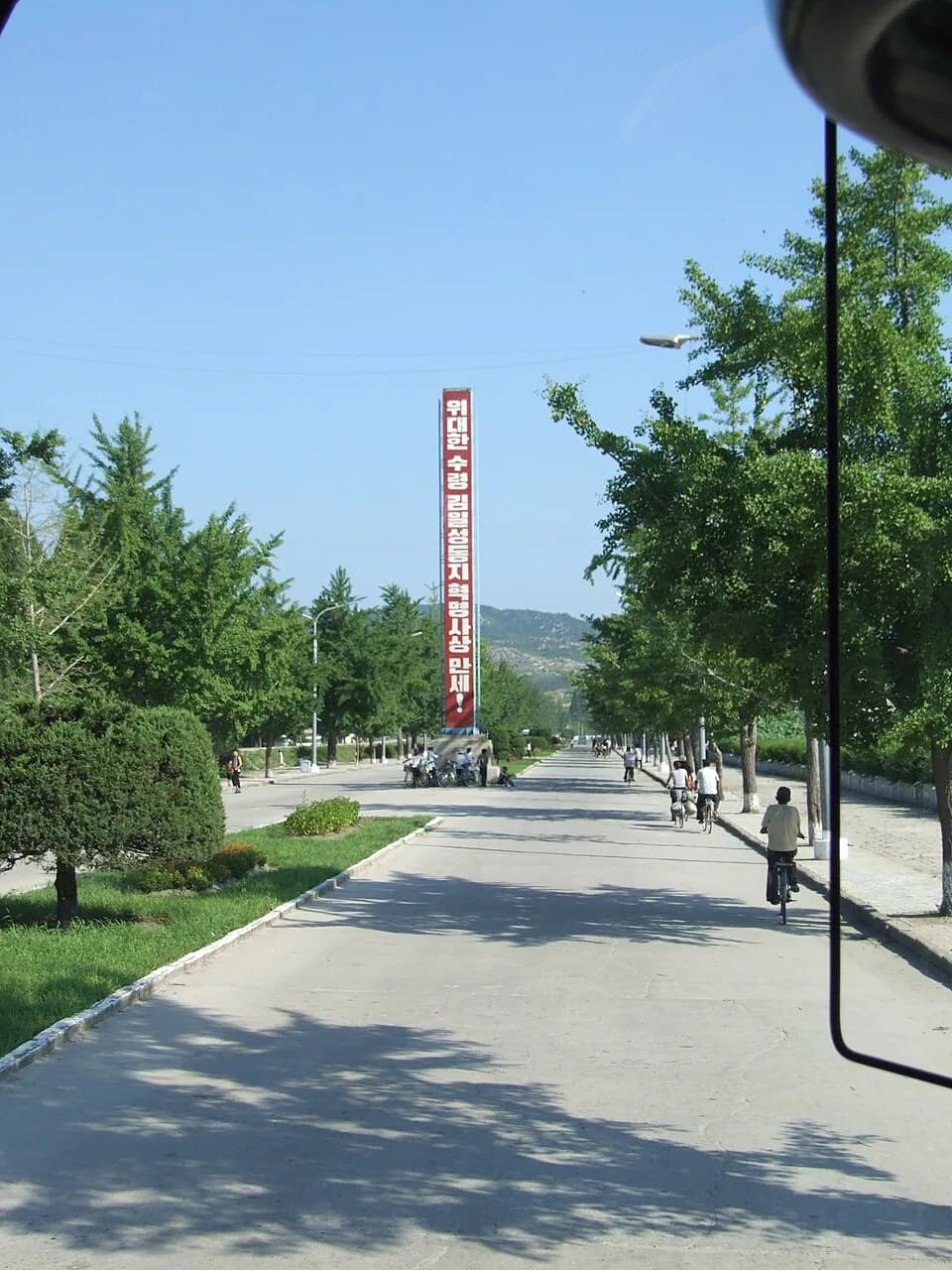
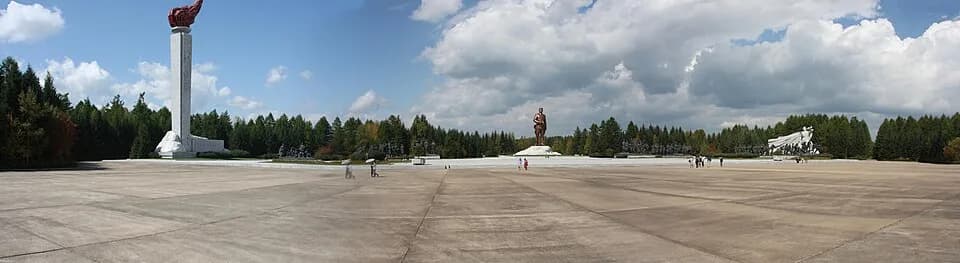
پرسش و پاسخ
پرسشهای متداول
Kim Il-sung چه زمانی درگذشت؟
Kim Il-sung در تاریخ ۱۷ تیر ۱۳۷۳ در Pyongyang, North Korea درگذشت در سن 82 سالگی.
Kim Il-sung کجا متولد شد؟
Kim Il-sung در Mangyongdae District, North Korea در تاریخ ۲۶ فروردین ۱۲۹۱ متولد شد.
Kim Il-sung بیشتر برای چه چیزی شناخته میشود؟
Kim Il-sung بیشتر به خاطر Supreme Leader of North Korea from 1948 to 1994 شناخته میشود.
Kim Il-sung هنگام مرگ چند سال داشت؟
Kim Il-sung هنگام مرگ 82 ساله بود.
ملیت Kim Il-sung چه بود؟
Kim Il-sung اهل North Korea بود.
خط زمانی
نگاهی به زندگی
گالری عکس
یک زندگی در تصاویر
روی هر پولاروید کلیک کنید تا بزرگ شود · 45 عکس
کد QR
اشتراک این زندگینامه
چاپ و اشتراکگذاری
برای بازدید از این صفحه زندگینامه اسکن کنید. برای رویدادها، نمایشگاهها یا مواد آموزشی چاپ کنید.