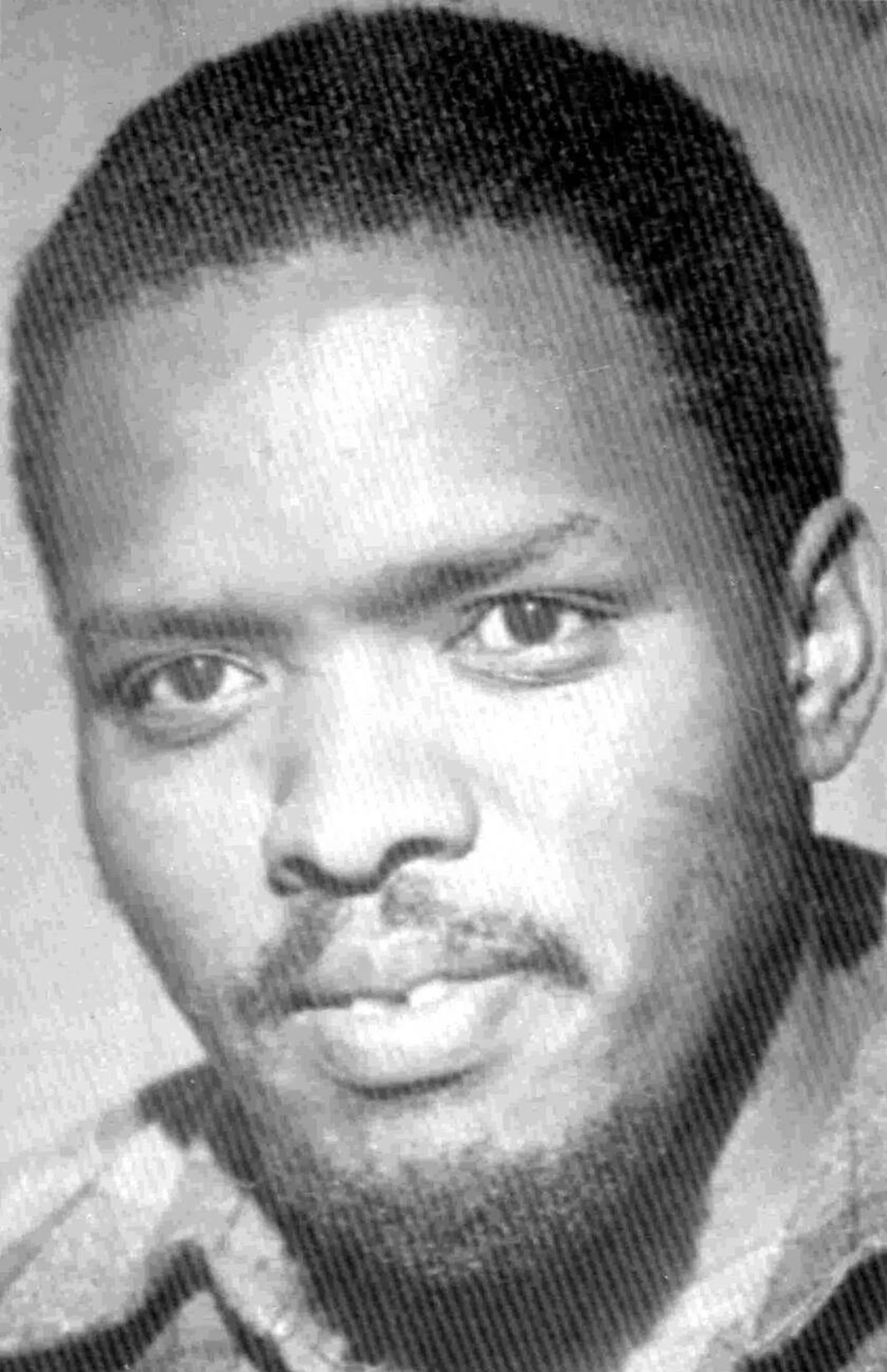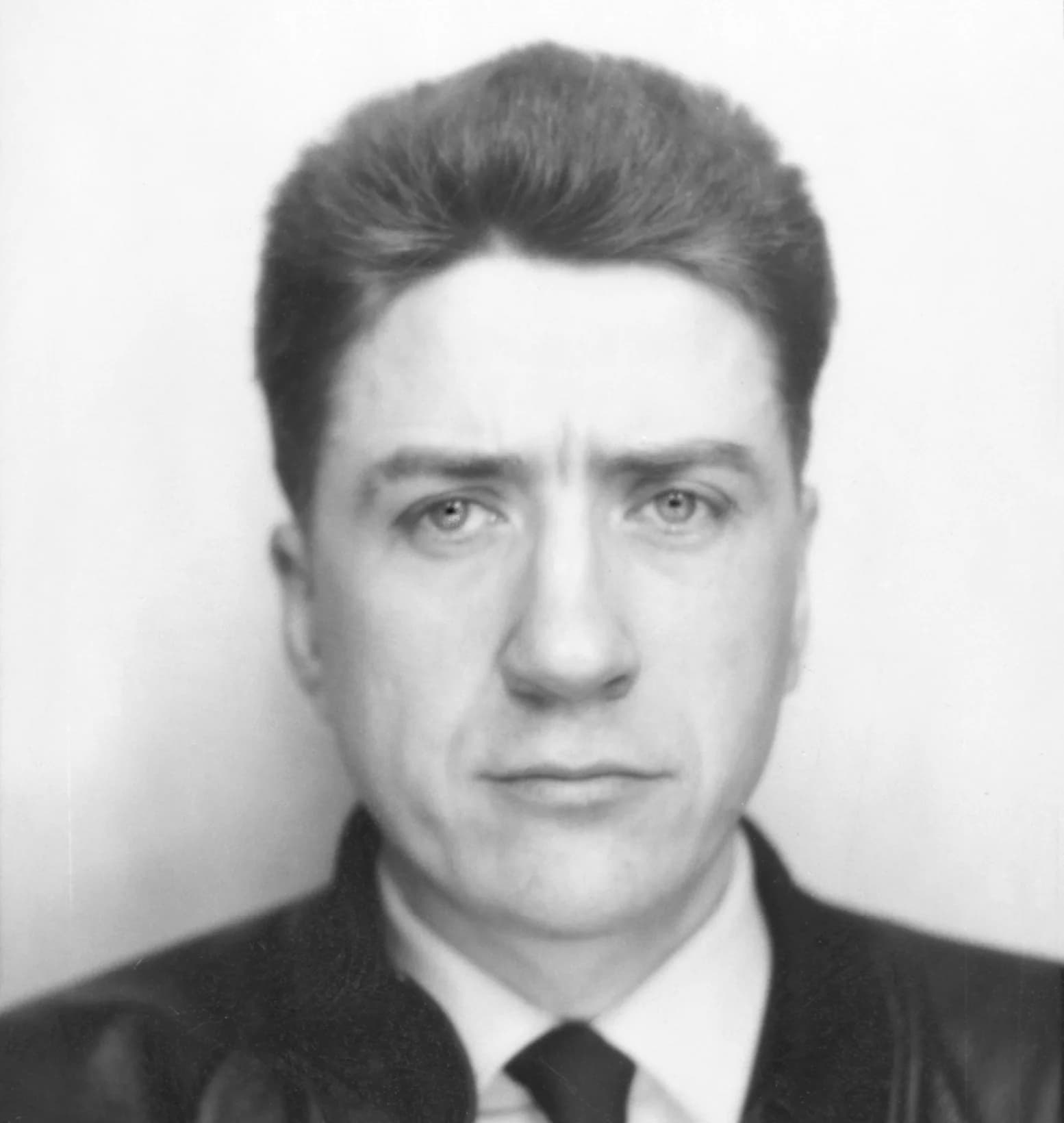
متولد
April 17, 1946
Munich, Germany
درگذشته
March 1, 1995
Freiburg im Breisgau, Germany
شناخته شده برای
German immunologist
Georges J. F. Köhler (1946–1995) was Germany best known for German immunologist.
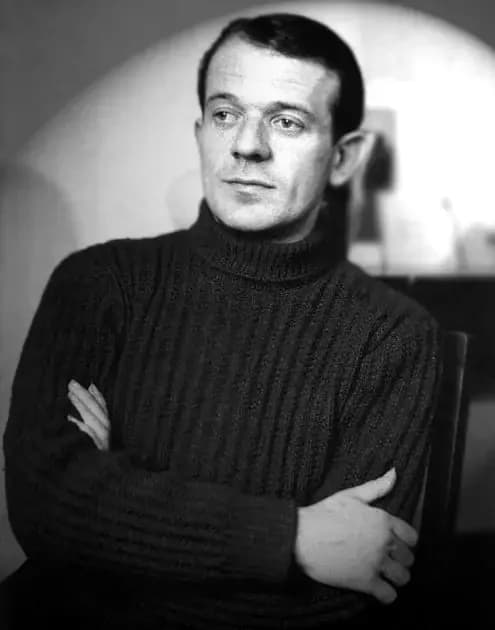
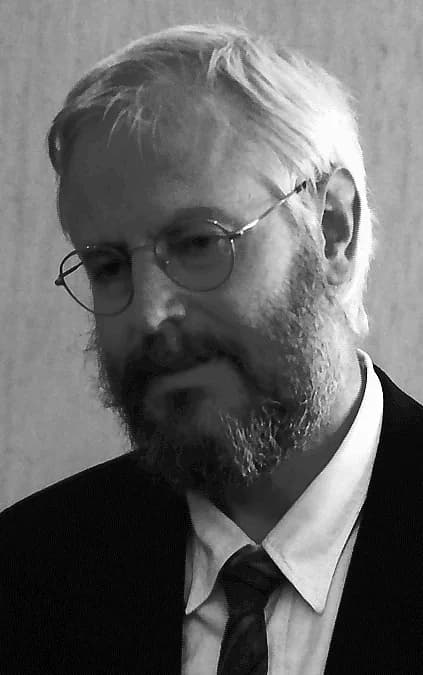
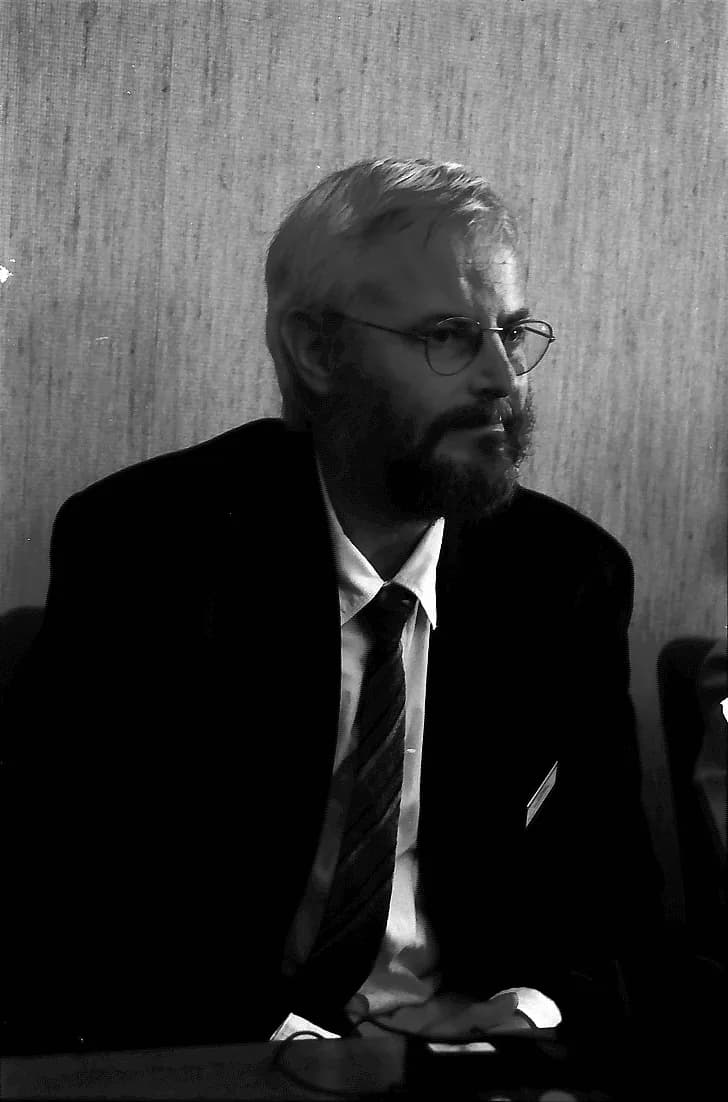
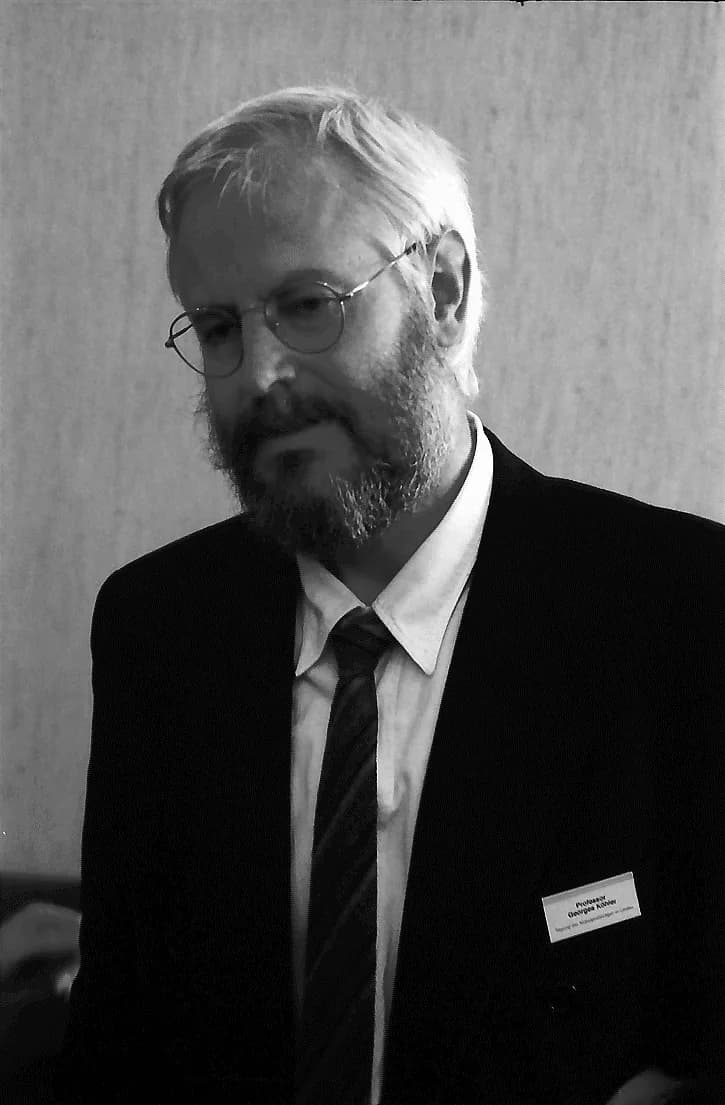
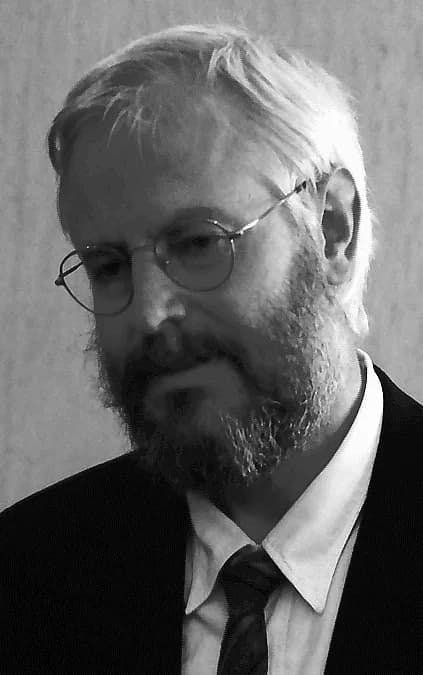
Georges Jean Franz Köhler (April 17, 1946 – March 1, 1995) was a German immunologist. He co-developed the hybridoma technique for producing monoclonal antibodies, a discovery that earned him a share of the 1984 Nobel Prize. His work significantly advanced diagnostic and therapeutic medicine.
یک زندگی در لحظات
لحظاتی که یک زندگی را شکل دادند
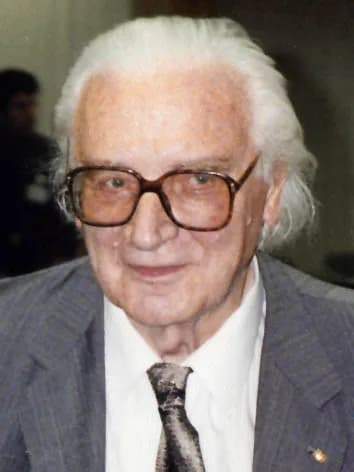
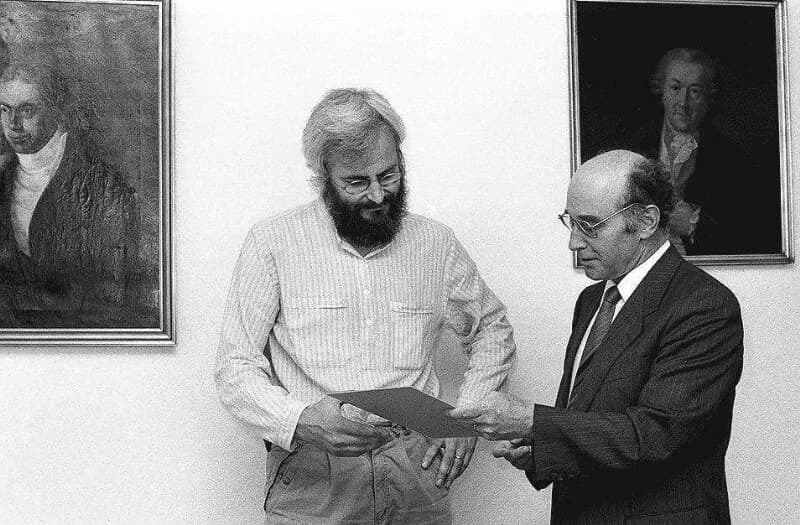
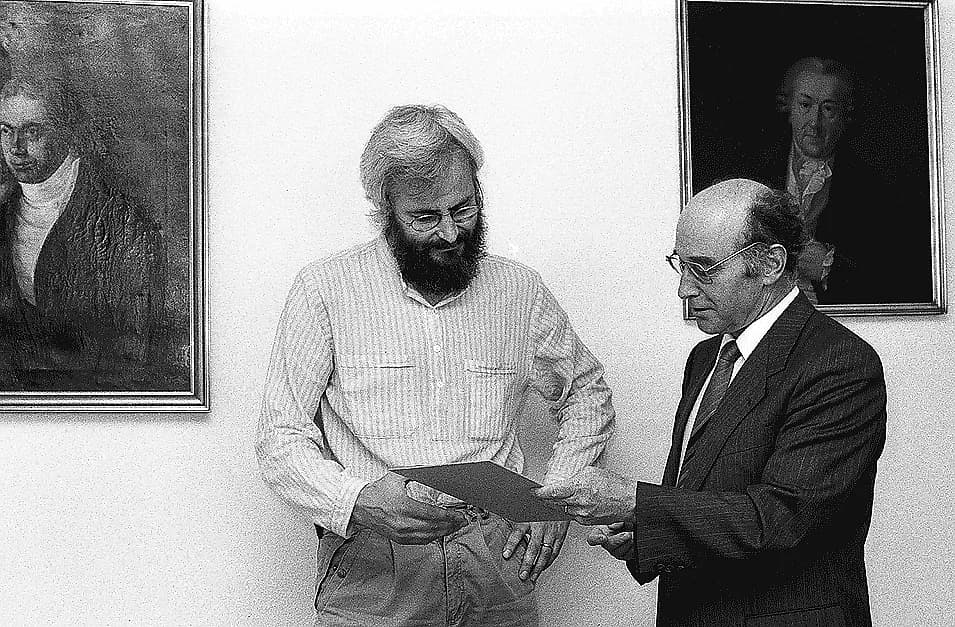
![Georges J. F. Köhler - Nobelpreisträger Georges Köhler bei der Einweihung des Max-Planck-Institutes für Immun-Biologie [u.a. mit Rolf Böhme und Lothar Späth]](/_next/image?url=https%3A%2F%2Fcdn.whowasthisguy.com%2Fgallery_wikimedia_commons_1782155092222_0_998eee0e12.webp&w=1920&q=75)
فصل
فصلهای زندگی
فصل 1 · 1946· فصل 1 از 7
Early Life and Origins
Georges Jean Franz Köhler was born on April 17, 1946, in Munich, Germany. His early life in Germany set the foundation for a future dedicated to scientific inquiry. Though specific details about his family and upbringing are not widely documented, his path led him toward a rigorous academic and research career. He pursued studies in chemistry and biology, developing a deep understanding of natural sciences that would later inform his specialized work in immunology.
فصل 2· فصل 2 از 7
Career Beginnings
Köhler's early career saw him develop expertise as a chemist and biologist, roles that prepared him for advanced research. He later became a university teacher, sharing his knowledge and fostering new generations of scientists. His research interests naturally gravitated towards immunology, a field ripe with complex challenges concerning the body's defense mechanisms. It was during this period that he began his impactful collaborative work.
فصل 3 · 1984· فصل 3 از 7
Major Achievements and Career Highlights
The most significant highlight of Georges Köhler's career was the joint award of the 1984 Nobel Prize in Physiology or Medicine. He shared this esteemed honor with César Milstein and Niels Kaj Jerne. The Nobel Committee recognized their "theories concerning the specificity in development and control of the immune system and the discovery of the principle for production of monoclonal antibodies." Specifically, Köhler and Milstein's collaboration yielded the revolutionary hybridoma technique, which allowed for the creation of pure, specific antibodies in large quantities. This methodological advancement was a scientific milestone, transforming the potential for immunological research and medical applications.
فصل 4· فصل 4 از 7
Personal Life
While Georges J. F. Köhler's professional life was marked by extraordinary scientific achievements, details regarding his personal life and non-academic interests are not extensively publicized. His dedication to research and scientific discovery appears to have been a central focus. The lack of public record regarding his personal affairs does not diminish the immense value of his contributions to global health and science.
فصل 5 · 1975· فصل 5 از 7
Notable Works or Contributions
Köhler's intellectual legacy is anchored by his scientific publications, demonstrating his consistent contribution to immunology. His h-index of 42, reflecting 101 papers, indicates a prolific and influential research career. Among his most cited works is the "Pillars Article: Continuous cultures of fused cells secreting antibody of predefined specificity," published in Nature in 1975. This seminal paper, co-authored with César Milstein, described the hybridoma technique and has garnered 141 citations by 2005 alone, highlighting its foundational importance. Other significant contributions include "CD22 is a negative regulator of B-cell receptor signalling" (1997, 466 citations), "IgD can largely substitute for loss of IgM function in B cells" (1998, 160 citations), and "Altered erythrocytes and a leaky block in B-cell development in CD24/HSA-deficient mice" (1997, 143 citations). These works underscore his ongoing engagement with the complexities of B-cell biology and immune regulation.
فصل 6 · 1995· فصل 6 از 7
Later Years
Georges J. F. Köhler's life was cut short on March 1, 1995, when he passed away in Freiburg im Breisgau, Germany, at the age of 48. Despite his relatively early death, his work continued to influence the scientific community. His later publications, some appearing posthumously, showcased his enduring research interests and the ongoing impact of his intellectual rigor. His passing marked the end of a brilliant career dedicated to advancing immunological understanding.
فصل 7· فصل 7 از 7
Legacy and Impact
The enduring legacy of Georges J. F. Köhler is profoundly felt across immunology, medicine, and biotechnology. The hybridoma technique he co-developed with César Milstein revolutionized the ability to produce highly specific monoclonal antibodies. These antibodies became indispensable tools for understanding disease mechanisms, developing diagnostic tests, and creating targeted therapies for cancers, autoimmune disorders, and infectious diseases. His work laid the groundwork for an entire industry and continues to inspire innovations in medical research. Köhler's scientific vision and collaborative spirit transformed the study and treatment of numerous human ailments, securing his place as a giant in modern science.
پرسش و پاسخ
پرسشهای متداول
Georges J. F. Köhler چه زمانی درگذشت؟
Georges J. F. Köhler در تاریخ ۱۰ اسفند ۱۳۷۳ در Freiburg im Breisgau, Germany درگذشت در سن 48 سالگی.
Georges J. F. Köhler کجا متولد شد؟
Georges J. F. Köhler در Munich, Germany در تاریخ ۲۸ فروردین ۱۳۲۵ متولد شد.
Georges J. F. Köhler بیشتر برای چه چیزی شناخته میشود؟
Georges J. F. Köhler بیشتر به خاطر German immunologist شناخته میشود.
Georges J. F. Köhler هنگام مرگ چند سال داشت؟
Georges J. F. Köhler هنگام مرگ 48 ساله بود.
ملیت Georges J. F. Köhler چه بود؟
Georges J. F. Köhler اهل Germany بود.
خط زمانی
نگاهی به زندگی
گالری عکس
یک زندگی در تصاویر
روی هر پولاروید کلیک کنید تا بزرگ شود · 18 عکس
کد QR
اشتراک این زندگینامه
چاپ و اشتراکگذاری
برای بازدید از این صفحه زندگینامه اسکن کنید. برای رویدادها، نمایشگاهها یا مواد آموزشی چاپ کنید.