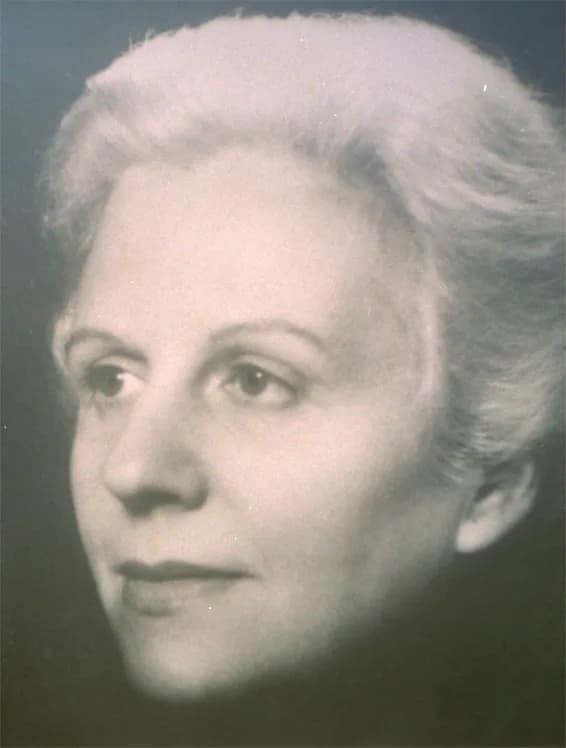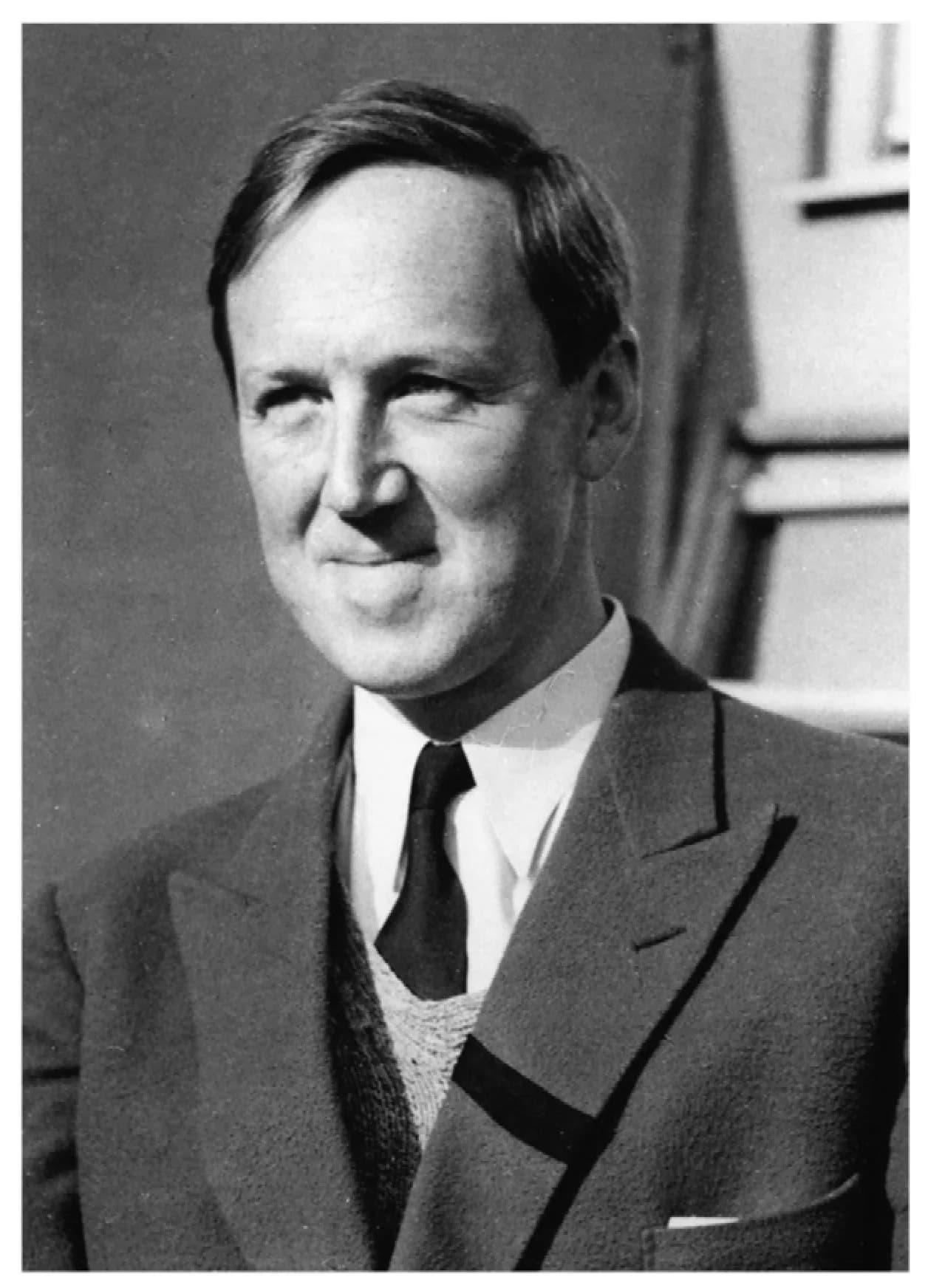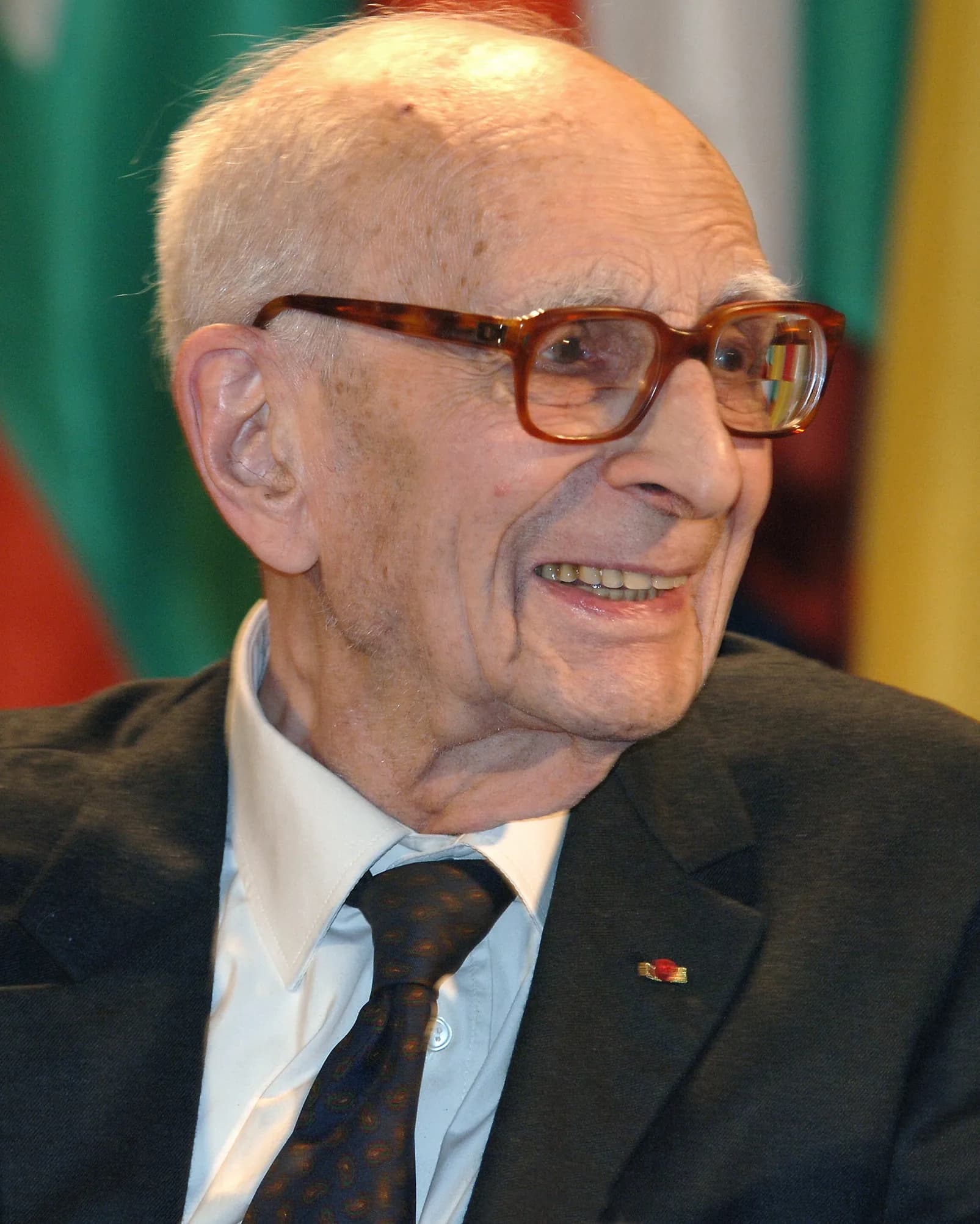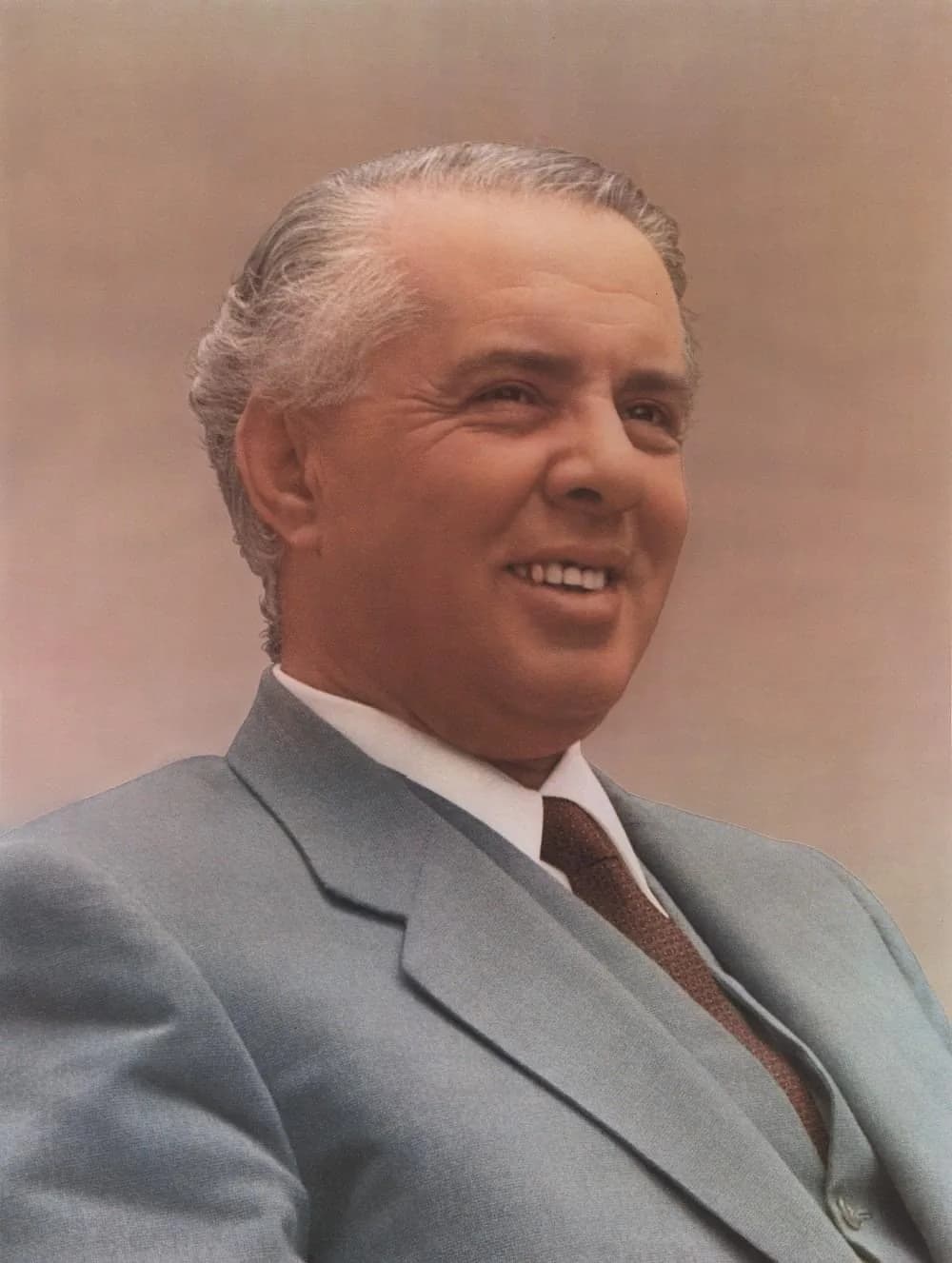
متولد
April 1, 1908
Brooklyn, United States
درگذشته
June 8, 1970
Menlo Park, United States
شناخته شده برای
American psychologist
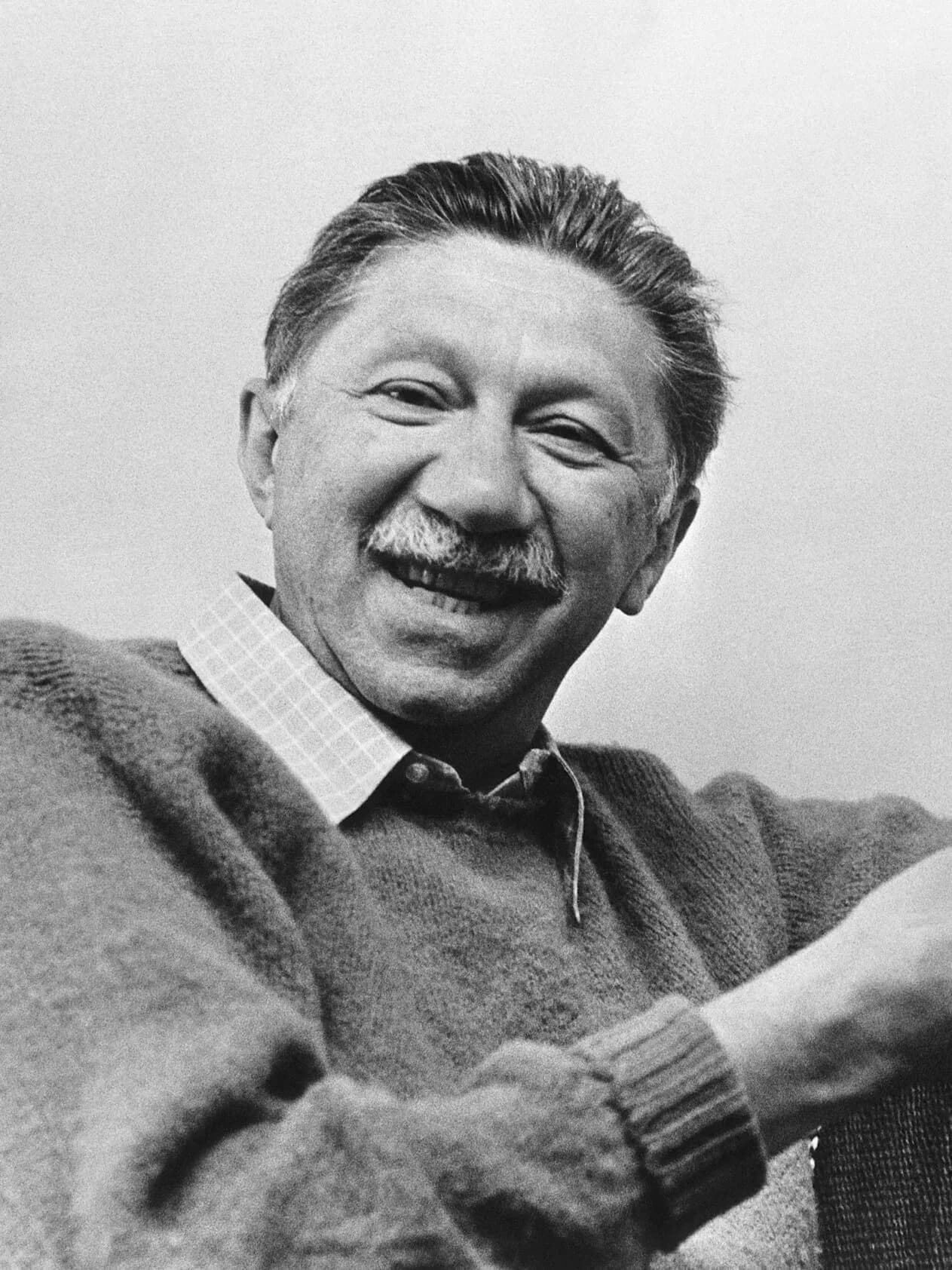
Abraham Maslow (1908–1970) was United States best known for American psychologist.
Abraham Maslow (April 1, 1908 – June 8, 1970) was an American psychologist from Brooklyn, United States. He created Maslow's hierarchy of needs, a theory of psychological health focused on fulfilling innate human needs. His work culminated in the concept of self-actualization, shaping humanistic psychology.
یک زندگی در لحظات
لحظاتی که یک زندگی را شکل دادند
فصل
فصلهای زندگی
فصل 1 · 1908· فصل 1 از 8
Opening Tribute
Abraham Harold Maslow (April 1, 1908 – June 8, 1970) was an American psychologist whose work fundamentally shifted the understanding of human motivation. Born in Brooklyn, United States, and later passing in Menlo Park, United States, he became widely recognized for his influential theory, Maslow's hierarchy of needs. His contributions as a psychologist and university teacher continue to shape psychological thought and practice today.
فصل 2 · 1908· فصل 2 از 8
Early Life and Origins
Abraham Harold Maslow was born on April 1, 1908, in Brooklyn, United States. His formative years in Brooklyn set the stage for his future explorations into human nature and psychological well-being. Although specific details of his family and early upbringing are not provided in the summary, his foundational experiences in this vibrant city likely influenced his perspective.
فصل 3· فصل 3 از 8
Career Beginnings
Maslow embarked on a distinguished career that would see him become a prominent psychologist and university teacher. His early work focused on developing a more optimistic and human-centered approach to psychology. He aimed to understand what motivates individuals beyond basic drives, moving towards higher aspirations and personal growth.
فصل 4· فصل 4 از 8
Major Achievements and Career Highlights
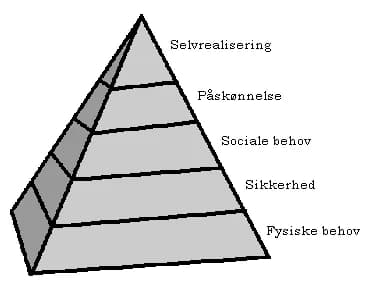
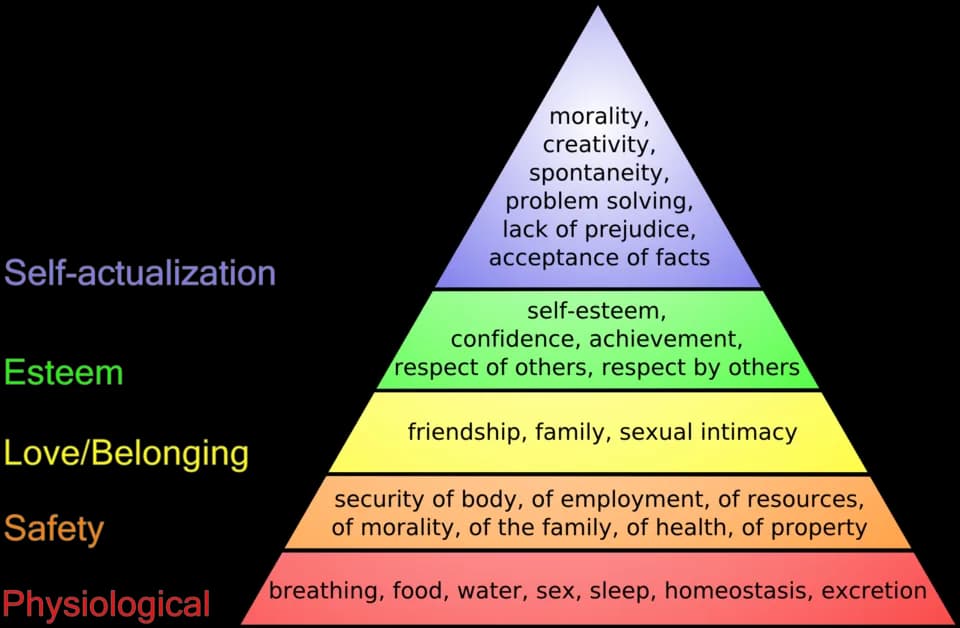
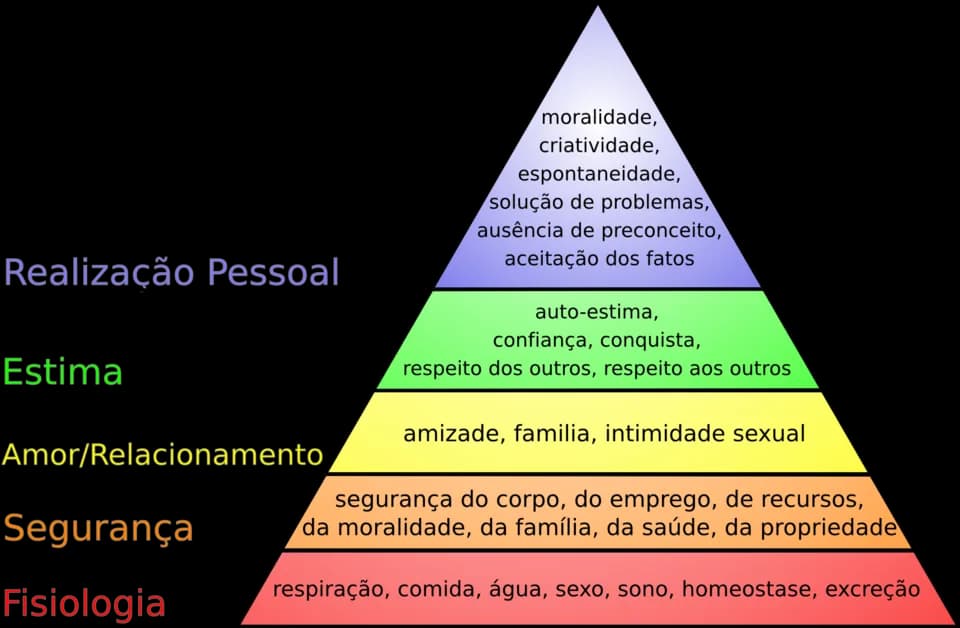
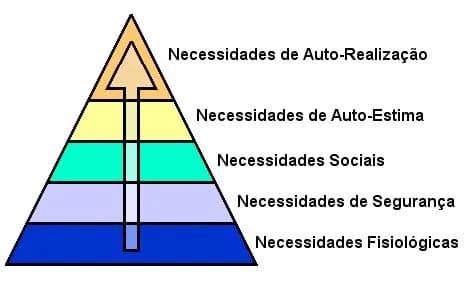
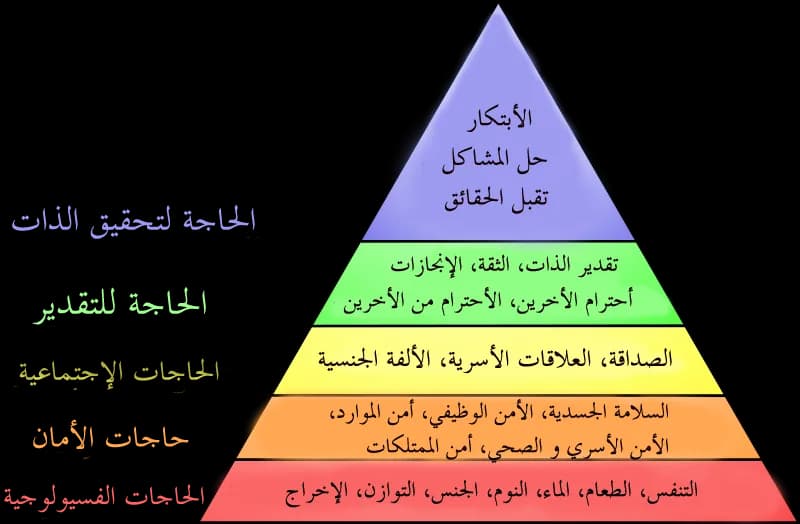
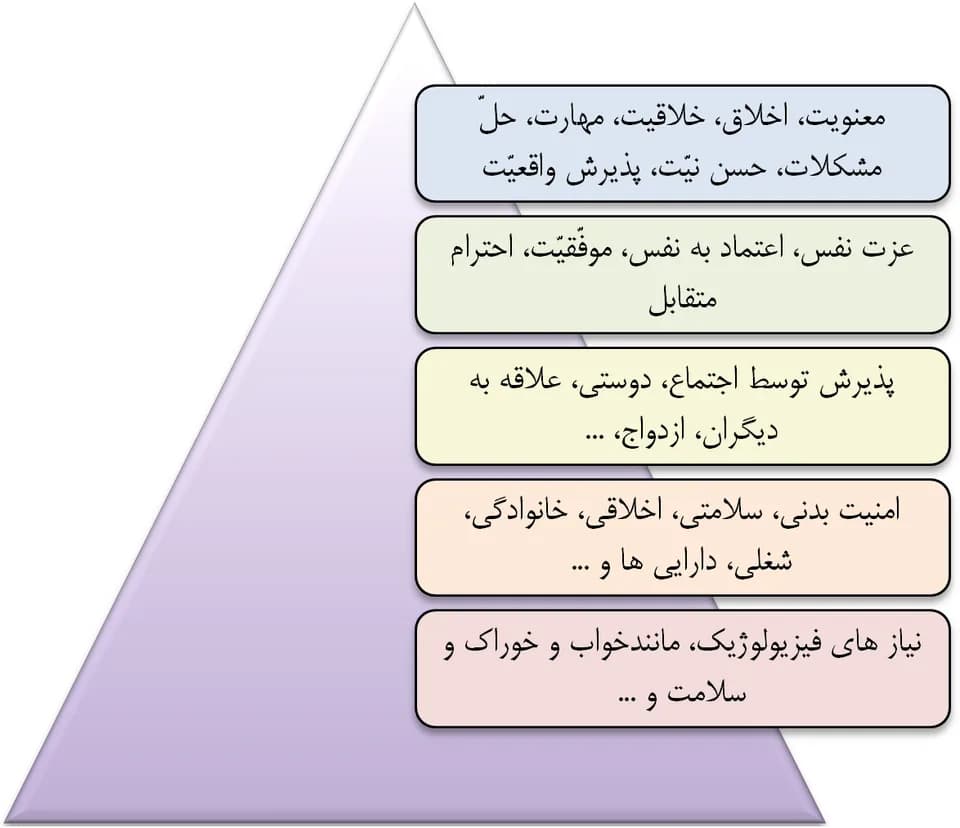
One of Abraham Maslow's most significant achievements was the creation of Maslow's hierarchy of needs. This influential theory posits a pyramid of human needs, starting with basic physiological requirements and progressing to safety, love, esteem, and ultimately, self-actualization. He proposed that psychological health is achieved by fulfilling these innate human needs in a specific priority.
His work on self-actualization became a cornerstone of humanistic psychology, emphasizing the potential for personal growth and the realization of one's full capabilities. Maslow's ideas provided a framework for understanding human motivation that moved beyond purely behavioral or psychoanalytic perspectives. His extensive career as a university teacher allowed him to share these concepts with countless students and colleagues, influencing generations of psychologists.
فصل 5· فصل 5 از 8
Personal Life
Details regarding Abraham Maslow's personal life, beyond his birth and death places, are not extensively documented in the available information. His professional focus on human potential and well-being suggests a deeply empathetic individual. While specific familial relationships or hobbies are not mentioned, his dedication to his work as a psychologist and educator was evident throughout his life.
فصل 6· فصل 6 از 8
Notable Works or Contributions
Abraham Maslow's most notable contribution is undoubtedly his theory, Maslow's hierarchy of needs. This conceptual framework revolutionized the way psychologists and the public understood human motivation and development. It introduced the idea that individuals are driven by a sequence of needs, with higher-level needs becoming prominent only after more basic ones are met.
Beyond the hierarchy, Maslow's broader work championed the concept of self-actualization, defining it as the desire for self-fulfillment and the tendency to become actualized in what one is potentially. This profound idea challenged traditional psychological viewpoints, promoting a more positive and growth-oriented perspective on human nature. His extensive writings as a psychologist laid the foundation for much of humanistic psychology.
فصل 7 · 1970· فصل 7 از 8
Later Years
Abraham Maslow continued his work as a psychologist and educator until his passing on June 8, 1970. He died in Menlo Park, United States, leaving behind a rich legacy of research and theories that continue to inspire. His later years were likely dedicated to refining his theories and observing their impact on the field.
فصل 8· فصل 8 از 8
Legacy and Impact
Abraham Maslow's legacy is profound, particularly within the field of psychology. His hierarchy of needs has become a foundational concept, taught in countless classrooms and applied in various fields, from business management to education. He significantly shaped humanistic psychology, advocating for a focus on human potential, creativity, and the pursuit of higher values.
His emphasis on self-actualization continues to inspire individuals and professionals seeking to understand and foster psychological health. Maslow's work challenged reductionist views of human behavior, offering a more complete and optimistic vision of what it means to be human. He remains a highly regarded figure, remembered for his pioneering efforts to understand the depth of human motivation and aspiration.
پرسش و پاسخ
پرسشهای متداول
Abraham Maslow چه زمانی درگذشت؟
Abraham Maslow در تاریخ ۱۸ خرداد ۱۳۴۹ در Menlo Park, United States درگذشت در سن 62 سالگی.
Abraham Maslow کجا متولد شد؟
Abraham Maslow در Brooklyn, United States در تاریخ ۱۲ فروردین ۱۲۸۷ متولد شد.
Abraham Maslow بیشتر برای چه چیزی شناخته میشود؟
Abraham Maslow بیشتر به خاطر American psychologist شناخته میشود.
Abraham Maslow هنگام مرگ چند سال داشت؟
Abraham Maslow هنگام مرگ 62 ساله بود.
ملیت Abraham Maslow چه بود؟
Abraham Maslow اهل United States بود.
خط زمانی
نگاهی به زندگی
- 1908
Opening Tribute
- 1908
Early Life and Origins
- 1970
Later Years
گالری عکس
یک زندگی در تصاویر
روی هر پولاروید کلیک کنید تا بزرگ شود · 21 عکس
کد QR
اشتراک این زندگینامه
چاپ و اشتراکگذاری
برای بازدید از این صفحه زندگینامه اسکن کنید. برای رویدادها، نمایشگاهها یا مواد آموزشی چاپ کنید.