Jaioa
June 24, 1883
Schloss Waldstein, Austria
Hila
December 17, 1964
Mount Vernon, United States
Ezaugarriak
Austrian physicist and Nobel prize laureate
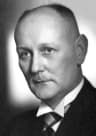
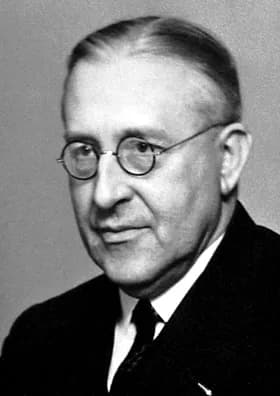
Victor Francis Hess (1883–1964) was Austria best known for Austrian physicist and Nobel prize laureate.
Victor Francis Hess (June 24, 1883 – December 17, 1964) was an Austrian physicist and Nobel prize laureate. He is renowned for his discovery of cosmic rays, for which he shared the 1936 Nobel Prize in Physics. His work significantly advanced astrophysics and particle physics.
0 kapitulua
Bizitzako kapituluak
1 kapitulua · 1883· 1. kapitulua 7tik
Early Life and Origins
Victor Francis Hess began his remarkable life journey on June 24, 1883, in Schloss Waldstein, a historic location in Austria. His early years were spent in his native country, laying the groundwork for his future scientific pursuits. While specific details of his upbringing are not provided, his origins in Austria shaped his initial educational and professional path.
2 kapitulua· 2. kapitulua 7tik
Career Beginnings
Hess embarked on his professional career as a physicist, driven by a deep curiosity about the natural world. He later expanded his roles to include university teaching and extensive research, embodying the spirit of an academic scientist. This foundation in experimental physics and education prepared him for the complex investigations that would define his most famous work. His dedication to understanding the fundamental forces of nature was evident from these early professional engagements.
3 kapitulua· 3. kapitulua 7tik
Major Achievements and Career Highlights
The defining moment of Victor Francis Hess's career was his discovery of cosmic rays. Through meticulous experimental work, he demonstrated the existence of highly penetrating radiation originating from space, a finding that challenged existing scientific paradigms. This discovery profoundly impacted physics, opening an entirely new field of study into high-energy particles.
His exceptional contributions were recognized globally when he shared the 1936 Nobel Prize in Physics with Carl David Anderson. This prestigious award specifically honored Hess "for his discovery of cosmic radiation," cementing his place among the most influential scientists of his era. Hess's work as an Austrian-American experimental physicist revolutionized astrophysics and particle physics, establishing a new frontier for scientific exploration.
4 kapitulua· 4. kapitulua 7tik
Personal Life
While Victor Francis Hess's professional achievements are well-documented, specific details regarding his personal life, family, and individual interests are not extensively provided in available public records. His dedication to his scientific research and academic roles as a university teacher and researcher likely consumed much of his time and focus. However, his eventual transition to an Austrian-American identity suggests a significant personal journey that accompanied his professional evolution.
5 kapitulua· 5. kapitulua 7tik
Notable Works or Contributions
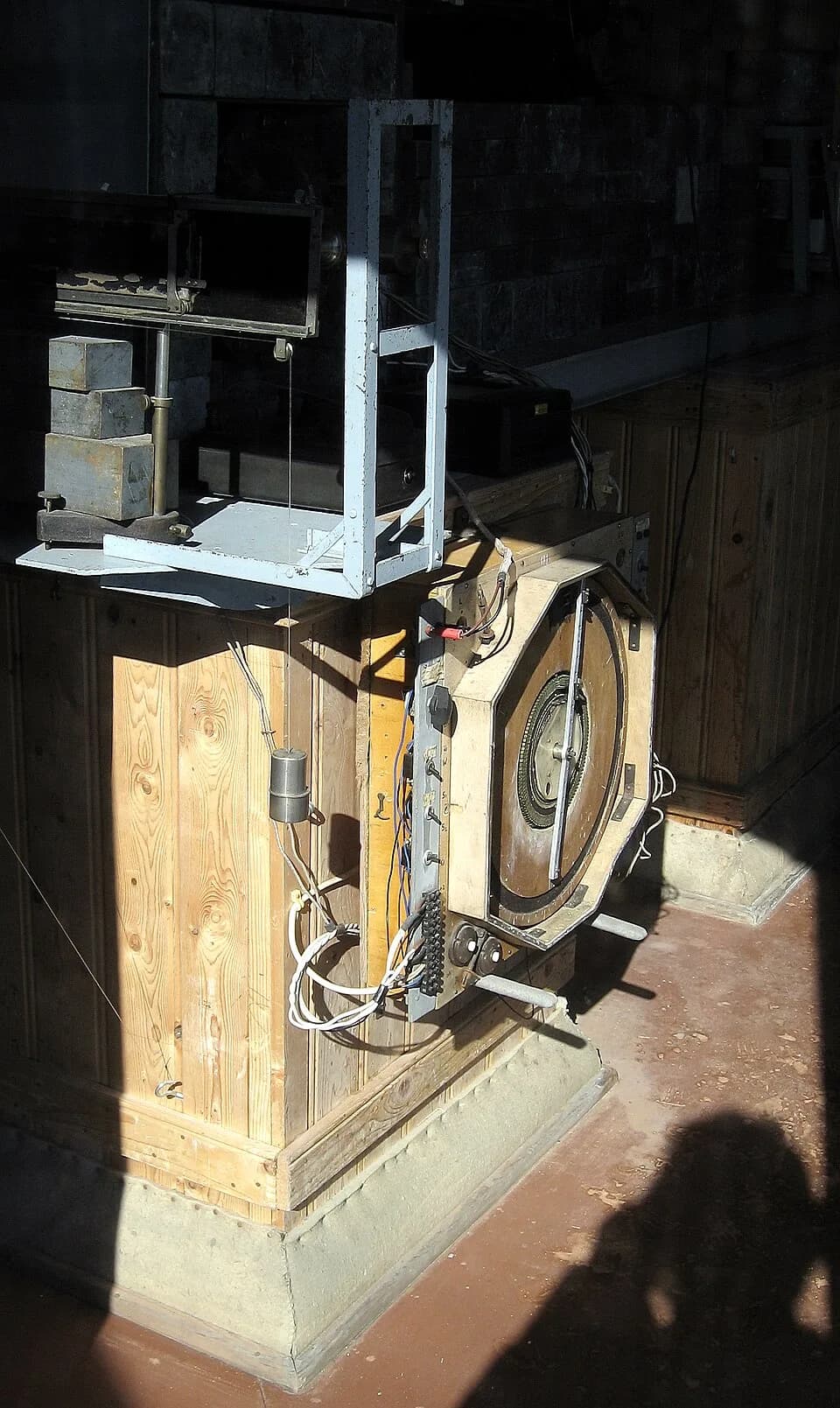
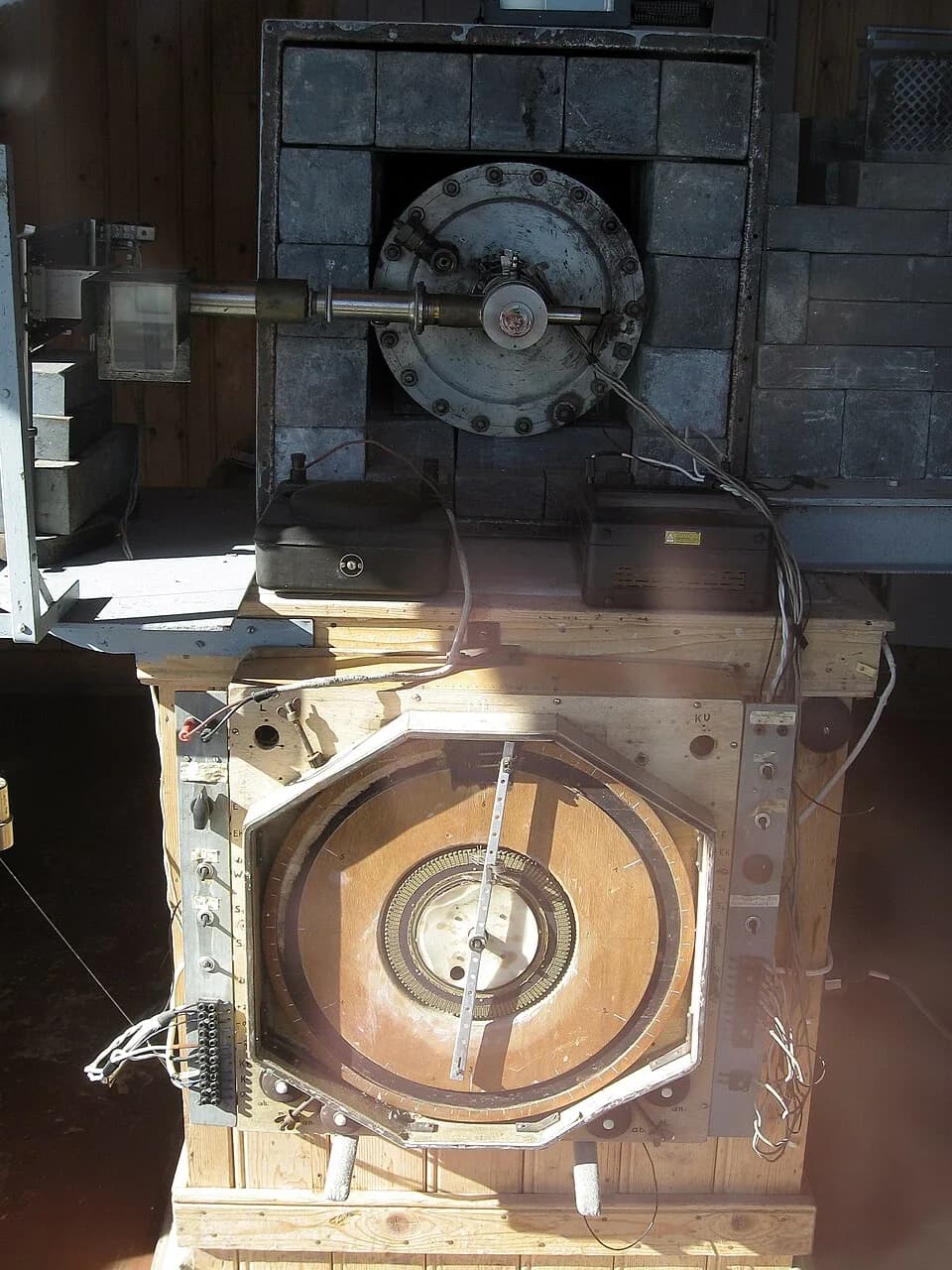
Victor Francis Hess's singular and most notable contribution to science was his seminal discovery of cosmic rays. This experimental triumph involved ascending to high altitudes with specially designed instruments, demonstrating that ionizing radiation increased significantly with altitude. His rigorous methodology and courageous pursuit of answers in challenging conditions yielded insights that forever changed physics. This discovery formed the basis for understanding fundamental particles and high-energy phenomena in the universe, inspiring generations of physicists to probe the cosmos further.
6 kapitulua · 1936· 6. kapitulua 7tik
Later Years
After his Nobel Prize recognition in 1936, Victor Francis Hess continued his work, further contributing to the scientific community. He eventually settled in the United States, becoming an Austrian-American citizen. His long and impactful life concluded on December 17, 1964, in Mount Vernon, United States. Even in his later years, the foundational impact of his cosmic ray discovery continued to resonate and drive new research.
7 kapitulua· 7. kapitulua 7tik
Legacy and Impact
Victor Francis Hess left an enduring legacy that extends far beyond his lifetime. His discovery of cosmic rays provided the first direct evidence of high-energy particles bombarding Earth from space, initiating the field of cosmic ray physics. This revelation not only expanded our comprehension of the universe's composition and dynamics but also paved the way for breakthroughs in particle physics and quantum field theory. His pioneering experimental techniques and profound insights continue to inspire scientists, solidifying his status as a true visionary whose work continues to influence modern astrophysics.
Bizitza uneetan
Bizitza moldatu zuten uneak
Ohiko galderak
Maiz egindako galderak
Noiz hil zen Victor Francis Hess?
Victor Francis Hess 1964(e)ko abenduaren 17(a) hil zen Mount Vernon, United States-n, 81 urte zituela.
Non jaio zen Victor Francis Hess?
Victor Francis Hess Schloss Waldstein, Austria-n jaio zen 1883(e)ko ekainaren 24(a).
Zertarako da ezagunena Victor Francis Hess?
Victor Francis Hess ezagunena da Austrian physicist and Nobel prize laureate-rengatik.
Zenbat urte zituen Victor Francis Hess-k hil zenean?
Victor Francis Hess-k 81 urte zituen hil zenean.
Zer nazionalitatekoa zen Victor Francis Hess?
Victor Francis Hess Austria-koa zen.
Denbora-lerroa
Bizitza begirada batean
Argazki galeria
Bizitza iruditan
Egin klik edozein polaroidetan handitzeko · 39 argazki
QR kodea
Partekatu Biografia Hau
Inprimatu eta partekatu
Eskaneatu biografia orri hau bisitatzeko. Inprimatu ekitaldi, erakusketa edo hezkuntza materialetarako.