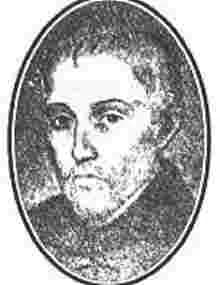
Jaioa
January 1, 1548
Ávila, Spain
Hila
August 27, 1611
Madrid, Spain
Ezaugarriak
Spanish composer (c. 1548 – 1611)
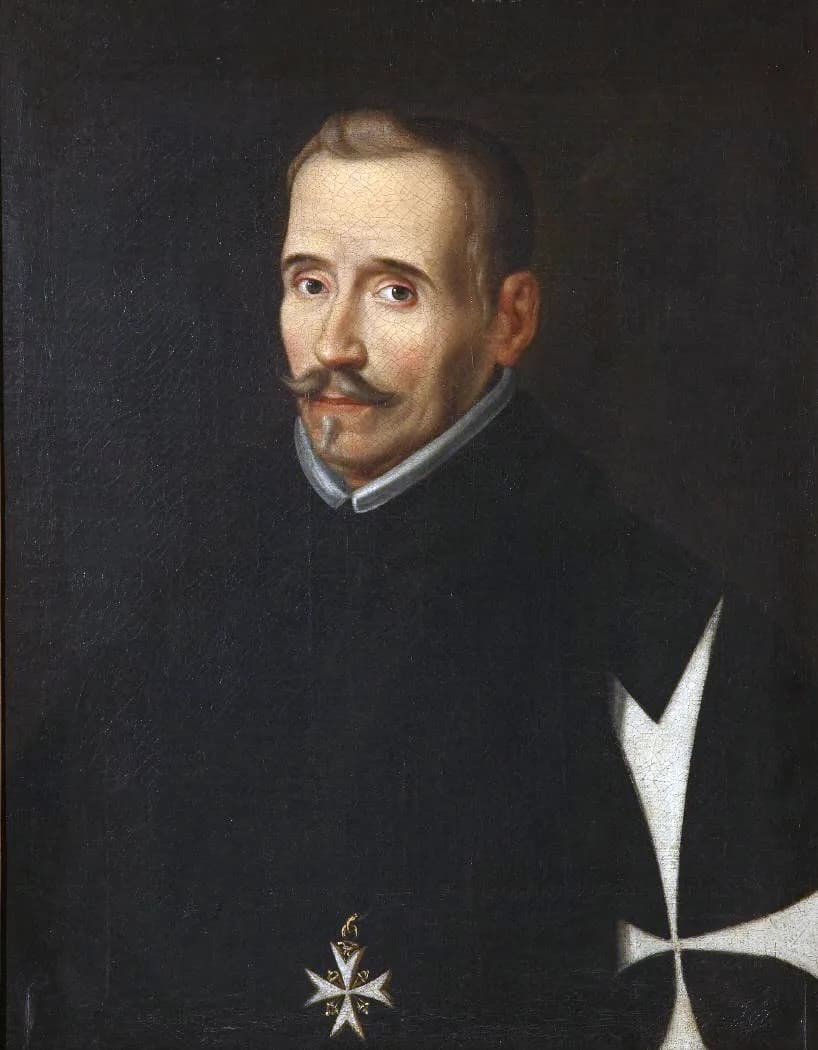
Tomás Luis de Victoria (1548–1611) was Spain best known for Spanish composer (c. 1548 – 1611).
Tomás Luis de Victoria (January 1, 1548 – August 27, 1611) was a Spanish composer of the Renaissance era. He is celebrated as one of the principal composers of the late Renaissance, known for his intensely sacred and polyphonic vocal music. His enduring works continue to be admired.
Bizitza uneetan
Bizitza moldatu zuten uneak





0 kapitulua
Bizitzako kapituluak
1 kapitulua · 1548· 1. kapitulua 7tik
Remembering Tomás Luis de Victoria
Tomás Luis de Victoria (c. 1548 – 1611) was the most famous Spanish composer of the Renaissance. He stands among the principal composers of the late Renaissance, alongside Giovanni Pierluigi da Palestrina and Orlande de Lassus. Victoria's professional life was dedicated to composition, focusing almost exclusively on sacred, polyphonic vocal music set to Latin texts. He was admired above all for the intensity of some of his motets and his Offices for the Dead and for Holy Week.
2 kapitulua · 1548· 2. kapitulua 7tik
Early Life and Origins
Born on January 1, 1548, Tomás Luis de Victoria hailed from Ávila, Spain. This ancient city provided the backdrop for his formative years, influencing his early exposure to the rich spiritual and musical traditions of his homeland. His early life in Ávila would set the stage for a career deeply rooted in sacred music and service.
3 kapitulua· 3. kapitulua 7tik
Career Beginnings
As a Catholic priest, Tomás Luis de Victoria also excelled as an accomplished organist and singer. His career extended across both Spain and Italy, allowing him to absorb diverse musical influences and techniques. Despite his talents as a performer, Victoria's true passion lay in composing, a path he consistently favored throughout his life.
4 kapitulua· 4. kapitulua 7tik
Major Achievements and Career Highlights
Victoria achieved significant recognition as the most celebrated Spanish composer of his era. His artistry was particularly admired for the emotional intensity found in some of his motets, as well as his deeply moving Offices for the Dead and his works created for Holy Week. His singular artistic focus resulted in a surviving body of work almost entirely comprised of sacred polyphonic vocal music.
5 kapitulua· 5. kapitulua 7tik
Notable Works or Contributions
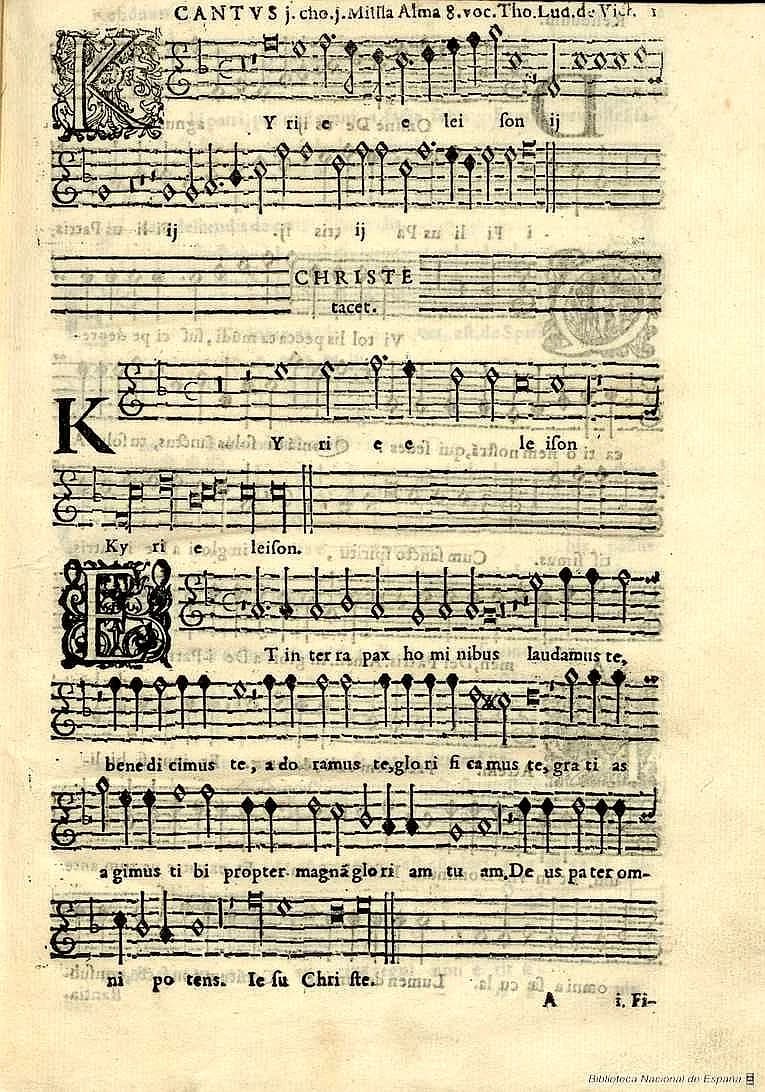
Tomás Luis de Victoria's oeuvre, unique in its almost exclusive dedication to sacred vocal music, reflects his spiritual conviction and musical genius. His compositions were consistently set to Latin texts, aligning with his priestly vocation. This focused approach allowed him to explore the depths of liturgical expression.
His discography highlights a selection of his lasting creations, demonstrating his mastery of the Renaissance classical style. Recordings like "Motets" (2003), "Tenebrae Responsories" (2024), and the historically significant "Requiem Mass sex vocibus" (1968) showcase the spiritual depth and musical sophistication of his compositions. Other cherished works include "O Quam Gloriosum" (1970) and "Ave Maris Stella / O Quam Gloriosum" (1986).
6 kapitulua · 1611· 6. kapitulua 7tik
Later Years
Tomás Luis de Victoria continued to compose and influence the musical world until his passing on August 27, 1611, in Madrid, Spain. His later years were marked by a sustained dedication to his sacred musical craft, leaving behind a rich collection of works that define a significant period in music history. He maintained his creative output, enriching the liturgical traditions of his time with profound compositions.
7 kapitulua· 7. kapitulua 7tik
Legacy and Impact
Tomás Luis de Victoria's legacy firmly establishes him as one of the principal composers of the late Renaissance. His distinctive style and unwavering commitment to sacred vocal music left a lasting imprint on the classical and renaissance genres. Generations of musicians and listeners continue to draw inspiration from his deeply spiritual and technically refined compositions, which remain a cornerstone of Spanish Renaissance musical heritage.
Ohiko galderak
Maiz egindako galderak
Noiz hil zen Tomás Luis de Victoria?
Tomás Luis de Victoria 1611(e)ko abuztuaren 27(a) hil zen Madrid, Spain-n, 63 urte zituela.
Non jaio zen Tomás Luis de Victoria?
Tomás Luis de Victoria Ávila, Spain-n jaio zen 1548(e)ko urtarrilaren 1(a).
Zertarako da ezagunena Tomás Luis de Victoria?
Tomás Luis de Victoria ezagunena da Spanish composer (c. 1548 – 1611)-rengatik.
Zenbat urte zituen Tomás Luis de Victoria-k hil zenean?
Tomás Luis de Victoria-k 63 urte zituen hil zenean.
Zer nazionalitatekoa zen Tomás Luis de Victoria?
Tomás Luis de Victoria Spain-koa zen.
Denbora-lerroa
Bizitza begirada batean
Argazki galeria
Bizitza iruditan
Egin klik edozein polaroidetan handitzeko · 14 argazki
QR kodea
Partekatu Biografia Hau
Inprimatu eta partekatu
Eskaneatu biografia orri hau bisitatzeko. Inprimatu ekitaldi, erakusketa edo hezkuntza materialetarako.