Jaioa
January 10, 1916
Stockholm, Sweden
Hila
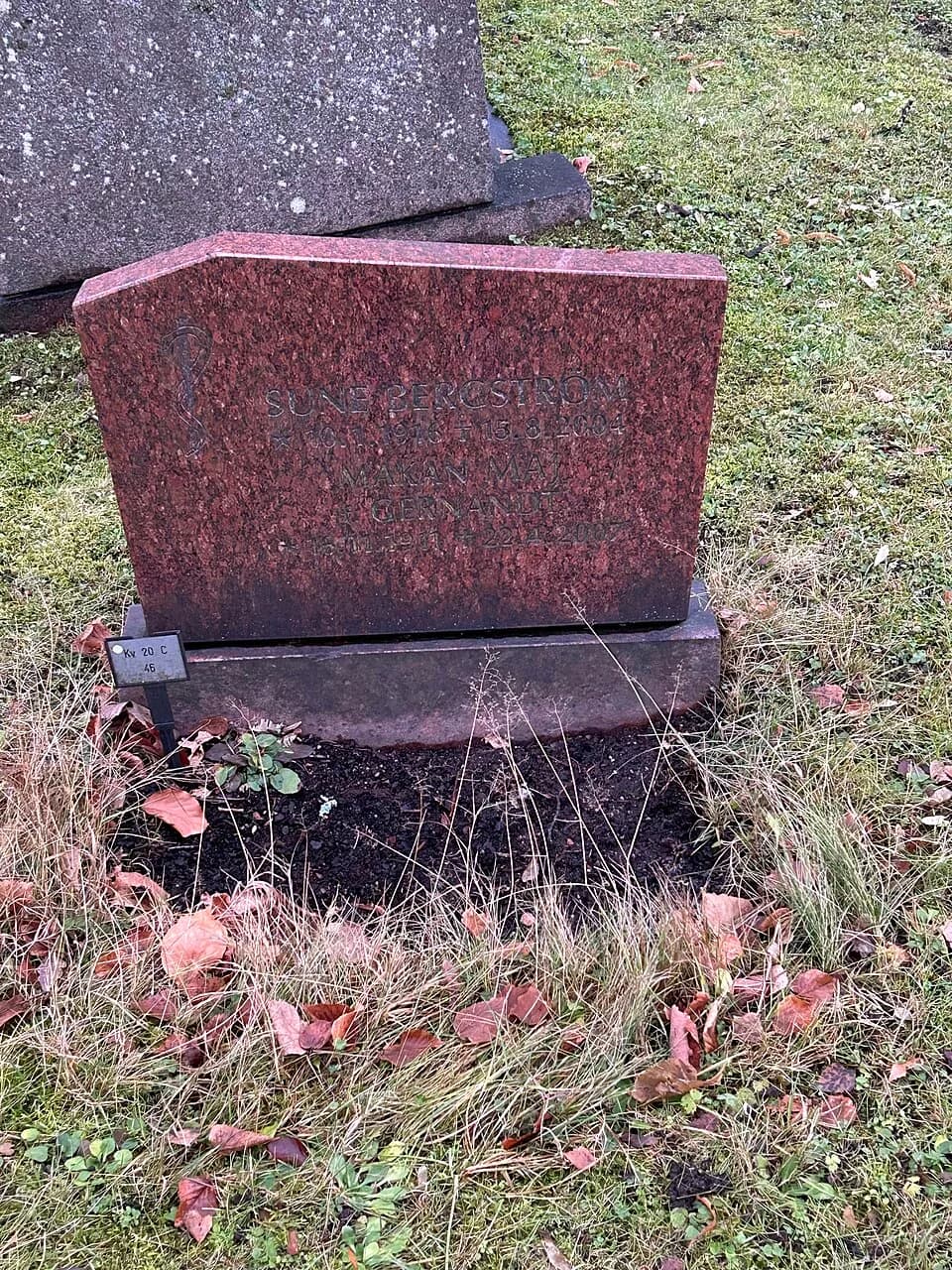
August 15, 2004
Stockholm, Sweden
Ezaugarriak
Swedish biochemist
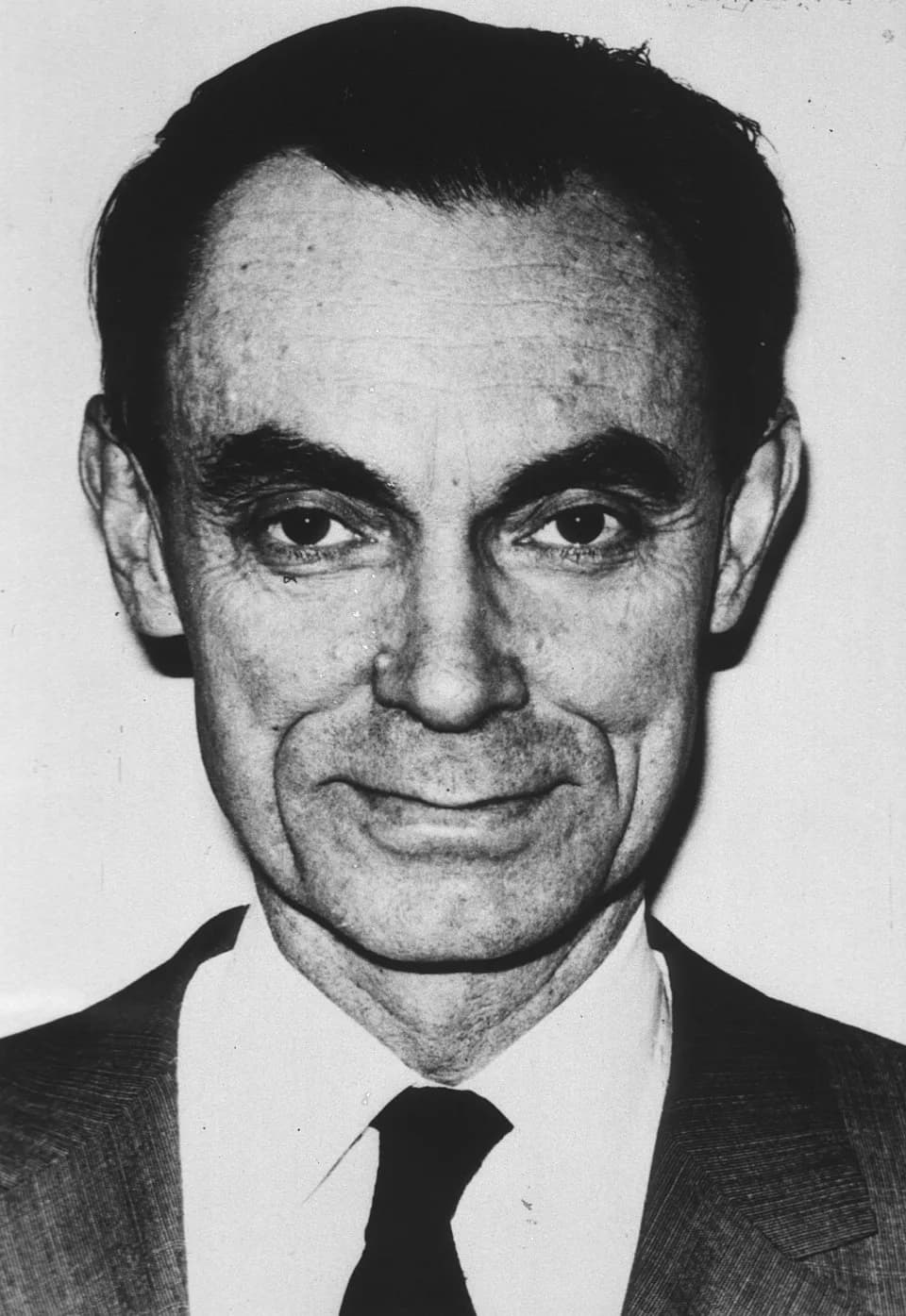
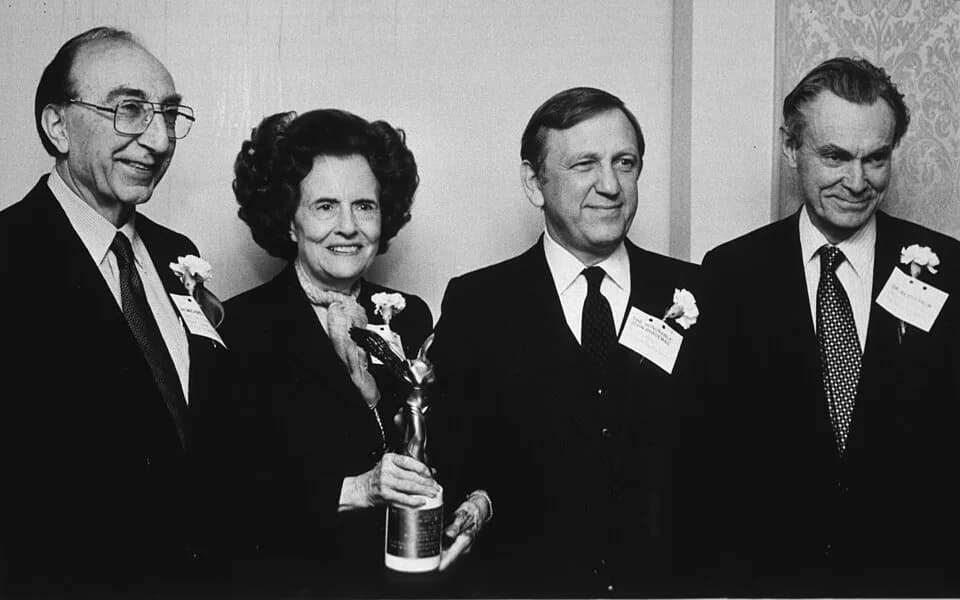
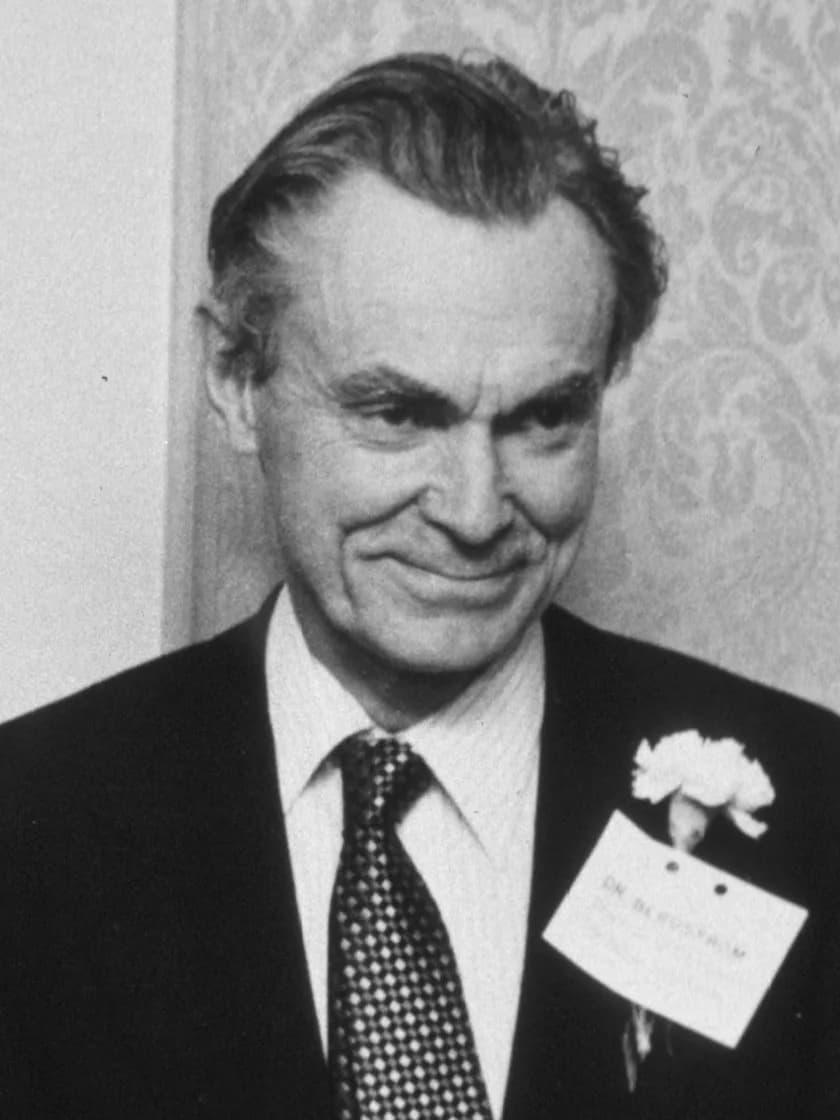
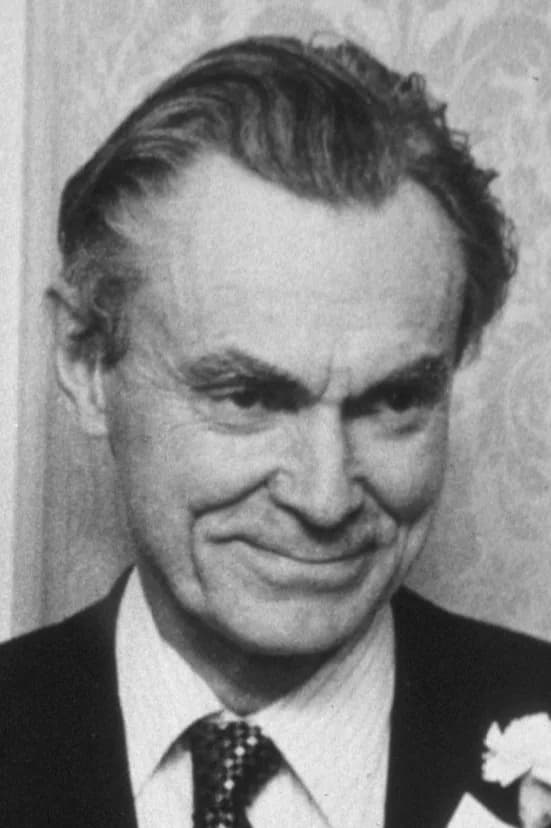
Sune Bergström (1916–2004) was Sweden best known for Swedish biochemist.
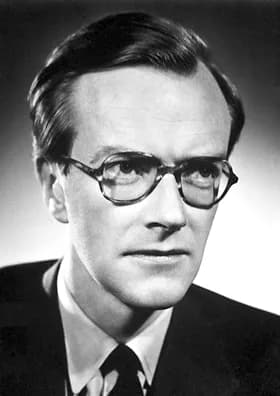
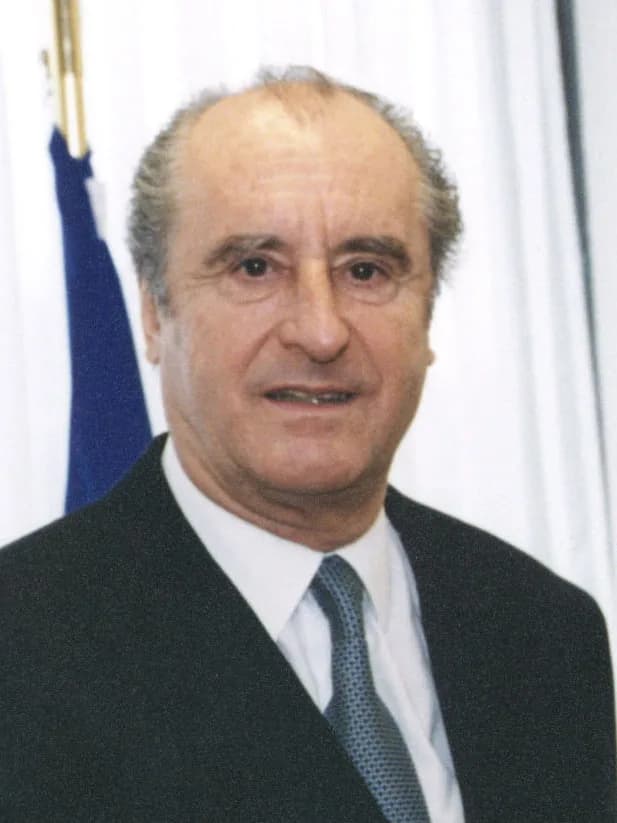
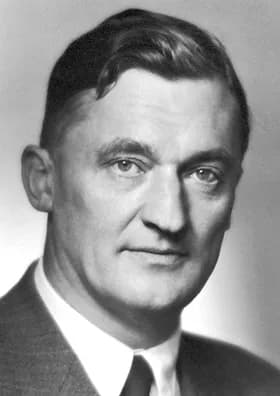
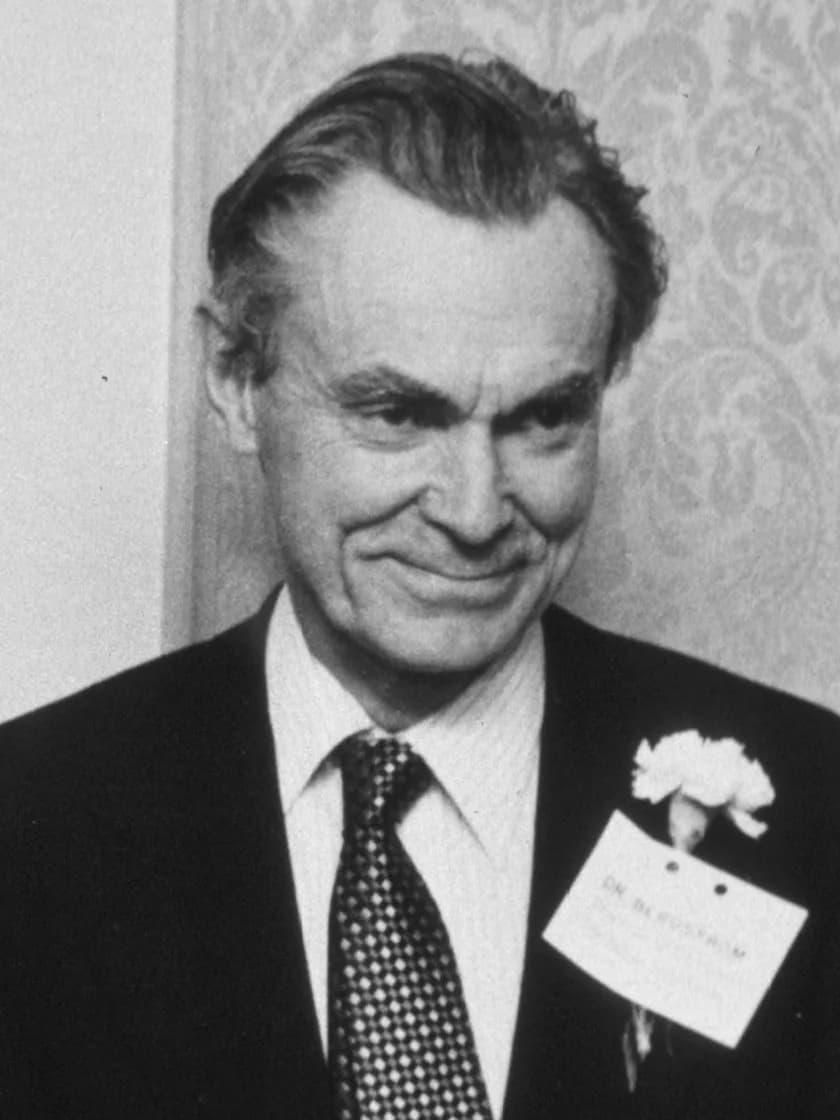
Karl Sune Detlof Bergström (January 10, 1916 – August 15, 2004) was a Swedish biochemist. He shared the Nobel Prize in Physiology or Medicine in 1982 for discoveries concerning prostaglandins. His research greatly influenced medical science and led to new pharmaceutical developments.
Bizitza uneetan
Bizitza moldatu zuten uneak
0 kapitulua
Bizitzako kapituluak
1 kapitulua · 1916· 1. kapitulua 7tik
Opening
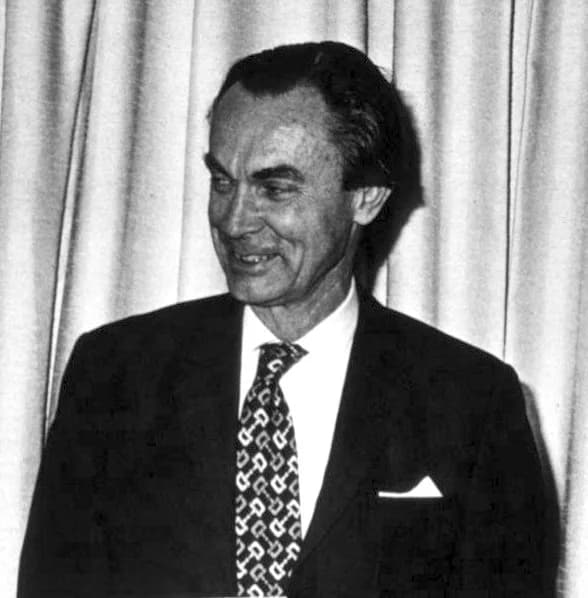
Sune Bergström (January 10, 1916 – August 15, 2004) was a distinguished Swedish biochemist whose pioneering work significantly advanced our understanding of prostaglandins and related substances. His dedicated research in this complex field earned him international acclaim, culminating in a shared Nobel Prize in Physiology or Medicine in 1982. Bergström's important contributions left a lasting mark on medical science and continue to influence biological research today.
2 kapitulua · 1916· 2. kapitulua 7tik
Early Life and Origins
Karl Sune Detlof Bergström was born on January 10, 1916, in the vibrant city of Stockholm, Sweden. His formative years in the Swedish capital laid the essential groundwork for a future devoted to scientific discovery and rigorous academic pursuit. He remained deeply connected to his roots, eventually passing away in his birthplace, Stockholm, after a lifetime of impactful work.
3 kapitulua· 3. kapitulua 7tik
Career Beginnings
Bergström embarked on his scientific career as a chemist, gradually specializing and establishing himself as a prominent biochemist. His early investigations were focused on critical biological processes, setting the stage for his significant later discoveries. This initial period of dedicated research solidified his reputation as a diligent and insightful scientist.
4 kapitulua · 1975· 4. kapitulua 7tik
Major Achievements and Career Highlights
In 1975, Sune Bergström received the prestigious Louisa Gross Horwitz Prize from Columbia University, an honor he shared with his collaborator, Bengt I. Samuelsson. This significant recognition underscored the growing importance of their shared scientific contributions to the global medical community. The same year, his expertise was acknowledged through his appointment to the Nobel Foundation Board of Directors in Sweden, a role reflecting his esteemed standing.
The pinnacle of Bergström's illustrious career arrived in 1982 when he was jointly awarded the Nobel Prize in Physiology or Medicine. He shared this globally recognized honor with Bengt I. Samuelsson and John R. Vane for their extraordinary discoveries concerning prostaglandins and related substances. This pioneering research unveiled new pathways in understanding physiological processes and disease mechanisms.
5 kapitulua · 1977· 5. kapitulua 7tik
Notable Works or Contributions
Sune Bergström was a highly productive academic, boasting an h-index of 29 and authoring over 100 scientific papers during his career. His extensive body of work played a crucial role in advancing the understanding of complex biological molecules and their functions. A notable publication from 1977, "Development of a vaginal suppository suitable for single administration for interruption of second trimester pregnancy," garnered 53 citations for its practical implications.
His Nobel Lecture, delivered in 1983 and titled "The Prostaglandins: From the Laboratory to the Clinic," is another highly cited work with 37 citations, offering deep insights into his research journey and findings. Further demonstrating his clinical focus, he published "Plasma levels of 9-deoxo-16,16-dimethyl-9-methylene-PGE2 in connection with its development as an abortifacient" in 1982, accumulating 17 citations. Other key papers included "Prostaglandins from bedside observation to a family of drugs" (1981, 15 citations) and the posthumously published "Lipoxidase and the Autoxidation of Unsaturated Fatty Acids" (2006, 4 citations).
6 kapitulua · 2004· 6. kapitulua 7tik
Later Years
Sune Bergström maintained his engagement with the scientific community throughout his later life. He peacefully passed away on August 15, 2004, in Stockholm, Sweden, the very city where his notable journey began. His death marked the close of a long and influential career dedicated to the advancement of biochemistry.
7 kapitulua· 7. kapitulua 7tik
Legacy and Impact
Bergström's seminal discoveries regarding prostaglandins fundamentally reshaped medical understanding, opening avenues for novel therapeutic strategies. His collaborative work with Samuelsson and Vane led directly to the development of a new family of drugs, revolutionizing treatment for various conditions. He is rightly remembered as a visionary biochemist whose scientific insights continue to inspire and inform medical research and practice worldwide. His findings established a new era in pharmacological innovation.
Ohiko galderak
Maiz egindako galderak
Noiz hil zen Sune Bergström?
Sune Bergström 2004(e)ko abuztuaren 15(a) hil zen Stockholm, Sweden-n, 88 urte zituela.
Non jaio zen Sune Bergström?
Sune Bergström Stockholm, Sweden-n jaio zen 1916(e)ko urtarrilaren 10(a).
Zertarako da ezagunena Sune Bergström?
Sune Bergström ezagunena da Swedish biochemist-rengatik.
Zenbat urte zituen Sune Bergström-k hil zenean?
Sune Bergström-k 88 urte zituen hil zenean.
Zer nazionalitatekoa zen Sune Bergström?
Sune Bergström Sweden-koa zen.
Denbora-lerroa
Bizitza begirada batean
Argazki galeria
Bizitza iruditan
Egin klik edozein polaroidetan handitzeko · 23 argazki
QR kodea
Partekatu Biografia Hau
Inprimatu eta partekatu
Eskaneatu biografia orri hau bisitatzeko. Inprimatu ekitaldi, erakusketa edo hezkuntza materialetarako.