Jaioa
April 27, 1791
Charlestown, United States
Hila
April 2, 1872
Manhattan, United States
Ezaugarriak
American inventor and painter
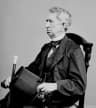
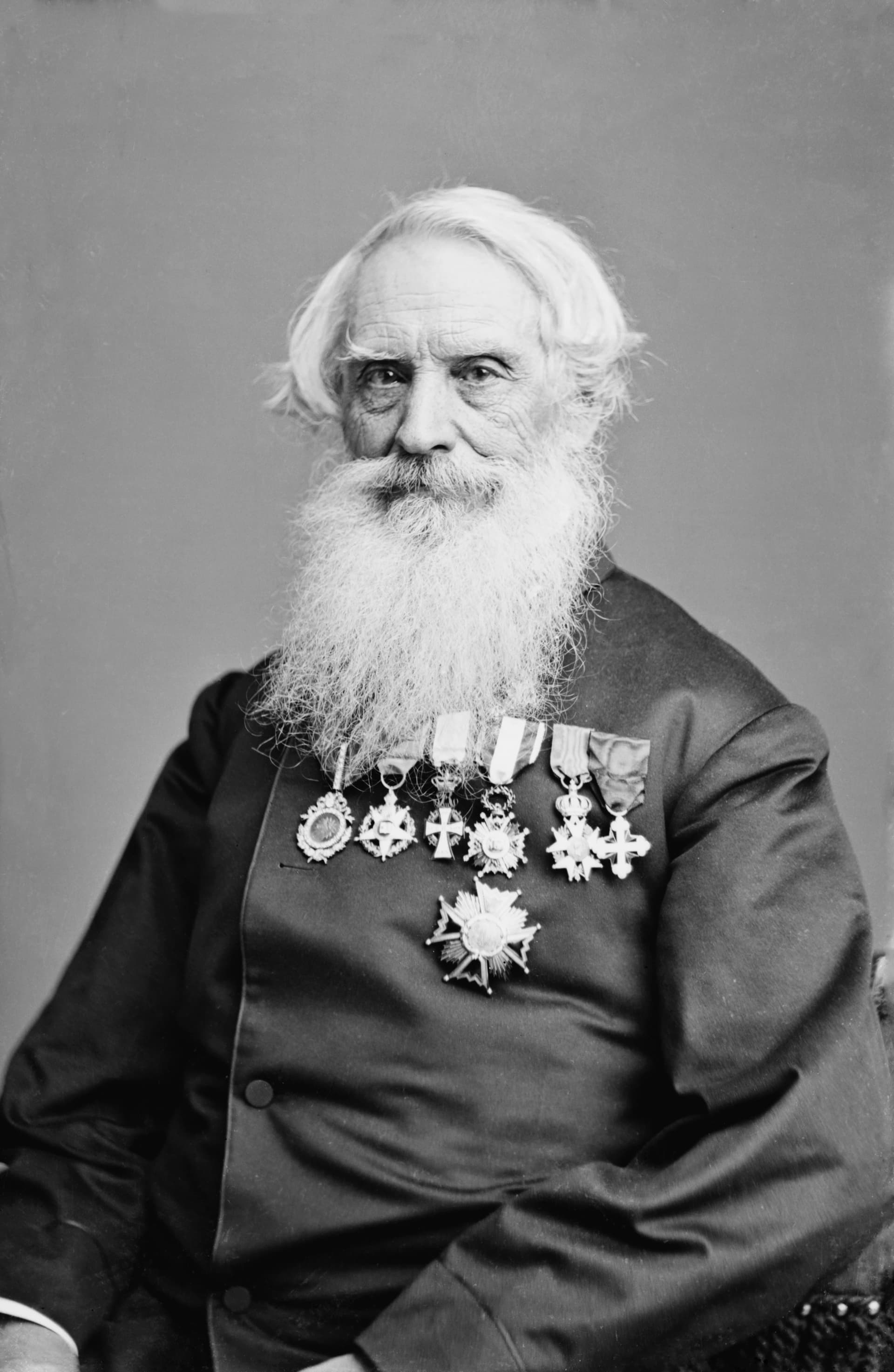
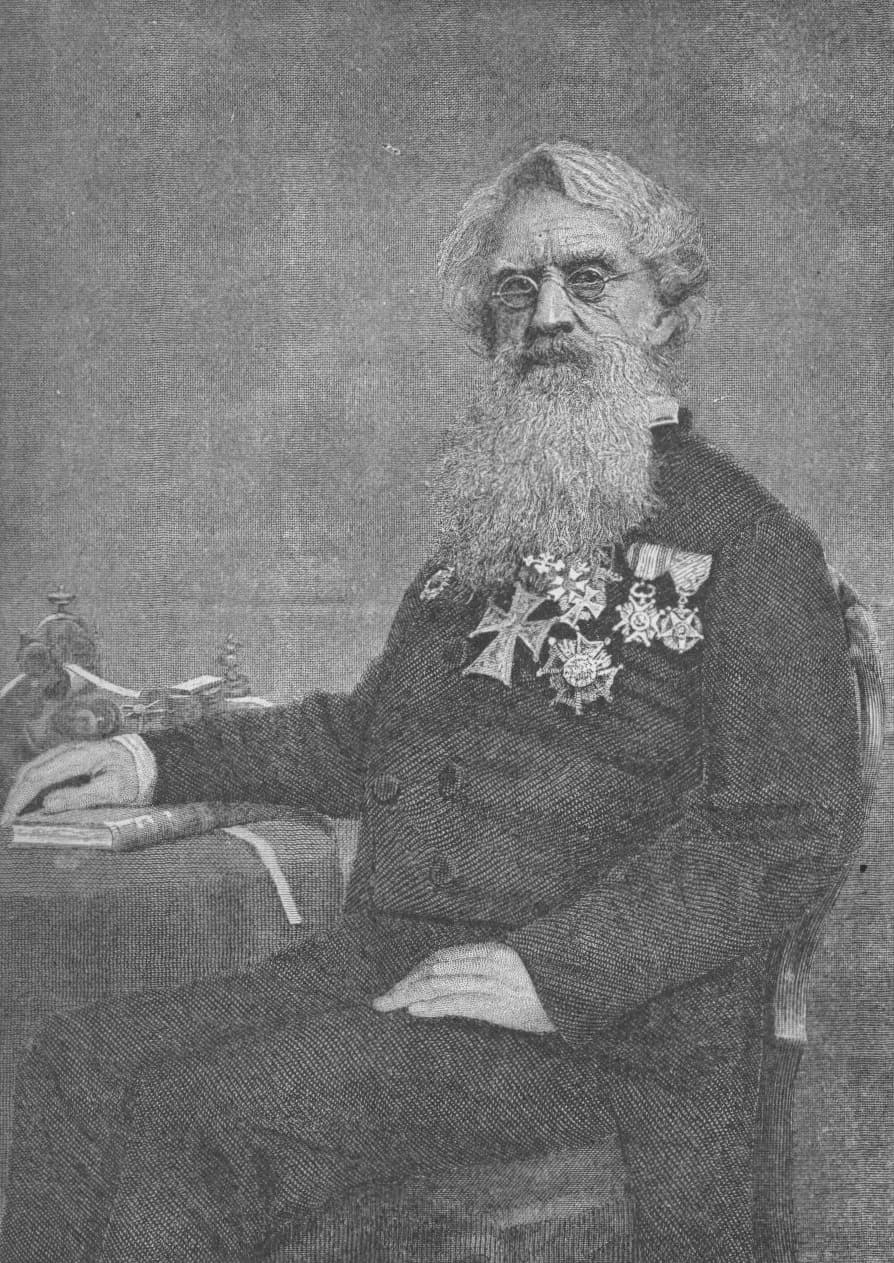
Samuel Finley Breese Morse (1791–1872) was United States best known for American inventor and painter.
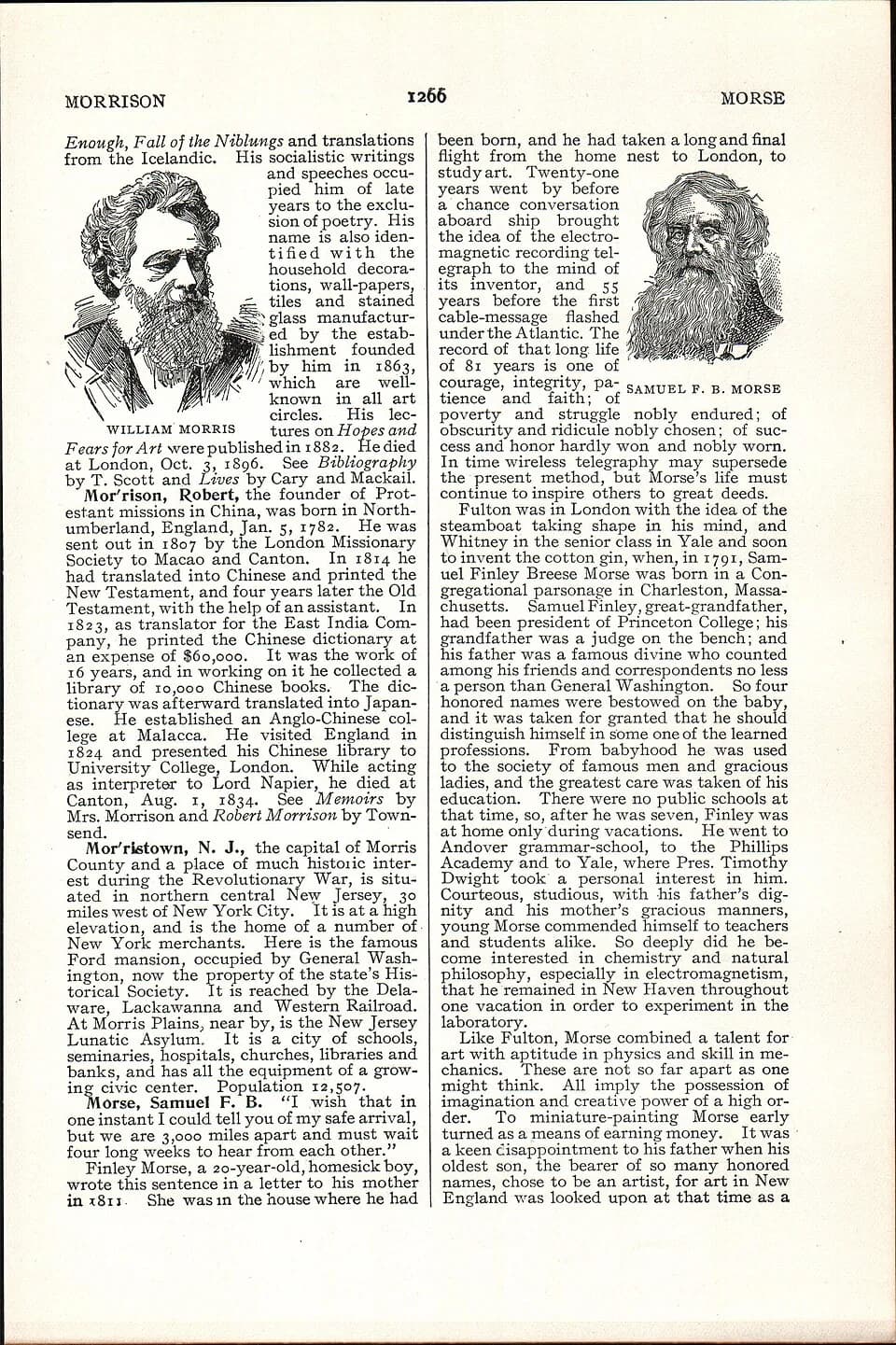
Samuel Finley Breese Morse (April 27, 1791 – April 2, 1872) was an American inventor and painter from Charlestown, United States. He contributed to the invention of the single-wire telegraph system and co-developed Morse code in 1837. His work revolutionized long-distance communication, making him a central figure in technological history.
0 kapitulua
Bizitzako kapituluak
1 kapitulua · 1791· 1. kapitulua 5tik
Early Life and Artistic Foundations
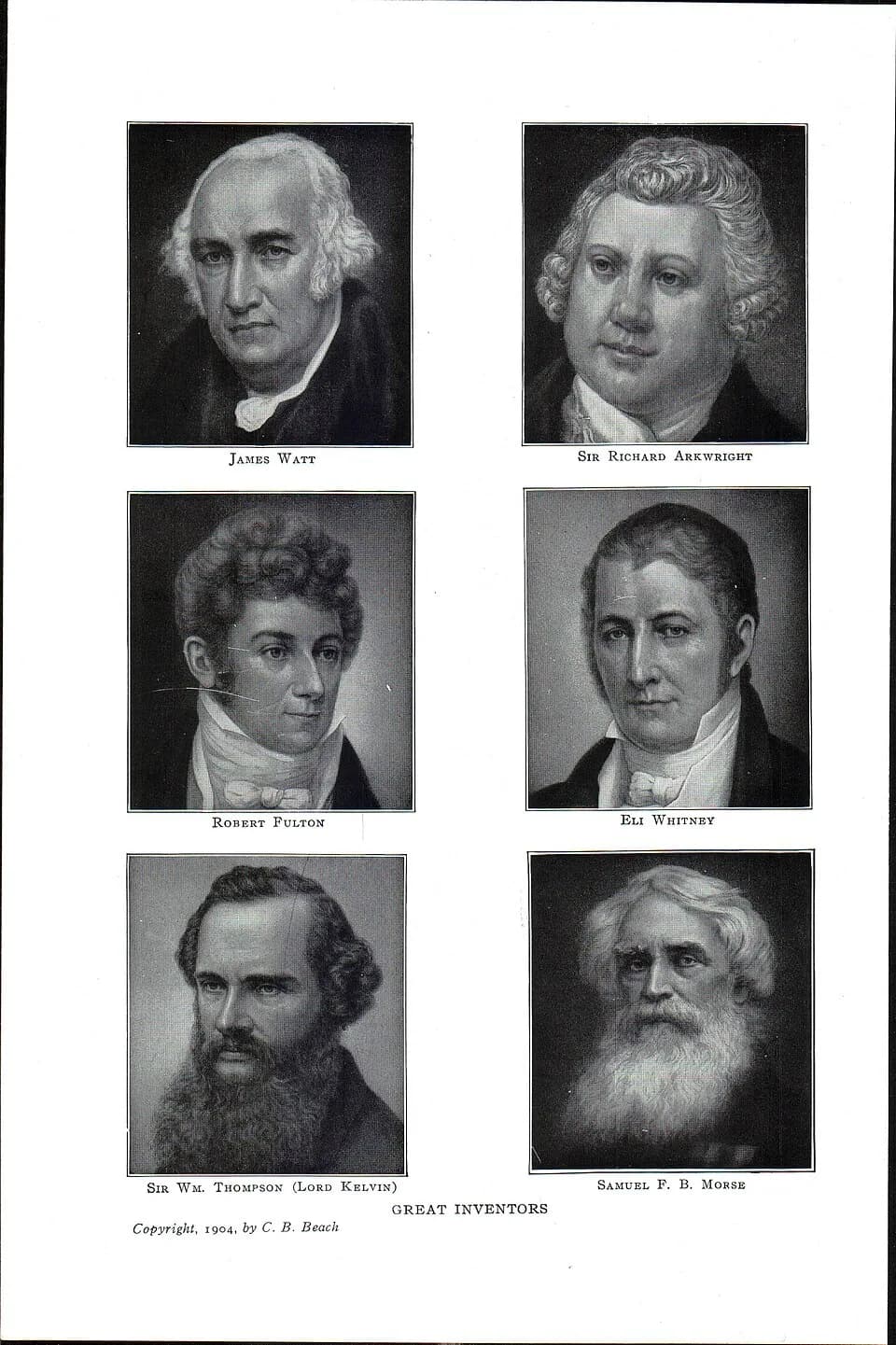
Born on April 27, 1791, in Charlestown, United States, Samuel Finley Breese Morse demonstrated an early aptitude for the arts. His initial career path firmly established him in the world of painting. He dedicated his early professional years to mastering portraiture.
Morse quickly gained a reputation as a distinguished portrait painter. Through his artistic endeavors, he captured the likenesses of many notable figures of his time. This phase of his life was crucial in building his public profile and honing his skills in observation and detail.
2 kapitulua· 2. kapitulua 5tik
A Shift to Invention: The Telegraph's Genesis
In his middle age, Samuel Morse's interests began to broaden beyond fine art, drawing him into the emerging field of electrical communication. He contributed significantly to the invention of a single-wire telegraph system. This innovative system was inspired by his awareness of existing European telegraphic developments.
His dedication to this new pursuit marked a significant turn in his career. Morse saw the immense potential for rapid, long-distance communication. This vision would ultimately transform global interaction and information exchange.
3 kapitulua · 1837· 3. kapitulua 5tik
The Birth of Morse Code and Commercial Telegraphy
A crowning achievement in Morse's inventive career was his co-development and namesake contribution to Morse code in 1837. This standardized system of dots and dashes provided a practical method for encoding text for telegraphic transmission. It quickly became the language of the telegraph, enabling efficient communication across vast distances.
Beyond the invention itself, Samuel Morse was instrumental in developing the commercial use of telegraphy. He worked tirelessly to establish the infrastructure and convince the public and governments of the technology's practicality and economic benefits. His efforts helped usher in an era of instant communication that revolutionized business, journalism, and personal correspondence.
4 kapitulua· 4. kapitulua 5tik
Diverse Pursuits and Notable Contributions
Samuel F.B. Morse was a man of many talents, engaging in a variety of professions throughout his lifetime. In addition to being an inventor and painter, his career spanned roles as a physicist, author, photographer, artist, sculptor, and university teacher. This broad range of expertise showcases his intellectual curiosity and diverse capabilities.
His artistic legacy includes the notable painting "Portrait of a Gentleman," completed between 1822 and 1829, which is housed at the Art Institute of Chicago (AIC). As an author, his bibliography includes significant works such as "The electric telegraph," and "Electro-magnetic telegraph." He also penned several treatises reflecting on societal issues, including "Fine arts," "Imminent dangers to the free institutions of the United States through foreign immigration, and the present state of the naturalization laws," "Foreign conspiracy against the United States," "Our liberties defended," "An argument on the ethical position of slavery in the social system, and its relation to the politics of the day," and "The present attempt to dissolve the American union." These writings provide insight into his views on various aspects of American life and politics during his era.
5 kapitulua · 1872· 5. kapitulua 5tik
Later Life and Enduring Legacy
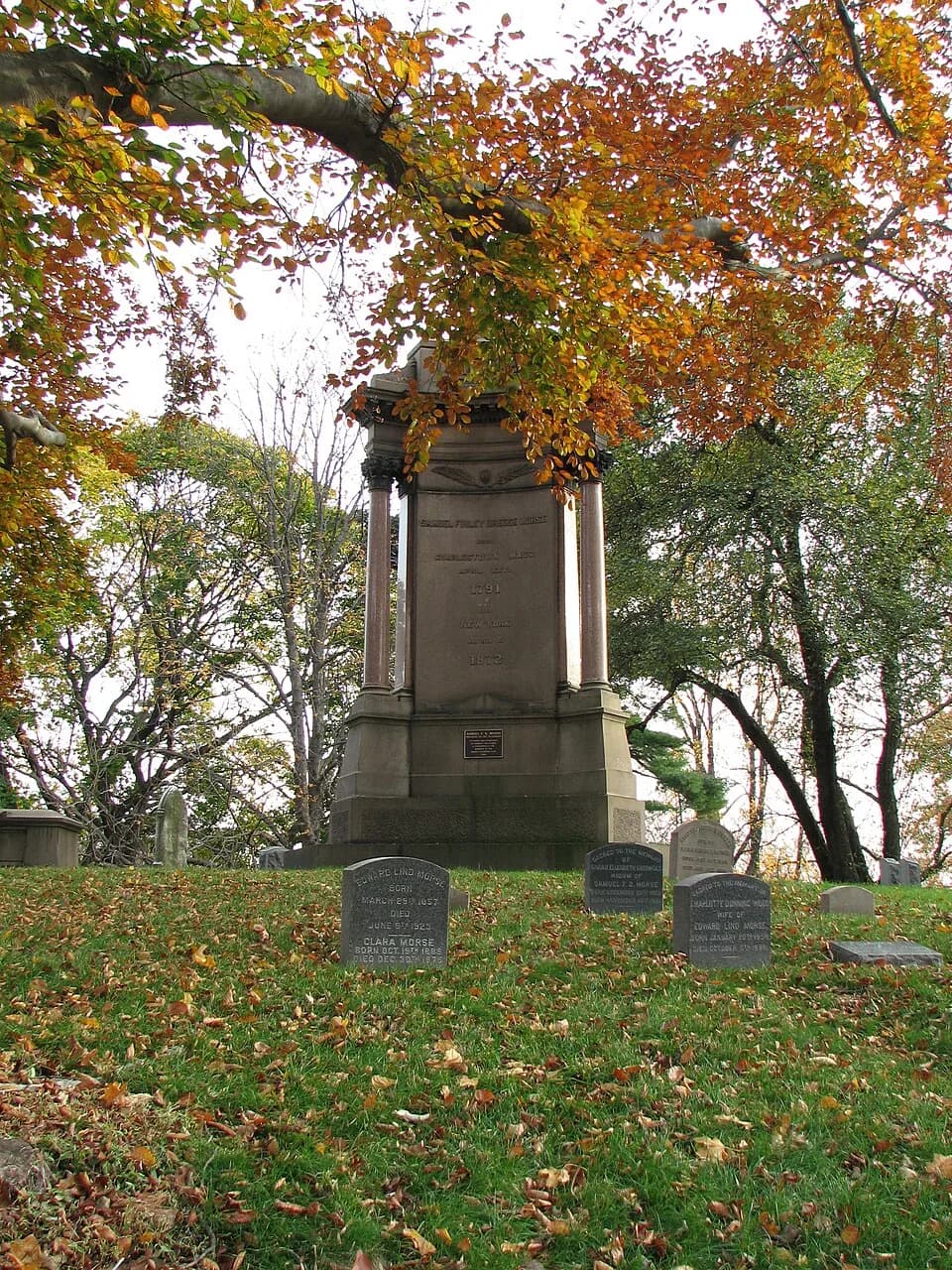
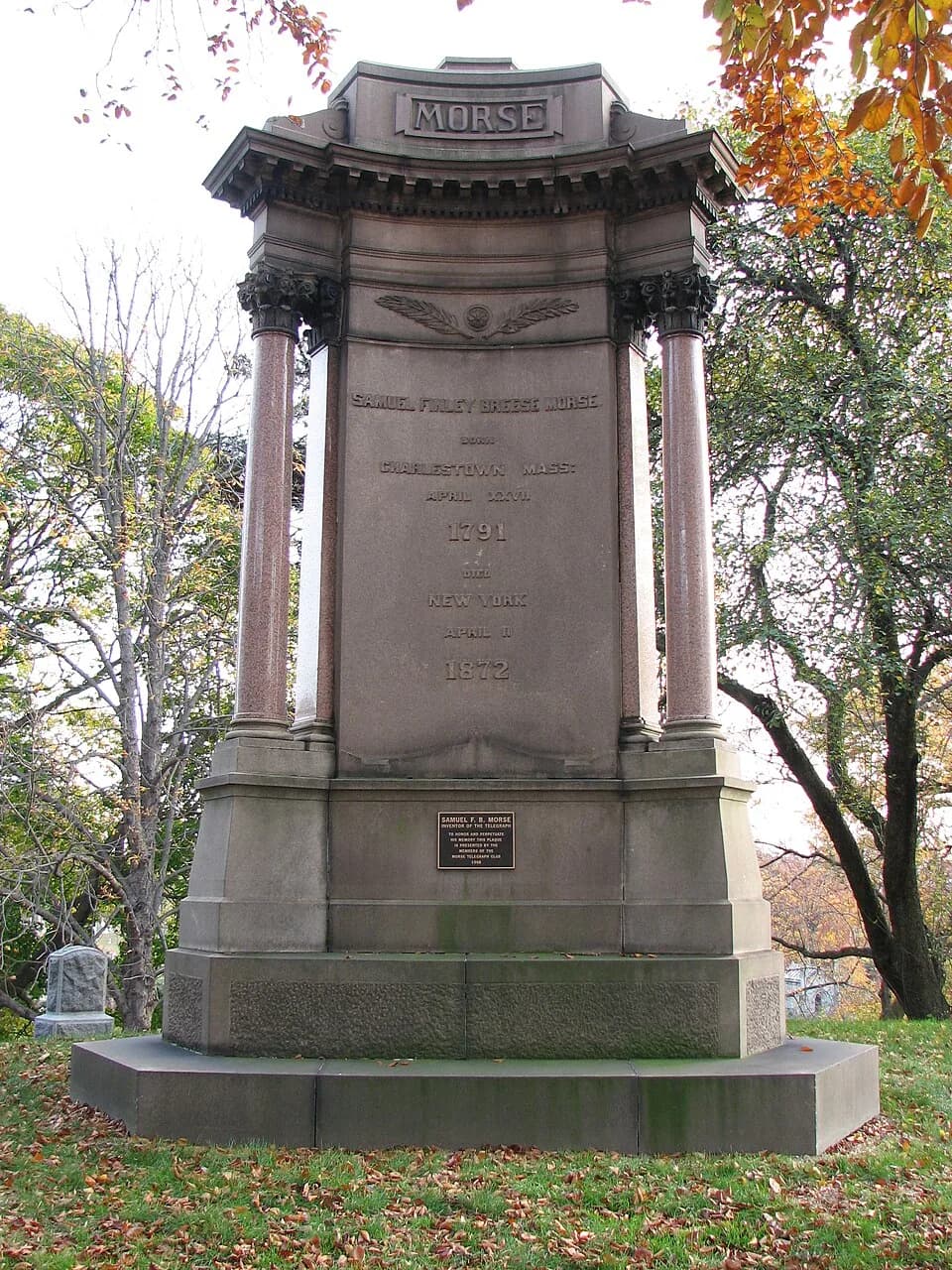
Samuel Finley Breese Morse passed away on April 2, 1872, in Manhattan, United States. His death marked the end of a life filled with innovation and artistic expression. He lived to see the widespread adoption and transformative power of his telegraphic inventions.
The legacy of Samuel Morse continues to resonate globally. The telegraph and Morse code fundamentally altered the speed and scope of communication, setting the stage for future technological advancements. His pioneering spirit as both an artist and an inventor ensures his place as a pivotal figure in American history, remembered for connecting the world.
Bizitza uneetan
Bizitza moldatu zuten uneak
Ohiko galderak
Maiz egindako galderak
Noiz hil zen Samuel Finley Breese Morse?
Samuel Finley Breese Morse 1872(e)ko apirilaren 2(a) hil zen Manhattan, United States-n, 80 urte zituela.
Non jaio zen Samuel Finley Breese Morse?
Samuel Finley Breese Morse Charlestown, United States-n jaio zen 1791(e)ko apirilaren 27(a).
Zertarako da ezagunena Samuel Finley Breese Morse?
Samuel Finley Breese Morse ezagunena da American inventor and painter-rengatik.
Zenbat urte zituen Samuel Finley Breese Morse-k hil zenean?
Samuel Finley Breese Morse-k 80 urte zituen hil zenean.
Zer nazionalitatekoa zen Samuel Finley Breese Morse?
Samuel Finley Breese Morse United States-koa zen.
Denbora-lerroa
Bizitza begirada batean
Argazki galeria
Bizitza iruditan
Egin klik edozein polaroidetan handitzeko · 22 argazki
QR kodea
Partekatu Biografia Hau
Inprimatu eta partekatu
Eskaneatu biografia orri hau bisitatzeko. Inprimatu ekitaldi, erakusketa edo hezkuntza materialetarako.