Jaioa
March 5, 1922
Bologna, Italy
Hila
November 2, 1975
Lido di Ostia, Italy
Ezaugarriak
Italian writer, filmmaker, poet, and intellectual
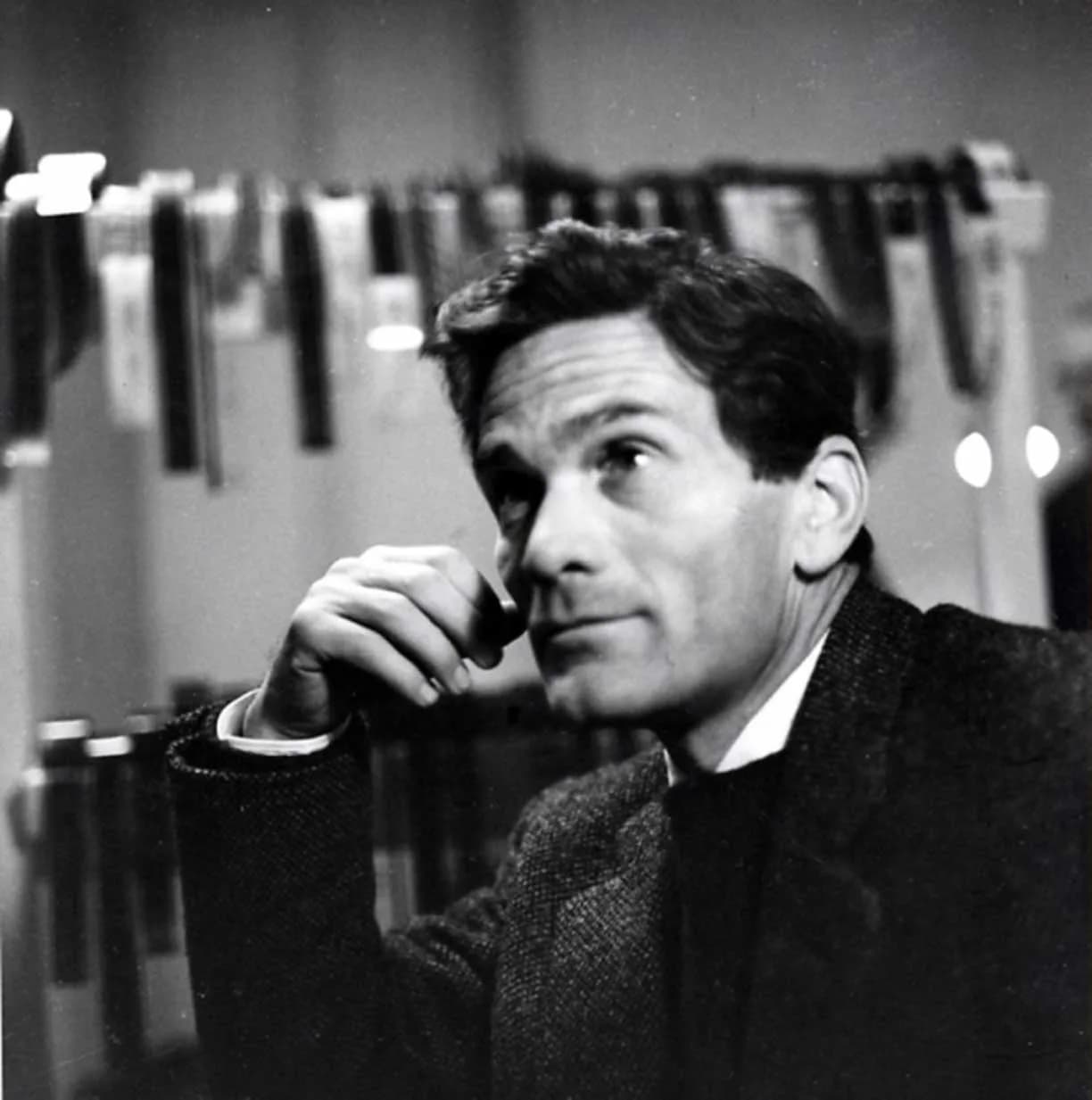
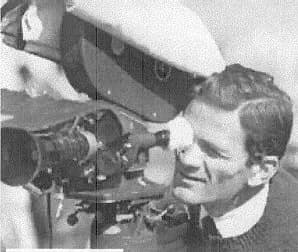
Pier Paolo Pasolini (1922–1975) was an Italian poet, writer, film director, and intellectual from Bologna. He directed influential films including The Gospel According to St. Matthew and the Trilogy of Life, while also producing significant literary works exploring Italian culture.
0 kapitulua
Bizitzako kapituluak
1 kapitulua · 1922· 1. kapitulua 7tik
Early Life and Origins
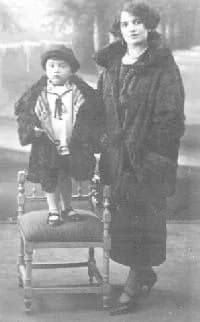
Born in Bologna on March 5, 1922, Pier Paolo Pasolini emerged from the cultural heartland of northern Italy during a period of significant political upheaval. His early years were shaped by the intellectual atmosphere of Bologna, a city renowned for its university and cultural traditions. The environment of his youth would later influence his deep engagement with both classical and contemporary Italian culture, as evidenced in his later works exploring popular Italian poetry and regional dialects.
2 kapitulua· 2. kapitulua 7tik
Career Beginnings
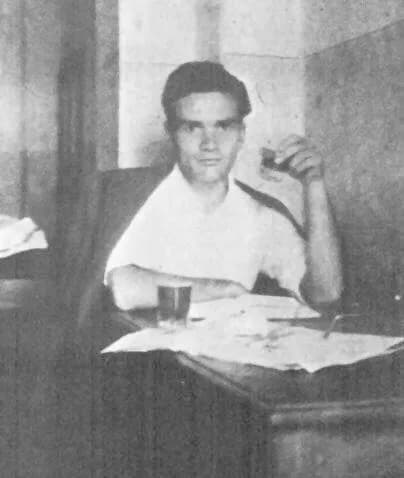
Pasolini's artistic journey began in literature before expanding into cinema and other forms of expression. His early work demonstrated a fascination with regional cultures and languages, particularly evident in his exploration of Friulian dialect in works like "I Turcs tal Friùl." This linguistic and cultural curiosity would become a hallmark of his artistic identity. His transition from writer to filmmaker marked the beginning of a career that would challenge conventional boundaries between different artistic mediums.
3 kapitulua · 1977· 3. kapitulua 7tik
Major Achievements and Career Highlights
Pasolini's film career produced several landmark works that continue to influence cinema today. His direction of "The Gospel According to St. Matthew" demonstrated his ability to approach religious themes with both reverence and artistic innovation. The "Trilogy of Life" films showcased his interpretation of classic literary works, while "The Canterbury Tales" (1977) revealed his skill in adapting medieval literature for contemporary audiences. His controversial final film, "Salò, or the 120 Days of Sodom," remains one of cinema's most discussed and debated works, cementing his reputation as a filmmaker unafraid to confront difficult subjects.
4 kapitulua· 4. kapitulua 7tik
Literary Contributions and Intellectual Work
Beyond filmmaking, Pasolini made significant contributions to Italian literature and cultural criticism. His works "La poesia popolare italiana" and "Stupenda e misera città" explored the relationship between traditional and modern Italian culture. "L'odore dell'India" reflected his international perspective and travel experiences, while "Teorema" demonstrated his ability to work across different narrative forms. His essay "Marxismo e cristianesimo" revealed his complex political and philosophical thinking, positioning him as a major intellectual voice of his generation.
5 kapitulua· 5. kapitulua 7tik
Artistic Philosophy and Cultural Impact
Pasolini's work consistently explored the tensions between tradition and modernity, spirituality and materialism, and high culture and popular expression. His artistic philosophy embraced contradiction and complexity, refusing simple categorization. This approach made him influential both as an artist and as a political figure, challenging audiences to confront uncomfortable truths about society and human nature. His willingness to work across multiple disciplines—from poetry to film to journalism—established him as a true Renaissance figure in 20th-century Italian culture.
6 kapitulua · 1975· 6. kapitulua 7tik
Later Years and Tragic End
The final years of Pasolini's life were marked by continued artistic productivity and increasing political engagement. His work during this period reflected a growing concern with the changes in Italian society and culture. His life came to a tragic end on November 2, 1975, in Lido di Ostia, Italy, cutting short a career that had already produced an extraordinary body of work. The circumstances of his death have continued to generate discussion and investigation, as seen in later documentaries like "Who Killed Pasolini?" (1995).
7 kapitulua · 1986· 7. kapitulua 7tik
Legacy and Lasting Influence
Pasolini's influence extends far beyond his lifetime, continuing to inspire filmmakers, writers, and intellectuals around the world. Documentaries such as "A futura memoria: Pier Paolo Pasolini" (1986) and "Pier Paolo Pasolini e la ragione di un sogno" (2001) demonstrate the ongoing fascination with his life and work. His approach to combining artistic expression with social and political commentary has become a model for engaged intellectual work. Today, he is remembered not only for his individual achievements but for his demonstration that art can serve as both aesthetic expression and social critique, making him one of Italy's most significant cultural figures of the 20th century.
Bizitza uneetan
Bizitza moldatu zuten uneak
Ohiko galderak
Maiz egindako galderak
Noiz hil zen Pier Paolo Pasolini?
Pier Paolo Pasolini 1975(e)ko azaroaren 2(a) hil zen Lido di Ostia, Italy-n, 53 urte zituela.
Non jaio zen Pier Paolo Pasolini?
Pier Paolo Pasolini Bologna, Italy-n jaio zen 1922(e)ko martxoaren 5(a).
Zertarako da ezagunena Pier Paolo Pasolini?
Pier Paolo Pasolini ezagunena da Italian writer, filmmaker, poet, and intellectual-rengatik.
Zenbat urte zituen Pier Paolo Pasolini-k hil zenean?
Pier Paolo Pasolini-k 53 urte zituen hil zenean.
Zer nazionalitatekoa zen Pier Paolo Pasolini?
Pier Paolo Pasolini Italy-koa zen.
Denbora-lerroa
Bizitza begirada batean
Argazki galeria
Bizitza iruditan
Egin klik edozein polaroidetan handitzeko · 49 argazki
QR kodea
Partekatu Biografia Hau
Inprimatu eta partekatu
Eskaneatu biografia orri hau bisitatzeko. Inprimatu ekitaldi, erakusketa edo hezkuntza materialetarako.