Jaioa
September 19, 1921
Recife, Brazil
Hila
May 2, 1997
São Paulo, Brazil
Ezaugarriak
Brazilian educator and philosopher
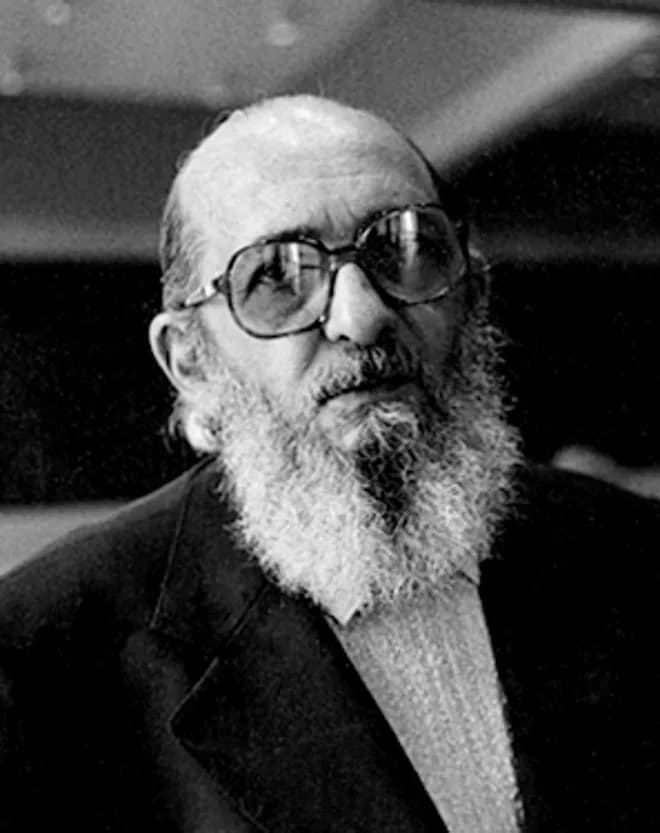
Paulo Freire (1921–1997) was Brazil best known for Brazilian educator and philosopher.
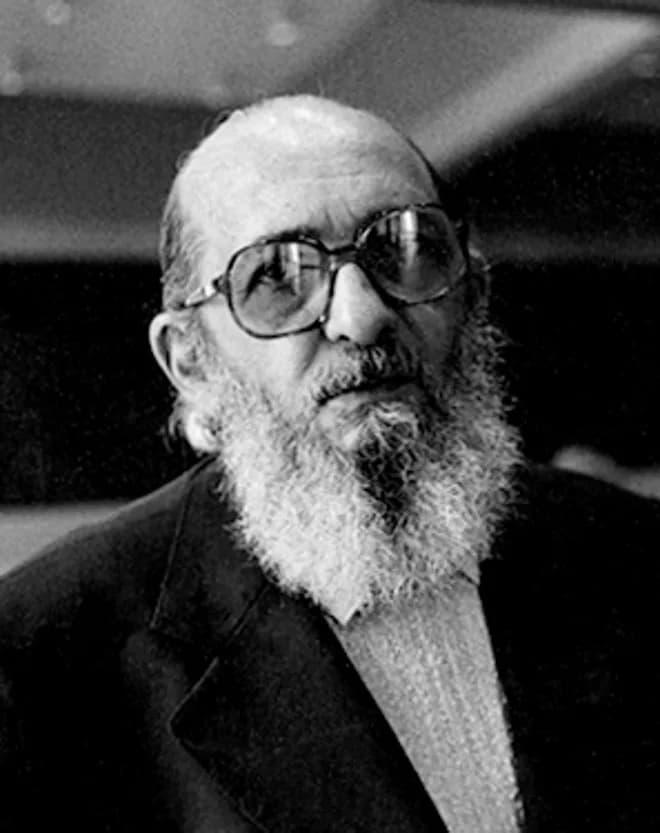
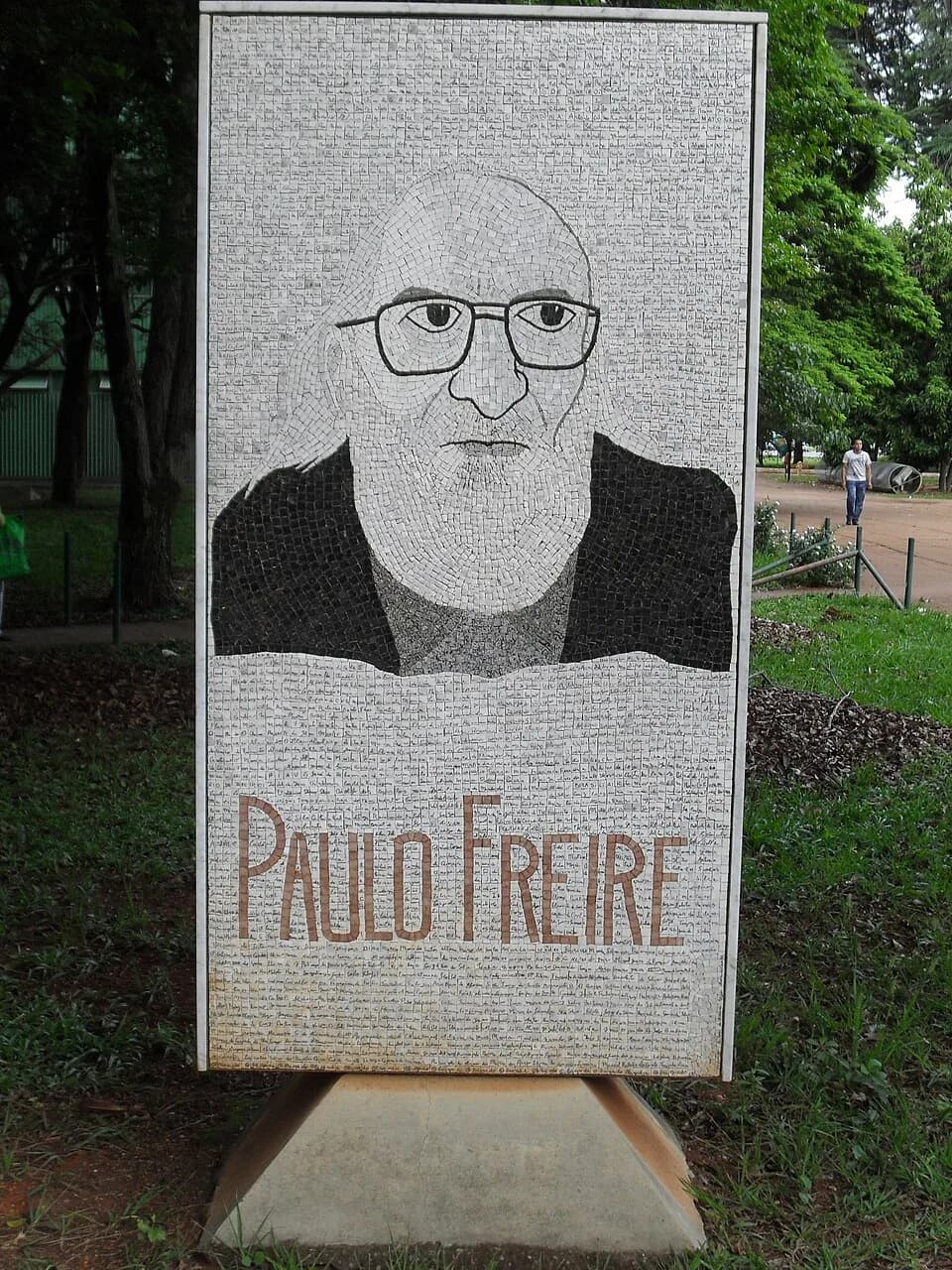
Paulo Reglus Neves Freire (September 19, 1921 – May 2, 1997) was a Brazilian educator and philosopher from Recife, Brazil. He is best known for his work, <em>Pedagogy of the Oppressed</em>, and for founding critical pedagogy, revolutionizing global thought on education. His ideas continue to shape movements for social justice and learning worldwide.
0 kapitulua
Bizitzako kapituluak
1 kapitulua · 1921· 1. kapitulua 7tik
Early Life and Origins
Paulo Freire was born on September 19, 1921, in Recife, Brazil, a vibrant city that undoubtedly shaped his early experiences. His formative years were spent in a region marked by significant social and economic disparities. These early observations likely contributed to his later focus on social justice and the transformative power of education for marginalized communities.
2 kapitulua· 2. kapitulua 7tik
Career Beginnings
Freire embarked on a diverse professional path that laid the groundwork for his revolutionary educational theories. He pursued careers as a writer, teacher, lawyer, poet, pedagogue, and philosopher. These varied experiences enriched his understanding of human interaction and systemic inequalities, influencing his belief that education could be a tool for societal change and empowerment rather than mere instruction.
3 kapitulua · 1968· 3. kapitulua 7tik
Major Achievements and Career Highlights
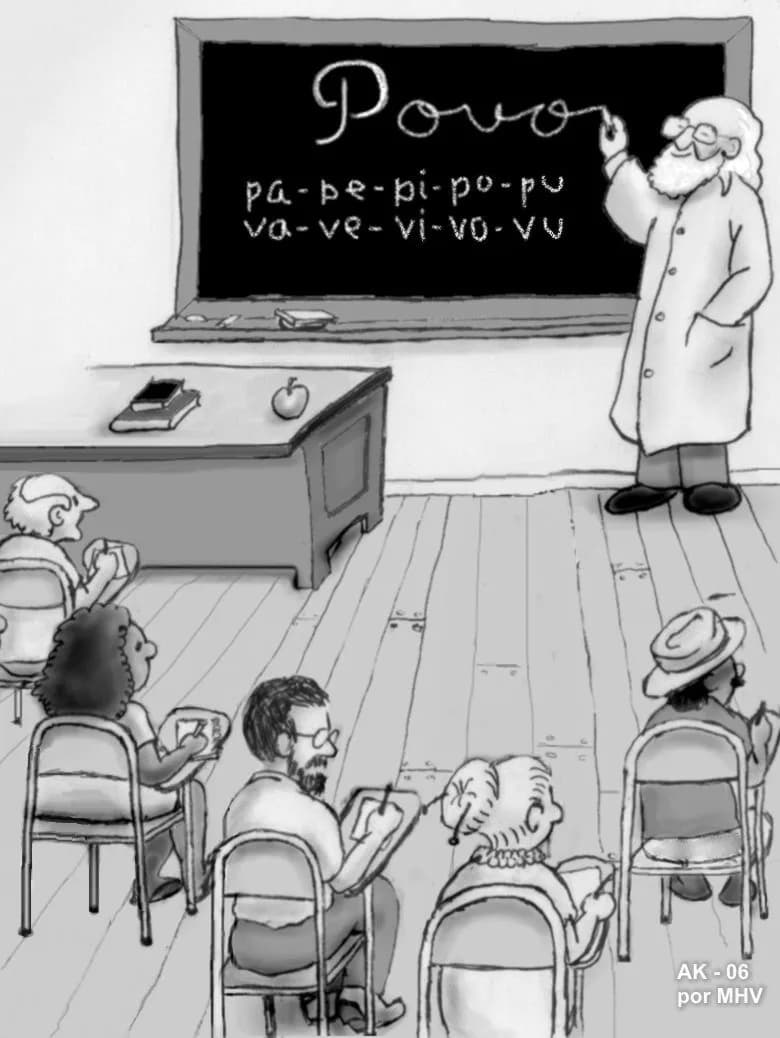
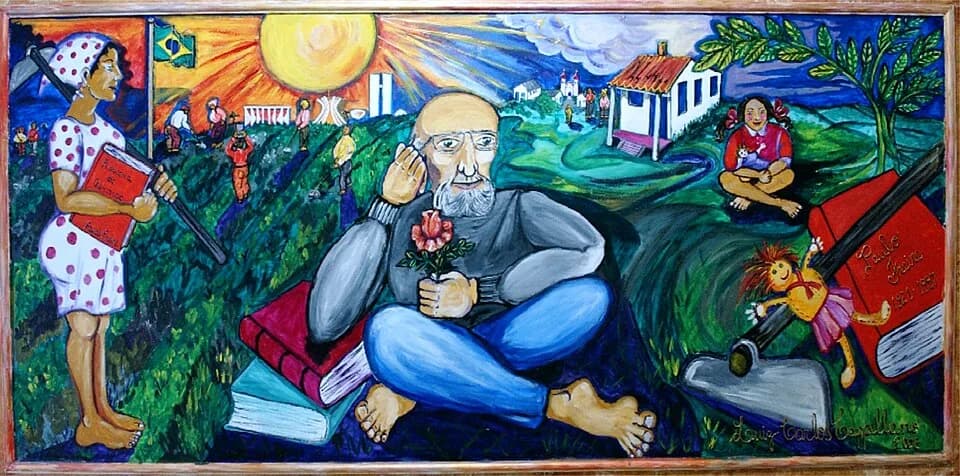
Freire's most celebrated achievement is his book, Pedagogy of the Oppressed, published in 1968, which reimagined teaching as a collaborative act of liberation. He became a principal founder of critical pedagogy, a philosophical and social movement that has since impacted educational practices across the globe. His ideas emphasized dialogue, critical thinking, and the learner's active role in constructing knowledge, moving away from traditional, transmissive models of teaching.
His influence extended far beyond academic circles, deeply shaping literacy movements, liberation theology, and postcolonial education. Freire's insights also informed Marxism and contemporary theories of social justice and learning. He is justly recognized as one of the twentieth century's most important educational theorists, often placed alongside luminaries such as John Dewey and Maria Montessori, and is known as "The Father of Critical Theory."
4 kapitulua· 4. kapitulua 7tik
Personal Life
While Paulo Freire’s public legacy is primarily centered on his intellectual and educational contributions, details about his personal life beyond his professional trajectory are not extensively provided in the available summaries. His journey began in Recife, Brazil, and concluded in São Paulo, Brazil, marking the geographical span of a life dedicated to educational reform. His work itself speaks volumes about his deeply humanistic perspective and his commitment to the dignity and liberation of all people.
5 kapitulua· 5. kapitulua 7tik
Notable Works or Contributions
Beyond Pedagogy of the Oppressed, Paulo Freire authored many other influential works that cemented his place in educational philosophy. His bibliography includes La educación como práctica de la libertad (Education as the Practice of Freedom), where he explored the concept of education as a path to genuine humanization. Other significant titles include Nuevas perspectivas criticas en educación (New Critical Perspectives in Education), showcasing his evolving thought on educational reform.
Freire's prolific writing also encompasses works like al-ʻAmal al-thaqāfī min ajl al-ḥurrīyah (Cultural Action for Freedom) and The cultural action process, which delve into the practical applications of his theories. Other important contributions include Pedagogika ugnetennykh, Paulo Freire en Chile, Pedagogyah shel shiḥrur, Diálogos sobre educación, O caminho se faz caminhando, and L'Education, demonstrating the wide reach and translation of his critical ideas across various cultures and languages.
6 kapitulua · 1997· 6. kapitulua 7tik
Later Years
Paulo Freire continued to work and inspire throughout his later years, solidifying his status as a global intellectual leader. Even in the years leading up to his passing on May 2, 1997, in São Paulo, Brazil, his ideas remained vibrant and relevant. His lifelong dedication to empowering individuals through education left an enduring mark on countless scholars, activists, and educators worldwide.
7 kapitulua· 7. kapitulua 7tik
Legacy and Impact
Paulo Freire’s legacy is immense and continues to resonate deeply in contemporary educational thought and social justice movements. As "The Father of Critical Theory," his ideas encourage educators and learners alike to question existing power structures and engage in critical dialogue. His vision of education as a collaborative journey toward liberation, rather than a mere transfer of information, continues to inspire new generations of thinkers.
Freire's emphasis on "conscientization"—the process by which learners develop a critical awareness of their social reality—remains a powerful concept in discussions about equity and empowerment. His work ensures that the pursuit of social justice and meaningful learning remains at the forefront of educational discourse. The principles he espoused continue to be vital tools for understanding and addressing inequality in education and society.
Bizitza uneetan
Bizitza moldatu zuten uneak
Ohiko galderak
Maiz egindako galderak
Noiz hil zen Paulo Freire?
Paulo Freire 1997(e)ko maiatzaren 2(a) hil zen São Paulo, Brazil-n, 75 urte zituela.
Non jaio zen Paulo Freire?
Paulo Freire Recife, Brazil-n jaio zen 1921(e)ko irailaren 19(a).
Zertarako da ezagunena Paulo Freire?
Paulo Freire ezagunena da Brazilian educator and philosopher-rengatik.
Zenbat urte zituen Paulo Freire-k hil zenean?
Paulo Freire-k 75 urte zituen hil zenean.
Zer nazionalitatekoa zen Paulo Freire?
Paulo Freire Brazil-koa zen.
Denbora-lerroa
Bizitza begirada batean
Argazki galeria
Bizitza iruditan
Egin klik edozein polaroidetan handitzeko · 40 argazki
QR kodea
Partekatu Biografia Hau
Inprimatu eta partekatu
Eskaneatu biografia orri hau bisitatzeko. Inprimatu ekitaldi, erakusketa edo hezkuntza materialetarako.