Jaioa
January 1, 1175
Brunswick, Germany
Hila
May 26, 1218
Harzburg, Germany
Ezaugarriak
Holy Roman Emperor from 1209 to 1218
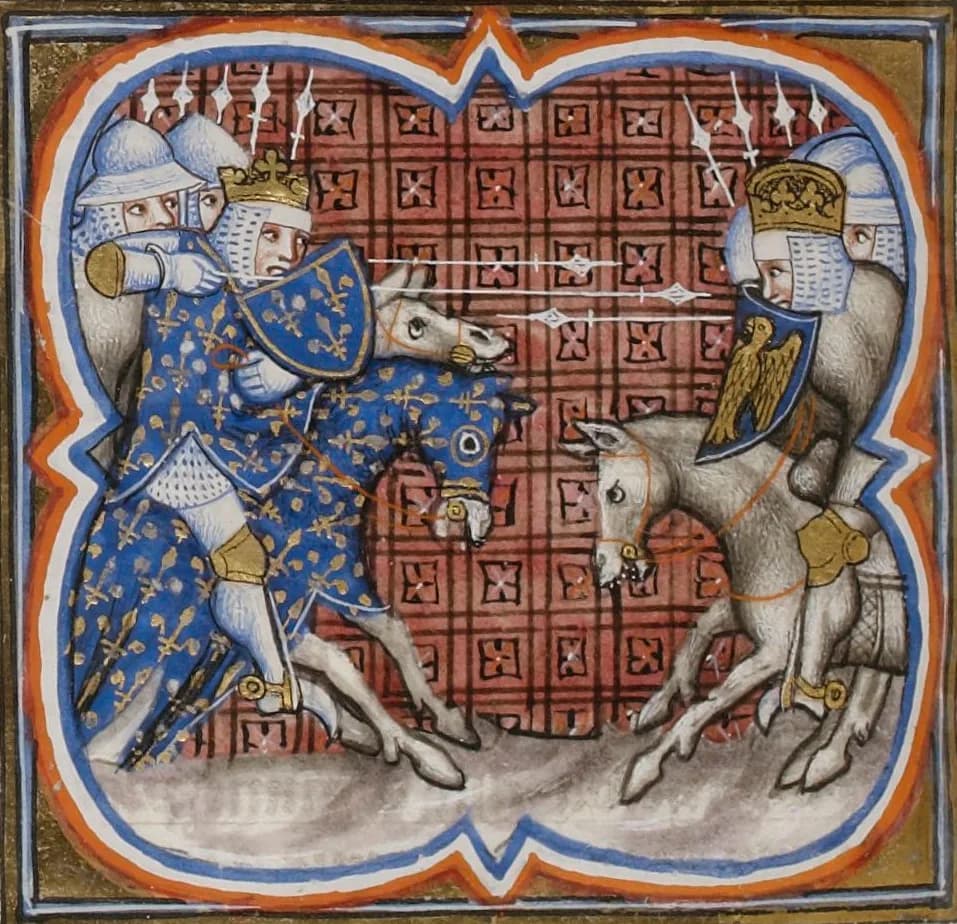
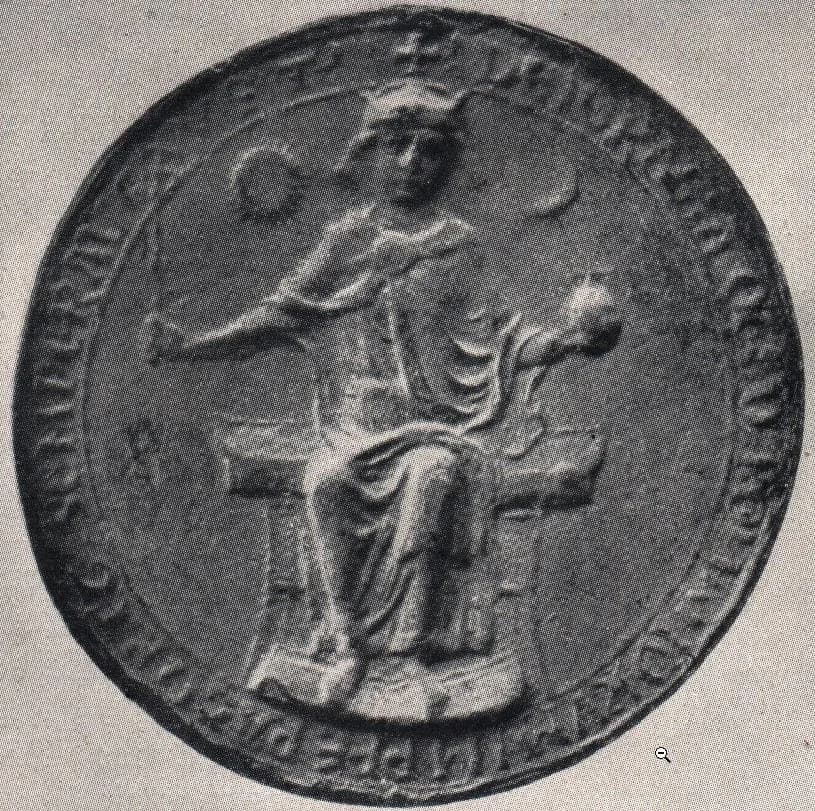
Otto IV, Holy Roman Emperor (1175–1218) was Germany best known for Holy Roman Emperor from 1209 to 1218.
Otto IV (January 1, 1175 – May 26, 1218) was a monarch from Brunswick, Germany, who served as Holy Roman Emperor from 1209 until his death. His reign marked a period of significant political activity and power struggles in medieval Europe. He is remembered for his efforts to assert imperial authority during his rule.
0 kapitulua
Bizitzako kapituluak
1 kapitulua · 1175· 1. kapitulua 7tik
Early Life and Origins
Otto IV first saw the light of day on January 1, 1175, in the city of Brunswick, which is located in present-day Germany. He hailed from the influential Welf dynasty, a powerful family with significant holdings and political ambitions in the Holy Roman Empire. Though specific details of his early education are not provided, his lineage undoubtedly prepared him for a life intertwined with the highest levels of European aristocracy and governance.
2 kapitulua· 2. kapitulua 7tik
Career Beginnings
Otto's path to imperial office was marked by fierce competition and conflict within the empire. He emerged as a candidate for the throne amid the ongoing struggle between the Welf and Hohenstaufen houses. Gaining initial support, he worked to consolidate his position and build alliances necessary for a monarch.
This early period involved navigating complex political currents and securing recognition from various factions. His efforts during these formative years laid the groundwork for his eventual coronation as emperor, demonstrating his resolve in a contested environment.
3 kapitulua · 1209· 3. kapitulua 7tik
Major Achievements and Career Highlights
The pinnacle of Otto IV's career came in 1209 when he was crowned Holy Roman Emperor. This momentous event solidified his claim to one of Europe's most powerful titles, confirming his status as a major European ruler. His time on the imperial throne from 1209 to 1218 was characterized by his attempts to assert imperial authority and define his rule.
During his reign, Otto IV confronted significant opposition, including from the papacy, as he sought to strengthen his imperial power. His actions as emperor reflected a continuous effort to secure his standing and manage the diverse political entities under his imperial jurisdiction. He continuously worked towards maintaining the unity and influence of the Holy Roman Empire.
4 kapitulua· 4. kapitulua 7tik
Personal Life
Information regarding Otto IV's personal life, including details about his family, relationships, or private interests, is not available in the provided historical overview. His public identity was primarily defined by his role as a monarch and Holy Roman Emperor.
5 kapitulua· 5. kapitulua 7tik
Notable Works or Contributions
As Holy Roman Emperor, Otto IV's contributions were intrinsically linked to his governance and political decisions. His rule influenced the administrative and diplomatic direction of the empire during his tenure. He left his mark through the decrees and policies enacted under his imperial authority.
His reign is particularly noted for the political maneuvers he undertook to maintain and expand his imperial rights. These actions had far-reaching implications for the structure of power within the Holy Roman Empire and its relations with neighboring states and the Papacy.
6 kapitulua · 1218· 6. kapitulua 7tik
Later Years
Otto IV's time as Holy Roman Emperor concluded with his death on May 26, 1218, in Harzburg, Germany. He continued to serve in his imperial capacity until his very end. His final years were undoubtedly spent addressing the challenges inherent in governing such a vast and complex entity, working towards solidifying his reign amidst ongoing conflicts.
7 kapitulua · 1209· 7. kapitulua 7tik
Legacy and Impact
Otto IV is primarily remembered for his nearly decade-long rule as Holy Roman Emperor from 1209 to 1218. His reign represents a key chapter in the ongoing narrative of medieval European monarchies and the struggles for power between secular and ecclesiastical authorities. He left an enduring mark on the historical record as a prominent figure during a tumultuous era.
His name resonates in discussions of the Welf dynasty's attempts to secure imperial dominance against their Hohenstaufen rivals. Otto IV's life and reign continue to be studied for insights into the political dynamics and ambitions that shaped the Holy Roman Empire in the early 13th century.
Bizitza uneetan
Bizitza moldatu zuten uneak
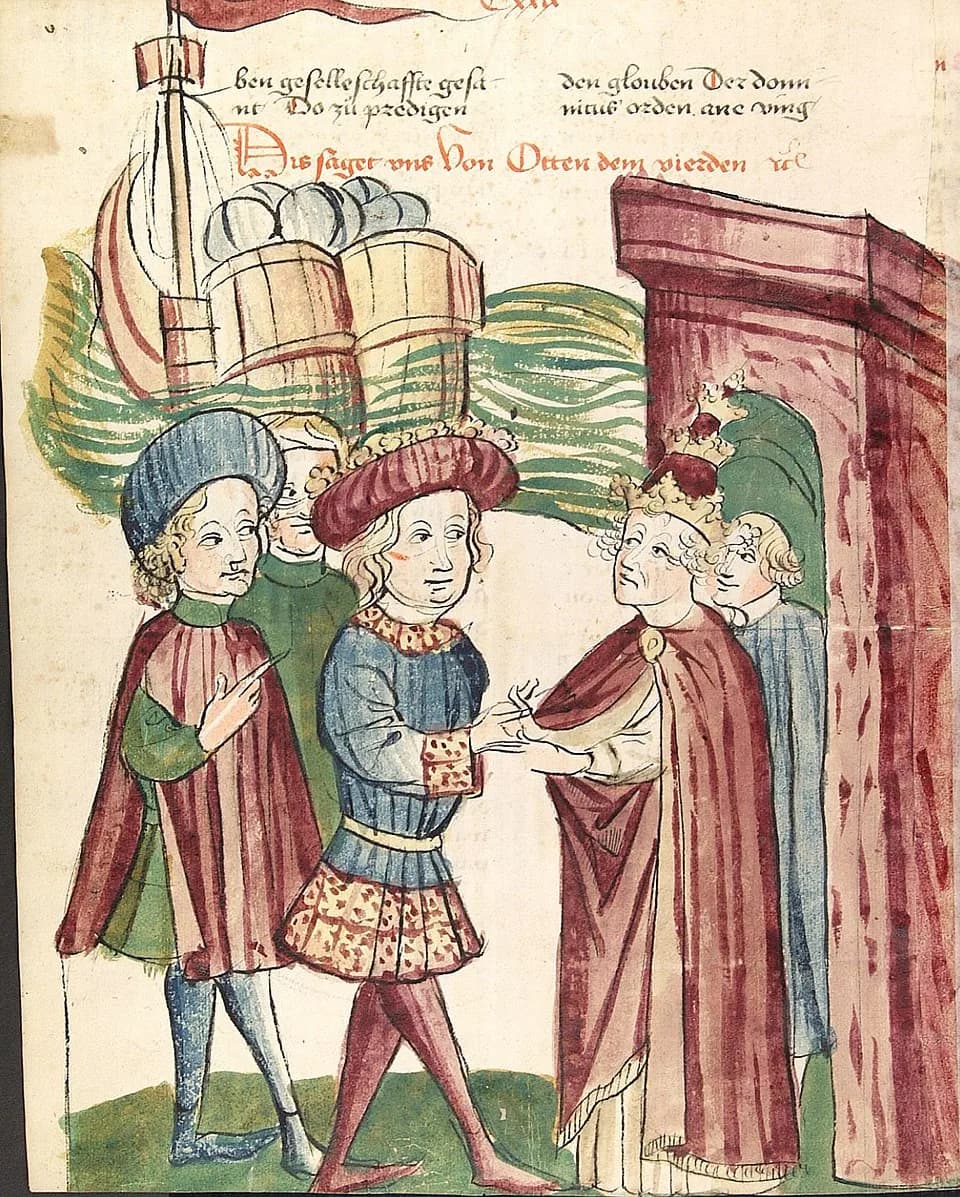
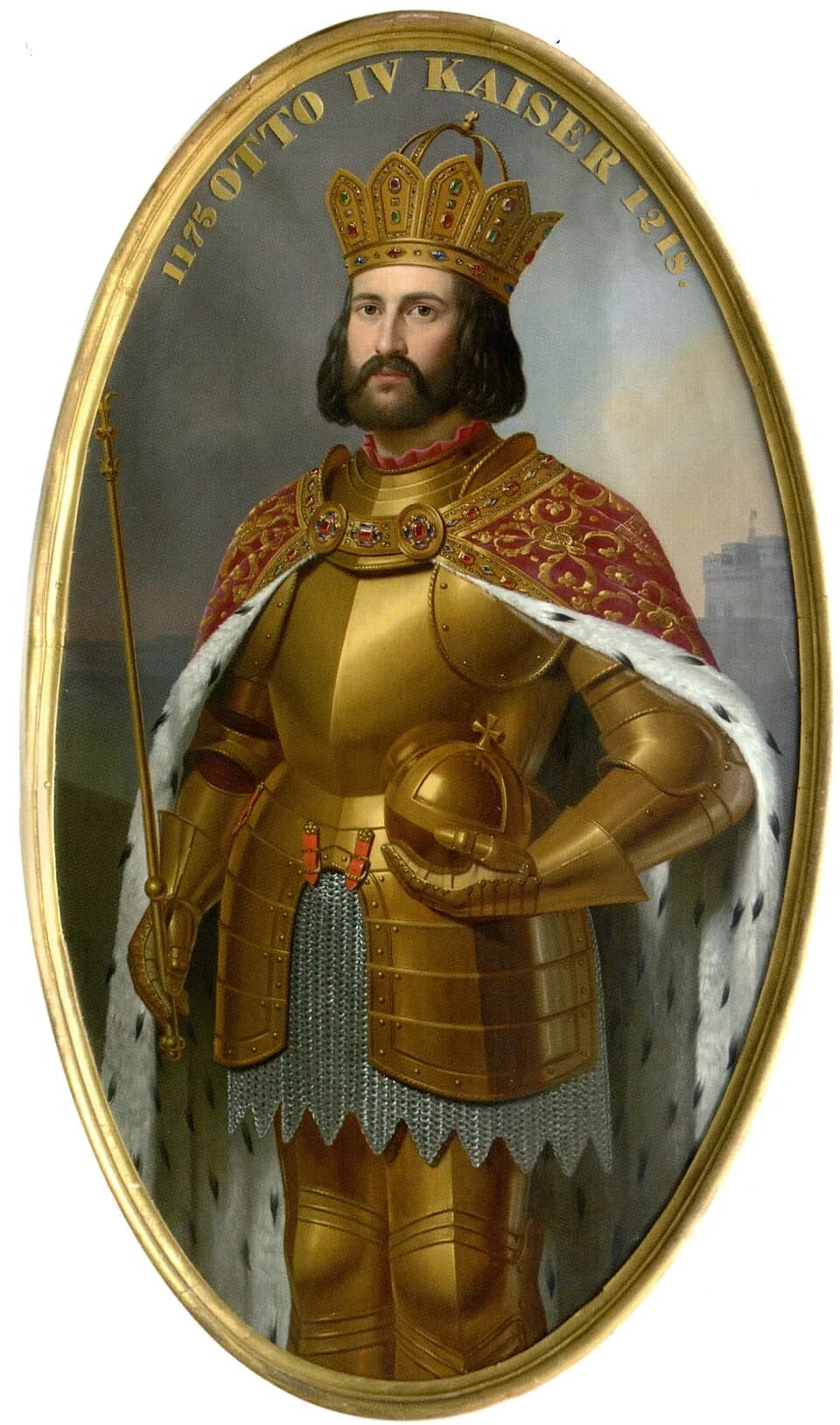
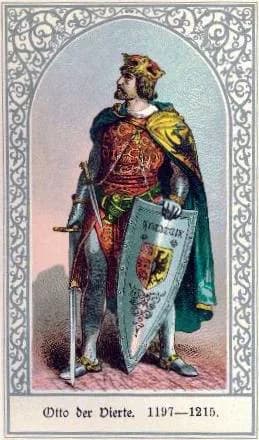
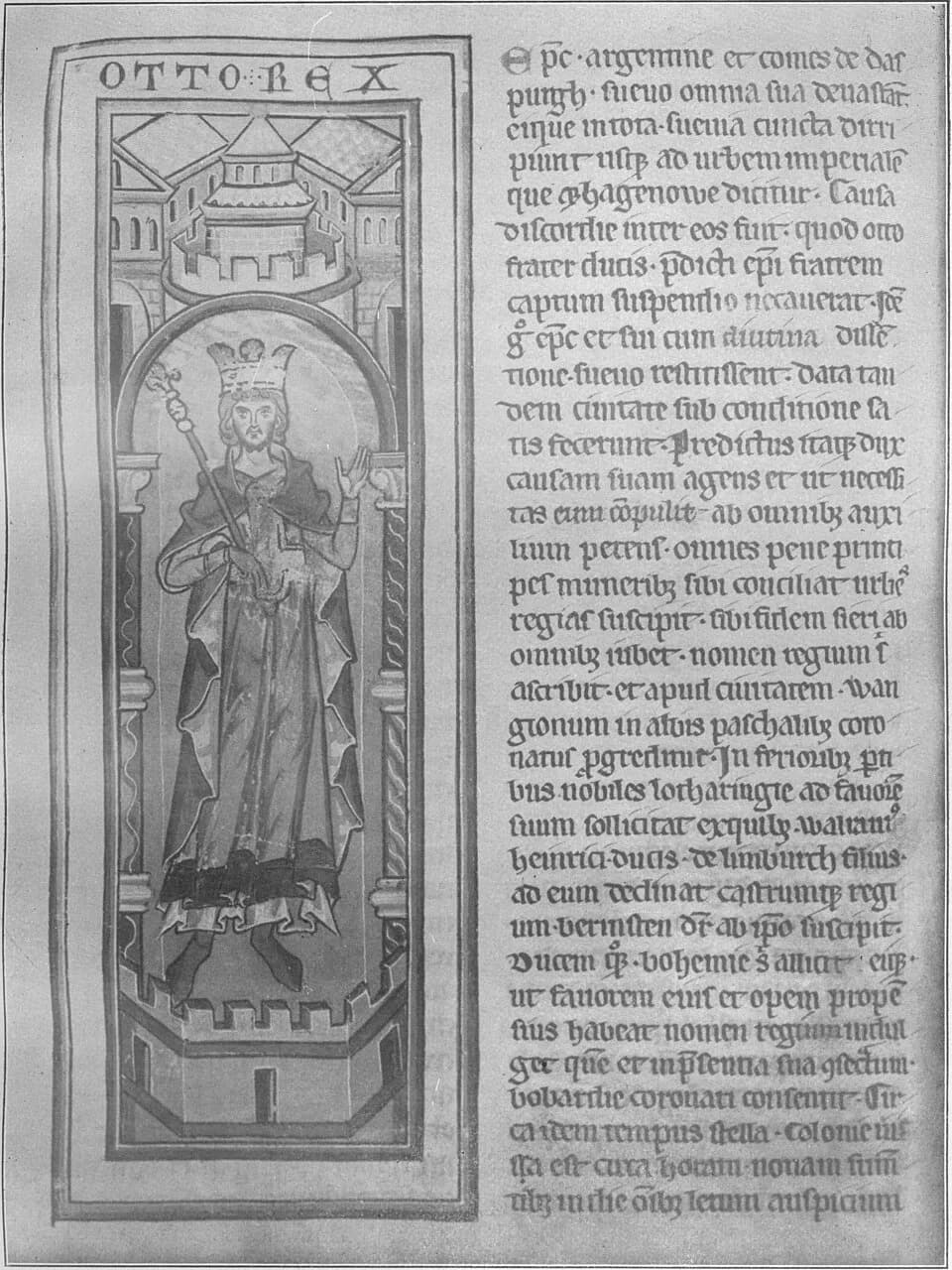
Ohiko galderak
Maiz egindako galderak
Noiz hil zen Otto IV, Holy Roman Emperor?
Otto IV, Holy Roman Emperor 1218(e)ko maiatzaren 26(a) hil zen Harzburg, Germany-n, 43 urte zituela.
Non jaio zen Otto IV, Holy Roman Emperor?
Otto IV, Holy Roman Emperor Brunswick, Germany-n jaio zen 1175(e)ko urtarrilaren 1(a).
Zertarako da ezagunena Otto IV, Holy Roman Emperor?
Otto IV, Holy Roman Emperor ezagunena da Holy Roman Emperor from 1209 to 1218-rengatik.
Zenbat urte zituen Otto IV, Holy Roman Emperor-k hil zenean?
Otto IV, Holy Roman Emperor-k 43 urte zituen hil zenean.
Zer nazionalitatekoa zen Otto IV, Holy Roman Emperor?
Otto IV, Holy Roman Emperor Germany-koa zen.
Denbora-lerroa
Bizitza begirada batean
Argazki galeria
Bizitza iruditan
Egin klik edozein polaroidetan handitzeko · 19 argazki
QR kodea
Partekatu Biografia Hau
Inprimatu eta partekatu
Eskaneatu biografia orri hau bisitatzeko. Inprimatu ekitaldi, erakusketa edo hezkuntza materialetarako.