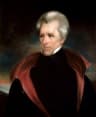
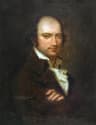
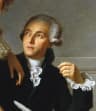
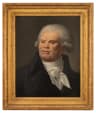
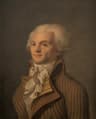
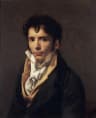
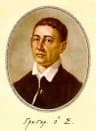
Jaioa
August 25, 1767
Decize, France
Hila
July 28, 1794
Paris, France
Ezaugarriak
Philosopher, military and political leader
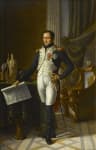
Louis Antoine de Saint-Just (1767–1794) was France best known for Philosopher, military and political leader.
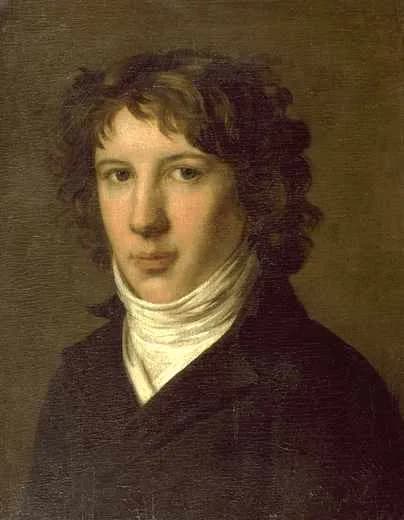
Louis Antoine de Saint-Just (August 25, 1767 – July 28, 1794) was a French philosopher and revolutionary. As the youngest member of the National Convention, he became a close ally of Robespierre, playing a major role in the French Revolution. His legacy embodies the radical spirit of his time.
0 kapitulua
Bizitzako kapituluak
1 kapitulua · 1767· 1. kapitulua 8tik
Introduction: A Figure of the French Revolution
Louis Antoine de Saint-Just (1767–1794), a notable French philosopher, military, and political leader, left an undeniable mark on the tumultuous era of the French Revolution. A prolific writer, poet, politician, and revolutionary, his brief but intense life was dedicated to shaping the new republic. He is remembered as a central figure whose intellect and actions deeply influenced the course of revolutionary events.
2 kapitulua · 1767· 2. kapitulua 8tik
Early Life and Origins
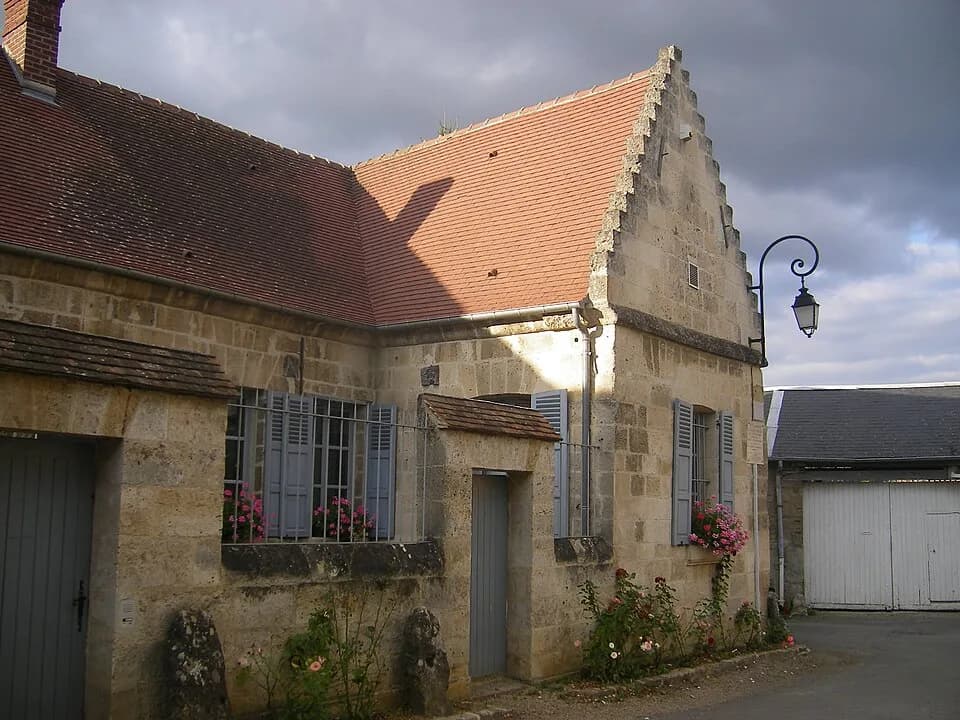
Born on August 25, 1767, in Decize, France, Louis Antoine de Saint-Just's early years set the stage for his later radical political involvement. While specific details of his youth are not extensively documented in his public record, his origins in provincial France provided a unique perspective as he rose to national prominence. His background informed his commitment to republican ideals that would later define his public career.
3 kapitulua· 3. kapitulua 8tik
Career Beginnings
Saint-Just swiftly ascended the political ranks during the French Revolution, becoming the youngest person ever elected to the National Convention. This early entry into national politics marked the true beginning of his public life. He quickly established himself as a prominent Jacobin club leader, articulating fierce support for the revolutionary cause and its most radical proponents.
4 kapitulua· 4. kapitulua 8tik
Major Achievements and Career Highlights
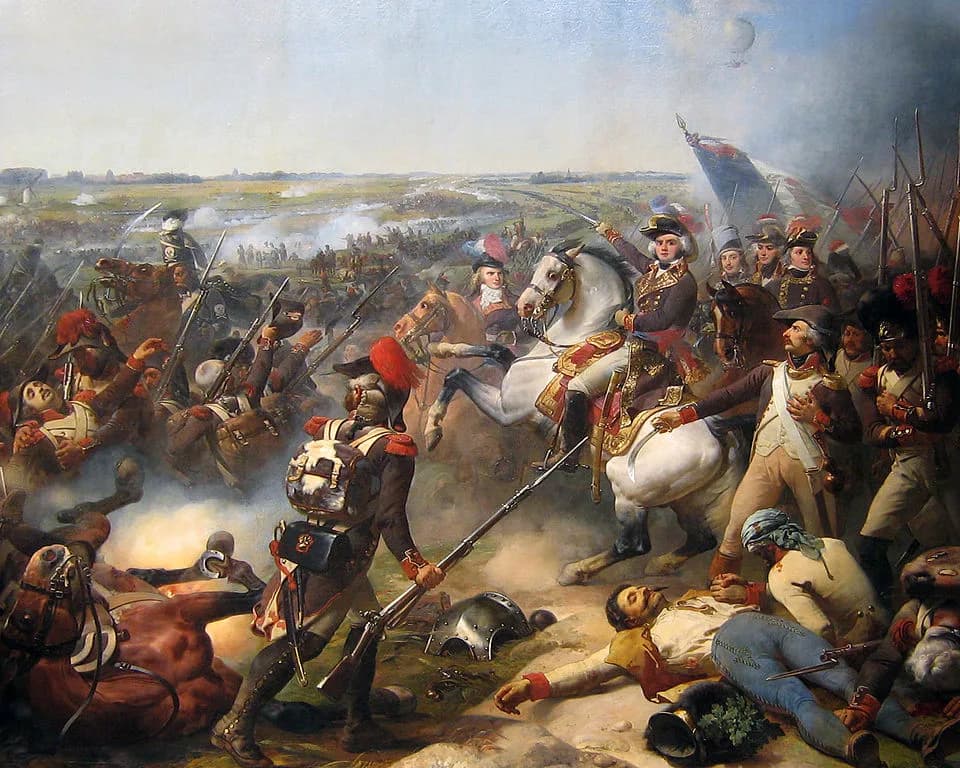
As a member of the Mountain faction within the National Convention, Saint-Just proved to be a steadfast supporter and close friend of Maximillian Robespierre. His oratorical skills and unwavering commitment to the revolution earned him the presidency of the National Convention. He played a significant role in advocating for the execution of King Louis XVI, a defining moment in the revolution.
His influence extended to military affairs, where he helped reorganize the army and boost morale, contributing to early French revolutionary victories. He became known for his fiery speeches and unyielding dedication to revolutionary principles, earning him the nickname "Archangel of Terror."
5 kapitulua· 5. kapitulua 8tik
Personal Life
Information regarding Louis Antoine de Saint-Just's personal life remains largely in the shadows, overshadowed by his intense public career. However, his strong personal and political alliance with Robespierre is a known detail, indicating a relationship built on shared ideology and mutual trust. This close friendship was a defining aspect of his political journey, shaping many of his decisions and associations.
6 kapitulua· 6. kapitulua 8tik
Notable Works or Contributions
Beyond his direct political and military actions, Saint-Just was also a philosopher and writer, contributing intellectually to the revolutionary discourse. His known works include "La libertad pasó como una tormenta" and "Fragments sur les institutions républicaines." These writings encapsulate his republican ideals and philosophical convictions, offering insight into the intellectual underpinnings of his political positions.
His literary output reflects his vision for a virtuous and just society, born out of revolutionary fervor and Enlightenment thought. These works demonstrate his capacity for deep theoretical engagement, alongside his active role in practical politics.
7 kapitulua · 1794· 7. kapitulua 8tik
Later Years
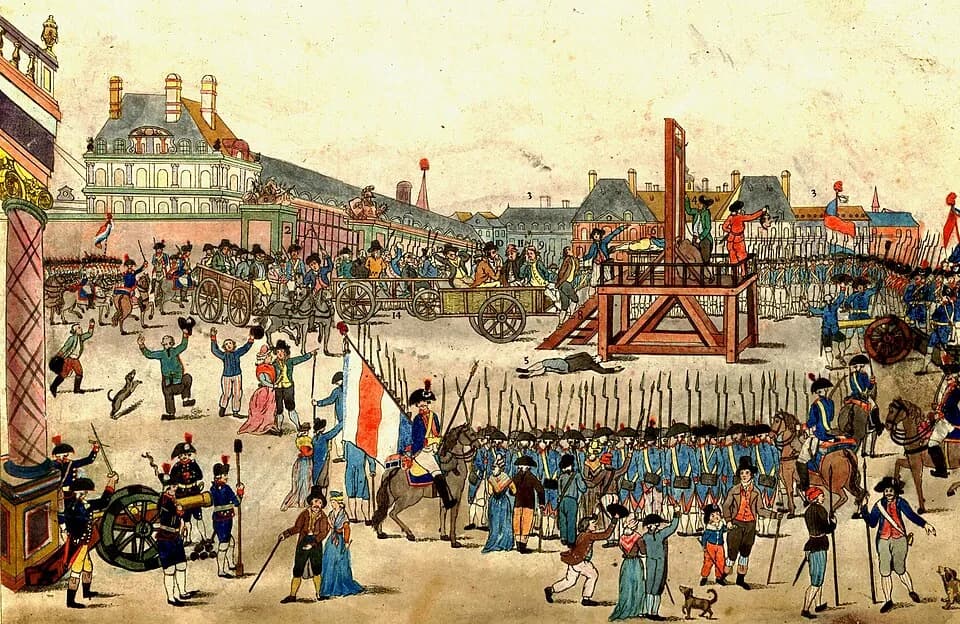
Saint-Just's career culminated during the Reign of Terror, a period in which he held considerable power alongside Robespierre. However, his fate became inextricably linked with that of his close ally. He was ultimately swept away in Robespierre's downfall on 9 Thermidor, Year II (July 27, 1794).
His rapid decline mirrored the volatile nature of revolutionary politics, where power could shift dramatically overnight. Louis Antoine de Saint-Just died on July 28, 1794, in Paris, France, at the young age of 26, ending his brief yet intense life at the hands of the revolution he helped shape.
8 kapitulua· 8. kapitulua 8tik
Legacy and Impact
Despite his brief life, Louis Antoine de Saint-Just's impact on the French Revolution was immense and continues to be debated. He remains a complex and often controversial figure in historical memory, representing both the radical idealism and the brutal realities of revolutionary change. His philosophical ideas and political actions continue to be studied by historians and political scientists alike, affirming his enduring, though polarizing, influence.
His contributions to revolutionary thought and his decisive actions during a period of immense upheaval ensure his place as a major figure. Saint-Just's legacy is a powerful reminder of the intellectual and political forces that drove one of history's most significant transformations.
Bizitza uneetan
Bizitza moldatu zuten uneak
Ohiko galderak
Maiz egindako galderak
Noiz hil zen Louis Antoine de Saint-Just?
Louis Antoine de Saint-Just 1794(e)ko uztailaren 28(a) hil zen Paris, France-n, 26 urte zituela.
Non jaio zen Louis Antoine de Saint-Just?
Louis Antoine de Saint-Just Decize, France-n jaio zen 1767(e)ko abuztuaren 25(a).
Zertarako da ezagunena Louis Antoine de Saint-Just?
Louis Antoine de Saint-Just ezagunena da Philosopher, military and political leader-rengatik.
Zenbat urte zituen Louis Antoine de Saint-Just-k hil zenean?
Louis Antoine de Saint-Just-k 26 urte zituen hil zenean.
Zer nazionalitatekoa zen Louis Antoine de Saint-Just?
Louis Antoine de Saint-Just France-koa zen.
Denbora-lerroa
Bizitza begirada batean
Argazki galeria
Bizitza iruditan
Egin klik edozein polaroidetan handitzeko · 49 argazki
QR kodea
Partekatu Biografia Hau
Inprimatu eta partekatu
Eskaneatu biografia orri hau bisitatzeko. Inprimatu ekitaldi, erakusketa edo hezkuntza materialetarako.