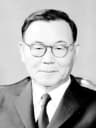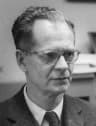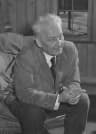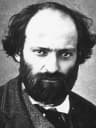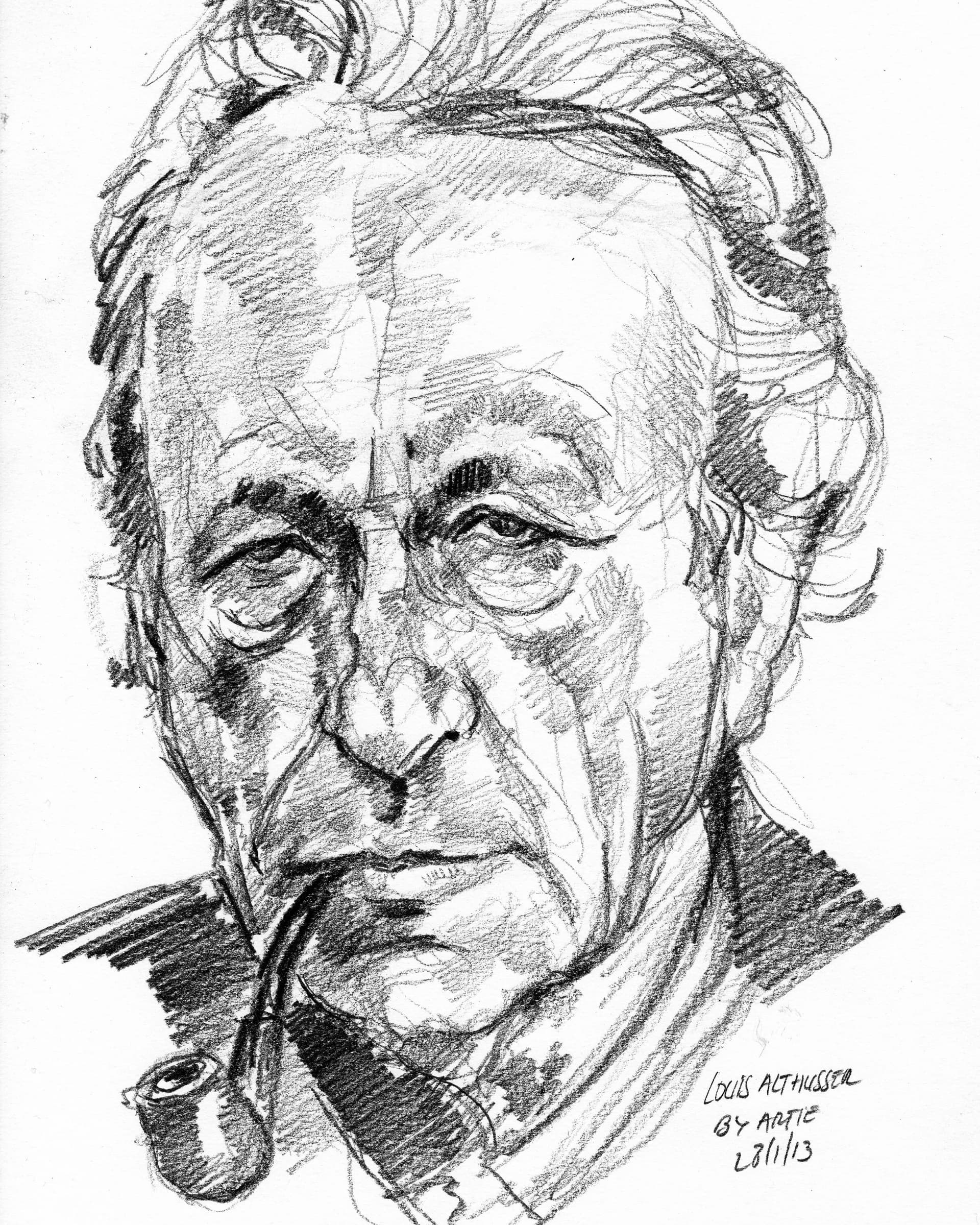
Jaioa
October 16, 1918
Bir Mourad Rais, Algeria
Hila
October 22, 1990
Paris, France
Ezaugarriak
French Marxist philosopher
Louis Althusser (1918–1990) was Algeria best known for French Marxist philosopher.
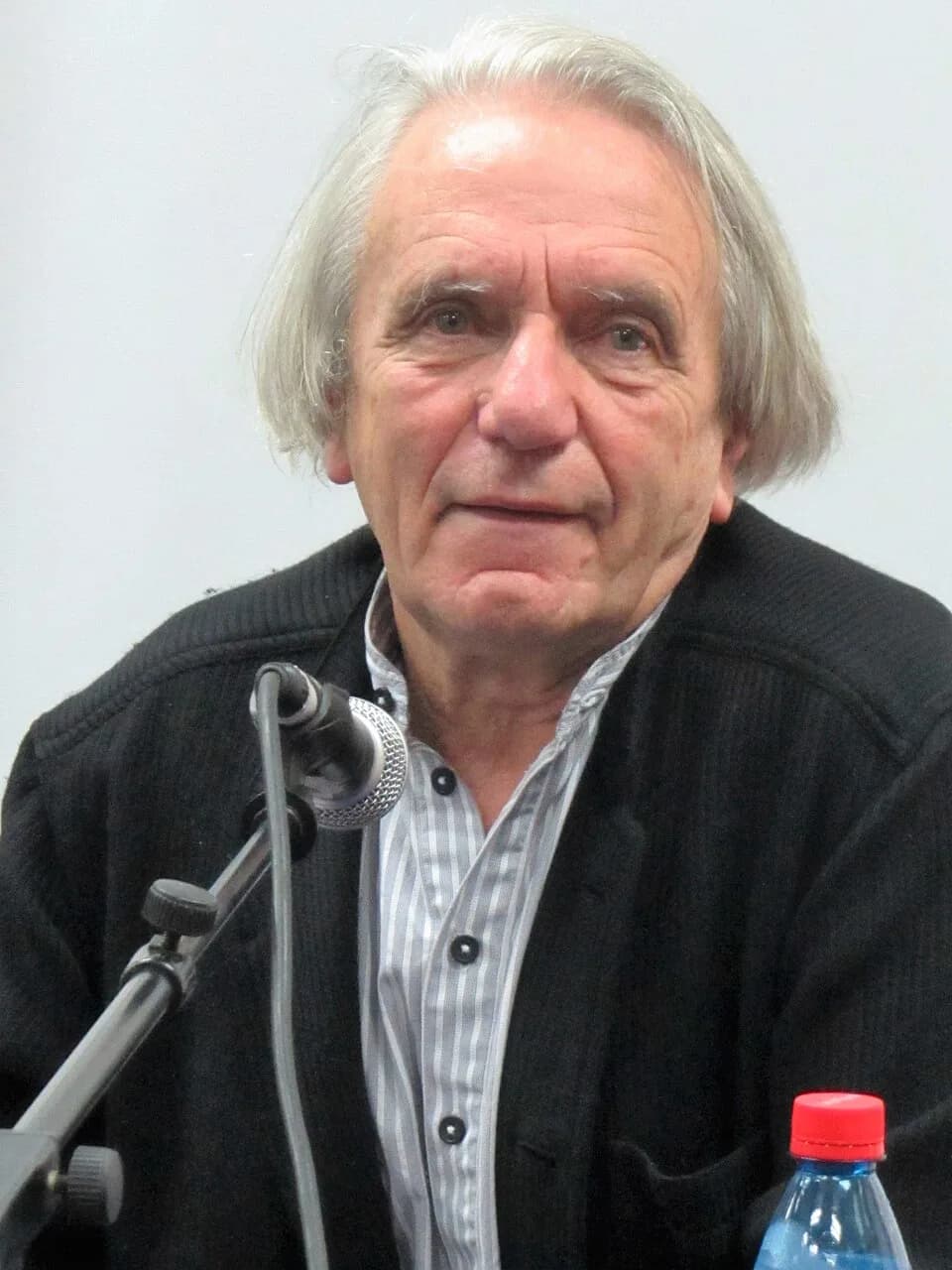
Louis Althusser (October 16, 1918 – October 22, 1990) was a French Marxist philosopher from Algeria. He taught at the École Normale Supérieure in Paris, influencing critical thought and reinterpreting Marxist concepts. His philosophical contributions continue to shape academic discourse today.
0 kapitulua
Bizitzako kapituluak
1 kapitulua · 1918· 1. kapitulua 8tik
Opening Paragraph
Louis Althusser (1918–1990) was a prominent French Marxist philosopher whose ideas significantly shaped twentieth-century thought. He pursued various professions throughout his life, including politician, university teacher, editor, and, most notably, philosopher. His intellectual contributions emerged from a life intertwined with academic rigor and personal challenges.
2 kapitulua · 1918· 2. kapitulua 8tik
Early Life and Origins
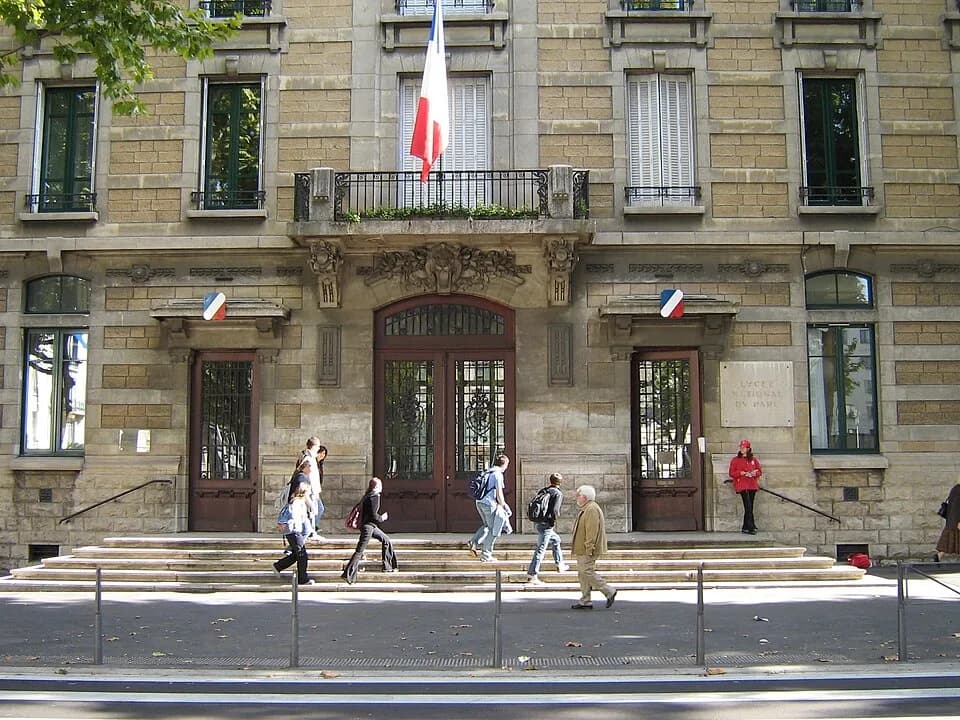
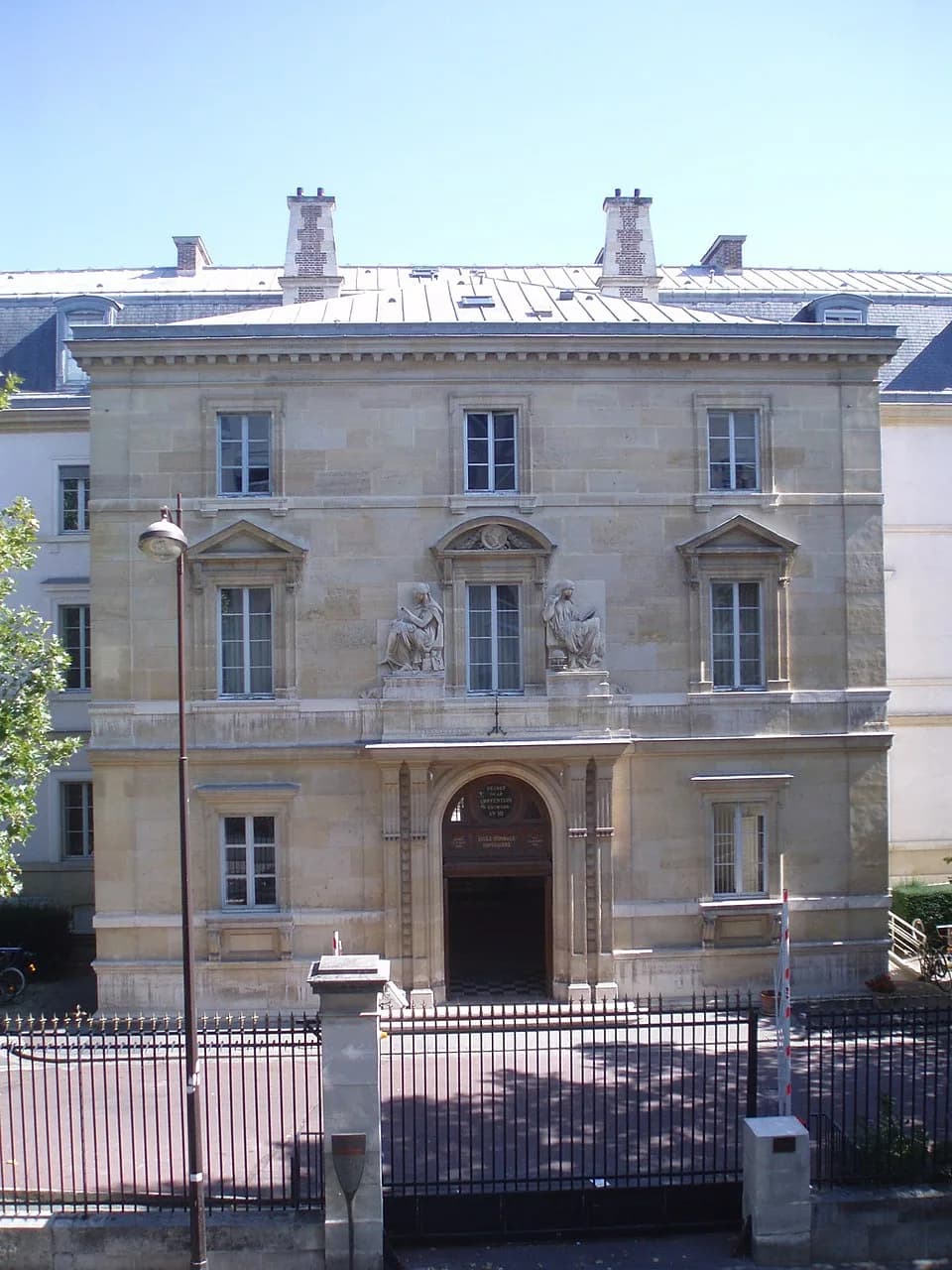
Born on October 16, 1918, Louis Althusser began his life in Bir Mourad Rais, a commune in Algeria. His early experiences in Algeria laid the groundwork for his intellectual journey. He later moved to France, where he undertook his higher education at the prestigious École Normale Supérieure in Paris.
3 kapitulua· 3. kapitulua 8tik
Career Beginnings
After his studies, Althusser established himself firmly within the academic world. He eventually became a distinguished professor of philosophy at the very institution where he had once been a student, the École Normale Supérieure. This role allowed him to cultivate his philosophical perspectives and influence generations of thinkers, solidifying his standing as a significant figure in French intellectual circles.
4 kapitulua· 4. kapitulua 8tik
Major Achievements and Career Highlights
Louis Althusser gained widespread recognition as a leading French Marxist philosopher, a label that defined much of his intellectual output. His work focused on reinterpreting foundational Marxist concepts, seeking to develop a more rigorous and scientific approach to historical materialism. He was known for his analytical depth and his efforts to distance Marxism from humanism and economism, thereby sparking considerable debate and scholarly engagement. His influential tenure at the École Normale Supérieure positioned him at the center of critical discourse.
5 kapitulua· 5. kapitulua 8tik
Personal Life
Althusser's personal journey was deeply affected by periods of intense mental illness, a struggle that he navigated throughout his adult life. He was married to the sociologist Hélène Rytmann. Their shared intellectual environment likely fostered a deeply intertwined personal and professional existence.
6 kapitulua · 2018· 6. kapitulua 8tik
Notable Works or Contributions
Louis Althusser's intellectual output was considerable, reflected in his h-index of 21 across 79 papers. Among his significant works, "On the Objectivity of History," published in 2018, stands out with 11 citations. Another piece sharing the same title also appeared in 2018, contributing to his scholarly profile. These posthumously published titles underscore the continued academic interest in his philosophical insights.
He delivered "The Crisis of Marxism" as a notable lecture in Nijmegen on May 27, 1978, which saw publication in 2018 and received 3 citations. His work also includes "Philosophy and Social Science: Introducing Bourdieu and Passeron," published in 2019, which gathered 2 citations. A more recent contribution, "Lightweight and Simplified Truth as a Kind of Distortion of Social-Everyday Reality," was published in 2021, though currently listed with 0 citations. These publications demonstrate the breadth and sustained scholarly engagement with his philosophical ideas.
7 kapitulua · 1980· 7. kapitulua 8tik
Later Years
The later phase of Louis Althusser's life was marked by a severe personal crisis in 1980, when he killed his wife, Hélène Rytmann, by strangling her. Following this event, he was declared unfit to stand trial due to insanity and was subsequently committed to a psychiatric hospital. He remained in institutional care for three years after this severe personal crisis. During this period and afterward, he undertook little further academic work. Louis Althusser passed away in Paris, France, on October 22, 1990, just six days after his 72nd birthday.
8 kapitulua· 8. kapitulua 8tik
Legacy and Impact
Louis Althusser leaves a lasting legacy as a French Marxist philosopher whose re-readings of Marx significantly influenced structuralist and post-structuralist thought. His concepts, such as ideological state apparatuses and overdetermination, continue to be discussed and applied in various academic disciplines. Despite the personal tragedies that shadowed his later life, his intellectual contributions remain central to contemporary debates in philosophy, political theory, and critical social sciences. His ideas continue to inspire critical engagement and scholarly analysis across the globe.
Bizitza uneetan
Bizitza moldatu zuten uneak
Ohiko galderak
Maiz egindako galderak
Noiz hil zen Louis Althusser?
Louis Althusser 1990(e)ko urriaren 22(a) hil zen Paris, France-n, 72 urte zituela.
Non jaio zen Louis Althusser?
Louis Althusser Bir Mourad Rais, Algeria-n jaio zen 1918(e)ko urriaren 16(a).
Zertarako da ezagunena Louis Althusser?
Louis Althusser ezagunena da French Marxist philosopher-rengatik.
Zenbat urte zituen Louis Althusser-k hil zenean?
Louis Althusser-k 72 urte zituen hil zenean.
Zer nazionalitatekoa zen Louis Althusser?
Louis Althusser Algeria-koa zen.
Denbora-lerroa
Bizitza begirada batean
Argazki galeria
Bizitza iruditan
Egin klik edozein polaroidetan handitzeko · 27 argazki
QR kodea
Partekatu Biografia Hau
Inprimatu eta partekatu
Eskaneatu biografia orri hau bisitatzeko. Inprimatu ekitaldi, erakusketa edo hezkuntza materialetarako.