Jaioa
September 18, 1819
Paris, France
Hila
February 11, 1868
Paris, France
Ezaugarriak
French physicist
Léon Foucault (1819–1868) was France best known for French physicist.
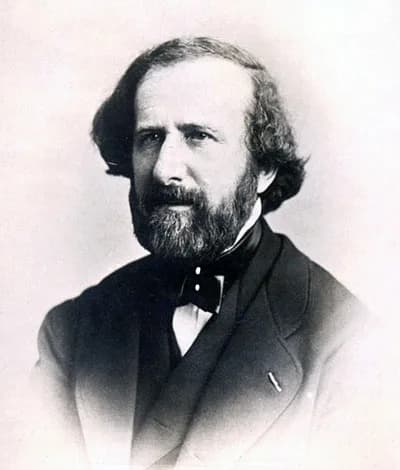
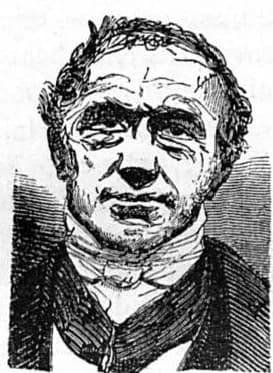
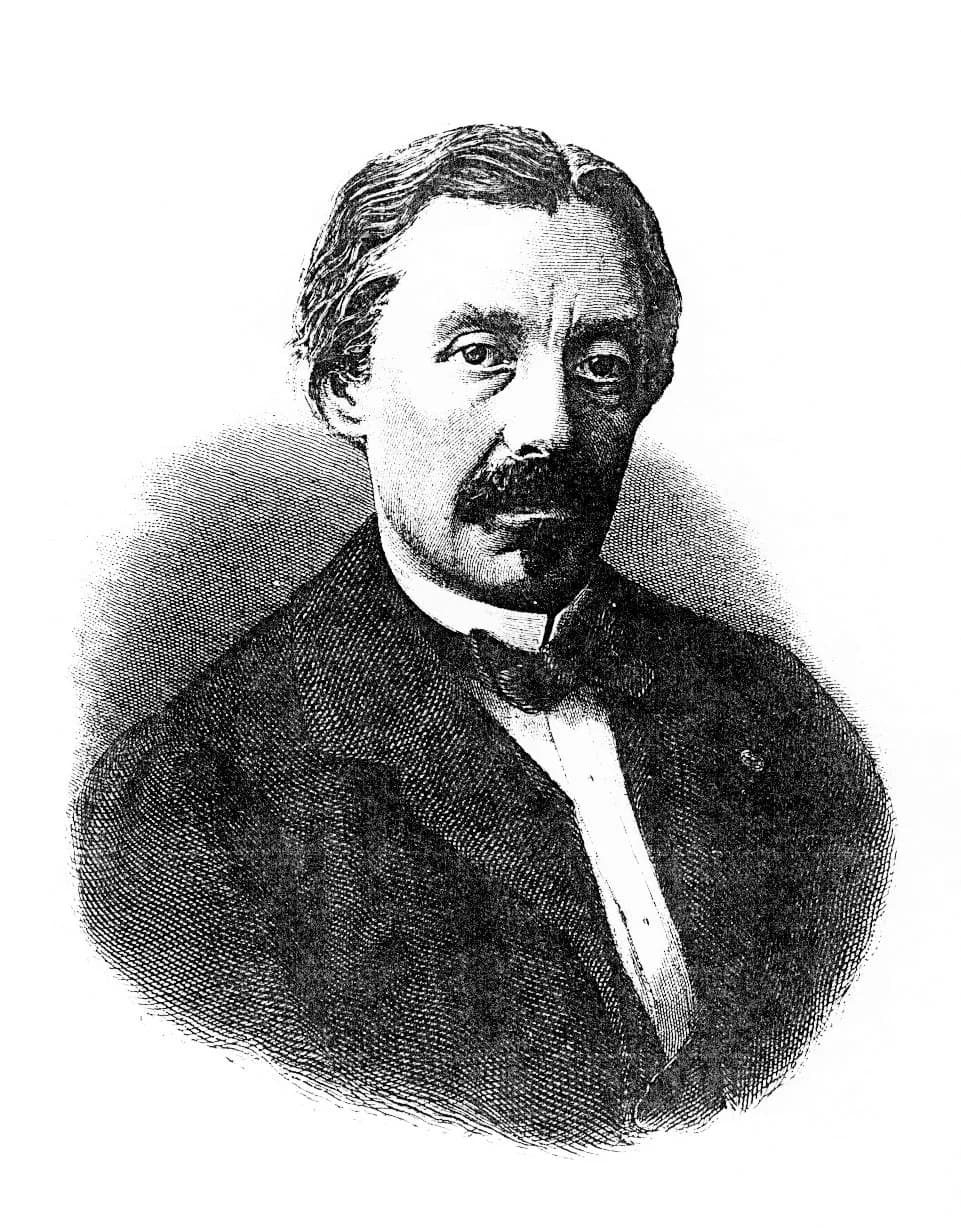
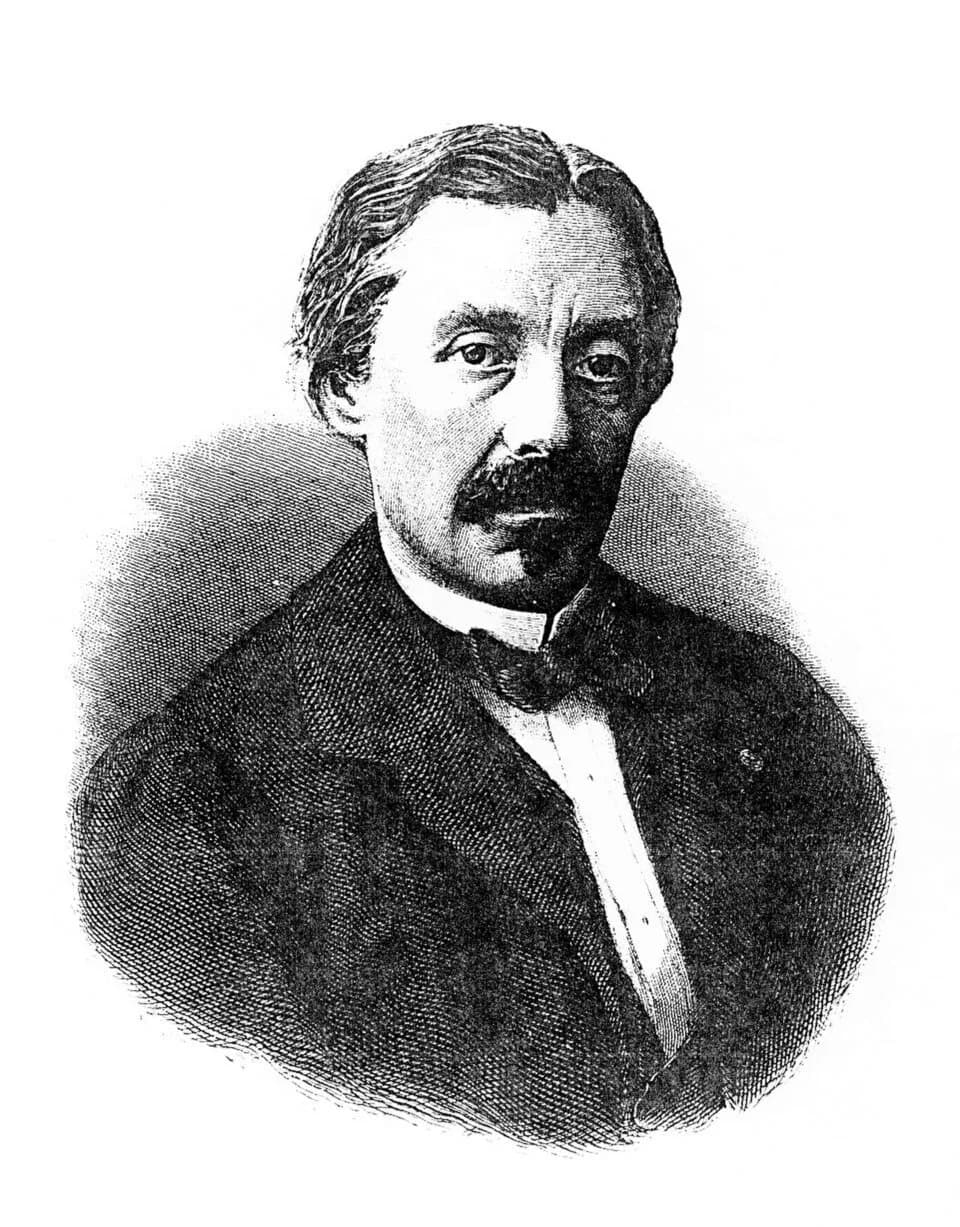
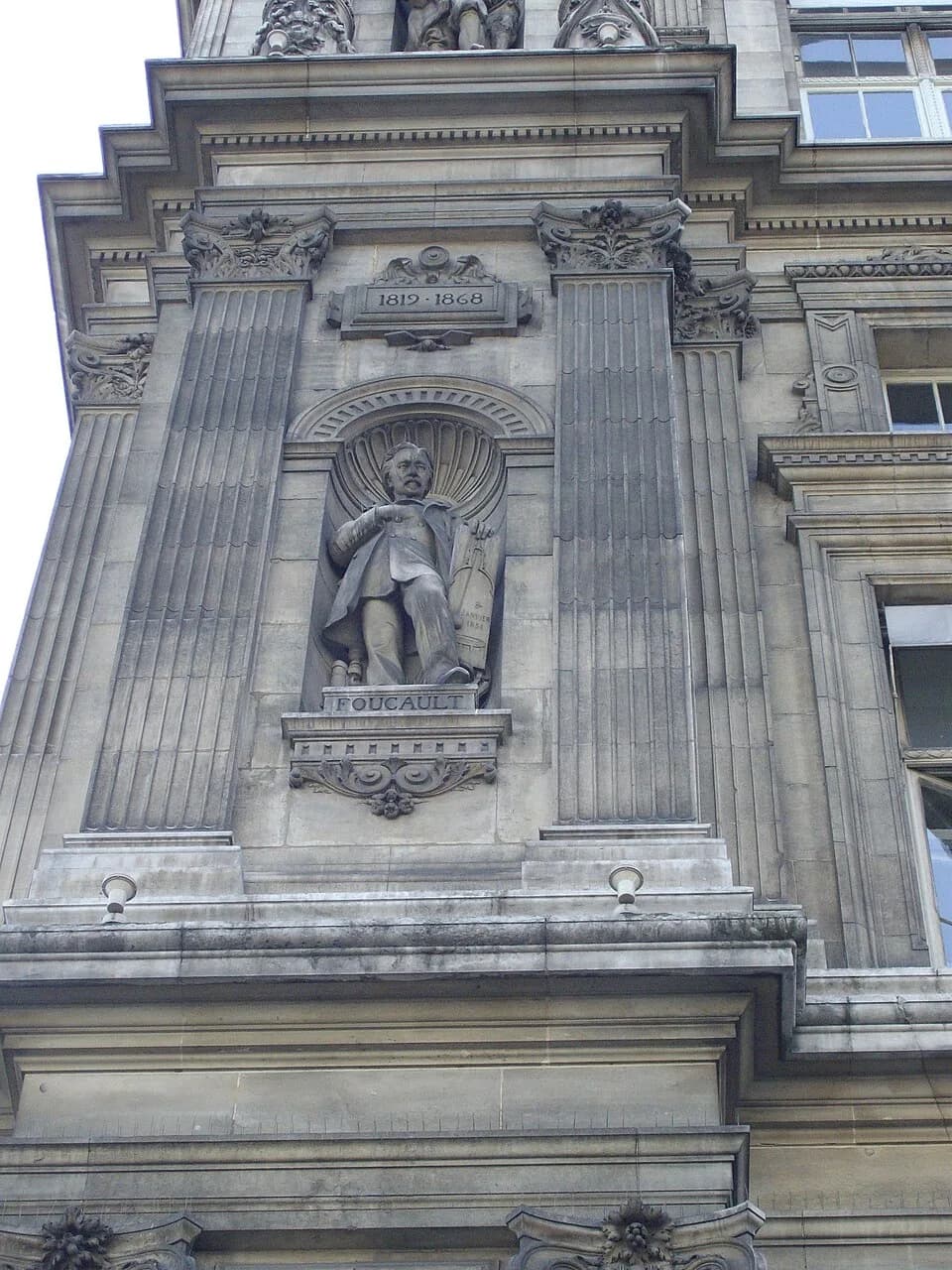
Jean Bernard Léon Foucault (September 18, 1819 – February 11, 1868) was a French physicist and astronomer from Paris, France. He invented the Foucault pendulum, demonstrating Earth's rotation, and made an early measurement of the speed of light. His discoveries and inventions significantly advanced our understanding of the physical world.
Bizitza uneetan
Bizitza moldatu zuten uneak
0 kapitulua
Bizitzako kapituluak
1 kapitulua · 1819· 1. kapitulua 7tik
Early Life and Origins
Jean Bernard Léon Foucault was born in the vibrant city of Paris, France, on September 18, 1819. His early years in the intellectual heart of France provided a fertile ground for the development of a keen scientific mind. Although specific details of his upbringing are not widely known, his Parisian origins placed him at the center of burgeoning scientific thought during the 19th century.
2 kapitulua· 2. kapitulua 7tik
Career Beginnings
Foucault embarked on a career dedicated to physics and astronomy, driven by a natural curiosity and an aptitude for experimental design. His early endeavors laid the groundwork for a series of groundbreaking investigations into various physical phenomena. He quickly established himself as a meticulous researcher, consistently seeking empirical evidence to support scientific theories.
3 kapitulua · 1851· 3. kapitulua 7tik
Major Achievements and Career Highlights
Among Foucault's most celebrated achievements is the invention of the Foucault pendulum, a brilliant device demonstrating the effect of Earth's rotation. This powerful visual proof, first publicly displayed in 1851, captivated audiences and provided undeniable evidence of our planet's movement. It fundamentally changed the way people understood the Earth's daily spin.
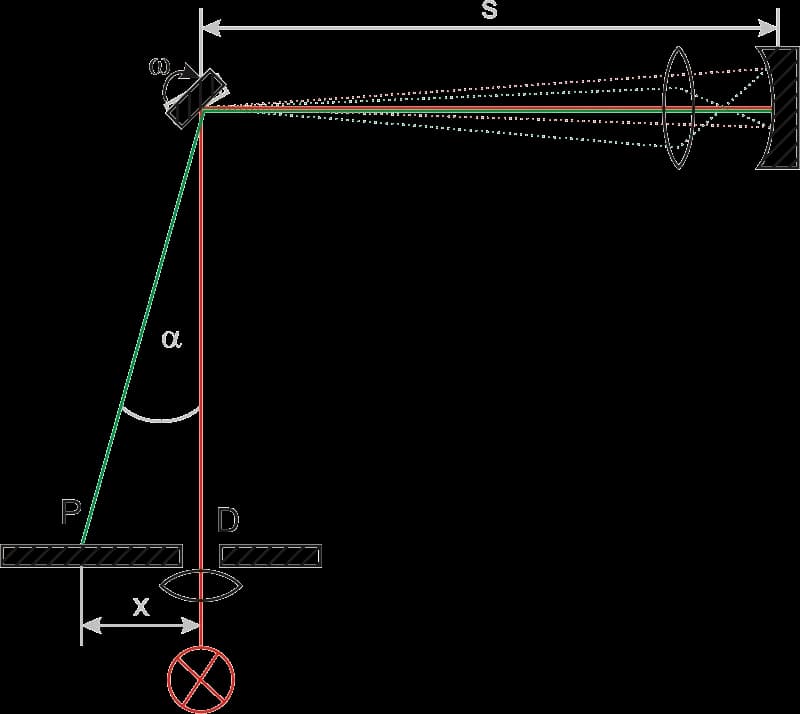
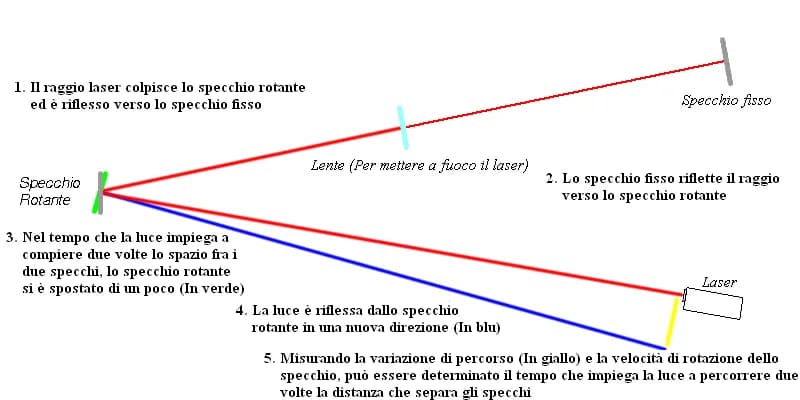
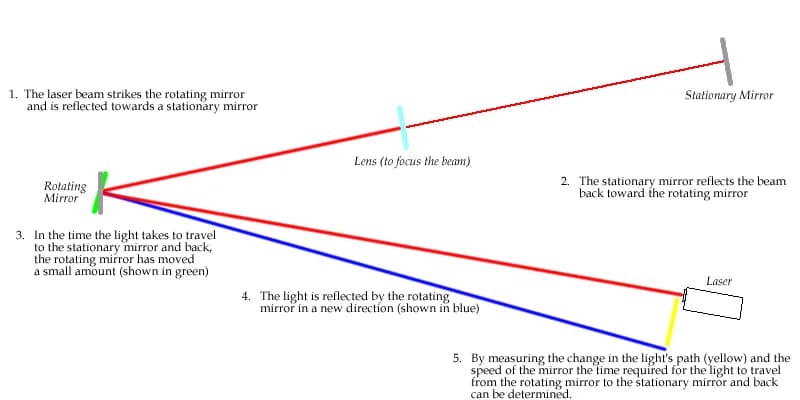
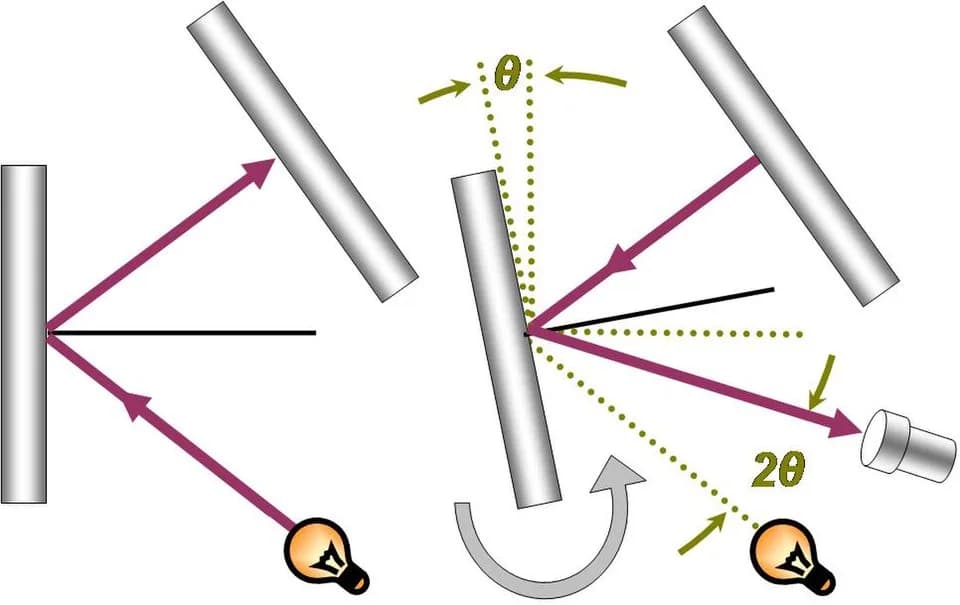
Another significant contribution was his early measurement of the speed of light, performed with remarkable precision for his era. This experimental feat provided crucial data that further refined our understanding of light's properties and propagation. His work contributed significantly to the ongoing quest to accurately quantify this fundamental constant of the universe.
Foucault also discovered eddy currents, which are circulating electric currents induced within conductors by changing magnetic fields. This discovery advanced the field of electromagnetism and found applications in various technologies. Furthermore, he is widely credited with naming the gyroscope, an instrument vital for understanding rotational motion and essential in navigation systems even today.
4 kapitulua· 4. kapitulua 7tik
Personal Life
While the historical record offers extensive documentation of Jean Bernard Léon Foucault's scientific pursuits, details concerning his personal life beyond his professional endeavors are less known. His dedication to scientific inquiry appears to have been the central focus of his life. His enduring legacy in physics and astronomy serves as a testament to his concentrated efforts in the laboratory and observatory.
5 kapitulua· 5. kapitulua 7tik
Notable Works or Contributions
Foucault's notable contributions are etched into the foundations of modern physics. The Foucault pendulum stands as a monument to observational science, offering a tangible demonstration of an abstract concept. His refined methods for measuring the speed of light pushed the boundaries of experimental accuracy and contributed to optics.
The discovery of eddy currents broadened the understanding of electromagnetic interactions, revealing new aspects of how electric and magnetic fields behave. His role in naming the gyroscope provided a clear designation for an instrument that has proven indispensable across numerous scientific and engineering disciplines. Each of these contributions showcases his innovative spirit and careful attention to detail.
6 kapitulua · 1868· 6. kapitulua 7tik
Later Years
Jean Bernard Léon Foucault's productive career continued until his passing in Paris, France, on February 11, 1868. Despite his relatively young age of 48, he had already amassed a body of work that profoundly influenced the scientific community. His final years were undoubtedly characterized by continued engagement with scientific research and discovery.
7 kapitulua· 7. kapitulua 7tik
Legacy and Impact
Jean Bernard Léon Foucault's legacy is immense, profoundly altering the trajectory of physics and astronomy. His inventive spirit led to instruments and experiments that provided tangible proofs for complex phenomena, making science more accessible and understandable. The Foucault pendulum, in particular, remains an iconic demonstration, inspiring wonder and education worldwide.
His precise measurement of the speed of light laid important groundwork for future theories and experiments in physics. The discovery of eddy currents and the naming of the gyroscope further solidified his place as a versatile and influential scientist. Foucault's contributions continue to resonate, reminding us of the power of observation, experimentation, and intellectual curiosity in advancing human knowledge.
Ohiko galderak
Maiz egindako galderak
Noiz hil zen Léon Foucault?
Léon Foucault 1868(e)ko otsailaren 11(a) hil zen Paris, France-n, 48 urte zituela.
Non jaio zen Léon Foucault?
Léon Foucault Paris, France-n jaio zen 1819(e)ko irailaren 18(a).
Zertarako da ezagunena Léon Foucault?
Léon Foucault ezagunena da French physicist-rengatik.
Zenbat urte zituen Léon Foucault-k hil zenean?
Léon Foucault-k 48 urte zituen hil zenean.
Zer nazionalitatekoa zen Léon Foucault?
Léon Foucault France-koa zen.
Denbora-lerroa
Bizitza begirada batean
Argazki galeria
Bizitza iruditan
Egin klik edozein polaroidetan handitzeko · 49 argazki
QR kodea
Partekatu Biografia Hau
Inprimatu eta partekatu
Eskaneatu biografia orri hau bisitatzeko. Inprimatu ekitaldi, erakusketa edo hezkuntza materialetarako.