Jaioa
January 31, 1935
Ōse, Japan
Hila
March 3, 2023
Tokyo, Japan
Ezaugarriak
Japanese writer and Nobel Laureate
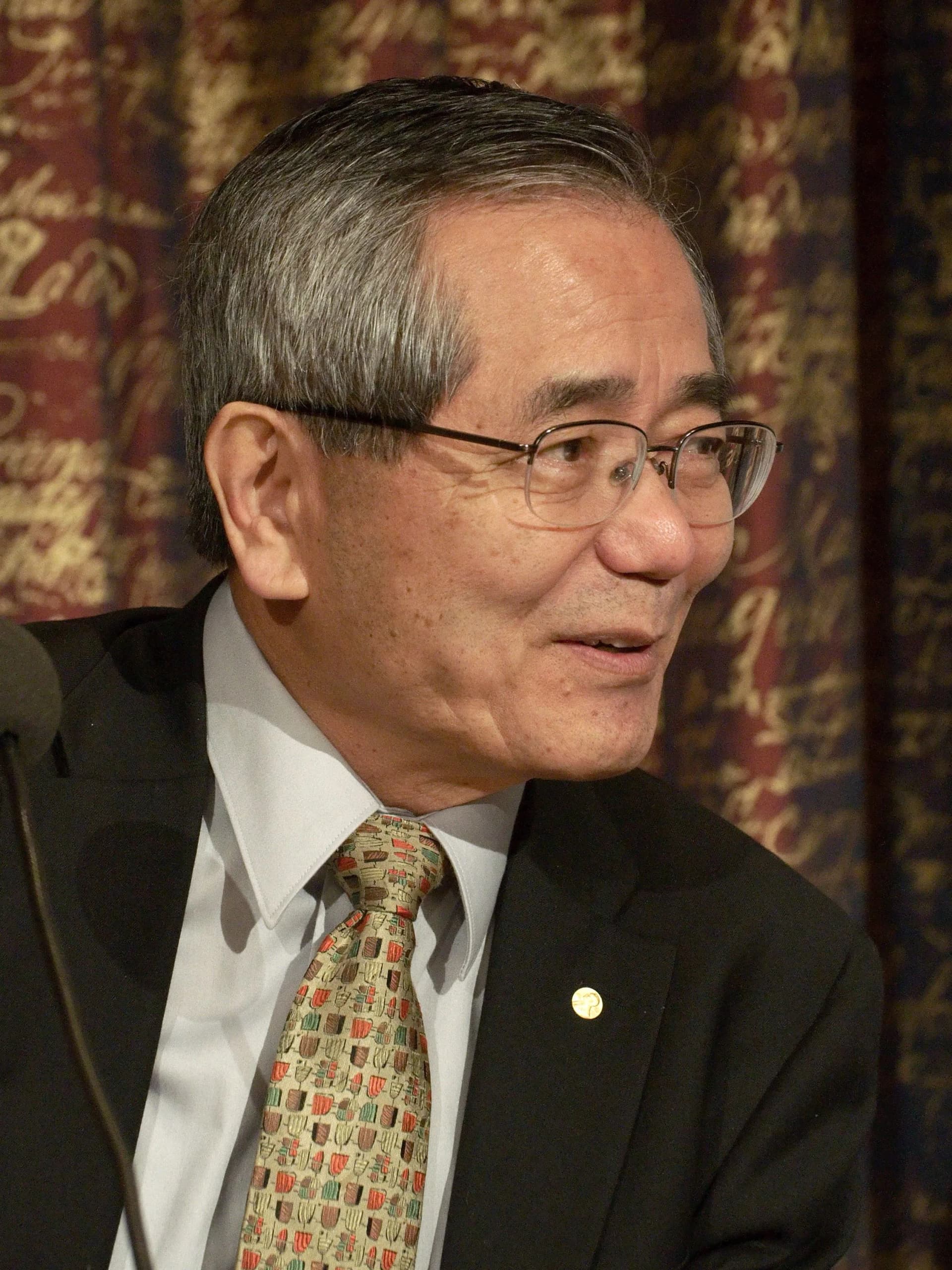
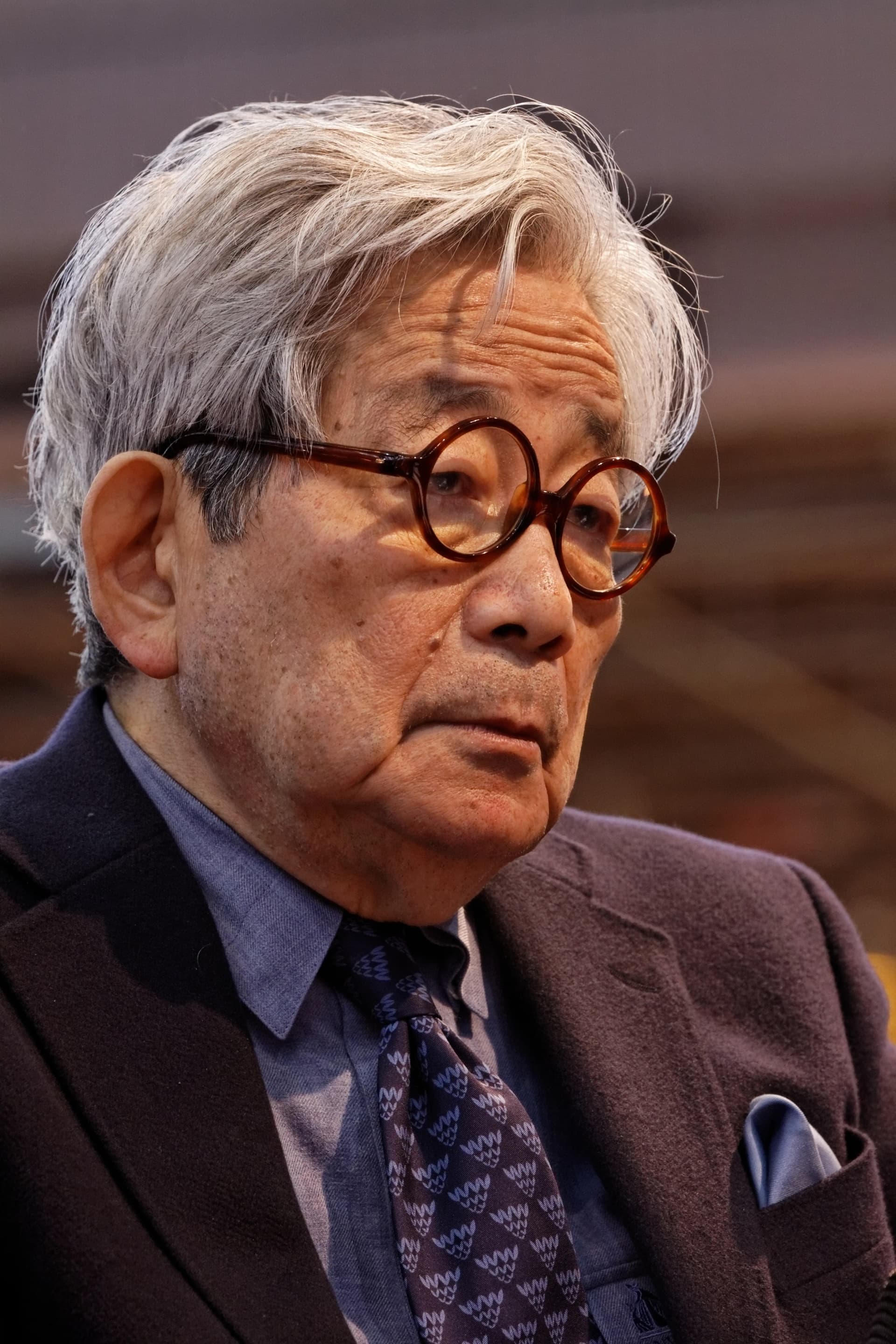
Kenzaburō Ōe (1935–2023) was Japan best known for Japanese writer and Nobel Laureate.
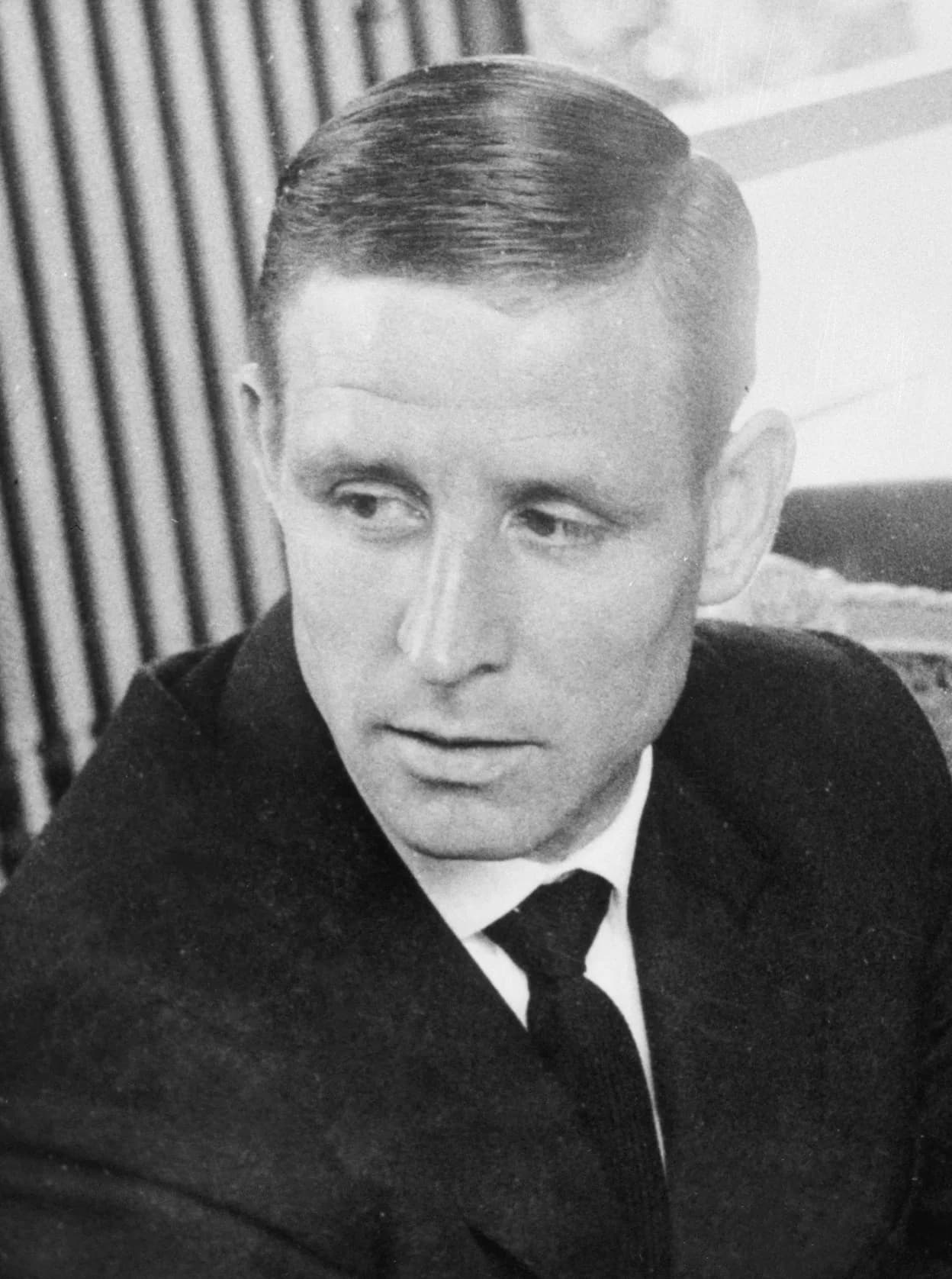
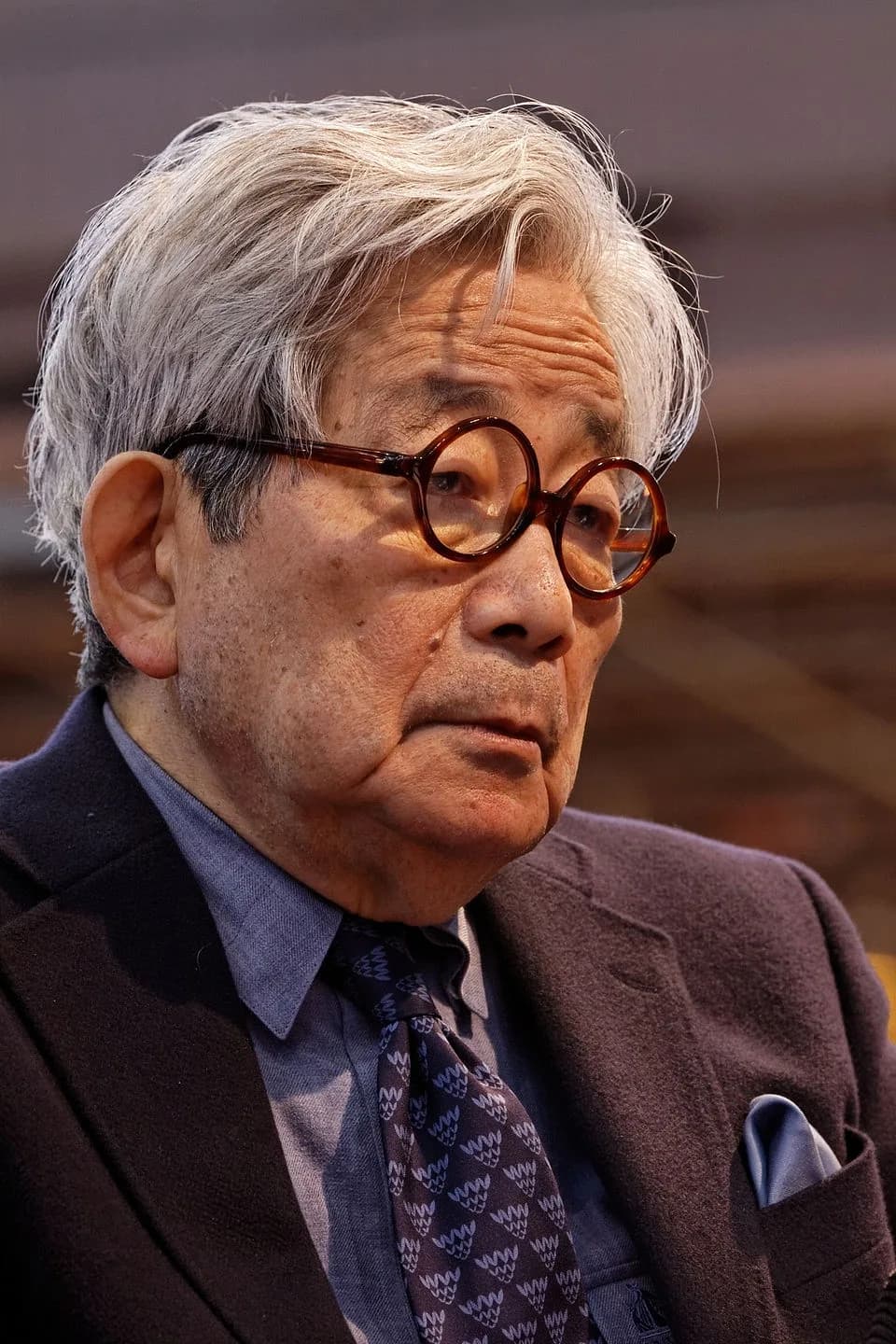
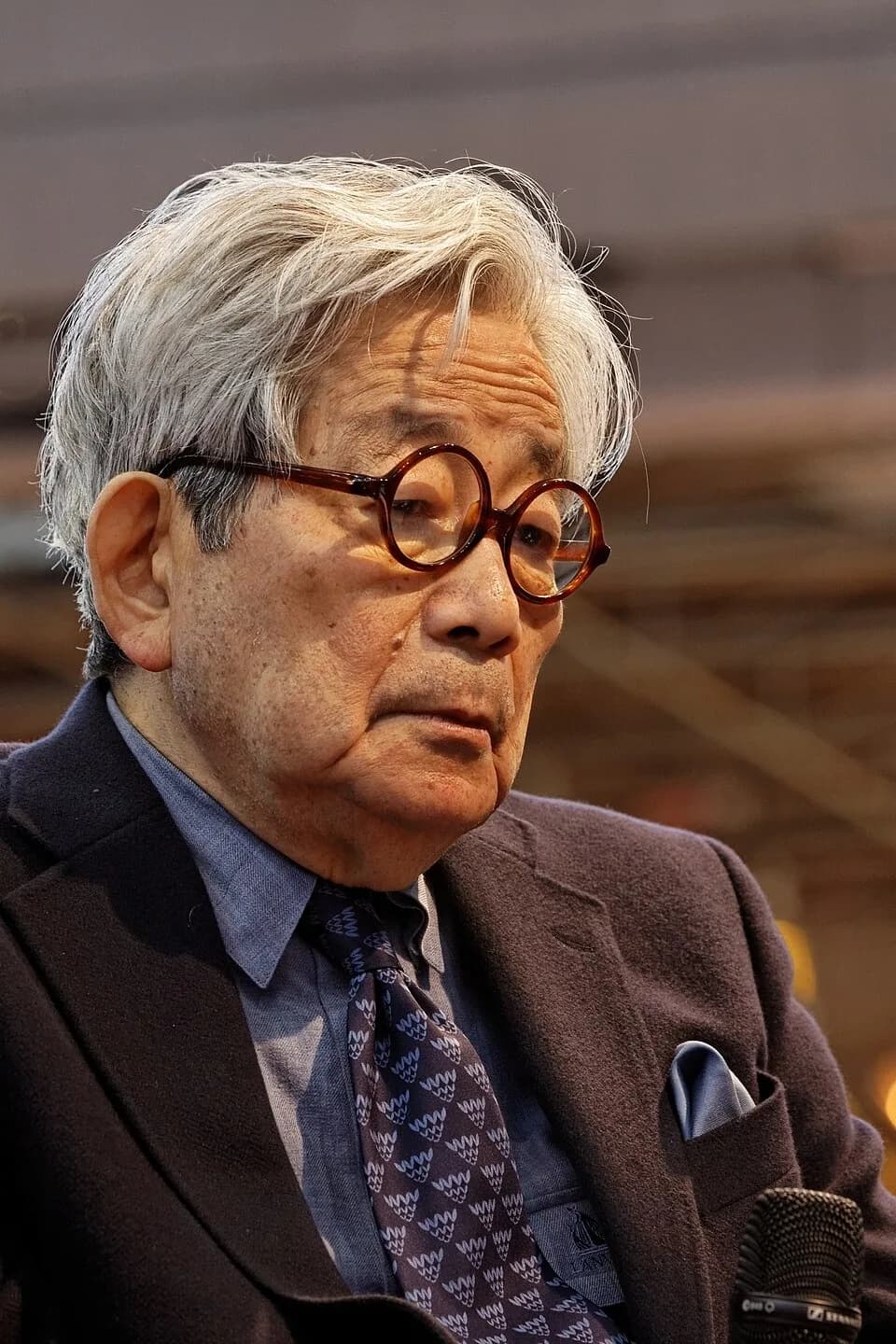
Kenzaburō Ōe (January 31, 1935 – March 3, 2023) was a Japanese writer and Nobel Laureate from Ōse, Japan. He was awarded the 1994 Nobel Prize in Literature for his unique literary contributions. His works explored political, social, and philosophical issues, creating a lasting impact on contemporary Japanese literature.
Bizitza uneetan
Bizitza moldatu zuten uneak
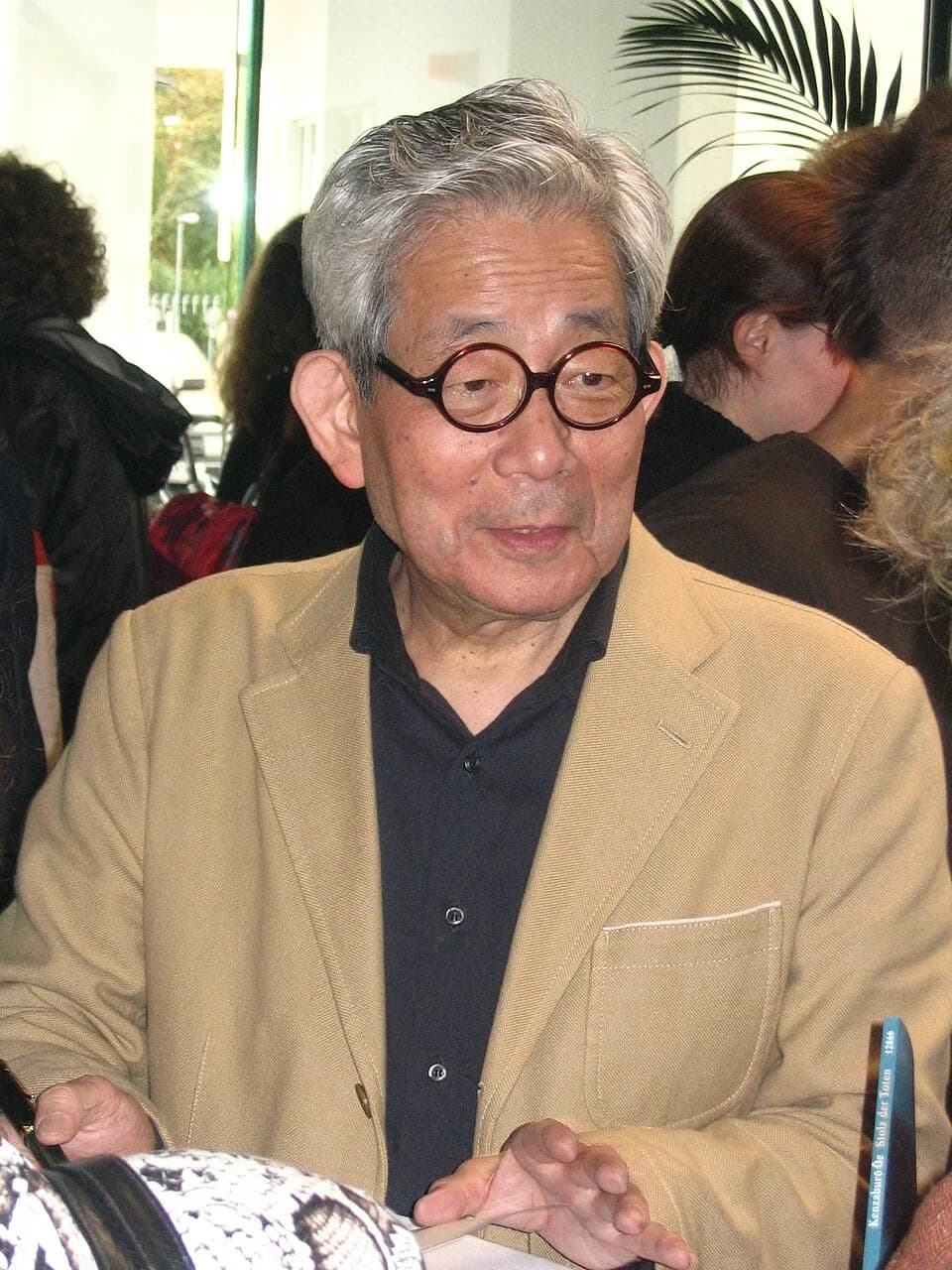
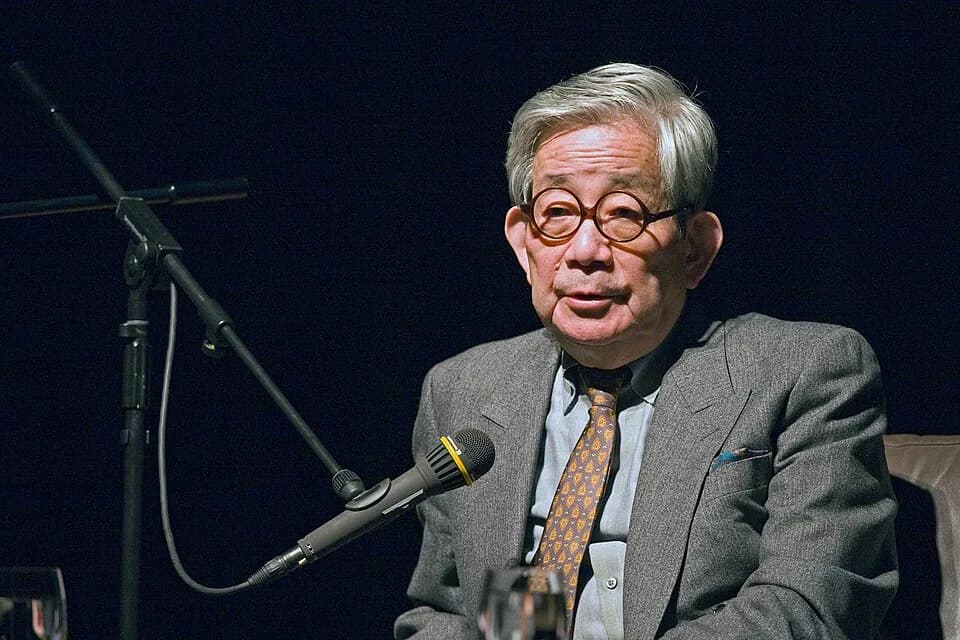
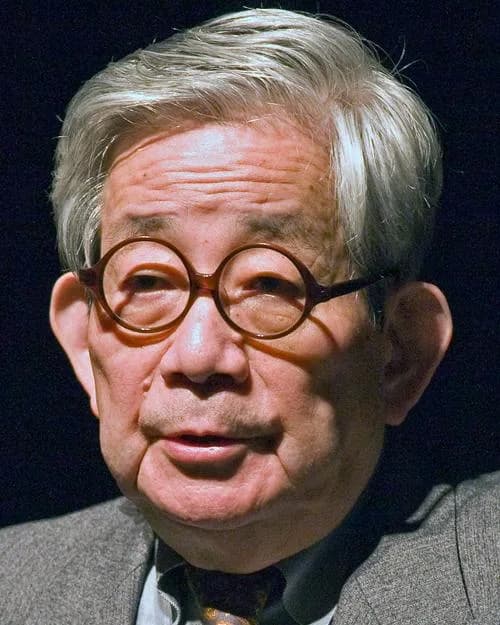
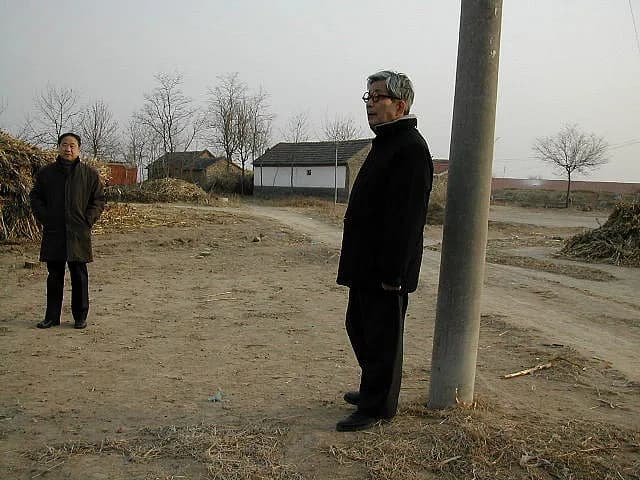
0 kapitulua
Bizitzako kapituluak
1 kapitulua · 1935· 1. kapitulua 7tik
Kenzaburō Ōe: A Literary Legacy
Kenzaburō Ōe (January 31, 1935 – March 3, 2023) was a celebrated Japanese writer and a distinguished Nobel Laureate. He stood as a major figure in contemporary Japanese literature throughout his long and impactful career. His diverse professional life included roles as a screenwriter, university teacher, novelist, essayist, and science fiction writer, showcasing a profound engagement with the literary world.
2 kapitulua · 1935· 2. kapitulua 7tik
Early Life and Origins
Kenzaburō Ōe was born on January 31, 1935, in Ōse, Japan. This rural birthplace provided a backdrop that occasionally influenced the settings and perspectives within his literary creations. His early environment in Japan played a foundational role in shaping his unique worldview and narrative voice.
3 kapitulua· 3. kapitulua 7tik
Career Beginnings
Ōe's literary trajectory was notably shaped by significant influences from French and American literature and literary theory. These early inspirations helped to define his distinctive narrative voice and thematic concerns. He quickly became known for his innovative approach to writing, exploring complex political, social, and philosophical issues from the very start of his career.
4 kapitulua · 1994· 4. kapitulua 7tik
Major Achievements and Career Highlights
A pinnacle of Kenzaburō Ōe's distinguished career was receiving the 1994 Nobel Prize in Literature. The Nobel Committee recognized him for creating “an imagined world, where life and myth condense to form a disconcerting picture of the human predicament today.” This prestigious international award underscored his profound impact on global literature, solidifying his status as a literary giant on the global stage. Beyond his writing, his professional versatility extended to being a screenwriter, university teacher, novelist, essayist, and even a science fiction writer, demonstrating a broad engagement with the literary world.
5 kapitulua· 5. kapitulua 7tik
Notable Works or Contributions
Kenzaburō Ōe's extensive bibliography spans numerous novels, short stories, and essays, all characterized by their rigorous engagement with societal concerns. He frequently addressed pressing political topics, including the implications of nuclear weapons and nuclear power, urging readers to consider their profound impact. His philosophical explorations similarly delved into themes of social non-conformism and existentialism, inviting readers to confront difficult realities and ethical dilemmas.
Among his significant works are `ヒロシマの光`, often associated with his reflections on the atomic bomb, and `われらの狂気を生き延びる道を教えよ`, which explores themes of madness and survival. Other notable titles include `戦後文学者`, `未来の文学者`, `ha-Iluf`, `Drahtseilakte`, `青い廃墟にて`, `青年へ`, `鯨の死滅する日`, and `同時代としての戦後`. His imaginative prose consistently challenged and provoked thought, blending reality with myth to create narratives that were both deeply personal and universally resonant.
6 kapitulua · 2023· 6. kapitulua 7tik
Later Years
Kenzaburō Ōe continued to contribute significantly to literature in his later life, maintaining his status as a respected voice. He remained dedicated to exploring the complexities of human existence and society through his writing. He passed away on March 3, 2023, in Tokyo, Japan, leaving behind an extensive and influential body of work for future generations to explore.
7 kapitulua· 7. kapitulua 7tik
Legacy and Impact
Kenzaburō Ōe's legacy as a major figure in contemporary Japanese literature is firmly established. His distinctive literary style and his commitment to tackling challenging subjects have left an enduring mark on global letters. He is remembered for his poetic force and his ability to craft narratives that offer a disconcerting, yet insightful, picture of the human condition. His work continues to resonate, inspiring new generations of writers and thinkers worldwide.
Ohiko galderak
Maiz egindako galderak
Noiz hil zen Kenzaburō Ōe?
Kenzaburō Ōe 2023(e)ko martxoaren 3(a) hil zen Tokyo, Japan-n, 88 urte zituela.
Non jaio zen Kenzaburō Ōe?
Kenzaburō Ōe Ōse, Japan-n jaio zen 1935(e)ko urtarrilaren 31(a).
Zertarako da ezagunena Kenzaburō Ōe?
Kenzaburō Ōe ezagunena da Japanese writer and Nobel Laureate-rengatik.
Zenbat urte zituen Kenzaburō Ōe-k hil zenean?
Kenzaburō Ōe-k 88 urte zituen hil zenean.
Zer nazionalitatekoa zen Kenzaburō Ōe?
Kenzaburō Ōe Japan-koa zen.
Denbora-lerroa
Bizitza begirada batean
Argazki galeria
Bizitza iruditan
Egin klik edozein polaroidetan handitzeko · 25 argazki
QR kodea
Partekatu Biografia Hau
Inprimatu eta partekatu
Eskaneatu biografia orri hau bisitatzeko. Inprimatu ekitaldi, erakusketa edo hezkuntza materialetarako.