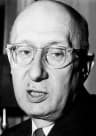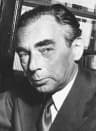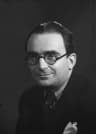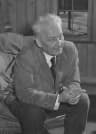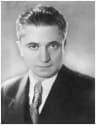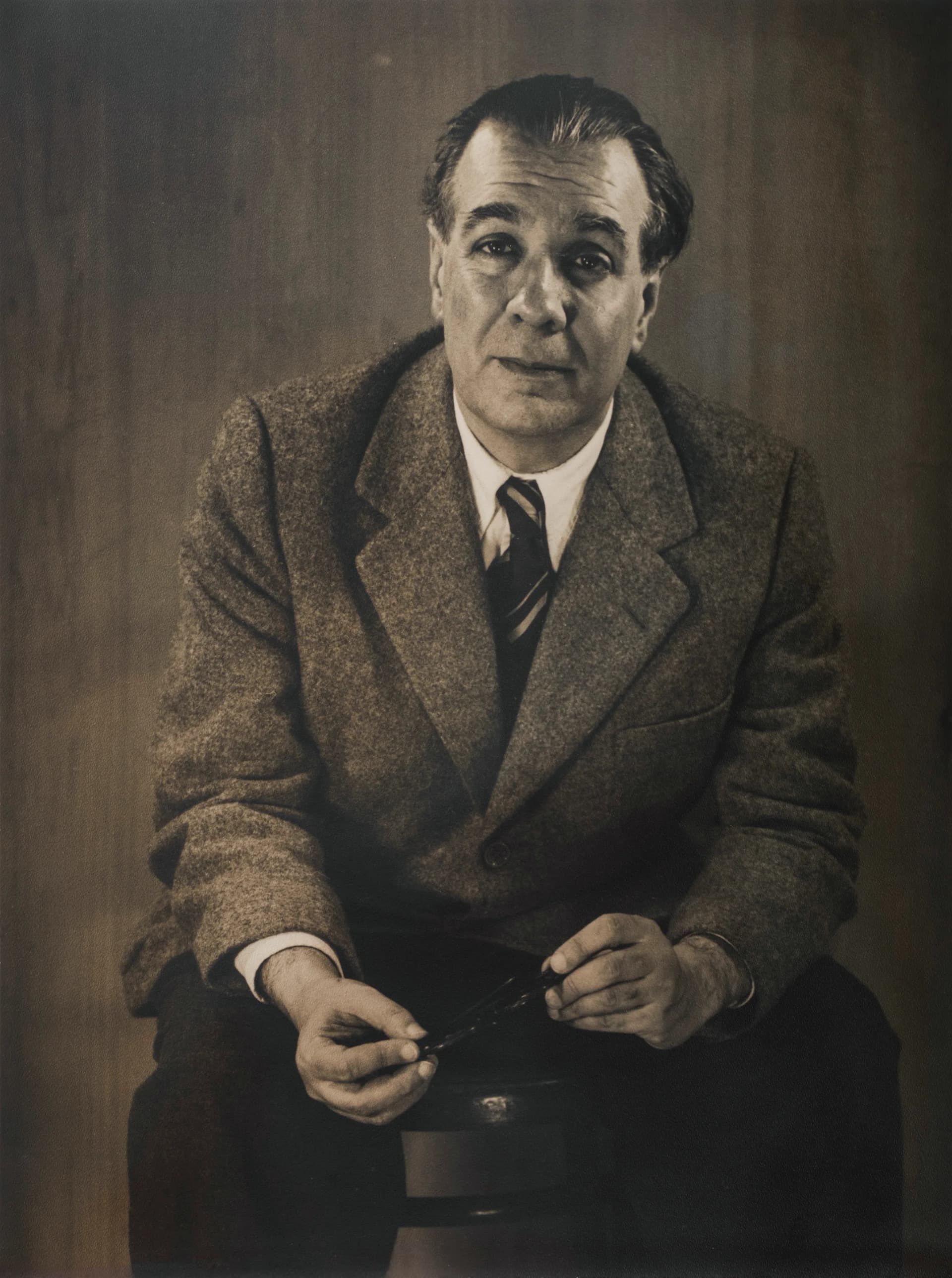
Jaioa
August 24, 1899
Buenos Aires, Argentina
Hila
June 14, 1986
Geneva, Switzerland
Ezaugarriak
Argentine writer, essayist, poet and translator
Jorge Luis Borges (1899–1986) was Argentina best known for Argentine writer, essayist, poet and translator.
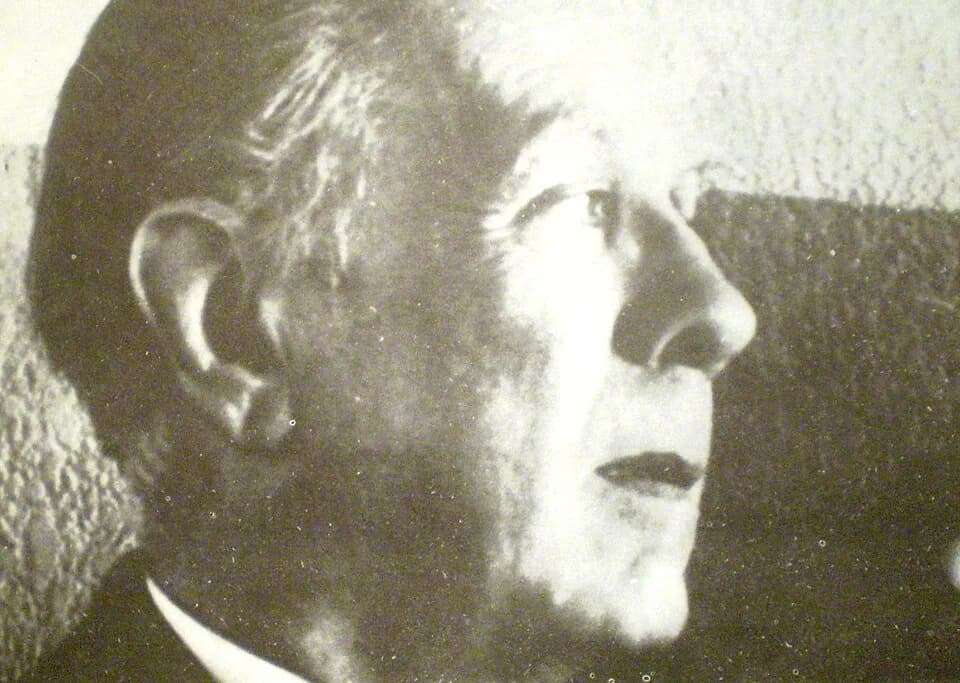
Jorge Luis Borges (August 24, 1899 – June 14, 1986) was an Argentine writer, essayist, poet, and translator. He is renowned for works like Ficciones and El Aleph, exploring complex motifs and influencing philosophical literature and magical realism. His genius reshaped international literature.
0 kapitulua
Bizitzako kapituluak
1 kapitulua · 1899· 1. kapitulua 6tik
Early Life and Origins
Jorge Luis Borges was born on August 24, 1899, in Buenos Aires, Argentina, a city whose vibrant culture would later permeate much of his work. While specific details about his family and upbringing are not extensively provided, his early life in the Argentine capital undoubtedly shaped his unique perspective and intellectual curiosity.
2 kapitulua· 2. kapitulua 6tik
Career Beginnings
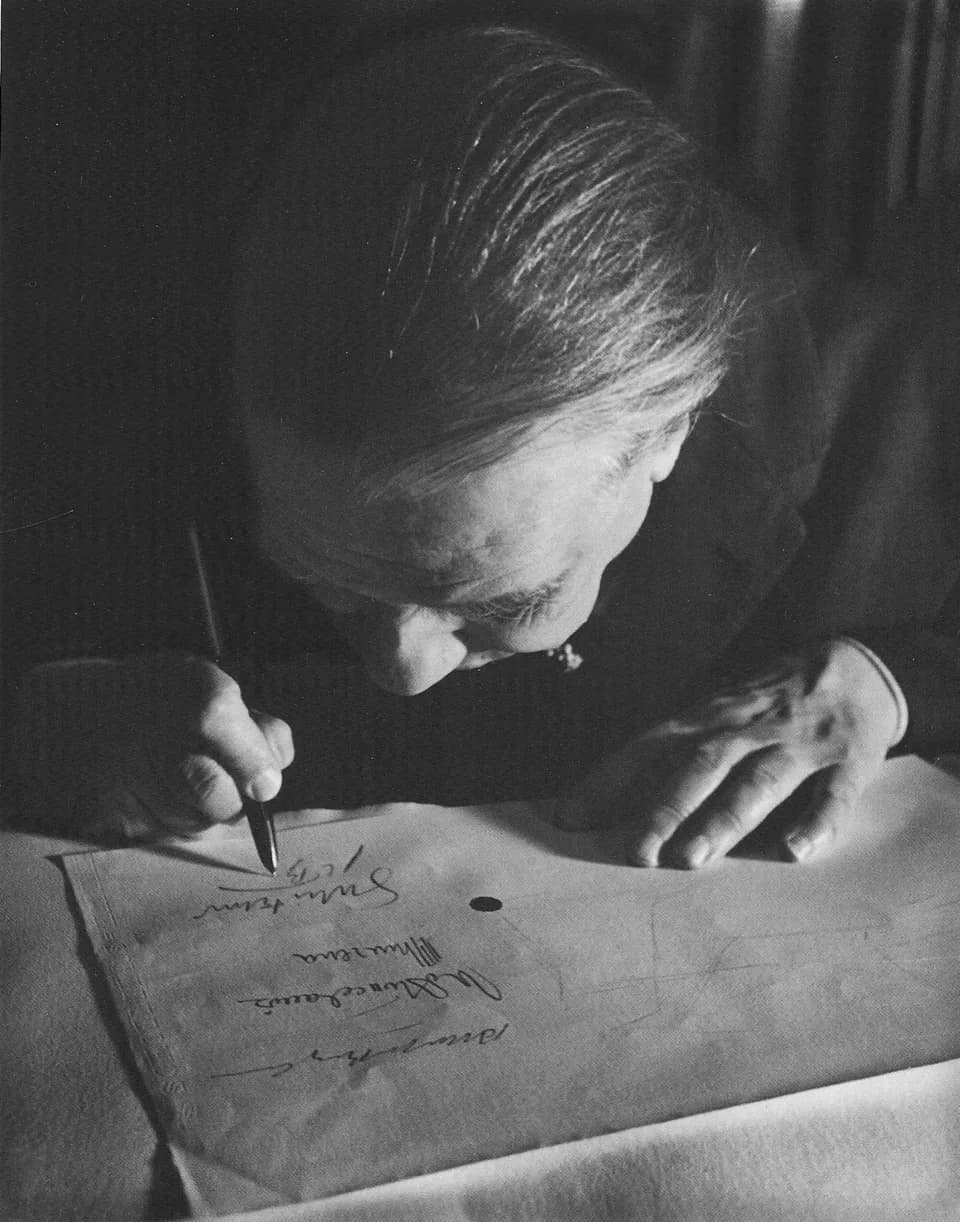
Borges pursued a remarkably diverse professional path that encompassed many facets of the literary world. He was known not only as a writer and poet but also as a librarian, translator, literary critic, and opinion journalist. This breadth of experience provided him with a unique insight into the mechanics of storytelling and the vast landscapes of world literature.
His early career saw him hone his craft across various forms, laying the groundwork for the innovative short stories and essays that would define his legacy. Although details of his earliest specific publications are scarce, his formative years as a literary professional clearly contributed to his distinctive voice and style.
3 kapitulua· 3. kapitulua 6tik
Major Achievements and Career Highlights
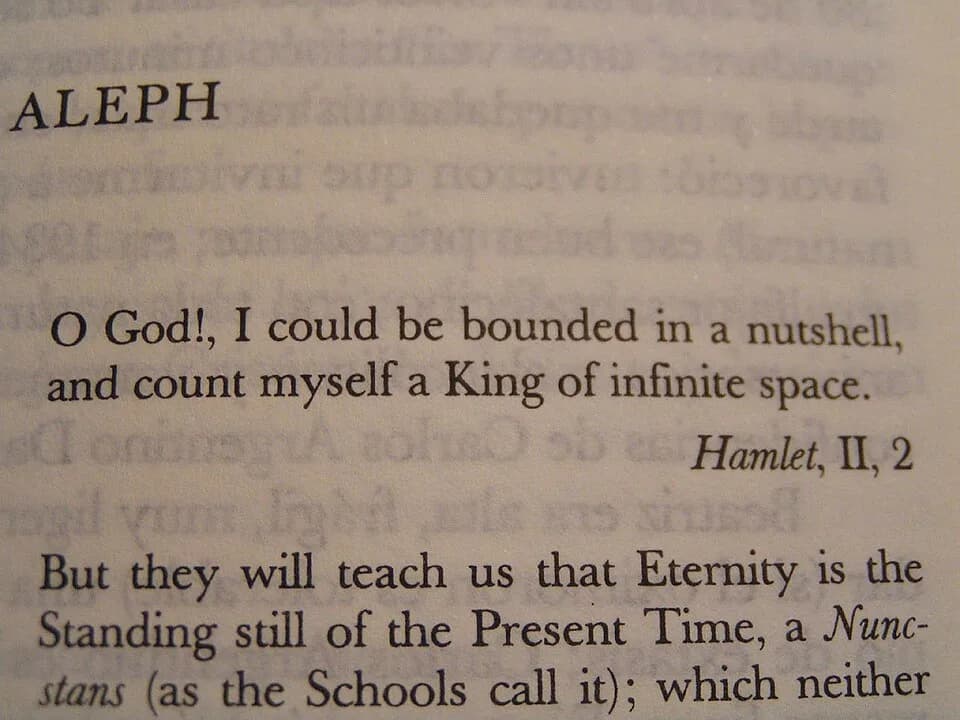
Borges's most significant achievements arrived with the publication of his iconic collections, Ficciones and El Aleph, both released in the 1940s. These works cemented his reputation as a master of the short story, delving into complex motifs such as dreams, labyrinths, chance, and infinity. He also explored themes of archives, mirrors, fictional writers, and mythology, creating rich, layered narratives that defied easy categorization.
His literary contributions extended beyond narrative innovation; Borges profoundly impacted philosophical literature and the fantasy genre. He is widely recognized for his major influence on the magical realist movement, which swept through 20th-century Latin American literature. His unique blend of the real and the fantastical opened new avenues for storytelling and critical thought.
4 kapitulua · 1935· 4. kapitulua 6tik
Notable Works or Contributions
Among Borges's expansive bibliography, Ficciones (published between 1935 and 1944) stands as a monumental collection of short stories, showcasing his imaginative prowess and intellectual depth. This collection, alongside El Aleph, introduced readers to his signature style of compact, meticulously crafted narratives. Each story in these volumes functions as a philosophical puzzle or a fantastical journey, inviting readers into intricate worlds of ideas.
His other notable works include Cuentos de Jorge Luis Borges, La Biblioteca total, and La rosa profunda, which further demonstrate his versatility as a writer. Borges also contributed to significant anthologies like The Oxford Book of Gothic Tales and Antología de la literatura fantástica, cementing his place in broader literary traditions. His roles as a translator and literary critic also enriched the global literary discourse, bringing new perspectives to both classic and contemporary texts.
5 kapitulua · 1986· 5. kapitulua 6tik
Later Years
Jorge Luis Borges continued to write and influence the literary world until his passing on June 14, 1986, in Geneva, Switzerland. Even in his final years, his intellectual curiosity and creative spirit remained undiminished, leaving behind an unparalleled body of work. His death marked the end of an era but underscored the timelessness of his literary contributions.
6 kapitulua· 6. kapitulua 6tik
Legacy and Impact
The legacy of Jorge Luis Borges is immense, solidifying his position as a true titan of Spanish-language and international literature. His innovative approach to narrative structure and his philosophical depth continue to inspire countless writers and scholars. Borges reshaped the possibilities of the short story, blending genres and blurring the lines between reality and fiction.
His influence resonates deeply within philosophical literature, the fantasy genre, and especially the magical realist movement, which he helped to define. Borges’s works are studied, analyzed, and celebrated worldwide, ensuring that his unique vision and intellectual inquiries endure for future generations. His brilliance forever changed how stories are told and understood.
Bizitza uneetan
Bizitza moldatu zuten uneak
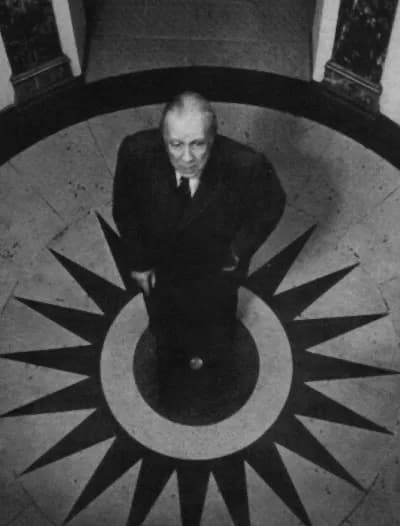

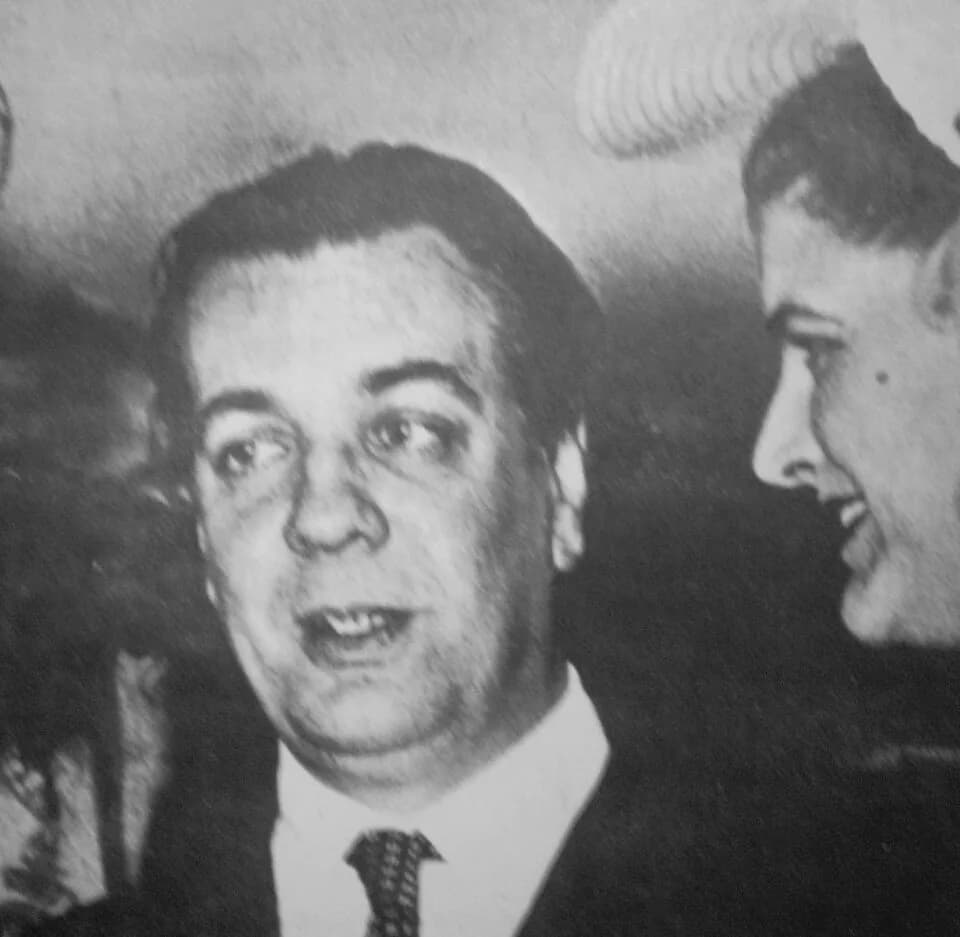
Ohiko galderak
Maiz egindako galderak
Noiz hil zen Jorge Luis Borges?
Jorge Luis Borges 1986(e)ko ekainaren 14(a) hil zen Geneva, Switzerland-n, 86 urte zituela.
Non jaio zen Jorge Luis Borges?
Jorge Luis Borges Buenos Aires, Argentina-n jaio zen 1899(e)ko abuztuaren 24(a).
Zertarako da ezagunena Jorge Luis Borges?
Jorge Luis Borges ezagunena da Argentine writer, essayist, poet and translator-rengatik.
Zenbat urte zituen Jorge Luis Borges-k hil zenean?
Jorge Luis Borges-k 86 urte zituen hil zenean.
Zer nazionalitatekoa zen Jorge Luis Borges?
Jorge Luis Borges Argentina-koa zen.
Denbora-lerroa
Bizitza begirada batean
Argazki galeria
Bizitza iruditan
Egin klik edozein polaroidetan handitzeko · 50 argazki
QR kodea
Partekatu Biografia Hau
Inprimatu eta partekatu
Eskaneatu biografia orri hau bisitatzeko. Inprimatu ekitaldi, erakusketa edo hezkuntza materialetarako.