Jaioa
December 18, 1856
Cheetham Hill, United Kingdom
Hila
August 30, 1940
Cambridge, United Kingdom
Ezaugarriak
British physicist
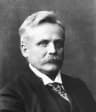
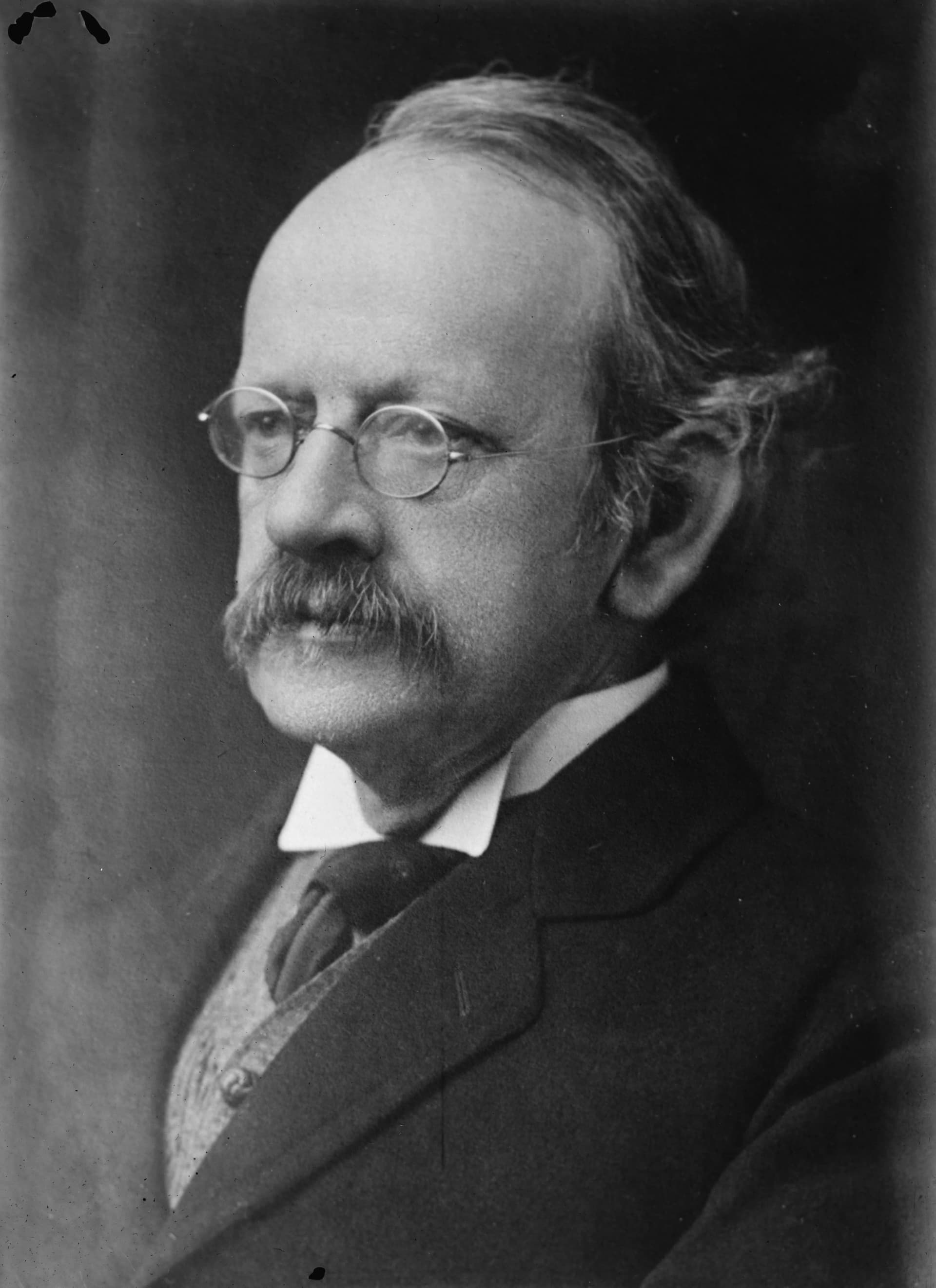
J. J. Thomson (1856–1940) was United Kingdom best known for British physicist.
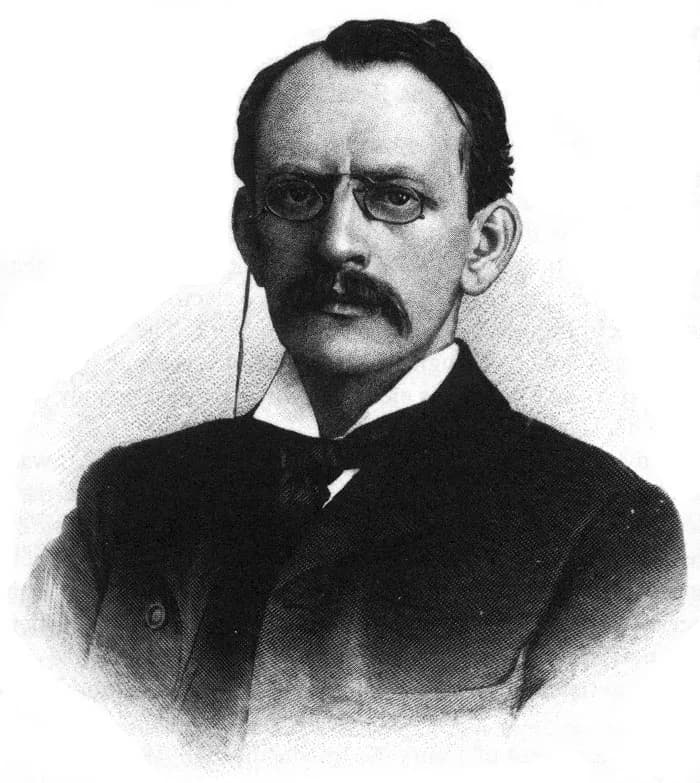
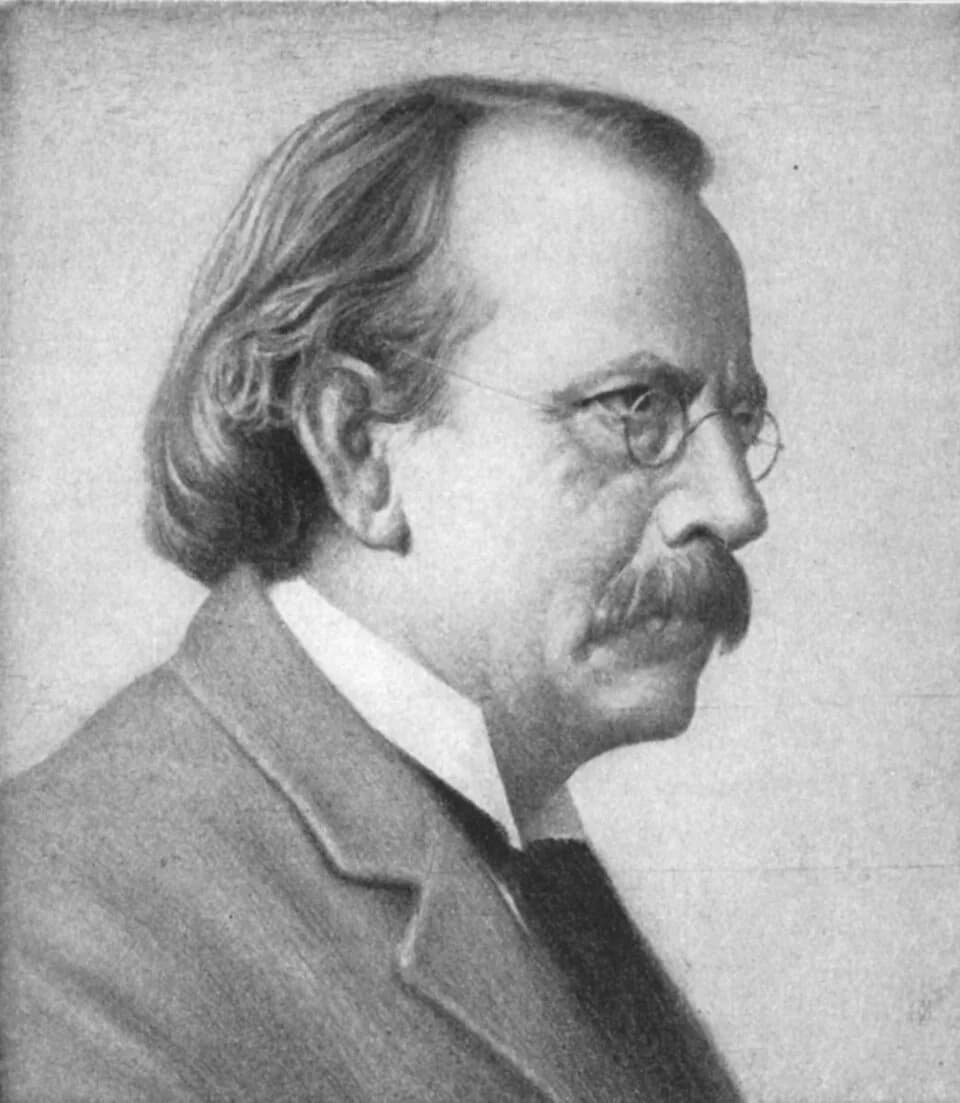
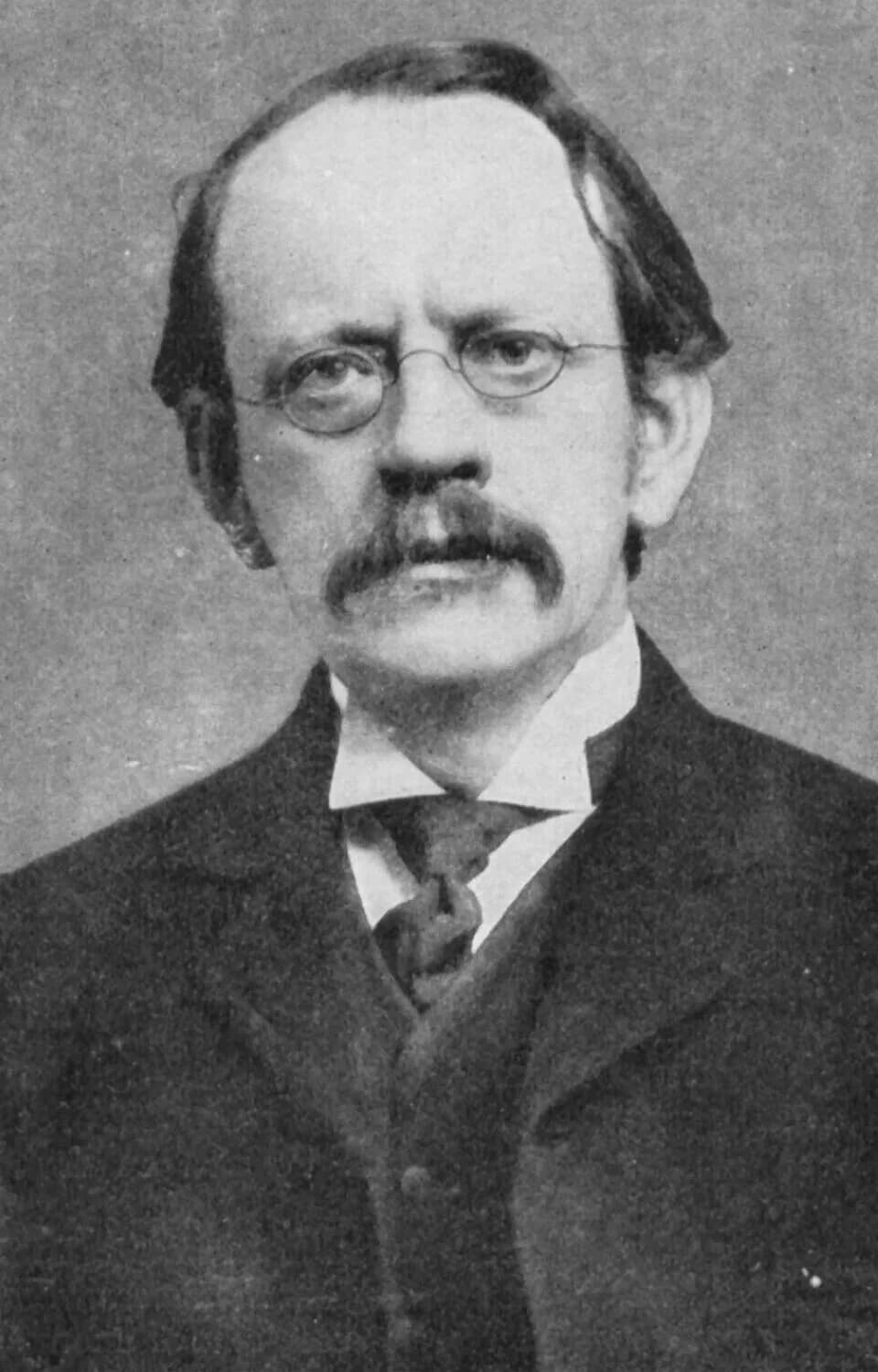
Sir Joseph John Thomson (December 18, 1856 – August 30, 1940) was a British physicist from the United Kingdom. He discovered the electron in 1897, a fundamental advance in understanding atomic structure. His work earned him the 1906 Nobel Prize in Physics.
0 kapitulua
Bizitzako kapituluak
1 kapitulua · 1856· 1. kapitulua 7tik
Opening Tribute
Sir Joseph John Thomson (1856 – 1940) was a distinguished British physicist whose pioneering work fundamentally reshaped our understanding of matter. Born on December 18, 1856, in Cheetham Hill, United Kingdom, and passing on August 30, 1940, in Cambridge, United Kingdom, Thomson is celebrated for his revolutionary discovery of the electron. This discovery earned him the 1906 Nobel Prize in Physics, recognizing his extensive investigations into the conduction of electricity by gases.
2 kapitulua · 1856· 2. kapitulua 7tik
Early Life and Origins
Joseph John Thomson was born on December 18, 1856, in Cheetham Hill, United Kingdom. His early life in Cheetham Hill set the stage for a career dedicated to scientific inquiry. He later pursued extensive studies in mathematics and physics, laying the groundwork for his future contributions to science.
3 kapitulua· 3. kapitulua 7tik
Career Beginnings
Thomson's path led him into the demanding fields of mathematics and physics, where he developed into a skilled physicist and mathematician. He began his career as a university teacher, cultivating a strong academic foundation. His early investigations likely focused on theoretical and experimental aspects of physics, preparing him for his most significant discoveries.
4 kapitulua · 1897· 4. kapitulua 7tik
Major Achievements and Career Highlights
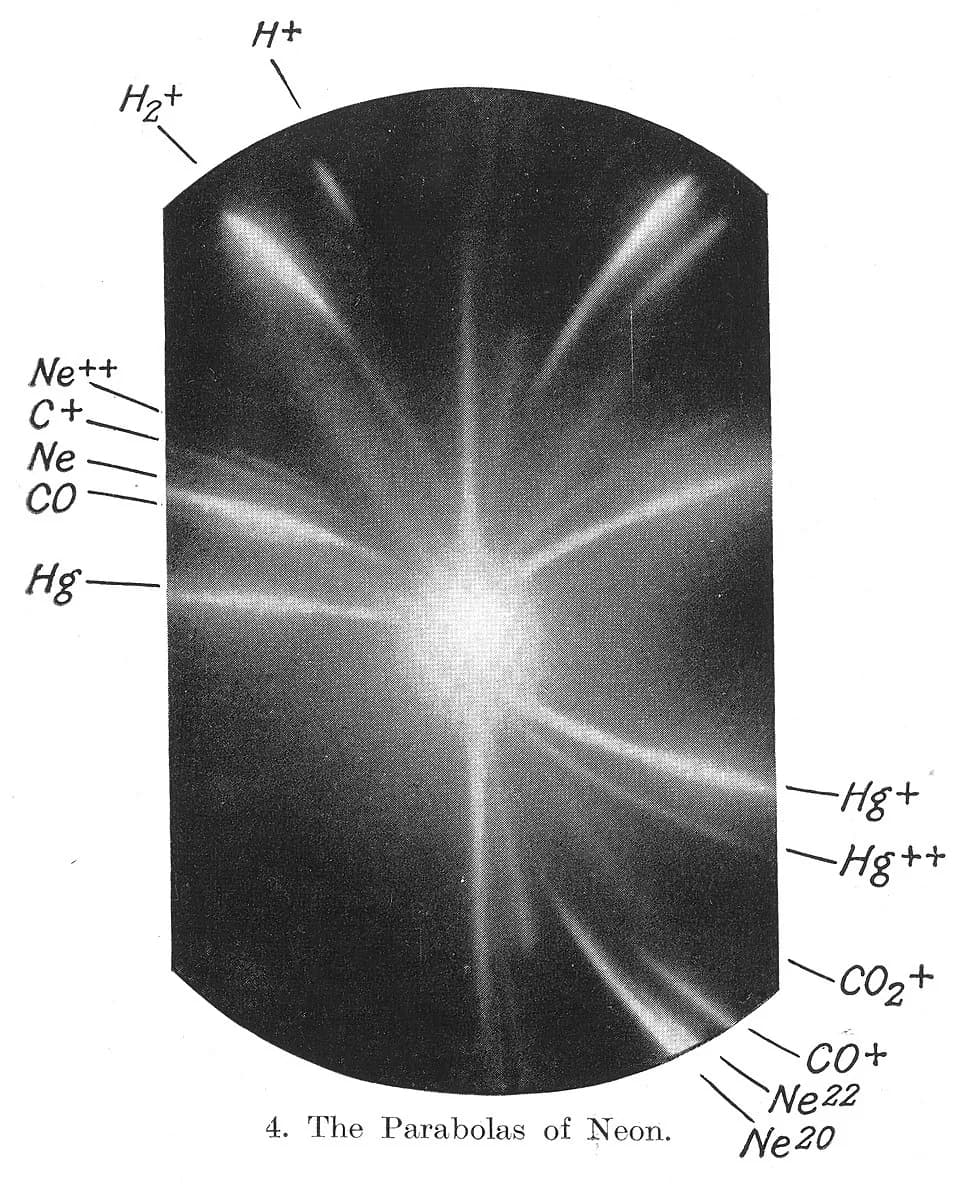
A defining moment in Thomson's career came in 1897, when he demonstrated that cathode rays were composed of previously unknown negatively charged particles. He meticulously calculated that these particles must have bodies much smaller than atoms and possess a very large charge-to-mass ratio. This momentous finding led to the identification of the electron, marking the discovery of the first subatomic particle.
His exceptional theoretical and experimental investigations on the conduction of electricity by gases garnered widespread recognition. For these efforts, Joseph John Thomson was awarded the 1906 Nobel Prize in Physics. This prestigious award acknowledged the immense significance of his contributions to the scientific community, particularly in understanding electricity's behavior in gases.
5 kapitulua · 1855· 5. kapitulua 7tik
Notable Works or Contributions
Beyond his pioneering work on the electron, Thomson's intellectual curiosity extended to various areas of physics and mathematics, reflected in his academic publications. His early work included 'XLII. On certain curious motions observable at the surfaces of wine and other alcoholic liquors,' published in 1855, which received 257 citations. This paper highlighted his early engagement with fluid dynamics and surface phenomena.
Other significant contributions include 'I. On crystallization and liquefaction, as influenced by stresses tending to change of form in the crystals,' cited 30 times, and 'III. On an integrating machine having a new kinematic principle,' with 24 citations. These works demonstrate his diverse research interests, from material science to mechanical principles and instrumentation. Further contributions like 'I. Considerations on the abrupt change at boiling or conden sing in reference to the continuity of the fluid state of matter' and a 'Report made to the President and Council of the Royal Society, of experiments on the friction of discs revolving in water' underscored his broad scientific engagement.
6 kapitulua · 1940· 6. kapitulua 7tik
Later Years
Joseph John Thomson continued his dedicated work in the scientific community for many years following his Nobel recognition. He passed away on August 30, 1940, in Cambridge, United Kingdom. His long and distinguished career, which concluded in Cambridge, saw him contribute significantly to physics throughout his life.
7 kapitulua· 7. kapitulua 7tik
Legacy and Impact
The legacy of J. J. Thomson is immense, fundamentally altering the course of physics and our understanding of matter. His discovery of the electron not only introduced the first subatomic particle but also opened up an entirely new field of atomic and particle physics. This work provided the foundational knowledge for future scientific advancements and technological innovations.
Thomson's meticulous experimental methods and theoretical insights established new standards for scientific inquiry. His influence extended through his role as a university teacher, shaping generations of physicists. He is remembered as a true pioneer whose intellect illuminated the unseen world of the atom and laid crucial groundwork for modern science.
Bizitza uneetan
Bizitza moldatu zuten uneak
Ohiko galderak
Maiz egindako galderak
Noiz hil zen J. J. Thomson?
J. J. Thomson 1940(e)ko abuztuaren 30(a) hil zen Cambridge, United Kingdom-n, 83 urte zituela.
Non jaio zen J. J. Thomson?
J. J. Thomson Cheetham Hill, United Kingdom-n jaio zen 1856(e)ko abenduaren 18(a).
Zertarako da ezagunena J. J. Thomson?
J. J. Thomson ezagunena da British physicist-rengatik.
Zenbat urte zituen J. J. Thomson-k hil zenean?
J. J. Thomson-k 83 urte zituen hil zenean.
Zer nazionalitatekoa zen J. J. Thomson?
J. J. Thomson United Kingdom-koa zen.
Denbora-lerroa
Bizitza begirada batean
Argazki galeria
Bizitza iruditan
Egin klik edozein polaroidetan handitzeko · 44 argazki
QR kodea
Partekatu Biografia Hau
Inprimatu eta partekatu
Eskaneatu biografia orri hau bisitatzeko. Inprimatu ekitaldi, erakusketa edo hezkuntza materialetarako.