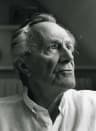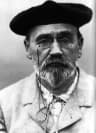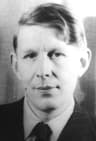
Jaioa
August 1, 1924
Dubrovytsia, Ukraine
Hila
September 29, 2010
Paris, France
Ezaugarriak
French physicist
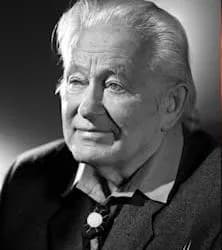
Georges Charpak (1924–2010) was Ukraine best known for French physicist.
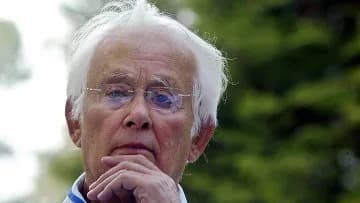
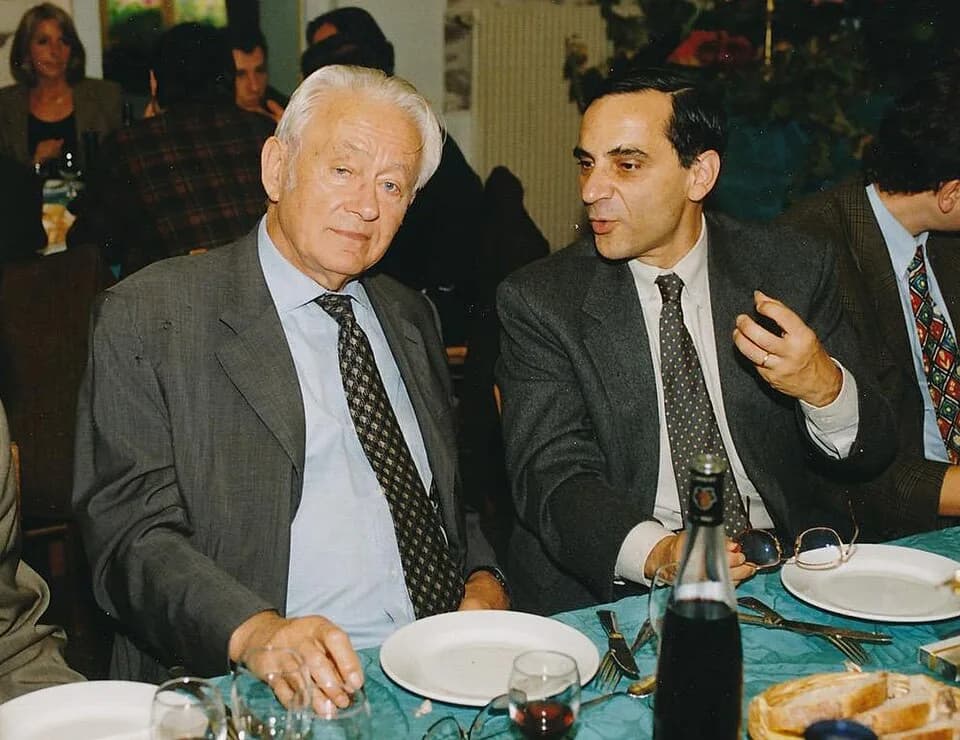
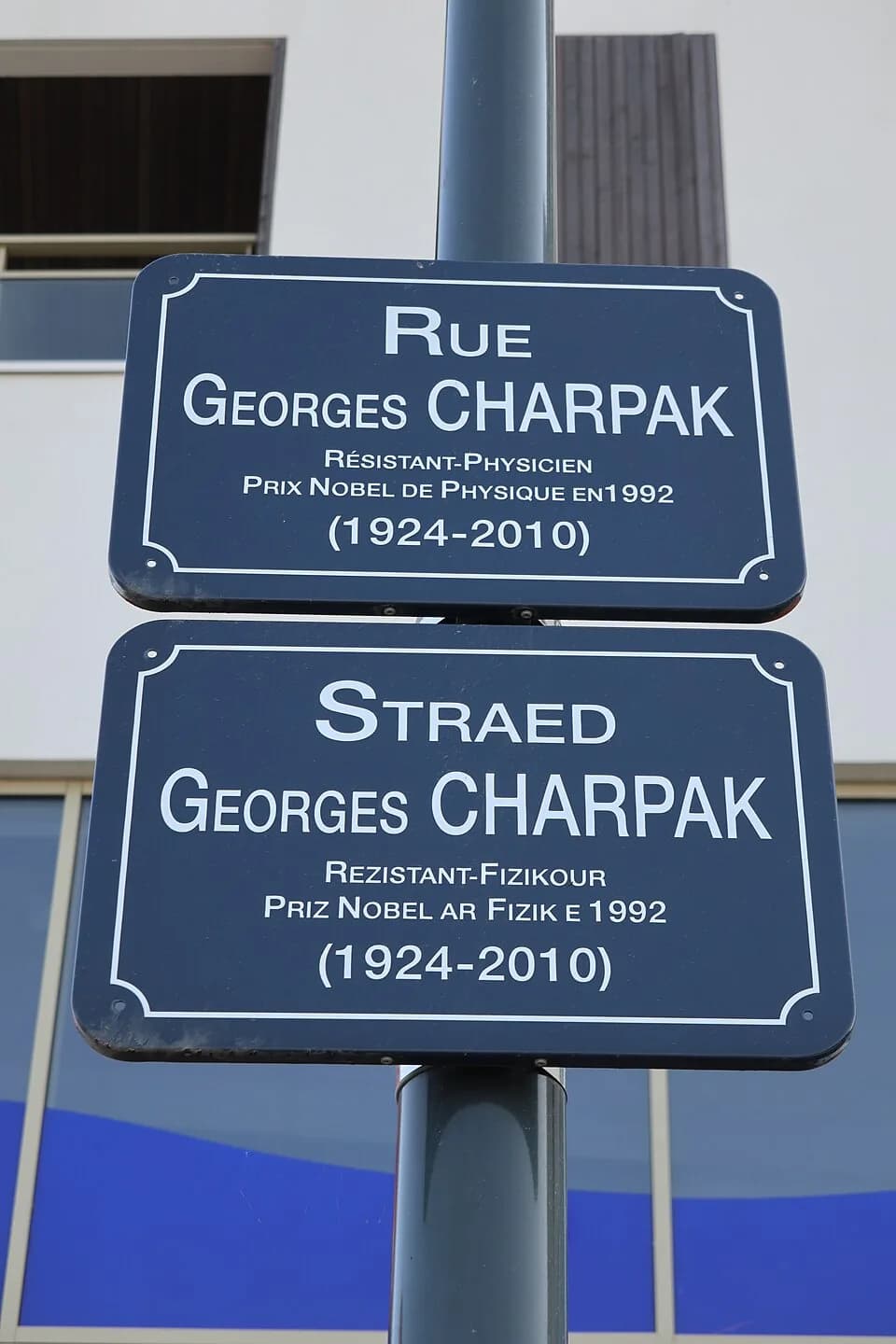
Georges Charpak (August 1, 1924 – September 29, 2010) was a French physicist from Dubrovytsia, Ukraine. He received the Nobel Prize in Physics in 1992 for his invention of the multiwire proportional chamber. His work revolutionized particle detection in physics.
0 kapitulua
Bizitzako kapituluak
1 kapitulua · 1924· 1. kapitulua 6tik
Early Life and Origins
Georges Charpak's life began in Dubrovytsia, Ukraine, where he was born on August 1, 1924. His early life was set against a backdrop of significant geopolitical change in Eastern Europe. He was described as a Polish-born French physicist, indicating a profound journey that saw him transition from his birth country to become a prominent scientific citizen of France.
2 kapitulua· 2. kapitulua 6tik
Career Beginnings
Before his illustrious career in physics, Georges Charpak demonstrated remarkable bravery as a French resistance fighter. This period underscored his profound commitment and resilience. After the war, he channeled his intellect and determination into the field of physics, laying the groundwork for his future innovations and scientific advancements.
3 kapitulua· 3. kapitulua 6tik
Major Achievements and Career Highlights
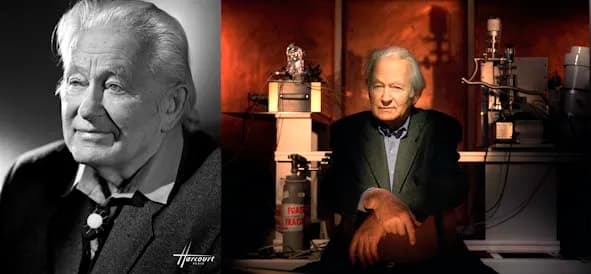
Charpak's most significant contribution to science was the invention and development of the multiwire proportional chamber. This revolutionary particle detector transformed experimental particle physics. His work on this device significantly enhanced the ability of scientists to track and measure subatomic particles with unprecedented precision.
4 kapitulua· 4. kapitulua 6tik
Notable Works or Contributions
The multiwire proportional chamber, developed by Charpak, represented a quantum leap in particle detection technology. This innovative device provided faster and more accurate information about the trajectories of elementary particles. Its development allowed physicists to conduct more complex and precise experiments, opening new avenues for understanding the fundamental building blocks of the universe.
5 kapitulua · 1992· 5. kapitulua 6tik
Later Years
The culmination of Georges Charpak's scientific endeavors was recognized in 1992, when he was awarded the Nobel Prize in Physics. This prestigious honor celebrated his invention and development of particle detectors, particularly the multiwire proportional chamber. He continued to contribute to the scientific community until his passing in Paris, France, on September 29, 2010.
6 kapitulua· 6. kapitulua 6tik
Legacy and Impact
Georges Charpak's multiwire proportional chamber fundamentally changed the field of experimental particle physics. His invention became an indispensable tool in laboratories worldwide, enabling new discoveries and advancing our understanding of the universe. His legacy lives on through the continued use and evolution of his detector technology, inspiring generations of physicists to push the boundaries of knowledge.
Bizitza uneetan
Bizitza moldatu zuten uneak
Ohiko galderak
Maiz egindako galderak
Noiz hil zen Georges Charpak?
Georges Charpak 2010(e)ko irailaren 29(a) hil zen Paris, France-n, 86 urte zituela.
Non jaio zen Georges Charpak?
Georges Charpak Dubrovytsia, Ukraine-n jaio zen 1924(e)ko abuztuaren 1(a).
Zertarako da ezagunena Georges Charpak?
Georges Charpak ezagunena da French physicist-rengatik.
Zenbat urte zituen Georges Charpak-k hil zenean?
Georges Charpak-k 86 urte zituen hil zenean.
Zer nazionalitatekoa zen Georges Charpak?
Georges Charpak Ukraine-koa zen.
Denbora-lerroa
Bizitza begirada batean
Argazki galeria
Bizitza iruditan
Egin klik edozein polaroidetan handitzeko · 24 argazki
QR kodea
Partekatu Biografia Hau
Inprimatu eta partekatu
Eskaneatu biografia orri hau bisitatzeko. Inprimatu ekitaldi, erakusketa edo hezkuntza materialetarako.