Jaioa
May 24, 1942
Edinburgh, United Kingdom
Hila
December 30, 2024
Melbourne, Australia
Ezaugarriak
Scottish chemist and Nobel Laureate in 2016 for the design and synthesis of molecular machines
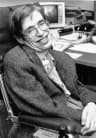
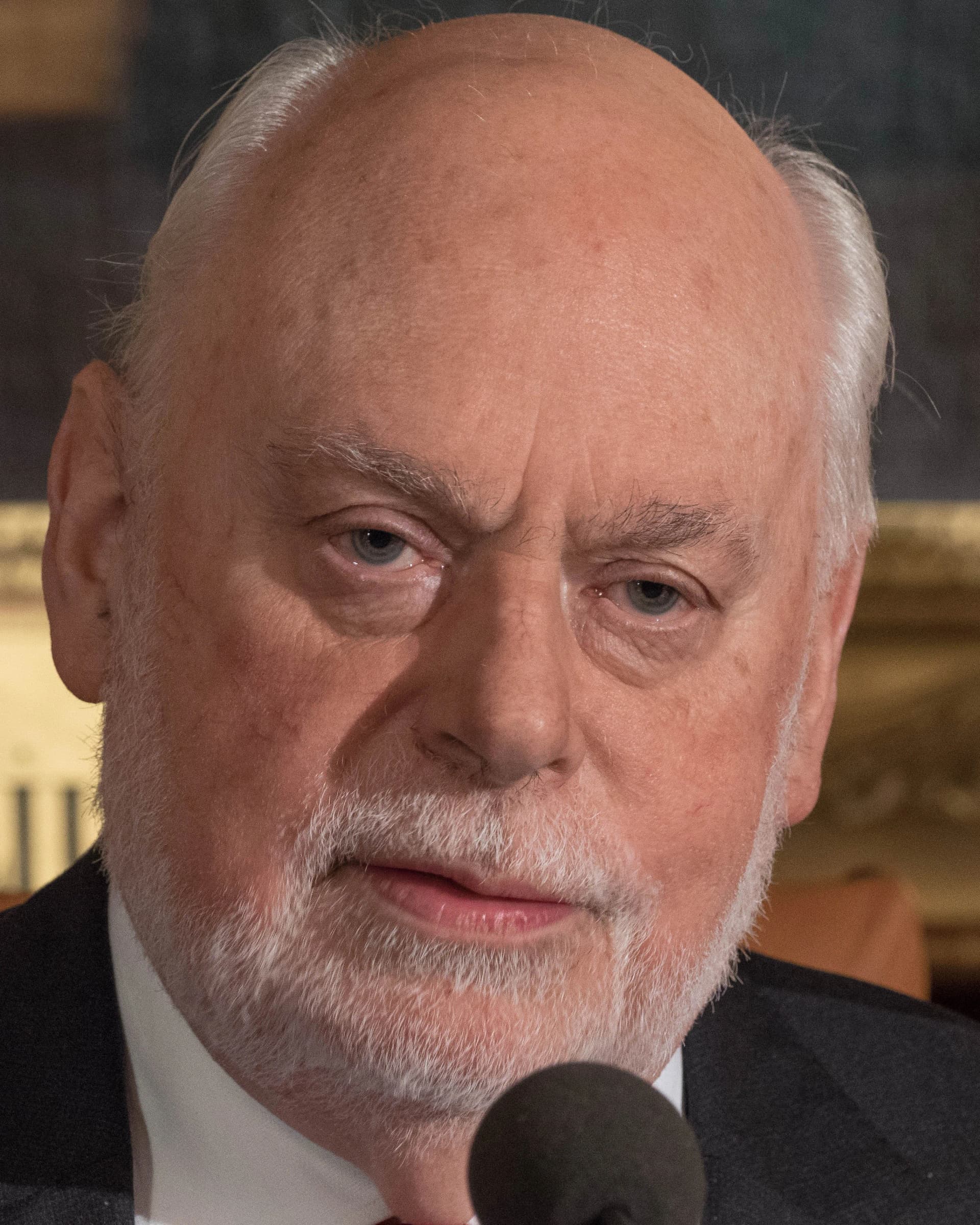
Fraser Stoddart (1942–2024) was United Kingdom best known for Scottish chemist and Nobel Laureate in 2016 for the design and synthesis of molecular machines.
Fraser Stoddart (May 24, 1942 – December 30, 2024) was a Scottish chemist and Nobel Laureate. He received the 2016 Nobel Prize in Chemistry for his pioneering work in the design and synthesis of molecular machines. His contributions significantly advanced the fields of supramolecular chemistry and nanotechnology.
0 kapitulua
Bizitzako kapituluak
1 kapitulua · 2024· 1. kapitulua 8tik
Opening
Sir James Fraser Stoddart, a distinguished Scottish-American chemist and Nobel Laureate, passed away on December 30, 2024, at the age of 82. Born on May 24, 1942, his life was marked by extraordinary contributions to the field of chemistry, particularly in the design and synthesis of molecular machines. Stoddart's pioneering work earned him the Nobel Prize in Chemistry in 2016, cementing his legacy as a visionary scientist.
2 kapitulua · 1942· 2. kapitulua 8tik
Early Life and Origins
Fraser Stoddart began his journey in Edinburgh, United Kingdom, where he was born on May 24, 1942. His early education in Scotland laid the foundation for a career that would traverse continents and redefine molecular science. His scientific curiosity was nurtured from these early beginnings, guiding him towards a path of academic rigor and innovation.
3 kapitulua· 3. kapitulua 8tik
Career Beginnings
As a British-American chemist, Stoddart established his academic presence at prestigious institutions globally, including the University of Hong Kong. He later became a prominent figure at Northwestern University in the United States. His early work focused intensely on the emerging areas of supramolecular chemistry and nanotechnology.
4 kapitulua · 2016· 4. kapitulua 8tik
Major Achievements and Career Highlights
The pinnacle of Fraser Stoddart's career arrived in 2016 when he was awarded the Nobel Prize in Chemistry. He shared this esteemed honor with Ben Feringa and Jean-Pierre Sauvage for their collective work on the design and synthesis of molecular machines. This recognition highlighted decades of dedicated research and inventive breakthroughs.
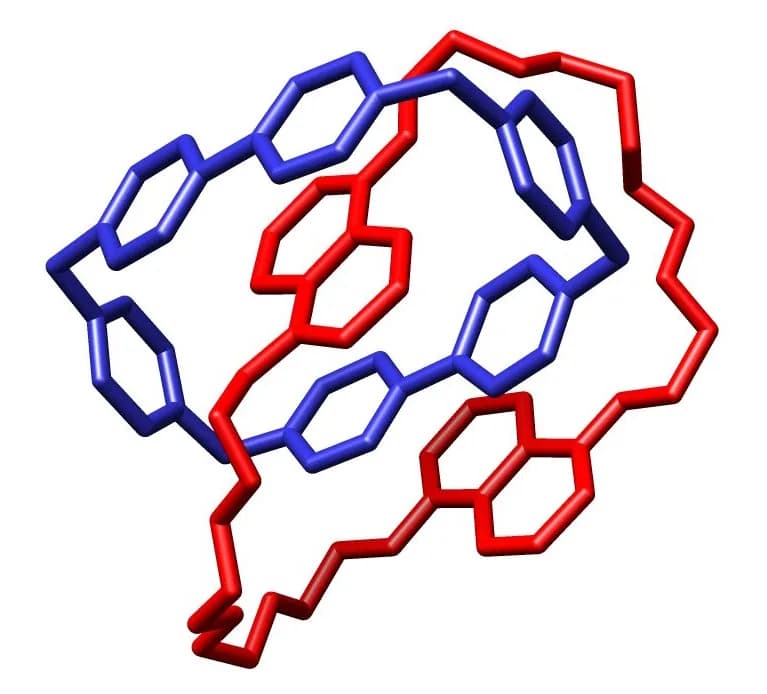
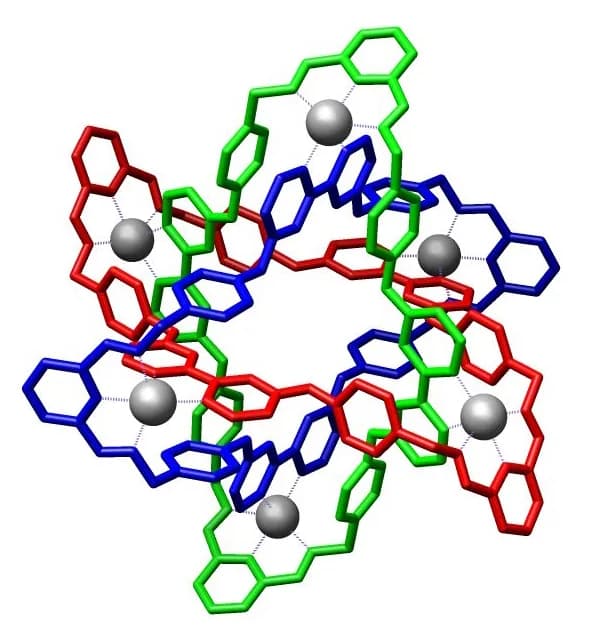
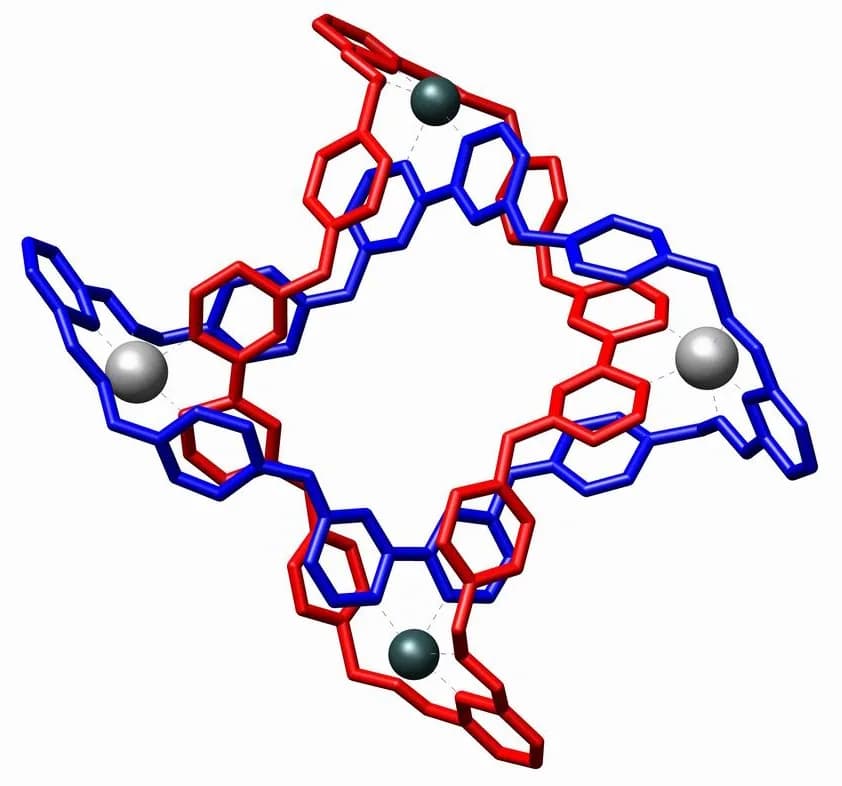
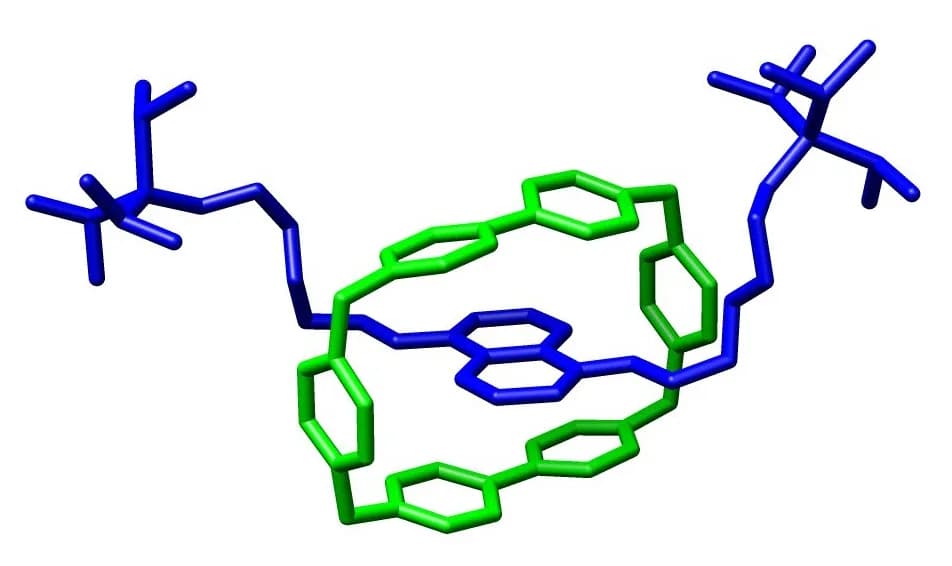
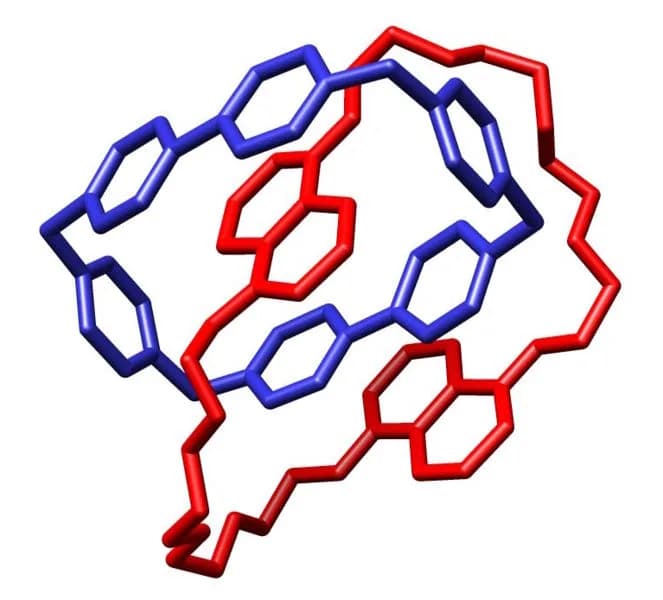
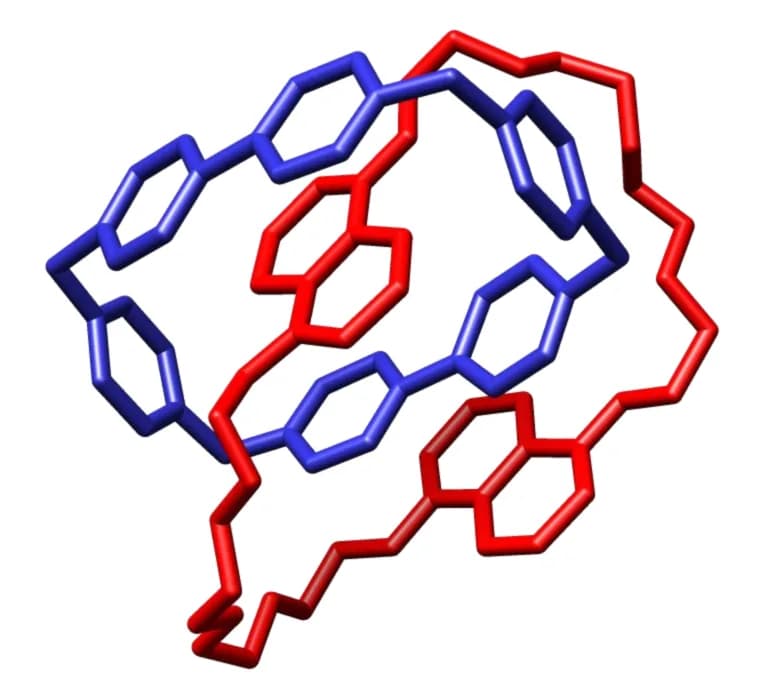
Stoddart developed highly efficient syntheses of mechanically-interlocked molecular architectures, a core aspect of his Nobel-winning research. These included intricate structures such as molecular Borromean rings, catenanes, and rotaxanes. His methods crucially utilized molecular recognition and molecular self-assembly processes to construct these complex systems.
His scientific acumen was further acknowledged with the 2007 King Faisal International Prize in Science. A key aspect of his work was demonstrating that these unique molecular topologies could function effectively as molecular switches. His group advanced these structures for use in nanoelectronic devices and nanoelectromechanical systems (NEMS).
5 kapitulua· 5. kapitulua 8tik
Personal Life
While the detailed aspects of Sir James Fraser Stoddart's personal life are not extensively documented in public records, his professional dedication speaks volumes. His tireless pursuit of scientific understanding and mentorship profoundly shaped his existence. He channeled his energies into his research and teaching, leaving an indelible mark on his students and collaborators.
6 kapitulua · 2013· 6. kapitulua 8tik
Notable Works or Contributions
Fraser Stoddart's academic output was substantial, evidenced by his extensive publications and an h-index of 4, alongside 5 top cited papers. Among his most impactful works was "Photophysical pore control in an azobenzene-containing metal–organic framework," published in 2013, which garnered 234 citations. This publication showcased his innovative approach to material science.
His continued research produced significant contributions like "Organic Counteranion Co-assembly Strategy for the Formation of γ-Cyclodextrin-Containing Hybrid Frameworks" in 2020, with 30 citations. More recent works, such as "Cyclooctatetraene-Embedded Carbon Nanorings" from 2024, further illustrate his enduring commitment to cutting-edge chemistry. This work, alongside "Adaptisorption of Nonporous Polymer Crystals," also published in 2024, each received 14 citations.
Another recent publication from 2024, "Electrostatically Dominated Pre-Organization in Cyclodextrin Metal-Organic Frameworks," exemplifies his ongoing exploration of molecular interactions. These diverse academic publications underscore his sustained influence and leadership in the scientific community throughout his career. They highlight his consistent output of impactful research.
7 kapitulua· 7. kapitulua 8tik
Later Years
In his later career, Fraser Stoddart held the distinguished position of Board of Trustees Professor of Chemistry at Northwestern University. He also led the Stoddart Mechanostereochemistry Group within the Department of Chemistry, guiding future generations of chemists. His expertise was also sought after as a Chair Professor in Chemistry at the University of Hong Kong.
Sir James Fraser Stoddart's accomplished life concluded in Melbourne, Australia, on December 30, 2024. His passing marked the end of an era for molecular science, though his discoveries continue to inspire. His dedication to teaching and research remained unwavering until his final years.
8 kapitulua· 8. kapitulua 8tik
Legacy and Impact
Fraser Stoddart's legacy in supramolecular chemistry and nanotechnology is immense. His development of molecular machines has laid foundational groundwork for entirely new technologies. He demonstrated how these nanoscale components could be fabricated into functional devices, pushing the boundaries of what was once thought possible in chemistry and engineering.
His contributions transcended theoretical understanding, moving into practical applications for nanoelectronic devices and nanoelectromechanical systems (NEMS). The molecular Borromean rings, catenanes, and rotaxanes he synthesized opened avenues for controlling matter at the molecular level. His work will continue to shape scientific inquiry and technological advancement for generations to come.
Bizitza uneetan
Bizitza moldatu zuten uneak
Ohiko galderak
Maiz egindako galderak
Noiz hil zen Fraser Stoddart?
Fraser Stoddart 2024(e)ko abenduaren 30(a) hil zen Melbourne, Australia-n, 82 urte zituela.
Non jaio zen Fraser Stoddart?
Fraser Stoddart Edinburgh, United Kingdom-n jaio zen 1942(e)ko maiatzaren 24(a).
Zertarako da ezagunena Fraser Stoddart?
Fraser Stoddart ezagunena da Scottish chemist and Nobel Laureate in 2016 for the design and synthesis of molecular machines-rengatik.
Zenbat urte zituen Fraser Stoddart-k hil zenean?
Fraser Stoddart-k 82 urte zituen hil zenean.
Zer nazionalitatekoa zen Fraser Stoddart?
Fraser Stoddart United Kingdom-koa zen.
Denbora-lerroa
Bizitza begirada batean
Argazki galeria
Bizitza iruditan
Egin klik edozein polaroidetan handitzeko · 25 argazki
QR kodea
Partekatu Biografia Hau
Inprimatu eta partekatu
Eskaneatu biografia orri hau bisitatzeko. Inprimatu ekitaldi, erakusketa edo hezkuntza materialetarako.